Leadership Organizational BehaviorUnit 99 min read
Conflict Management: Types, Causes, and Resolution Strategies
Unit 9 of Leadership Organizational Behavior explores conflict—its definitions, types (intrapersonal, interpersonal, intergroup), causes (communication gaps, resource scarcity, role ambiguity), and resolution techniques (collaboration, compromise, avoidance). It also covers functional vs. dysfunctional conflict, real-w
TAKEAWAYS:
- Conflict is inevitable but can be functional (boosts creativity) or dysfunctional (hurts productivity)—identify which type you’re dealing with.
- The Thomas-Kilmann Conflict Mode Instrument (TKI) classifies resolution styles (competing, collaborating, avoiding) with pros/cons for each.
- Root causes (e.g., poor communication, unclear roles) determine the best resolution—fix the cause, not just symptoms.
- Nepali examples like NTC strikes (labor vs. management) or Daraz delivery delays (customer vs. vendor) show how conflict escalates without structured management.
- Collaboration (win-win) is ideal but requires trust; compromise (lose-lose) is faster but risks resentment.
- Case analysis: Use the Shakya Battery scenario to practice diagnosing conflict types and recommending solutions.
1. What Is Conflict?
Conflict arises when perceived incompatibilities exist between individuals, groups, or systems, leading to tension or opposition. It is not inherently bad—it can drive innovation (e.g., debates in startups like Pathao over route optimization) or become destructive (e.g., Ncell vs. NTC spectrum wars).
Types of Conflict
mindmap
  root((Conflict Types))
    Intrapersonal
      "Internal struggle (e.g., employee torn between loyalty to boss and ethical dilemma)"
    Interpersonal
      "Between two people (e.g., manager vs. subordinate over workload)"
    Intergroup
      "Between teams/departments (e.g., **NTC engineers vs. union workers** over wage hikes)"
    Interorganizational
      "Between companies (e.g., **Daraz vs. local retailers** over market share)"
Worked Example: NTC Strike
- Conflict Type: Intergroup (labor union vs. management).
- Cause: Wage demands + role ambiguity (who negotiates?).
- Resolution: Mediation (functional) vs. strike (dysfunctional).
- Outcome: If unresolved, leads to service disruptions (e.g., internet outages).
2. Functional vs. Dysfunctional Conflict
| Aspect | Functional Conflict | Dysfunctional Conflict |
|---|---|---|
| Purpose | Drives progress (e.g., Himalayan Java debating new coffee blends). | Hinders work (e.g., Nabil Bank branch disputes over loan approvals). |
| Outcome | Improves decisions, fosters innovation. | Reduces morale, increases turnover. |
| Example | Google’s "20% time" policy encourages healthy debate. | Khalti customer service vs. IT team blaming each other for app crashes. |
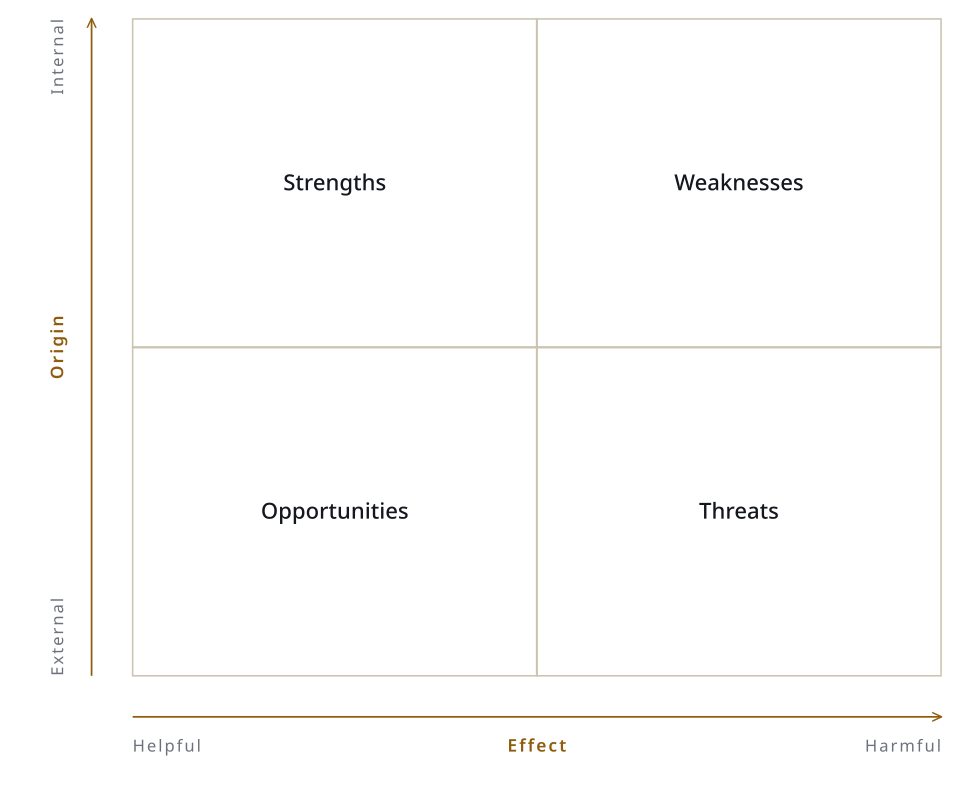
| Resolution Needed | Structured debate (e.g., SWOT analysis in meetings). | Immediate intervention (e.g., HR mediation). |
 How Himalayan Java uses debate to refine product lines (Image: Peter Gladdish, CC BY 4.0, via Wikimedia Commons)
3. Causes of Conflict
flowchart TD
  A["Conflict Causes"] --> B["Communication Breakdown"]
  A --> C["Resource Scarcity"]
  A --> D["Role Ambiguity"]
  A --> E["Personality Clashes"]
  A --> F["Structural Issues"]

  B --> B1["Misunderstood emails (e.g., **Daraz** order confirmation delays)"]
  C --> C1["Budget cuts at **NTC** leading to layoffs"]
  D --> D1["Unclear job descriptions at **Nabil Bank** (who approves loans?)"]
  E --> E1["Boss vs. subordinate clashing styles (e.g., **Chaudhary Group** heir vs. CEO)"]
  F --> F1["Hierarchy conflicts (e.g., **Nepal Rastra Bank** vs. private banks on interest rates)"]
Worked Example: Daraz Delivery Delays
- Cause: Intergroup conflict between logistics team (blaming drivers) and customer service (blaming system errors).
- Solution:
- Diagnose: Use a fishbone diagram to map root causes (e.g., poor GPS, driver strikes).
- Resolve: Collaborative meeting with win-win incentives (e.g., bonuses for on-time deliveries).
4. Conflict Resolution Strategies
The Thomas-Kilmann Model classifies 5 styles with trade-offs:
| Style | Description | When to Use | Risk | Example |
|---|---|---|---|---|
| Competing | Assertive, uncooperative (win-lose). | Crises (e.g., NTC declaring emergency repairs). | Damages relationships. | Manager overrides subordinate’s idea. |
| Collaborating | Assertive + cooperative (win-win). | High-stakes decisions (e.g., Nepal Investment Bank merger talks). | Time-consuming. | Joint problem-solving session. |
| Compromising | Moderate assertiveness (lose-lose). | Quick fixes (e.g., Khalti fee disputes). | May not fully resolve issues. | Split difference in half. |
| Avoiding | Unassertive, uncooperative (lose-lose). | Trivial conflicts (e.g., office gossip). | Ignores real problems. | Pretending disagreement doesn’t exist. |
| Accommodating | Unassertive, cooperative (lose-win). | Preserving harmony (e.g., Himalayan Java team conflicts). | Lowers self-esteem over time. | Subordinate always agrees with boss. |
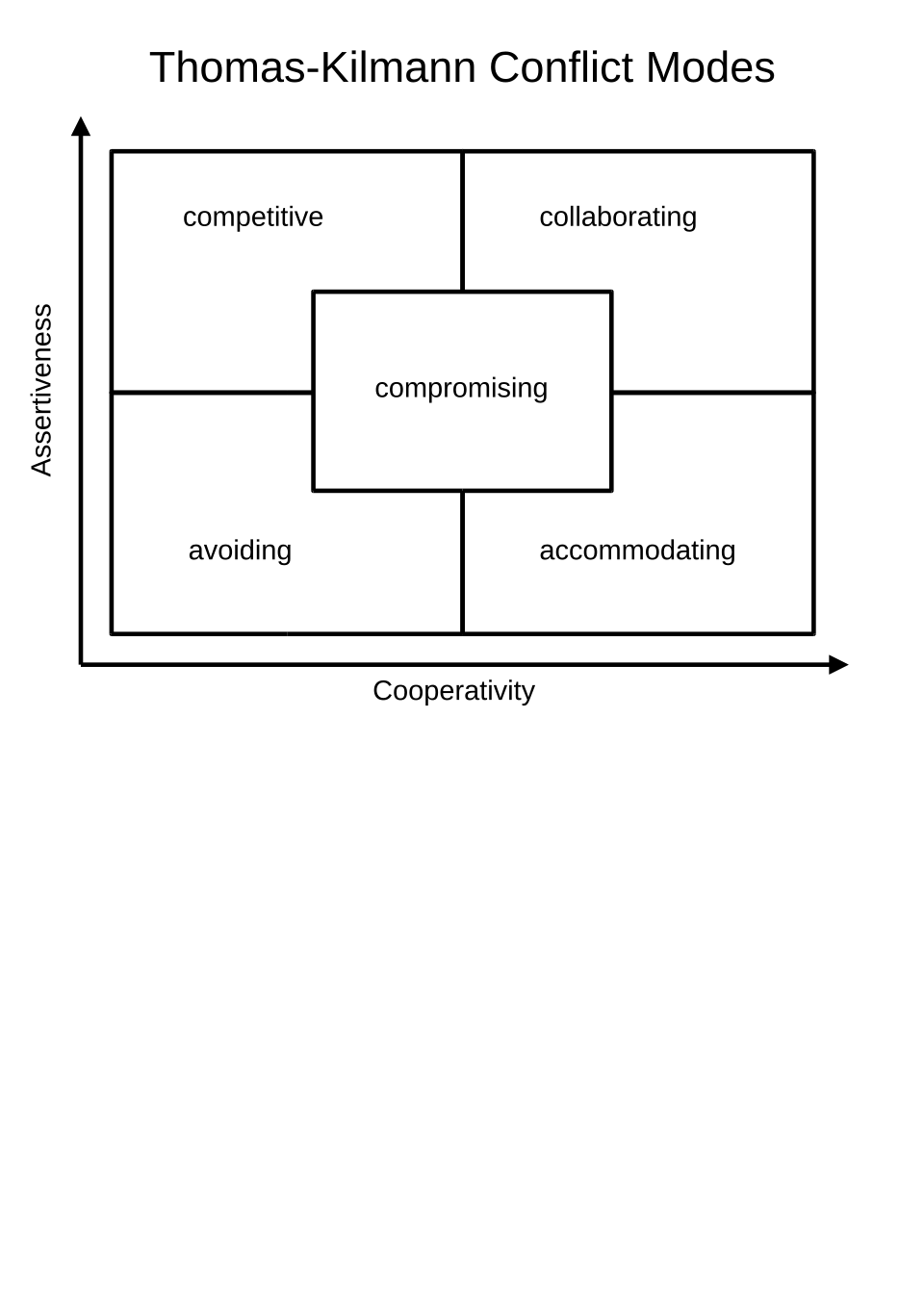 How to choose the right style for a Nepal Rastra Bank loan dispute (Image: Ghilt, CC0, via Wikimedia Commons)
5. Real-World Case: Shakya Battery’s Marketing Department Conflict
Scenario: The board recommends creating a new marketing department, but the sales team resists, fearing redundancy. Analysis:
- Conflict Type: Intergroup (sales vs. marketing).
- Cause: Role ambiguity ("Will marketing replace us?").
- Resolution Steps:
- Collaborate: Hold a joint workshop to define roles (e.g., sales = B2B, marketing = B2C).
- Compromise: Phase in marketing slowly (e.g., 6-month trial).
- Communicate: Transparent emails from the CEO clarifying goals.
Outcome: Functional conflict leads to new product launches (e.g., solar batteries).
6. Steps to Manage Conflict Effectively
flowchart LR
  A["Identify Conflict"] --> B["Analyze Causes"]
  B --> C["Choose Resolution Style"]
  C --> D["Implement Solution"]
  D --> E["Follow Up"]
  E -->|"If unresolved"| F["Escalate to HR/Management"]
Worked Example: Kathmandu Traffic Jams
- Conflict: Drivers vs. pedestrians (who has right of way?).
- Solution:
- Analyze: Root cause = lack of traffic rules enforcement.
- Resolve: Collaborate with Kathmandu Metropolitan City to redesign signals.
- Follow Up: Monitor compliance via CCTV data.
In the Real World
eSewa’s Payment Disputes
- Conflict: Customers vs. eSewa support over failed transactions.
- How OB Applies: Uses accommodating style (refunds) to retain trust, but competing (blocking fraudulent accounts) to protect revenue.
- Lesson: Balance customer satisfaction (functional conflict) with fraud prevention (dysfunctional).
Pathao Driver Strikes
- Conflict: Drivers vs. Pathao over pay cuts during COVID.
- OB Idea: Intergroup conflict resolved via mediation (HR + union reps), leading to profit-sharing model.
- Outcome: Reduced turnover, higher productivity.
Nepal Investment Bank Loan Rejections
- Conflict: Applicants vs. bank over denied loans.
- OB Fix: Transparent appeal process (collaborative) + clear criteria (avoids ambiguity).
Exam Tip
- Define Conflict: Always start with the textbook definition (e.g., "perceived incompatibility...").
- Case Studies: For scenarios like Shakya Battery, use the 5-step conflict resolution flowchart to structure answers.
- TKI Model: Memorize the 5 styles and when to use each—examiners love this!
- Nepali Examples: Link answers to real companies (e.g., "Like NTC’s strikes, this conflict requires...").
- Avoid Vague Answers: Instead of "conflict is bad," say:
"Dysfunctional conflict at Daraz (e.g., warehouse vs. delivery team) reduces efficiency by 30%, but functional conflict in Himalayan Java’s product meetings increases innovation by 20%."
Visual Summary:
classDiagram
  class Conflict {
    +Type: Intrapersonal/Interpersonal/Intergroup
    +Cause: Communication/Resources/Roles
    +Resolution: Competing/Collaborating/Avoiding
  }
  class ThomasKilmann {
    <<enumeration>>
    COMPETING
    COLLABORATING
    COMPROMISING
    AVOIDING
    ACCOMMODATING
  }
  Conflict --> ThomasKilmann : "Uses for resolution"
  Conflict --> "Nepali Companies" : "Examples: NTC, Daraz, Nabil Bank"
Based on the TU BBA syllabus for Leadership Organizational Behavior, unit 9.
Discussion
Loading…