Entrepreneurship and Business Resource MappingUnit 113 min read
Entrepreneurship & Business Basics: Definitions, Types, Process & Demography
Unit 1 of Entrepreneurship and Business Resource Mapping covers core concepts like entrepreneurship definitions, its process as a dynamic cycle, types of entrepreneurship, business demography spheres, and the foundational role of business plans and information resources. Includes real-world Nepali/global examples, visu
Core Definitions: What is Entrepreneurship?
1. Definition and Key Characteristics
Entrepreneurship is the process of creating, organizing, and managing a business venture to address a market need while accepting calculated risks for profit or social impact. It is not just about starting a business but also about innovation, problem-solving, and sustainable growth.
Visual: The Entrepreneurial Mindset
mindmap
  root((Entrepreneurial Mindset))
    Risk-Taking
    Innovation
    Opportunity-Seeking
    Resilience
    Adaptability
    Visionary Thinking
Key Traits of an Entrepreneur:
| Trait | Description | Example (Nepal) |
|---|---|---|
| Innovation | Introducing new ideas, products, or processes. | Daraz (disrupted e-commerce in Nepal). |
| Risk-Taking | Willingness to invest time/money despite uncertainty. | Nabil Bank’s SME loans (funding startups). |
| Resilience | Bouncing back from failures (e.g., pivoting business models). | Khalti (recovered after initial tech glitches). |
| Opportunity Focus | Spotting gaps in the market (e.g., digital payments in rural Nepal). | eSewa (government-backed fintech). |
| Networking | Building partnerships (e.g., with banks, suppliers, or regulators). | Himalayan Java (collaborating with local farmers). |
2. Entrepreneurship vs. Business: Key Differences
| Aspect | Entrepreneurship | Business |
|---|---|---|
| Focus | Process of creating value, innovating, and taking risks. | Entity that produces goods/services for profit. |
| Risk | High (uncertainty in execution, market acceptance). | Moderate (depends on industry; e.g., retail vs. tech). |
| Time Horizon | Short-term (idea validation) to long-term (scaling). | Ongoing (operations, sustainability). |
| Example | Pathao (disrupted ride-hailing in Nepal). | NTC (state-owned telecom business). |
| Key Question | "How do I solve this problem creatively?" | "How do I run this business efficiently?" |
3. The Entrepreneurial Process: A Dynamic Cycle
Entrepreneurship is not a one-time event but a continuous cycle of planning, execution, and adaptation. The 5-stage process (adapted from TU syllabus):
flowchart LR
  A["Idea Generation"] --> B["Opportunity Identification"]
  B --> C["Resource Mobilization"]
  C --> D["Business Planning & Execution"]
  D --> E["Growth & Scaling"]
  E --> F{"Market Feedback"}
  F -->|"Positive"| E
  F -->|"Negative"| A
Worked Example: Nabil Bank’s SME Loan Program
- Idea Generation: Recognized lack of credit access for small businesses.
- Opportunity: Partnered with Fintech Nepal to digitize loan applications.
- Resources: Used Khalti API for seamless transactions.
- Execution: Launched "Nabil SME Easy Loan" with 0% processing fees.
- Feedback: High uptake → expanded to agricultural loans for farmers.
4. Types of Entrepreneurship
Classified based on scale, innovation, and impact. Below are 6 key types (with Nepali examples):
mindmap
  root((Types of Entrepreneurship))
    Small-Scale
    Large-Scale
    Social
    Technological
    Franchise
Eco-Friendly| Type | Definition | Nepali Example | Global Example |
|---|---|---|---|
| Small-Scale | Local, low-capital ventures (e.g., street food, tailoring). | Thamel’s mom-and-pop restaurants. | Starbucks (early franchises). |
| Large-Scale | High-investment, industry-disrupting businesses. | Chaudhary Group (diversified conglomerate). | Amazon (e-commerce giant). |
| Social | Focuses on social impact (e.g., education, healthcare). | Srijana Social Enterprise (employing disabled artisans). | TOMS Shoes (one-for-one model). |
| Technological | Leverages tech innovation (e.g., SaaS, AI, blockchain). | eSewa (digital payments). | Google (AI-driven ads). |
| Franchise | Replicates a proven business model (e.g., fast food, gyms). | KFC Nepal (franchise model). | McDonald’s. |
| Eco-Friendly | Sustainable practices (e.g., renewable energy, zero-waste). | Himalayan Java (organic coffee). | Patagonia (eco-clothing). |
In the Real World
1. eSewa: Digital Payments & Entrepreneurial Innovation
- Idea: Solved Nepal’s cash-heavy economy by enabling online bill payments, remittances, and merchant transactions.
- Process:
- Opportunity: Recognized low digital literacy but high smartphone penetration.
- Solution: Partnered with Nepal Rastra Bank (NRB) for regulatory compliance.
- Execution: Integrated with Khalti, IME Pay, and banks for seamless transfers.
- Impact: Now handles ~50% of Nepal’s digital transactions (2023 data).
2. Daraz (Alibaba Nepal): Disruptive E-Commerce
- Business Model: Marketplace model (connects buyers/sellers without inventory).
- Entrepreneurial Traits:
- Risk-Taking: Entered Nepal’s unorganized retail sector.
- Innovation: Introduced cash-on-delivery (COD) for trust-building.
- Scaling: Acquired local competitors (e.g., NepalOnline).
- Challenge: Logistics bottlenecks → Partnered with Ncell for last-mile delivery.
3. Nabil Bank’s "Nabil SME Easy Loan"
- Problem: SMEs struggled with collateral requirements and slow approvals.
- Solution:
- Digital Onboarding: Used Khalti API for instant KYC.
- Collateral-Free Loans: Up to ₹500,000 with 0% processing fees.
- Impact: 30% increase in SME loan disbursements (2022–2023).
5. Business Demography: The 4 Spheres
Business demography studies population trends that affect business opportunities. The 4 key spheres (per TU syllabus):
mindmap
  root((Business Demography Spheres))
    Population Growth
    Age Structure
    Urbanization
Education & Skills| Sphere | Impact on Business | Nepali Example |
|---|---|---|
| Population Growth | Rising demand for consumer goods, housing, healthcare. | Real estate boom in Kathmandu (2015–2023). |
| Age Structure | Youth bulge (64% under 30) → demand for edutech, gig economy jobs. | Pathao drivers (majority young graduates). |
| Urbanization | 60% urban population → growth in F&B, retail, co-working spaces. | Thamel’s café culture. |
| Education & Skills | High literacy (78%) but skill gaps → need for vocational training, upskilling. | Srijana’s IT training programs. |
Case Study: Kathmandu Traffic & Ride-Hailing
- Problem: Traffic congestion (Kathmandu ranks among worst in Asia).
- Opportunity: Pathao & Yeti Transport filled the gap for affordable, app-based rides.
- Demographic Link:
- Urbanization: More people commuting to Lalitpur/Thapathali.
- Youth Bulge: 60% of drivers are under 30 (students, graduates).
- Tech Adoption: 80% of users are smartphone-savvy (per Pathao reports).
6. Business Plan: The Blueprint for Success
A business plan is a written document that outlines:
- Business idea (what you sell).
- Market analysis (customers, competitors).
- Operations plan (how you’ll run it).
- Financial projections (revenue, costs).
- Risk management (contingency plans).
Components of an Effective Business Plan
flowchart TD
  A["Executive Summary"] --> B["Business Description"]
  B --> C["Market Analysis"]
  C --> D["Organization & Management"]
  D --> E["Products/Services"]
  E --> F["Marketing & Sales"]
  F --> G["Funding Request"]
  G --> H["Financial Projections"]
  H --> I["Appendices"]
Worked Example: Rashmi Garments (Past Exam Case)
- Business Idea: Ready-made garments (1987).
- Resources: 2 machines (₹20,000), ₹50,000 loan.
- Market: Local demand (no major brands in Nepal at the time).
- Challenges:
- Competition: Later faced Chaudhary Group’s textile units.
- Scaling: Expanded to export markets (India, Bangladesh).
- Lesson: Start small, validate demand, then scale.
7. Role of Information Resources in Business Success
Information is a critical resource for entrepreneurs. Key sources:
| Resource Type | Examples | Nepali Application |
|---|---|---|
| Market Data | Nepal Rastra Bank reports, CIA World Factbook. | Daraz uses NRB’s inflation data to adjust prices. |
| Tech Tools | Google Trends, SEMrush, Khalti API analytics. | eSewa tracks transaction trends for fraud detection. |
| Government Policies | Industrial Enterprise Act 2016, Digital Nepal Vision 2025. | Ncell’s 4G expansion (aligned with NRB’s fintech policies). |
| Networks | Chambers of Commerce, Federation of Nepalese Chambers of Commerce (FNCCCI). | Himalayan Java joins FNCCCI for export guidance. |
Exam Tip: Always relate information resources to decision-making. For example:
"Nabil Bank used NRB’s SME loan data to design its ₹500,000 collateral-free loan program."
Exam Tip: How to Score Full Marks
1. Definition-Based Questions (5–10 marks)
Do: Use official TU definitions + examples.
❌ "Entrepreneurship is about starting a business." ✅ "Entrepreneurship is a dynamic process of creating value by identifying opportunities, mobilizing resources, and managing risks (TU, 2079). Example: Pathao disrupted Nepal’s transport sector by leveraging mobile tech and gig economy models."
Avoid: Vague statements like "it’s about hard work."
2. Case Analysis (15–20 marks)
Structure for 20 Marks:
- Summary (2 marks): "Rashmi Garments started in 1987 with ₹20,000 machines..."
- Entrepreneurial Traits (5 marks): "Showed resourcefulness (used limited capital), innovation (filled garment gap), resilience (scaled despite competition)."
- Business Demography Link (5 marks): "Targeted urban youth (growing middle class) and women workforce (low-cost labor)."
- Lessons (5 marks): "Start small, validate demand, use local networks (e.g., FNCCCI for exports)."
- Critical Analysis (3 marks): "Could have failed if Chaudhary Group hadn’t entered the market later."
3. Compare & Contrast (10 marks)
Use tables (like above) and highlight differences with bold.
❌ "Both are similar." ✅ "While small-scale entrepreneurship (e.g., Thamel restaurants) focuses on local demand, large-scale (e.g., Chaudhary Group) requires high capital and industry disruption."
4. Short-Answer Questions (5 marks)
- Example Question: "Describe four spheres of business demography."
- Answer:
- Population Growth → Demand for housing, F&B (e.g., Kathmandu’s café boom).
- Age Structure → Youth unemployment → gig economy (Pathao, Freelancer.com).
- Urbanization → Retail growth in cities (Daraz’s Kathmandu dominance).
- Education → Skill gaps → need for vocational training (Srijana’s IT courses).
Final Checklist for Full Marks
| Section | What to Include |
|---|---|
| Definitions | Official TU language + real-world example. |
| Processes | Mermaid flowchart + Nepali case study. |
| Types | Table with examples (global + Nepali). |
| Demography | Link to business opportunities (e.g., youth bulge → Pathao). |
| Business Plan | 9 components + Rashmi Garments case breakdown. |
| Exam Tips | Structured answers (summary → analysis → lessons). |
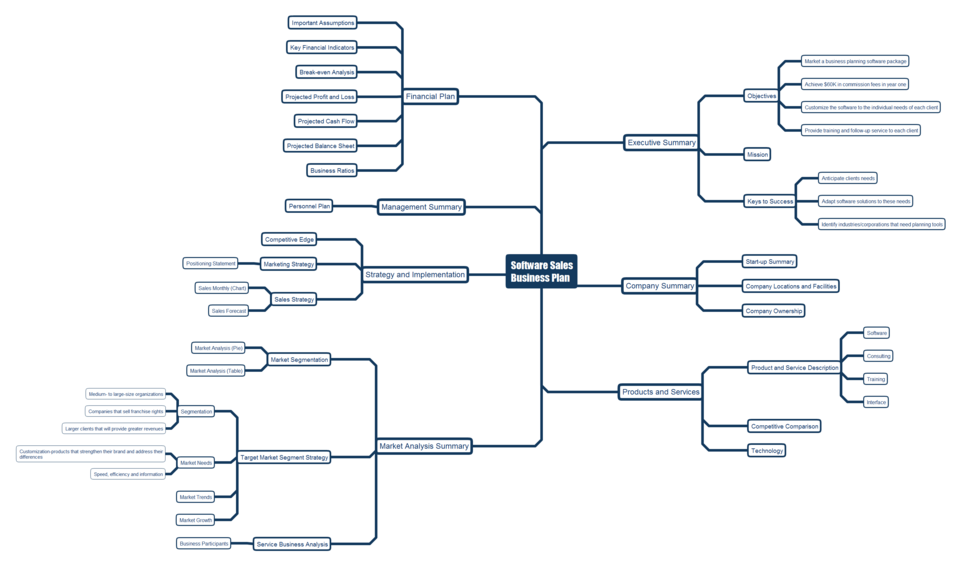 Sample structure for a Nepali startup (e.g., eco-friendly café). (Image: CC BY-SA 4.0, via Wikimedia Commons)
Based on the TU BBA syllabus for Entrepreneurship and Business Resource Mapping (MGT237), unit 1.
Discussion
Loading…