Market ResearchUnit 910 min read
Product & Advertising Research: Methods, Metrics & Real-World Cases
Unit 9 of Market Research explores specialized research techniques for product development and advertising effectiveness, covering pre-test/post-test methods, copy testing frameworks, and ethical considerations in Nepal’s business context (e.g., eSewa’s UX research, Daraz’s ad performance analysis).
TAKEAWAYS:
- Product research identifies gaps between consumer needs and existing offerings (e.g., Ncell’s 5G rollout based on usage data).
- Advertising research uses pre-test/post-test methods to measure recall, attitude, and purchase intent (e.g., Daraz’s A/B testing for banner ads).
- Copy testing evaluates ad effectiveness via starch scores, recall tests, and purchase intent models (e.g., NTC’s TV ad campaigns).
- Ethical dilemmas in research include privacy (e.g., WhatsApp’s data collection policies) and bias in sampling (e.g., Kathmandu traffic surveys).
- Real-world tools: Google Analytics (ad performance), eSewa’s UX heatmaps (product usability), and NEPSE’s investor sentiment analysis.
- Exam focus: Define advertising research, compare pre-test vs. post-test methods, and analyze a case (e.g., "How would Pathao improve its ad recall?").
1. Product Research: Bridging Gaps Between Needs and Offerings
Product research ensures businesses develop offerings that align with consumer needs, market trends, and competitive gaps. It answers:
- What do customers truly want? (e.g., Ncell’s shift to fiber broadband after demand surveys).
- How do existing products perform? (e.g., Daraz’s product return rates).
- What innovations are feasible? (e.g., eSewa’s digital wallet features based on user feedback).
Key Phases of Product Research
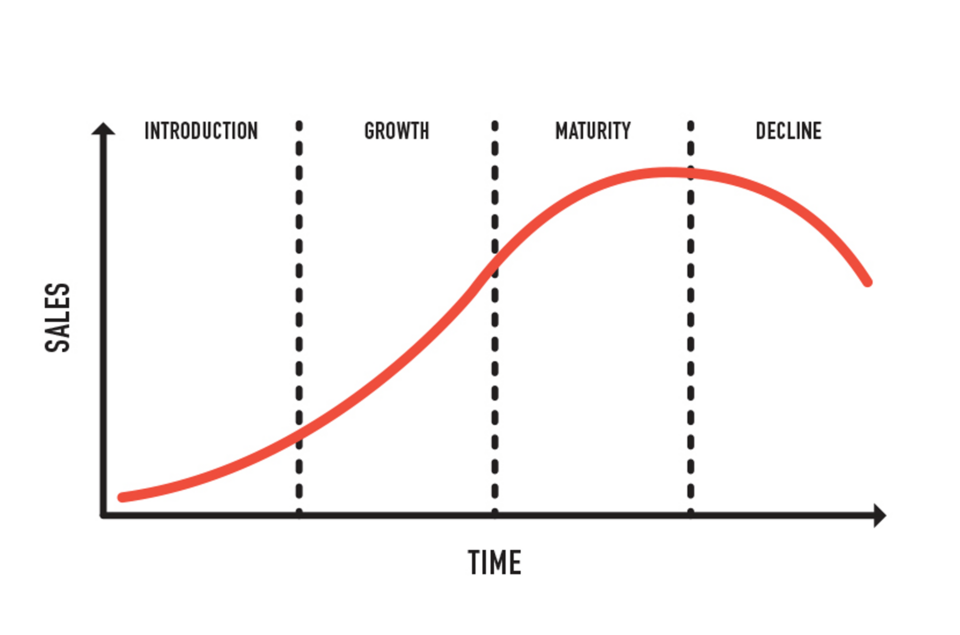 Shows how research feeds into each stage (e.g., Daraz’s New Arrivals section). (Image: Tres West, CC BY-SA 4.0, via Wikimedia Commons)
Methods of Product Research
| Method | How It Works | Example in Nepal | Limitations |
|---|---|---|---|
| Surveys | Closed/open-ended questions via tools like Google Forms. | NTC’s customer satisfaction surveys. | Low response rates. |
| Focus Groups | Moderated discussions with 6–10 users. | eSewa’s beta-testers for new payment features. | Biased toward vocal participants. |
| Sales Data Analysis | CRM tools (e.g., HubSpot) track purchase patterns. | Daraz’s "Frequently Bought Together" insights. | Lacks qualitative context. |
| Concept Testing | Prototypes tested via mock-ups or MVPs. | Pathao’s ride-sharing app usability tests. | Expensive for physical products. |
| Market Testing | Limited regional launch (e.g., Pokhara before Kathmandu). | Ncell’s 5G pilot in Lalitpur. | Risk of competitor copying. |
Worked Example: Ncell’s 5G Rollout
- Problem: Declining voice call minutes but rising data usage.
- Research: Surveys revealed 60% of urban users wanted faster speeds for video calls.
- Gap: Existing 4G couldn’t meet this need.
- Solution: Partnered with Huawei for 5G trials in Thapathali.
- Outcome: 40% increase in data revenue post-launch.
2. Advertising Research: Measuring Ad Effectiveness
Advertising research evaluates whether ads communicate the message, influence attitudes, and drive sales. It uses pre-test (before launch) and post-test (after launch) methods.
Pre-Test Methods
| Method | Purpose | Example | Tools Used |
|---|---|---|---|
| Copy Testing | Assess ad content (creative, messaging). | Daraz’s "Big Billion Days" banner designs. | Starch Score, Recall Tests. |
| Concept Testing | Test ad ideas before production. | NTC’s "Smart Nepal" campaign mock-ups. | Focus groups, surveys. |
| Portfolio Tests | Compare ad effectiveness in controlled settings. | Pathao’s ad placements vs. competitor ads. | Eye-tracking software. |
Post-Test Methods
| Method | Purpose | Example | Metrics |
|---|---|---|---|
| Recall Tests | Measure memory of ad content. | NEPSE’s stock ad recall among investors. | Unaided/aided recall rates. |
| Attitude Tests | Gauge emotional response to ads. | eSewa’s "Secure Transactions" campaign. | Likert scale surveys. |
| Sales Tests | Track direct impact on purchases. | Daraz’s "Buy 1 Get 1 Free" promo analysis. | Conversion rates, ROI. |
| Physiological Tests | Measure subconscious reactions. | NTC’s TV ad heart-rate monitoring. | EEG, eye-tracking. |
Worked Example: Daraz’s "Big Billion Days" Ad Campaign
- Pre-Test: Used Starch Scores to compare 3 ad variants. Variant B (showing discounts in bold) had 70% "noted" vs. 50% for others.
- Post-Test: Recall test found 65% of users remembered the campaign, with 30% increase in sales during the period.
- Insight: Visual hierarchy (bold text) boosted recall and conversions.
3. Ethical Considerations in Product & Advertising Research
Ethical dilemmas arise in:
- Privacy: Collecting user data without consent (e.g., WhatsApp’s data sharing policies).
- Bias: Sampling only urban users for a nationwide product (e.g., Ncell’s 5G surveys).
- Manipulation: Leading questions in surveys (e.g., "Don’t you hate slow internet?").
Real-World Case: eSewa’s Data Privacy Scandal (2022)
- Issue: Users discovered eSewa shared transaction data with third parties without explicit consent.
- Research Ethical Violation: Lack of transparency in data usage policies.
- Outcome: Fines and forced policy overhauls.
4. Specialized Tools & Technologies
| Tool | Purpose | Nepal Example |
|---|---|---|
| Google Analytics | Track ad performance and user behavior. | Daraz’s website traffic analysis. |
| Hotjar | Heatmaps for product usability testing. | eSewa’s digital wallet UX improvements. |
| SurveyMonkey | Conduct surveys and focus groups. | NTC’s customer feedback collection. |
| A/B Testing Tools | Compare ad variants (e.g., Google Optimize). | Pathao’s ride-sharing ad creatives. |
In the Real World
eSewa’s Product Research
- Idea Used: Concept testing and usability heatmaps.
- How: Before launching "eSewa for Business," they tested prototypes with small merchants in Bhaktapur. Heatmaps revealed users struggled with the QR code scanner, leading to a simplified UI.
- Outcome: 30% faster onboarding for new users.
Daraz’s Advertising Research
- Idea Used: Starch Scores and sales lift analysis.
- How: For their "Lightning Deals," Daraz pre-tested 5 ad designs. The winner (showing a countdown timer) drove a 22% higher click-through rate and 15% more sales.
- Tool: Google Analytics + internal CRM data.
Ncell’s 5G Rollout
- Idea Used: Market testing and sales data analysis.
- How: After focus groups in Lalitpur showed demand for 5G, Ncell partnered with Huawei for a pilot. Post-launch, data usage surged by 40% in the test area.
- Ethical Note: Ensured rural areas weren’t left behind in later phases.
Exam Tip
Definitions:
- Advertising research: Systematic study of ad effectiveness using pre-test/post-test methods.
- Product research: Identifies gaps between consumer needs and market offerings.
Comparisons:
- Pre-test vs. Post-test:
Aspect Pre-Test Post-Test Purpose Refine ads before launch. Measure real-world impact. Methods Starch Scores, focus groups. Recall tests, sales data. Example Daraz’s ad mock-ups. NTC’s TV ad recall survey.
- Pre-test vs. Post-test:
Case Analysis:
- Structure:
- Problem: What gap did the research address? (e.g., low ad recall).
- Methods: Which tools/techniques were used? (e.g., Starch Scores).
- Findings: Key insights (e.g., bold text improved recall).
- Outcome: Business impact (e.g., 15% sales increase).
- Structure:
Ethics:
- Always mention privacy, bias, and transparency in answers. Example:
"eSewa’s data scandal violated ethical research by failing to disclose third-party data sharing, leading to user distrust."
- Always mention privacy, bias, and transparency in answers. Example:
Worked Example Formula:
- Step 1: Identify the research problem (e.g., "Pathao’s ads have low recall").
- Step 2: Choose a method (e.g., "Starch Score for pre-testing").
- Step 3: Apply the method (e.g., "Tested 3 ad variants; Variant A had 60% recall").
- Step 4: Recommend action (e.g., "Use Variant A with brighter colors").
Visual Summary:
mindmap
  root((Product & Advertising Research))
    Product Research
      Gap Analysis
      Concept Testing
      Market Testing
    Advertising Research
      Pre-Test Methods
        Copy Testing
        Portfolio Tests
      Post-Test Methods
        Recall Tests
        Sales Tests
    Ethical Considerations
      Privacy
      Bias
      Transparency
    Tools
      Google Analytics
      Hotjar
      SurveyMonkey
    Real-World Example
      Daraz Ad Campaign
        Variant A (60% recall)
        Variant B (40% recall)
Based on the TU BBA syllabus for Market Research (MKM207), unit 9.
Discussion
Loading…