Business CommunicationUnit 109 min read
Advertising & Public Notices: Models, Formats & Ethical Impact
Unit 10 of Business Communication explores how to craft persuasive advertising messages and public notices using AIDA, DAGMAR, and other models, while ensuring ethical compliance and legal adherence. Learn formats for notices, posters, and ads, with real-world Nepali/global case studies.
Key Concepts in Advertising
What is Advertising?
Advertising is a paid, non-personal communication through various media to promote goods, services, or ideas. It aims to inform, persuade, or remind the target audience.
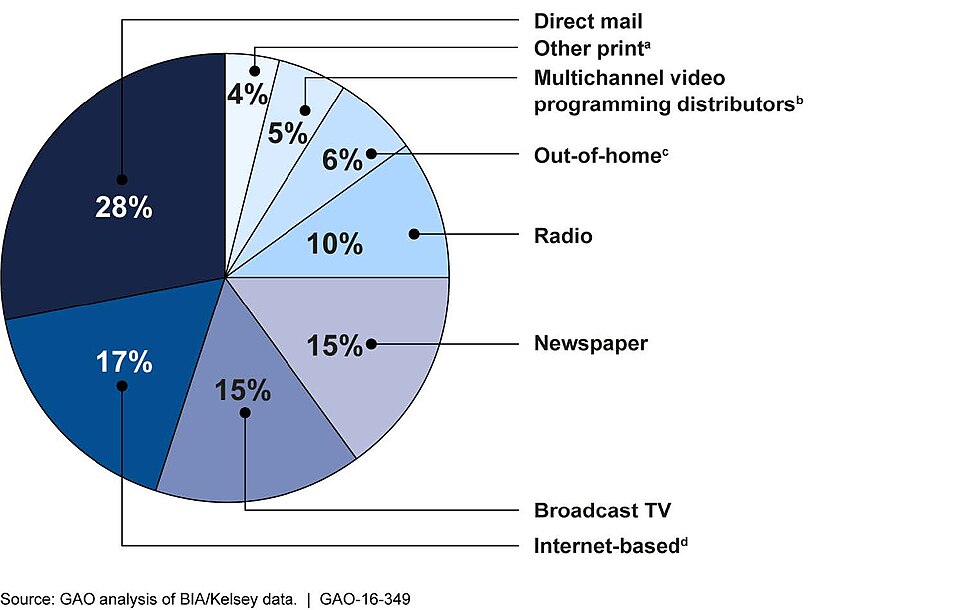 Types of media used in advertising (print, digital, broadcast, outdoor) (Image: U.S. Government Accountability Office, Public domain, via Wikimedia Commons)
Types of Advertising
Advertising Models
1. AIDA Model
The AIDA model is a classic framework for structuring advertising messages:
- Attention: Grab the audience’s interest.
- Interest: Spark curiosity about the product/service.
- Desire: Create a want or need.
- Action: Prompt the audience to respond (buy, visit, etc.).
Example: A Daraz ad for World Heart Day might:
- Attention: Use a bold headline like "Your Heart Deserves Better!"
- Interest: Show a short video of a busy Kathmandu traffic scene.
- Desire: Highlight how Daraz’s health products can improve heart health.
- Action: End with "Shop now and get 20% off!"
2. DAGMAR Model
The DAGMAR model focuses on Defining Advertising Goals for Measured Advertising Results:
- Define the target audience.
- Aware: Make them aware of the product.
- Goal: Move them toward a specific action (e.g., trial, purchase).
- Measure: Track results.
Example: NTC’s "Smart Prepaid" campaign:
- Target: Young professionals in Kathmandu.
- Awareness: Ads on YouTube and Facebook.
- Goal: Increase prepaid data usage.
- Measurement: Track app downloads and data usage stats.
3. Hierarchy of Effects Model
This model outlines the stages a consumer goes through before making a purchase:
- Awareness → 2. Knowledge → 3. Liking → 4. Preference → 5. Conviction → 6. Purchase.
Comparison Table: Advertising Models
| Model | Focus | Best For | Example (Nepal) |
|---|---|---|---|
| AIDA | Persuasive structure | Short-term sales | Daraz’s World Heart Day ad |
| DAGMAR | Measurable goals | Brand awareness campaigns | NTC’s Smart Prepaid launch |
| Hierarchy | Long-term consumer journey | High-involvement products | Toyota’s Corolla launch campaign |
Public Notices: Formats and Best Practices
What is a Public Notice?
A public notice is an official announcement to inform the public about events, policies, or changes. It is unpaid and informative (not persuasive like ads).
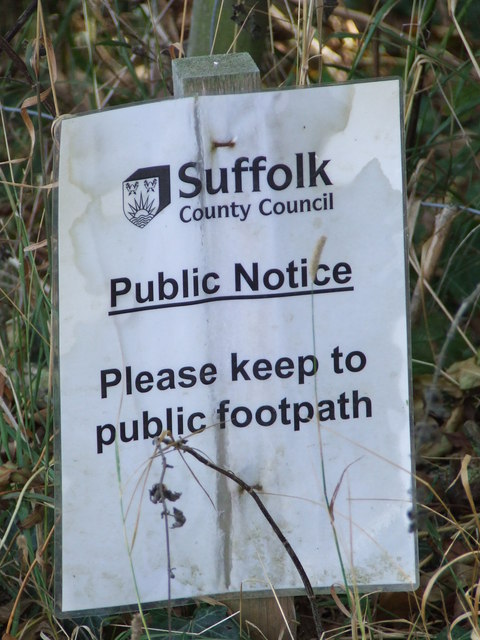 Standard layout of a public notice (header, body, footer) (Image: Keith Evans, CC BY-SA 2.0, via Wikimedia Commons)
Key Elements of a Public Notice
- Header: Name of the organization, date, and reference (if any).
- Body:
- Purpose: Clearly state the reason for the notice.
- Details: Who, what, when, where, and how.
- Call to Action: What should the audience do?
- Footer: Contact information or signature (if formal).
Worked Example: Blood Donation Notice (World Heart Day) Notice For Immediate Release Date: [Insert Date] Issued by: [Your Company/Organization]
Subject: Blood Donation Program on World Heart Day
Dear Valued Citizens,
On the occasion of World Heart Day (September 29), [Your Company] is organizing a Blood Donation Program to save lives. Your contribution can make a difference!
Details:
- Date: September 29, 2024
- Time: 10:00 AM – 4:00 PM
- Venue: [Hospital/Community Center Name], Kathmandu
- Eligibility: Healthy individuals aged 18-60
How to Participate:
- Register online at [website/link].
- Bring your citizen’s card and a light snack.
- Donate blood and receive a free health check-up!
Contact: [Phone/Email] | [Organization Name]
Let’s save lives together! Why This Works:
- Clear purpose: Ties to World Heart Day.
- Actionable details: Who, what, when, where, how.
- Incentive: Free health check-up encourages participation.
Advertising vs. Public Notices
mindmap
  root((Communication Tools))
    Advertising
      Paid
      Persuasive
      Brand-focused
      Examples: Daraz ads, NTC campaigns
    Public Notices
      Unpaid
      Informative
      Public service
Examples: Blood donation notices, NEPSE announcements| Feature | Advertising | Public Notice |
|---|---|---|
| Purpose | Persuade, inform, remind | Inform, notify, educate |
| Payment | Paid for media space/time | Free (government/organization-funded) |
| Tone | Emotional, creative | Formal, factual |
| Example | "Buy Now and Save 50%!" (Daraz) | "Notice: Road closure on March 15" |
Ethics in Advertising and Public Notices
Ethical Considerations
- Truthfulness: No false claims (e.g., "Miracle cure!" without evidence).
- Transparency: Disclose all terms (e.g., "Limited-time offer" must specify end date).
- Respect: Avoid offensive language or stereotypes.
- Legal Compliance: Follow Consumer Protection Act (Nepal) and Advertising Standards Council guidelines.
Case Study: Nabil Bank’s Ethical Ad Campaign Nabil Bank’s "Banking for Good" campaign:
- Ethical: Focused on financial literacy for women.
- Impact: Used real customer stories (not actors) to build trust.
- Legal: Complied with RBI’s advertising rules.
Digital Advertising and Social Media
Trends in Nepal
- WhatsApp Business Ads: Used by small businesses (e.g., local tailors, restaurants).
- Facebook/Instagram Ads: Popular for e-commerce (Daraz, Sastodeal).
- Influencer Marketing: Brands like Himalayan Java partner with Nepali influencers.
Example: Pathao’s Ride-Hailing Ads
- Platform: Facebook and YouTube.
- Strategy:
- AIDA: Short videos showing "How Pathao saves you time in Kathmandu traffic."
- Target: Young professionals stuck in traffic.
- CTA: "Book a ride now—first 100 users get 50% off!"
Exam Tip: How to Score Full Marks
For AIDA/DAGMAR:
- Define the model clearly (e.g., "AIDA stands for Attention, Interest, Desire, Action").
- Apply it to a real example (e.g., Daraz ad, NTC campaign).
- Explain each step with bullet points or a short paragraph.
For Public Notices:
- Follow the standard format (header, body, footer).
- Use action verbs ("Register now," "Participate today").
- Tie to a real event (e.g., World Heart Day, NEPSE IPO notice).
For Ethics:
- Mention at least 2 ethical principles (truthfulness, transparency).
- Give a Nepali example (e.g., Nabil Bank’s campaign).
Avoid Common Mistakes:
- ❌ Generic notices ("Notice: Event on date" → Bad).
- ✅ Specific details ("Notice: Blood donation on Sept 29 at XYZ Hospital" → Good).
## In the Real World
Daraz’s AIDA Model:
- Daraz uses the AIDA model in its World Heart Day ads. The ad starts with a bold image of a healthy heart (Attention), then shows a short video of Kathmandu traffic (Interest), highlights how their products improve heart health (Desire), and ends with a "Shop Now" button (Action).
NTC’s DAGMAR Strategy:
- NTC’s "Smart Prepaid" campaign followed the DAGMAR model. They defined their target (young professionals), created awareness via YouTube ads, set a goal (increase prepaid data usage), and measured success by tracking app downloads.
Nepal Rastra Bank’s Public Notices:
- The Nepal Rastra Bank (NRB) uses public notices to inform citizens about forex rate changes or new banking regulations. For example, a notice might say:
"Notice: New KYC rules effective from June 1, 2024. All account holders must update documents by July 15."
- The Nepal Rastra Bank (NRB) uses public notices to inform citizens about forex rate changes or new banking regulations. For example, a notice might say:
Pathao’s Digital Ads:
- Pathao leverages social media ads (Facebook/Instagram) to target Kathmandu traffic victims. Their ads use short videos showing how Pathao saves time, followed by a "Book Now" CTA—classic AIDA in action.
Khalti’s Ethical Advertising:
- Khalti’s ads emphasize security and ease of transactions, avoiding false claims. For example, their "Pay in Seconds" campaign shows real users making payments—transparent and trustworthy.
Based on the TU BBM syllabus for Business Communication (ENG213), unit 10.
Discussion
Loading…