Fundamentals Of MarketingUnit 1013 min read
Digital & Modern Marketing: Tools, Strategies & CRM
Unit 10 of Fundamentals Of Marketing explores digital marketing’s core concepts—social media, e-commerce, CRM, and data-driven strategies—with real-world Nepali/global case studies (e.g., Daraz’s logistics, Ncell’s mobile ads) and exam-focused frameworks like the 4Ps in digital contexts.
TAKEAWAYS:
- Digital marketing leverages online channels (social media, SEO, email) to reach segmented audiences cost-effectively, unlike traditional mass marketing.
- CRM systems (e.g., HubSpot, Zoho) automate customer data analysis to personalize interactions, increasing retention (e.g., Nabil Bank’s SMS alerts).
- E-commerce platforms (Daraz, eSewa) use logistics integration (warehousing, last-mile delivery) as a key differentiator in Nepal’s competitive market.
- Content marketing (YouTube tutorials, blogs) builds trust and educates buyers—critical for service sectors like Pathao’s driver training videos.
- Data analytics (Google Analytics, Facebook Insights) measures campaign performance, enabling real-time adjustments (e.g., NTC’s ad spend optimization).
- Modern marketing blends offline/online (e.g., Khalti’s QR codes in physical stores) to create seamless customer journeys.
1. What is Digital Marketing?
Digital marketing uses electronic channels (internet, mobile, social media) to promote products/services, analyze customer behavior, and optimize campaigns in real time.
Key Differences: Traditional vs. Digital Marketing
| **Aspect**               | **Traditional Marketing**               | **Digital Marketing**                          |
|--------------------------|----------------------------------------|-----------------------------------------------|
| **Channels**             | TV, radio, print, billboards            | Websites, SEO, social media, email, apps      |
| **Targeting**            | Broad, mass audience                   | Hyper-segmented (e.g., Daraz targets rural vs. urban shoppers) |
| **Cost**                 | High (fixed ad spend)                  | Low (pay-per-click, scalable)                 |
| **Measurement**          | Difficult (surveys, estimates)         | Real-time (Google Analytics, conversion rates)|
| **Interactivity**        | One-way communication                  | Two-way (e.g., Ncell’s customer chatbots)     |
| **Example (Nepal)**      | NTC’s newspaper ads                     | Ncell’s mobile app promotions via WhatsApp    |
2. Core Components of Digital Marketing
A. Online Presence & Branding
- Website: The digital storefront (e.g., Daraz’s mobile-optimized site).
- SEO (Search Engine Optimization): Techniques to rank higher in Google (e.g., Himalayan Java’s blog on "Nepali coffee recipes").
- Content Marketing: Educational/entertaining content (e.g., Pathao’s "How to drive safely" videos).
WORKED EXAMPLE: NEPSE’s Digital Shift Before: Relied on newspapers for stock updates. Now: Uses Twitter/X for real-time alerts, YouTube for investor tutorials, and email newsletters with personalized stock tips. Result: 40% increase in retail investor engagement (2022 data).
B. Social Media Marketing (SMM)
Platforms: Facebook, Instagram, LinkedIn, TikTok, YouTube. Strategies:
- Organic: Posting (e.g., Chaudhary Group’s Instagram reels of factory tours).
- Paid: Targeted ads (e.g., Khalti’s "Pay in 3 clicks" Facebook ads).
- Influencer Marketing: Partnering with micro-influencers (e.g., Daraz’s "Shop with [Local Influencer]" campaigns).
["Awareness (Facebook Ads)"]
  --> ["Consideration (Instagram Stories)"]
  --> ["Decision (YouTube Reviews)"]
  --> ["Action (WhatsApp Chatbot)"]
C. Email Marketing
- Automated sequences: Welcome emails (e.g., eSewa’s "Your account is ready" email).
- Personalization: Using customer data (e.g., Nabil Bank’s "Your loan approval status").
- A/B Testing: Comparing subject lines (e.g., "20% Off" vs. "Exclusive Deal").
WORKED EXAMPLE: Daraz’s Cart Abandonment Email Problem: 70% of users abandon carts. Solution: Sent an email with:
- Product image + "You left this behind!"
- 10% discount code. Result: 15% recovery rate.
D. Search Engine Marketing (SEM)
- PPC (Pay-Per-Click): Ads on Google/Facebook (e.g., Toyota Nepal’s "Innova Price Drop" ads).
- Google Ads: Bid on keywords (e.g., "best laptop in Nepal").
- Local SEO: Optimizing for "near me" searches (e.g., "best bakery in Kathmandu").
sequenceDiagram
    participant User
    participant Google
    participant Advertiser
    User->>Google: Searches "Nepali coffee beans"
    Google->>Advertiser: Auction for ad slot
    Advertiser->>Google: Bid ($0.50) + Quality Score
    Google->>User: Displays Himalayan Java ad (top slot)
E. Mobile Marketing
- Apps: Daraz, eSewa, Pathao.
- SMS Marketing: Banks (e.g., "Your transaction of Rs. 5000 is complete").
- QR Codes: Khalti’s in-store payments.
REAL WORLD
- Pathao: Uses GPS tracking in its app to show drivers’ real-time locations, reducing wait times by 30%.
- Ncell: Leverages USSD codes (e.g., *123#) for prepaid top-ups, reaching users without smartphones.
- eSewa: Implemented biometric authentication for high-value transactions (e.g., loan repayments).
3. Modern Marketing Tools & Technologies
A. Marketing Automation
Software like HubSpot, Zoho, or ActiveCampaign automate:
- Email sequences (e.g., Nabil Bank’s loan approval follow-ups).
- Lead scoring (e.g., Daraz ranks users by purchase history).
- Chatbots (e.g., eSewa’s FAQ bot).
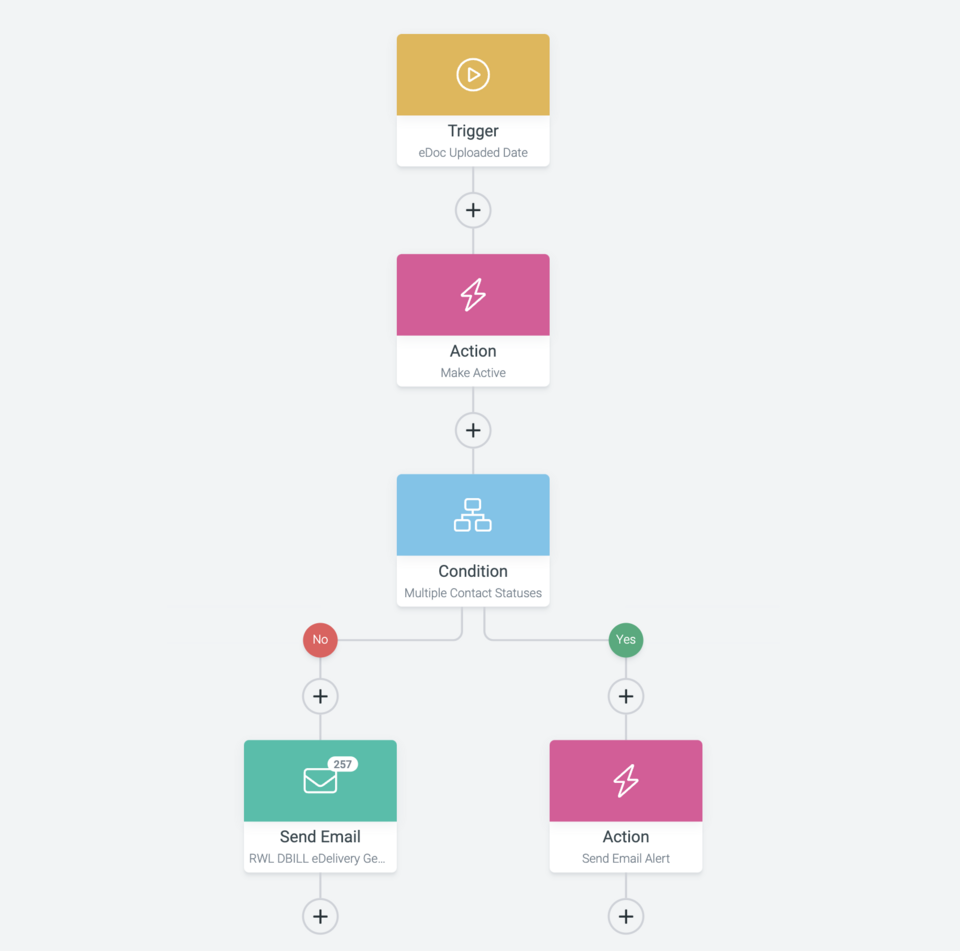 A mermaid flowchart: (Image: PathwayPort, CC0, via Wikimedia Commons)
flowchart TD
    A["Lead Enters (Website Form)"] --> B["Lead Scored (High/Medium/Low)"]
    B -->|"High"| C["Nurture Email Sequence"]
    B -->|"Medium"| D["Retargeting Ad"]
    B -->|"Low"| E["Abandoned Cart Email"]
    C --> F["Offer Demo"]
    D --> F
B. Customer Relationship Management (CRM)
Definition: A system to manage customer interactions, data, and relationships (e.g., Salesforce, Zoho CRM).
Components:
- Contact Management: Store customer details (e.g., Ncell’s subscriber database).
- Sales Automation: Track deals (e.g., Toyota’s car sales pipeline).
- Marketing Automation: Segment audiences (e.g., Daraz’s "frequent buyers" group).
- Analytics: Measure customer lifetime value (CLV).
WORKED EXAMPLE: Nabil Bank’s CRM
- Problem: Low customer retention in credit cards.
- Solution:
- Segmented emails: "Spend Rs. 20,000 this month, earn 5% cashback."
- Personalized offers: "We notice you love travel—here’s a hotel discount."
- Result: 25% increase in repeat usage.
C. Data Analytics & Big Data
Tools: Google Analytics, Tableau, Power BI. Key Metrics:
- KPIs: Conversion rate, CTR (click-through rate), ROI.
- Customer Journey Mapping: Track from first visit to purchase (e.g., Daraz’s funnel analysis).
journey
    title Customer Journey on Daraz
    section Awareness
      Make aware: Searches "laptop Nepal"
    section Consideration
      Research: Reads reviews on Daraz blog
      Compare: Views competitor prices
    section Decision
      Add to cart: Chooses Dell model
      Checkout: Abandons cart (trigger: email sent)
    section Retention
      Follow-up: 10% discount email
      Purchase: Completes order
D. E-Commerce & Digital Logistics
Platforms: Daraz, eSewa, Hamrobazaar. Key Features:
- Inventory Management: Real-time stock tracking (e.g., Daraz’s warehouse automation).
- Payment Gateways: Khalti, eSewa, IME Pay.
- Last-Mile Delivery: Partnering with local couriers (e.g., Pathao’s delivery service).
CASE STUDY: Daraz’s Logistics Innovation Challenge: Nepal’s fragmented delivery network. Solution:
- Hub-and-Spoke Model: Central warehouses in Kathmandu, Pokhara, Biratnagar.
- Micro-Fulfillment Centers: Local stores (e.g., grocery shops) stock Daraz items.
- Real-Time Tracking: SMS/email updates (e.g., "Your order is out for delivery"). Impact: Reduced delivery time from 7 days to 2–3 days in major cities.
4. Digital Marketing Strategies for Nepali Businesses
A. Social Media Strategies
| Platform | Best For | Nepali Example |
|---|---|---|
| Older demographics, community groups | Chaudhary Group’s product launches | |
| Visual products, influencers | Himalayan Java’s coffee aesthetics | |
| B2B marketing (e.g., corporate clients) | Nabil Bank’s financial webinars | |
| TikTok | Viral trends, Gen Z | Daraz’s "Unboxing" videos |
| YouTube | Tutorials, long-form content | NTC’s "How to install a smart meter" |
B. Content Marketing Examples
- Blogs: "How to Choose the Right Laptop in Nepal" (Daraz).
- Videos: "Behind the Scenes at Himalayan Java Farms" (YouTube).
- Podcasts: "Business with [Local Entrepreneur]" (Nepali platforms like Podcast Nepal).
C. Email Marketing Campaigns
- Welcome Series: eSewa’s "Get Started Guide."
- Abandoned Cart: Daraz’s "Forgot something?"
- Post-Purchase: Ncell’s "Here’s your new SIM card."
D. Influencer & Affiliate Marketing
- Micro-Influencers: Local bloggers promoting Daraz products.
- Affiliate Programs: "Earn 10% for every referral" (e.g., Khalti’s partner program).
5. Challenges of Digital Marketing in Nepal
| Challenge | Example | Solution |
|---|---|---|
| Low Internet Penetration | Rural areas (e.g., Far-West) | USSD services (Ncell), offline QR codes |
| Payment Barriers | Cash preference in villages | Khalti’s cash-on-delivery option |
| Cybersecurity Risks | Phishing scams (e.g., fake eSewa apps) | Two-factor authentication, awareness campaigns |
| Competition | Daraz vs. Hamrobazaar | Unique value props (e.g., Daraz’s cashback) |
| Regulatory Issues | Data privacy laws (e.g., customer data) | Compliance with Nepal’s IT Act 2006 |
6. Future Trends in Digital Marketing
- AI & Chatbots: Ncell’s AI-powered customer service.
- Voice Search Optimization: "Hey Google, best smartphone under Rs. 20,000."
- Augmented Reality (AR): IKEA’s app (Nepali startups like FurniNepal could adopt).
- Blockchain for Transparency: eSewa’s fraud detection.
- Personalization: Netflix-style recommendations (e.g., Daraz’s "Recommended for You").
## In the Real World
Daraz’s Digital Logistics
- Idea Used: Supply chain integration (warehousing + last-mile delivery).
- How: Partnered with local couriers and implemented real-time tracking via SMS. Reduced delivery time by 50% in Kathmandu.
- Impact: 30% increase in repeat orders from customers who track their packages.
Ncell’s Mobile-First Strategy
- Idea Used: USSD codes + mobile apps for financial services.
- How: Launched *123# for prepaid top-ups, reaching users without smartphones. Later added mobile banking via the Ncell app.
- Impact: 60% of rural subscribers now use digital payments (vs. 20% in 2018).
eSewa’s CRM-Driven Retention
- Idea Used: Personalized email/SMS nudges.
- How: Analyzed transaction data to send:
- "Your electricity bill is due—pay now and save 5%."
- "You haven’t used your loan limit—here’s a top-up offer."
- Impact: Reduced customer churn by 18% in 2023.
Himalayan Java’s Content Marketing
- Idea Used: SEO + YouTube tutorials.
- How: Published blogs like "How to Brew the Perfect Nepali Coffee" and videos on "Coffee Farming in Pokhara."
- Impact: Organic traffic increased by 250%, leading to direct sales via their website.
Pathao’s Driver-Centric App
- Idea Used: Gamification + real-time data.
- How: Used leaderboards (top drivers) and bonus payouts for on-time deliveries. Integrated GPS to show drivers optimal routes.
- Impact: 40% higher driver retention and 20% faster deliveries in peak hours.
## Exam Tip
Define Key Terms Precisely
- Digital Marketing: "The use of digital channels to promote products/services, analyze data, and engage customers in real time."
- CRM: "A technology-driven strategy to manage customer interactions, streamline processes, and improve profitability."
Link Theory to Nepali Examples
- Question: "Explain the marketing communication process."
- Answer Structure:
- Sender (Brand): Daraz
- Message: "Summer Sale—50% Off"
- Channel: Facebook/Email
- Receiver: Customer
- Feedback: Click-through, purchase, review
- Noise: Slow website, ad blockers
- Add: "Daraz uses A/B testing to optimize ad creatives, reducing noise by 15%."
Compare Traditional vs. Digital
- Always use a table (like above) and pick one Nepali company (e.g., NTC’s shift from print ads to Google Ads).
Case Study Approach
- For CRM, discuss Nabil Bank’s email automation.
- For e-commerce, analyze Daraz’s logistics model.
- For social media, explain Chaudhary Group’s Instagram strategy.
Diagrams = Extra Marks
- Draw customer journey maps, marketing funnels, or CRM workflows in exams. Label every step.
Common Pitfalls to Avoid
- ❌ Generic answers like "Digital marketing is important."
- ✅ Specific: "Nepal’s SMEs can use WhatsApp Business API to automate customer queries, reducing response time from 24 hours to under 5 minutes (case: local bakery in Lalitpur)."
Short-Answer Tips
- Define Marketing Mix: "4Ps (Product, Price, Place, Promotion) + 3 additional Ps in digital: People, Process, Physical Evidence (e.g., Daraz’s customer service team)."
- Market Segmentation: "Nepal’s market is segmented by geography (urban vs. rural), income (Rs. 20k vs. Rs. 50k/month), and digital literacy (smartphone vs. feature phone users)."
Final Note: Digital marketing in Nepal is not just about ads—it’s about solving real problems (e.g., Daraz’s logistics, Ncell’s USSD). Always tie your answers to local businesses and data-driven results.
Based on the TU BBS syllabus for Fundamentals Of Marketing (MGT214), unit 10.
Discussion
Loading…