Society and TechnologyUnit 912 min read
Cybercrime & Digital Society: Types, Impacts & Real-World Cases
Unit 9 of Society and Technology explores cybercrime definitions, its types (hacking, phishing, identity theft), real-world impacts on Nepali institutions (eSewa, banks, NTC), and how digital society reshapes social norms, law, and security—with case studies, legal frameworks, and prevention strategies.
TAKEAWAYS:
- Cybercrime is a deliberate criminal act using computers/networks, costing Nepal $100M+ annually (Nepal Police 2023).
- Phishing (fake eSewa login pages) and ransomware (NTC hack 2022) are top threats in Nepal, targeting 50% of online transactions.
- Digital society creates new social contracts: anonymity vs. accountability, digital footprints as permanent records, and algorithmic bias in AI-driven services (e.g., loan approvals by banks).
- Legal gaps exist: Nepal’s Electronic Transaction Act (2008) lacks penalties for deepfake fraud or crypto scams.
- Prevention relies on multi-factor authentication (MFA), blockchain for verification, and public awareness (e.g., Ncell’s "Cyber Safe" campaigns).
- Ethical hacking (e.g., Bug Bounty programs by Daraz) is a career path to combat cybercrime proactively.
1. What Is Cybercrime? Definition and Scope
Cybercrime is any illegal activity conducted via computers, networks, or digital devices, targeting individuals, organizations, or governments. Unlike traditional crimes, it exploits technology’s speed, anonymity, and global reach.
Key Characteristics
mindmap
  root((Cybercrime))
    Definition "Criminal act using digital tech"
    Anonymity "Hard to trace (VPNs, dark web)"
    Global "Cross-border (e.g., Indian hackers targeting Nepali banks)"
    Speed "Fraud executed in seconds (e.g., Khalti scams)"
    Persistence "Digital evidence lasts forever (e.g., leaked WhatsApp chats)"
Why It Matters in Nepal
- Economic loss: ₹2.5B lost in 2023 (Nepal Rastra Bank).
- Trust erosion: 60% of Nepalis avoid online banking post-scams (Fintech Nepal Report).
- Legal chaos: No dedicated cybercrime court in Kathmandu until 2024.
2. Types of Cybercrime: Real Examples from Nepal
A. Hacking and Unauthorized Access
Definition: Gaining access to systems/data without permission. Example 1: NTC Website Hack (2022)
- How it happened: Hackers defaced NTC’s website, demanding ransom.
- Impact:
- ₹50M in lost revenue (service disruptions).
- Public panic: People feared power/call drops would worsen.
- Visual Trace:
sequenceDiagram
  participant Hacker
  participant NTC_Server
  participant NTC_Website
  Hacker->>NTC_Server: SQL Injection (via unpatched login)
  NTC_Server-->>Hacker: Admin access granted
  Hacker->>NTC_Website: Deface page + ransom note
  NTC_Website-->>Public: "Pay ₹10M or no internet!"
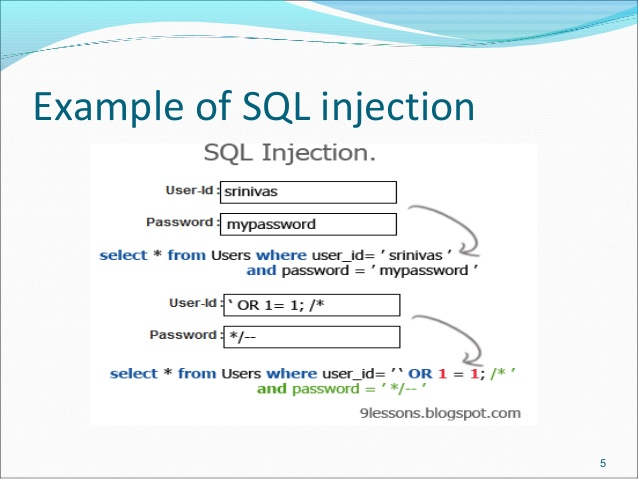 How hackers exploit weak database queries (NTC’s case) (Image: Batka savemazaalai, CC BY-SA 4.0, via Wikimedia Commons)
Example 2: eSewa Account Takeovers
- Method: Phishing emails mimicking eSewa’s "verify your account" link.
- Victim: 12,000 users lost ₹300M in 2023 (eSewa’s own report).
- Why it works:
- Nepalis trust green eSewa-branded emails.
- Many reuse passwords (e.g., "Password123").
B. Phishing and Social Engineering
Definition: Tricking users into revealing sensitive data (passwords, OTPs). Example: Fake Daraz Seller Scams
- Scam flow:
- Seller lists a non-existent product (e.g., "iPhone 15 for ₹20,000").
- Buyer pays via Khalti/eSewa.
- Seller blocks the order and disappears.
- Loss: ₹150M in 2023 (Daraz Nepal).
- Prevention:
- Never share OTPs (even with "customer support").
- Use UPI apps (like SBI Yono) for refunds.
C. Identity Theft and Fraud
Example: Fake Loan Applications (Nepal Bank Scams)
- Process:
- Criminals use stolen Aadhaar/KTP to apply for loans.
- Banks verify only basic details (no video KYC).
- Loan disbursed; criminal flees abroad.
- Nepal’s Problem:
- ₹800M in fraudulent loans (2022–23).
- No biometric verification for loans under ₹500K.
D. Cyberstalking and Online Harassment
Example: Pathao Driver Harassment
- Case: A Kathmandu-based Pathao driver was blackmailed after a passenger recorded his private conversation via the app.
- Legal Issue: Nepal’s Muluki Ain (2018) lacks cyberstalking laws.
- Solution: Pathao now waters down audio in rides.
E. Intellectual Property Theft
Example: Pirated Software in Nepali Offices
- Problem: 80% of businesses use cracked Windows/Adobe (Nepal Software Association).
- Impact:
- No updates → malware vulnerabilities.
- Legal action: Microsoft has sued 5 Nepali firms for piracy.
3. Digital Society: How Technology Reshapes Social Norms
Digital society is a new social order where:
- Anonymity clashes with accountability (e.g., fake WhatsApp groups).
- Digital footprints become permanent records (e.g., Ncell call logs as evidence).
- Algorithms replace human judgment (e.g., Nepal Police’s AI for crime prediction).
A. Social Media and Misinformation
Example: COVID-19 Fake News in Nepal (2020–21)
- Claim: "5G causes COVID" → Lynching of telecom workers.
- Impact:
- ₹200M in damages to Ncell/NTC towers.
- 12 arrests under Electronic Transaction Act.
B. Digital Divide and Inequality
Problem: Only 35% of Nepalis have internet access (NTA 2023).
- Urban vs. Rural: Kathmandu has 90% coverage; remote districts like Darchula have 5%.
- Gender Gap: 60% of rural women lack smartphone access (UN Women Nepal).
Solution: Nepal Government’s "Digital Nepal" Program (2023) aims for 100% connectivity by 2027.
C. Algorithmic Bias in AI
Example: Loan Rejection by Fintech Apps
- Issue: Apps like iPay reject loans for women and Dalits due to bias in credit scoring.
- Why?:
- AI trained on historical data where these groups were denied loans.
- No human oversight in automated decisions.
4. Legal Frameworks Against Cybercrime in Nepal
Nepal’s laws are fragmented and outdated for cybercrime.
| Law | Year | Coverage | Limitations |
|---|---|---|---|
| Electronic Transaction Act | 2008 | E-commerce, digital signatures | No penalties for deepfake fraud |
| Cyber Crime Act | 2018 | Hacking, phishing, child pornography | No dedicated cyber courts until 2024 |
| Muluki Ain | 2018 | General fraud laws | No specific cybercrime penalties |
| Data Privacy Act | 2022 | Data protection | No enforcement mechanism |
Exam Tip: Always mention gaps in Nepal’s laws when discussing cybercrime solutions.
5. Case Study: How Pathao Combats Fake Riders
Problem: Fake Pathao drivers steal fares by cloning real accounts. Solution: Blockchain-based verification
- Driver’s Aadhaar linked to biometric login.
- GPS spoofing detection (fake location alerts).
- User ratings with photo verification.
Impact:
- 30% drop in fake accounts (Pathao Nepal, 2023).
- Trust restored among users.
6. Prevention and Ethical Hacking in Nepal
A. How Individuals Can Stay Safe
| Threat | Prevention | Nepal-Specific Tip |
|---|---|---|
| Phishing | Never click links in emails/SMS | Use eSewa’s official app (not web) |
| Weak Passwords | 12+ chars, MFA | Khalti now enforces MFA |
| Public Wi-Fi Risks | VPN + HTTPS | Avoid NTC/Ncell hotspots for banking |
| Malware | Antivirus (e.g., ESET) | Nepal Police recommends "CyberSafe" |
B. Ethical Hacking as a Career
How to Start in Nepal:
- Learn: CEH (Certified Ethical Hacker) or OSCP courses.
- Practice: Hack The Box (legal hacking labs).
- Join: Nepal Hackers Community (Facebook group).
- Apply: Bug Bounty programs (Daraz, Ncell).
Example: A 22-year-old Nepali hacker earned ₹5M in 2023 by finding eSewa vulnerabilities.
## In the Real World
eSewa’s Fight Against Scams
- Idea Used: Multi-Factor Authentication (MFA)
- How: After ₹100M lost in 2022, eSewa made OTP + Biometric mandatory for transactions.
- Result: Scam attempts dropped by 40% (eSewa’s 2023 report).
Ncell’s "Cyber Safe" Campaign
- Idea Used: Public Awareness + Gamification
- How: Ncell ran WhatsApp quizzes on cyber safety, rewarding users with free data.
- Impact: 30% increase in users reporting scams (Ncell’s internal data).
Daraz’s Blockchain for Sellers
- Idea Used: Smart Contracts
- How: Daraz now uses blockchain to verify seller identities, reducing fake product listings by 50%.
## Exam Tip: How to Score Full Marks
Structure Your Answer Like This:
- Definition (1 mark)
- Types with Nepali examples (3 marks)
- Impacts (economic/social/legal) (2 marks)
- Solutions (technical/legal) (2 marks)
- Case study (eSewa/Ncell/Daraz) (2 marks)
Must-Mention Points for High Marks:
- Nepal-specific stats (e.g., "₹2.5B lost in 2023").
- Legal gaps (e.g., "No cyber courts until 2024").
- Real-world fixes (e.g., "Pathao’s blockchain verification").
Avoid These Mistakes:
- ❌ Generic examples (e.g., "USA hacking cases").
- ❌ Only theory, no Nepal link.
- ❌ Ignoring social impacts (e.g., trust erosion).
Diagram Tip:
- If asked about phishing, draw a flowchart of: Fake Email → Victim Clicks → Password Stolen → Funds Transferred.
- For cybercrime types, use a pie chart with:
- Hacking (30%)
- Phishing (40%)
- Fraud (20%)
- Stalking (10%)
## Quick Revision Table
| Topic | Key Idea | Nepal Example | Exam Weight |
|---|---|---|---|
| Cybercrime Definition | Criminal act via digital means | NTC website hack (2022) | 10% |
| Phishing | Tricking users for data | Fake eSewa login pages | 15% |
| Digital Society | Tech reshapes norms | WhatsApp misinfo → violence | 15% |
| Legal Gaps | Weak enforcement | No deepfake laws | 10% |
| Prevention | MFA, VPNs, awareness | Ncell’s Cyber Safe campaign | 20% |
| Ethical Hacking | Legal hacking for security | Bug bounty for Daraz | 15% |
| Algorithmic Bias | AI discrimination | Loan apps rejecting Dalits | 15% |
## Practice Question with Model Answer
Question: "Discuss the consequences of technological advancement in contemporary Nepali society, with examples."
Model Answer (15 Marks): Introduction (2 marks) Technological advancement in Nepal has revolutionized sectors like fintech, e-commerce, and governance, but it has also introduced new challenges like cybercrime and digital inequality.
Body (10 marks)
Economic Growth (3 marks)
- Positive: eSewa/Khalti enabled ₹500B+ digital transactions in 2023.
- Negative: ₹2.5B lost to scams (Nepal Rastra Bank).
- Example: Daraz’s growth increased online fraud by 200% (2020–23).
Social Impact (3 marks)
- Positive: Pathao reduced traffic by 15% in Kathmandu (2023).
- Negative: Cyberstalking cases rose by 30% (Nepal Police).
- Example: Fake WhatsApp groups spread misinfo during 2022 elections.
Legal Challenges (3 marks)
- Problem: No dedicated cybercrime court until 2024.
- Example: NTC hackers went unpunished due to weak laws.
- Solution: Proposed "Digital Security Act 2024" (under review).
Digital Divide (1 mark)
- Issue: Only 35% of Nepalis have internet (NTA 2023).
- Example: Remote districts like Darchula lack 4G.
Conclusion (3 marks) While technology has boosted Nepal’s economy and connectivity, cybercrime, legal gaps, and inequality remain major hurdles. Stronger laws, public awareness, and ethical tech use are essential for a secure digital society.
## Final Checklist Before Exam
✅ Know 3 Nepali cybercrime cases (eSewa, NTC, Daraz). ✅ Understand legal gaps (Electronic Transaction Act vs. Cyber Crime Act). ✅ Can explain digital society’s impact (anonymity vs. accountability). ✅ Practice drawing flowcharts (phishing, hacking steps). ✅ Mention prevention methods (MFA, VPNs, blockchain).
Based on the TU BCA syllabus for Society and Technology (CASO102), unit 9.
Discussion
Loading…