EnglishUnit 58 min read
Short Stories: Structure, Themes & Analysis
Unit 5 of English explores the art of short stories, covering their structure, key elements, thematic analysis, and writing techniques, with real-world applications in tourism narratives and exam-focused strategies.
What is a Short Story?
A short story is a brief work of fiction that typically focuses on a single event, character, or idea. Unlike novels, it is concise, often with a clear beginning, middle, and end. Short stories are widely used in literature, journalism, and even tourism marketing to convey messages effectively.
Key Elements of a Short Story
- Plot: The sequence of events in the story.
- Characters: The people (or animals) involved in the story.
- Setting: The time and place where the story occurs.
- Theme: The central idea or message (e.g., love, betrayal, adventure).
- Point of View (POV): The perspective from which the story is told (first-person, second-person, third-person limited/omniscient).
- Style & Tone: The author’s writing style and emotional tone.
Structure of a Short Story
Most short stories follow a narrative arc with these key parts:
| Part | Description | Example (from a Tourism Context) |
|---|---|---|
| Exposition | Introduces characters, setting, and background. | "In the bustling streets of Kathmandu, a young porter named Raju dreamed of escaping poverty." |
| Rising Action | Events that build tension and develop the conflict. | "When a foreign tourist offered him a job as a guide, Raju hesitated—would this change his life?" |
| Climax | The turning point; the most intense moment. | "Raju discovered the tourist was a fraud, but instead of stealing, he helped her find her lost passport." |
| Falling Action | Events that resolve the conflict after the climax. | "The tourist, moved by Raju’s honesty, hired him as a full-time guide." |
| Resolution | The ending; how the story concludes. | "A year later, Raju opened his own tour agency, proving that honesty leads to success." |
Types of Short Stories in Tourism Context
Short stories in tourism often focus on:
- Cultural Experiences (e.g., a Nepali family’s struggle to preserve their heritage).
- Adventure & Exploration (e.g., a trekker’s unexpected encounter in the Himalayas).
- Social Issues (e.g., child labor in the tourism industry).
Example: A Short Story on Sustainable Tourism
**Title: "The Last Guide of Annapurna"**

In the shadow of Annapurna, old Bhimsen had guided trekkers for 40 years. But as plastic waste piled up in his village, he noticed fewer tourists returning. One day, a young environmentalist, Priya, arrived. Instead of just paying for a guide, she asked, *"What if we clean the trails together?"*

Bhimsen hesitated—his income depended on trekkers. But Priya showed him how eco-friendly trekking could attract more visitors. By the end of the season, their "Green Trail" initiative had gone viral. Tourists now paid extra to keep the mountains clean, and Bhimsen’s grandchildren learned to protect nature before they earned from it.

**Theme:** *Sustainability in tourism can create long-term benefits.*
How to Analyze a Short Story
When reading or writing a short story, ask:
- What is the central conflict? (e.g., man vs. nature, man vs. society)
- How does the setting influence the characters? (e.g., poverty in Kathmandu vs. luxury in Thamel)
- What is the moral or lesson? (e.g., honesty, perseverance)
- How does the ending reflect the theme?
Comparison Table: First-Person vs. Third-Person POV
| Aspect | First-Person POV | Third-Person POV |
|---|---|---|
| Narrator | "I" (character in the story) | "He/She/They" (outsider) |
| Perspective | Limited to one character’s thoughts/feelings | Can reveal multiple characters’ thoughts |
| Example | "I had never seen snow until I trekked to Everest Base Camp." | "The porter watched as the tourist slipped on the icy trail." |
| Best For | Personal, emotional stories | Broad, objective storytelling |
Writing a Short Story for Exams
To score well in exams, follow this step-by-step approach:
Step 1: Choose a Theme Relevant to Tourism
- Possible Themes:
- Cultural preservation (e.g., Newari traditions in Bhaktapur).
- Challenges faced by tourism workers (e.g., guides, porters).
- Environmental impact of tourism (e.g., plastic pollution in Pokhara).
Step 2: Develop Characters with Depth
- Give them motivations, flaws, and growth.
- Example:
- A porter who wants to send his child to school but struggles with low wages.
- A foreign tourist who learns the value of local traditions.
Step 3: Build Suspense & Conflict
- Use dialogue, descriptions, and unexpected twists.
- Example:
- "The tourist’s lost wallet contained photos of her sick child—Raju could have kept it, but he returned it instead."
Step 4: Write a Strong Ending
- Open-ended: Leaves the reader thinking (e.g., "Will Raju’s honesty change the industry?").
- Closed-ended: Resolves the conflict clearly (e.g., "Raju’s honesty led to a new eco-friendly tour business.").
Real-World Applications in Nepal’s Tourism Industry
1. Storytelling in Tourism Marketing (eSewa & Daraz)
- How? Companies like eSewa and Daraz use short stories in ads to connect emotionally with customers.
- Example: A Daraz ad might tell the story of a young entrepreneur who started selling handmade Thangka paintings online, inspiring others to join the digital economy.
- Why? Stories make products memorable and build trust.
2. Preserving Local Narratives (Nepal Tourism Board’s Campaigns)
- How? The Nepal Tourism Board often shares stories of local guides, homestays, and cultural festivals to promote authentic tourism.
- Example: A short story about a Tamang family who opened their home to foreign trekkers, showing how tourism can strengthen communities.
- Why? It encourages responsible tourism by highlighting real experiences.
3. Conflict Resolution in Tourism (Pathao & Traffic Issues in Kathmandu)
- How? Pathao (a ride-hailing app) could use a short story to explain how traffic congestion affects tourism and how their app helps.
- Example:
"In the chaotic streets of Thamel, a tourist missed her flight because of endless traffic. But when she tried Pathao, she reached the airport on time—thanks to real-time route optimization."
- Example:
- Why? It solves a real problem while promoting the service.
Common Mistakes to Avoid
❌ Overly long descriptions – Short stories should be concise. ❌ Weak character development – Readers should care about the characters. ❌ Predictable endings – Surprise the reader with a twist or lesson. ❌ Ignoring the setting – The place and time should matter to the story.
Exam Tip: How to Score Full Marks
- Understand the Question – If asked to "write a short story on cultural tourism," focus on traditions, conflicts, and resolutions related to culture.
- Structure Matters – Follow exposition → rising action → climax → resolution.
- Use Dialogue – Makes the story lively and realistic.
- Example:
"‘Why do you charge extra for organic tea?’ the tourist asked. ‘Because our farmers work hard to keep the soil clean,’ replied the guide."
- Example:
- Link to Tourism – Even if the story is fictional, connect it to real tourism issues (e.g., over-tourism, cultural exploitation).
- Proofread for Errors – Check grammar, spelling, and punctuation—examiners deduct marks for mistakes.
Sample Exam Answer (Outline for 10 Marks)
Question: Write a short story on the challenges faced by a local guide in Kathmandu.
Answer Structure:
- Introduction – Introduce the guide (e.g., "Laxman, a 30-year-old Newari guide, had worked in Thamel for a decade.")
- Conflict – His income is unstable due to fake guides and seasonality.
- Climax – He meets a travel blogger who offers to promote authentic guides on social media.
- Resolution – Laxman starts a WhatsApp group for local guides, increasing their earnings.
- Theme – "Honesty and community support can overcome tourism’s challenges."
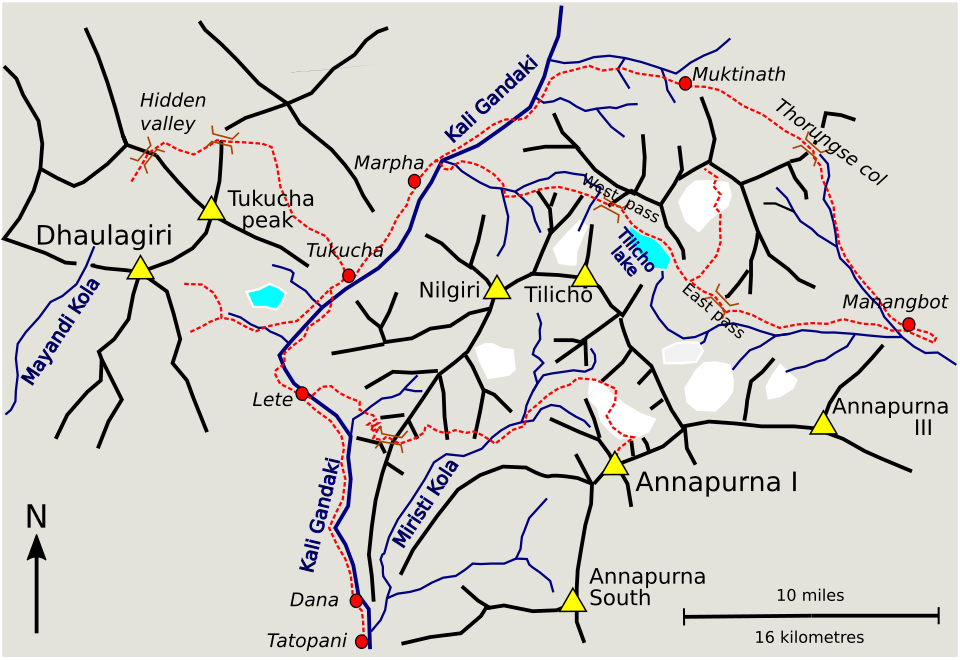 Setting for a tourism-themed short story (Image: Thincat, CC BY-SA 4.0, via Wikimedia Commons)
Based on the TU BTTM syllabus for English, unit 5.
Discussion
Loading…