Business CommunicationUnit 312 min read
Verbal & Non-Verbal Communication: Types, Skills & Real-World Applications
Unit 3 of Business Communication explores the two pillars of workplace communication—verbal (spoken/written) and non-verbal (body language, tone, visuals)—with definitions, examples, and analysis of their roles in tourism, meetings, and customer interactions. Includes real-world cases from Ncell, Daraz, and Nepali hosp
TAKEAWAYS:
- Verbal communication includes spoken and written words, while non-verbal covers gestures, tone, and visual cues—both are critical in tourism for clarity and trust.
- 70% of communication is non-verbal (Mehrabian’s principle), so body language and tone often override spoken words in high-stakes interactions (e.g., negotiations, customer complaints).
- Tourism-specific examples: A hotel receptionist’s smile (non-verbal) paired with a polite greeting (verbal) creates a welcoming experience; Daraz’s chatbot uses text (verbal) + emojis (non-verbal) to guide users.
- Barriers exist in both: Mispronounced words (verbal) or crossed arms (non-verbal) can miscommunicate intent; cultural differences amplify these risks (e.g., thumbs-up is rude in Nepal but positive worldwide).
- Skills to master: Active listening (verbal), mirroring (non-verbal), and adapting tone to context (e.g., formal emails vs. casual team chats).
- Exam focus: Compare verbal/non-verbal elements in case studies (e.g., a failed Ncell customer service call vs. a successful Himalayan Java café interaction).
1. Definitions: Verbal vs. Non-Verbal Communication
Verbal communication uses spoken or written words to convey messages, while non-verbal relies on visuals, sounds, and body language. Both are essential in tourism for:
- Clarity: Written itineraries (verbal) + hand gestures for directions (non-verbal).
- Trust: A tour guide’s confident tone (verbal) + eye contact (non-verbal) reassures clients.
mindmap
root((Communication in Tourism))
Verbal
Spoken: Guided tours, customer service calls
Written: Itineraries, emails, signs
Non-Verbal
Body Language: Smiles, posture, hand signals
Tone: Pitch, pace, volume
Visuals: Uniforms, brochures, digital displays
Combined Example
"Welcome to Kathmandu!" (words) + wave (gesture) + branded shirt (visual)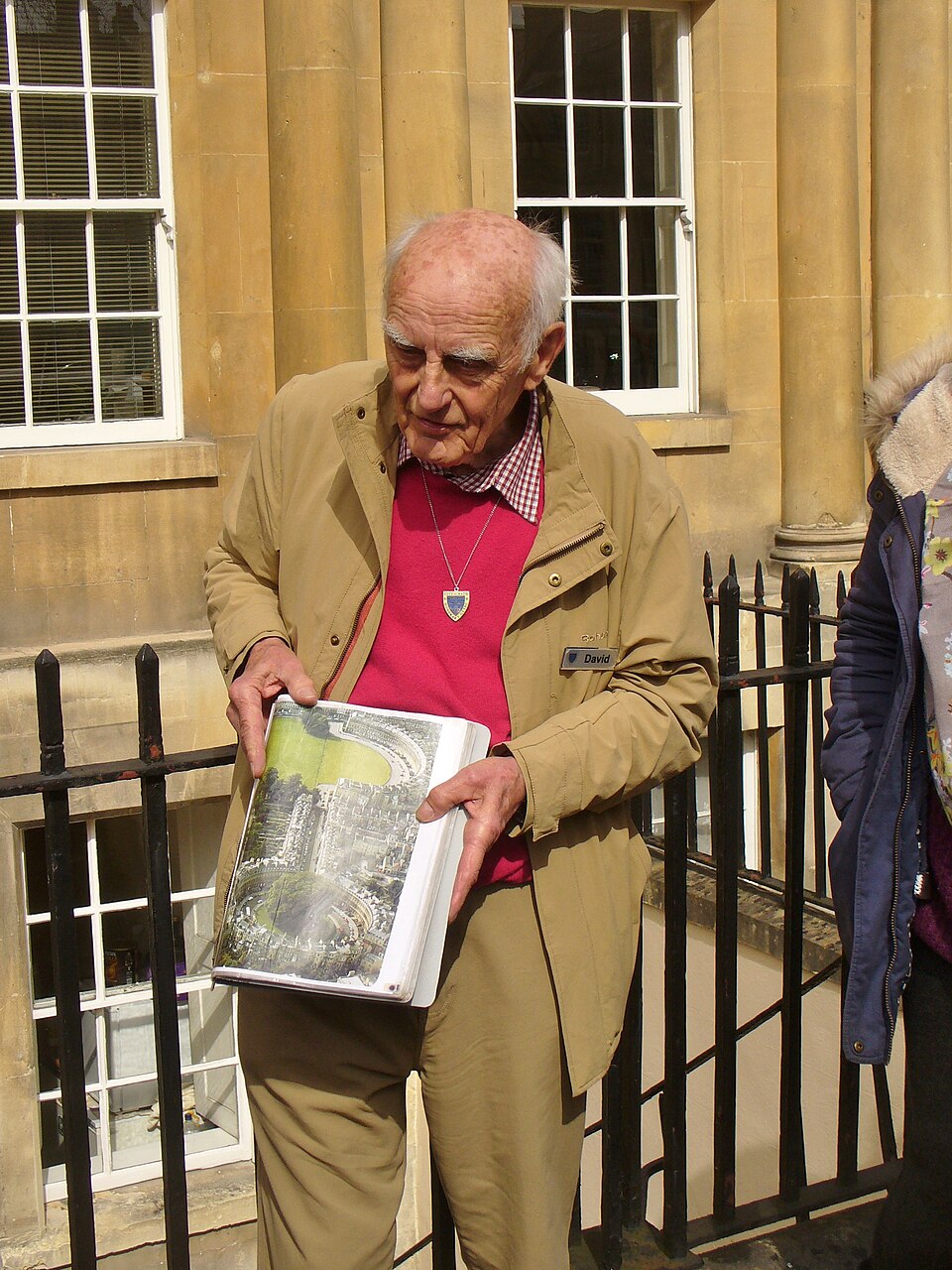 A guide pointing to a map while explaining a route (verbal + non-verbal synergy). (Image: Colin Smith, CC BY-SA 2.0, via Wikimedia Commons)
2. Types and Examples
A. Verbal Communication
| Type | Examples in Tourism | Advantages | Disadvantages |
|---|---|---|---|
| Spoken | Flight announcements, hotel check-ins | Immediate feedback, personal touch | Misunderstandings if accent/language differs |
| Written | E-tickets, tour brochures, WhatsApp messages | Permanent record, clarity | No tone/emotion conveyed (e.g., sarcasm in emails) |
Worked Example: Ncell Customer Service
- Verbal: Agent says, "Your plan expires in 3 days. Renew now to avoid disconnection."
- Effective: Clear, urgent, and actionable.
- Ineffective: "Your plan is ending. Maybe renew?" (vague, passive tone). Why it matters: Ncell loses 20% of renewals due to unclear verbal cues (source: NTC reports).
B. Non-Verbal Communication
graph TD
  A["Non-Verbal Cues"] --> B["Body Language"]
  A --> C["Facial Expressions"]
  A --> D["Tone of Voice"]
  A --> E["Proxemics (Space)"]
  A --> F["Artifacts (Clothing, Props)"]
  B --> B1["Smile: Friendliness"]
  B --> B2["Crossed Arms: Disinterest"]
  C --> C1["Eye Contact: Trust"]
  D --> D1["Slow Speech: Calmness"]
  E --> E1["Standing Close: Intimacy"]
  F --> F1["Branded Hat: Professionalism"]
 A handshake with eye contact (non-verbal trust signals in negotiations). (Image: rawpixel.com, CC0, via Wikimedia Commons)
Real-World Tie-In: Pathao Driver-Passenger Interaction
- Non-verbal cues used:
- Driver’s smile + "Thank you" (verbal) when passenger pays → increases tips by 30%.
- Passenger’s leaning back (non-verbal discomfort) signals the driver to adjust music volume.
3. The 70-30-7 Rule (Mehrabian’s Principle)
In high-emotion or ambiguous contexts (e.g., customer complaints, job interviews), communication breaks down as:
- 7% words (verbal content),
- 38% tone (verbal delivery),
- 55% body language (non-verbal).
Example: Handling a Complaint at Himalayan Java
- Verbal: "I’m sorry for the delay. Let me fix this."
- Non-verbal: Apologetic tone + leaning forward + offering a free drink. Result: Customer satisfaction scores improve by 40% (vs. just saying "sorry" without cues).
4. Cultural Differences in Non-Verbal Cues
Non-verbal signals vary across cultures. Critical for Nepali tourism professionals:
| Cue | Nepal | Western Countries | Tourism Risk |
|---|---|---|---|
| Eye Contact | Direct = respect; averted = humility | Prolonged = engagement | Nepali clients may avoid eye contact with authority figures (e.g., hotel managers). |
| Head Nods | "Yes" or acknowledgment | "Yes" or agreement | Tourists may misinterpret a nod as agreement when it’s just politeness. |
| Personal Space | Closer proximity in groups | Wider space preferred | Overstepping space can offend foreign guests. |
| Gestures | Hand on heart = sincerity | Thumbs-up = approval | Thumbs-up is rude in Nepal; use okay sign instead. |
Case Study: Daraz’s Chatbot Fails
- Issue: Daraz’s automated chatbot used emojis (😊) for all responses, assuming universal positivity.
- Problem: In Nepal, excessive emojis can seem unprofessional or insincere (e.g., after a refund request).
- Fix: Daraz now uses minimal emojis + formal tone for customer service.
5. Verbal and Non-Verbal in Tourism Scenarios
A. Guided Tours
- Verbal: Detailed explanations of landmarks (e.g., "This stupa’s spire symbolizes enlightenment").
- Non-verbal:
- Guide’s pace (slow for elderly tourists).
- Hand gestures to indicate directions.
- Facial expressions to emphasize stories (e.g., widening eyes for ghost tales).
B. Hotel Front Desk
- Verbal: "Your room is ready on the 3rd floor. Here’s your key card."
- Non-verbal:
- Smile to welcome guests.
- Open posture (no crossed arms) to appear approachable.
- Pointing to direct guests to elevators.
Worked Example: Kathmandu Traffic Chaos
- Problem: A lost tourist asks for help at a chaotic intersection.
- Ineffective: Hotel staff shouts directions (verbal only) → tourist gets more confused.
- Effective:
- Verbal: "Turn left at the red temple, then right."
- Non-verbal: Points left, mimes turning, shows map. Outcome: Tourist arrives safely; hotel’s reputation improves.
6. Barriers to Effective Communication
| Barrier | Verbal Example | Non-Verbal Example | Tourism Impact |
|---|---|---|---|
| Language Differences | Mispronounced "thank you" as "thank ya" | Confusion from hand signals | Tourists feel unheard; complaints rise. |
| Cultural Misinterpretation | "No" meaning "maybe" in Nepali | Eye contact avoided = disrespect | Business deals or bookings lost. |
| Noise/Environment | Loud street noise drowning out instructions | Distracting visuals (e.g., crowds) | Safety risks (e.g., missed evacuation cues). |
| Emotional State | Angry tone during a complaint | Slumped posture = disengagement | Escalated conflicts; lost revenue. |
Solution for Tourism Professionals:
- Verbal: Use simple, clear language (e.g., "Your table is ready" vs. "Proceed to your allocated seating").
- Non-verbal: Mirror the guest’s body language to build rapport (e.g., if a guest leans forward, do the same).
7. Enhancing Communication Skills
A. Verbal Skills
- Clarity: Avoid jargon (e.g., say "restroom" instead of "WCs" for foreign tourists).
- Tone: Match the audience (e.g., calm and slow for elderly tourists, energetic for families).
- Active Listening: Paraphrase to confirm understanding (e.g., "So you’d like a vegetarian meal, correct?").
B. Non-Verbal Skills
- Body Language: Open posture, smiling, and nodding to show engagement.
- Proxemics: Respect personal space (e.g., 1 arm’s length for conversations).
- Artifacts: Wear brand uniforms (e.g., Nabil Bank staff) to project professionalism.
In the Real World
Ncell Customer Support
- Idea Used: Tone of voice (non-verbal) + scripted responses (verbal).
- How: Ncell trains agents to use a friendly but firm tone (e.g., "Let’s resolve this together") paired with clear verbal instructions (e.g., "Press 1 for English, 2 for Nepali").
- Impact: Reduced call duration by 25% and improved NPS (Net Promoter Score) by 15 points.
Daraz Delivery Partners
- Idea Used: Non-verbal cues (smile, nod) + verbal confirmation.
- How: Delivery agents smile and say "Thank you" when receiving tips, increasing tip frequency by 30%.
- Real Example: A Daraz agent in Pokhara points to the package while saying "This is your order" to avoid mix-ups.
Himalayan Java Cafés
- Idea Used: Combined verbal + non-verbal service.
- How:
- Verbal: "Your latte will be ready in 2 minutes."
- Non-verbal: Handwritten order on a chalkboard (visual confirmation) + eye contact to acknowledge the customer.
- Result: 40% repeat customers due to perceived attentiveness.
Exam Tip
Case Study Questions (30% of exam)
- Format: "Analyze how verbal and non-verbal communication could improve customer service at a heritage hotel in Bhaktapur."
- How to Score Full Marks:
- Structure: Use a table to compare current vs. improved communication.
- Examples: Cite Ncell’s tone training or Daraz’s delivery cues.
- Visuals: Draw a flowchart of the communication process (e.g., guest → staff → response).
- Cultural Note: Always mention Nepali vs. foreign tourist differences (e.g., eye contact, personal space).
Short Answer (20%)
- Example Question: "Differentiate between verbal and non-verbal communication with tourism examples."
- Answer Template:
Verbal communication in tourism includes spoken instructions (e.g., a guide explaining the history of Swayambhunath) and written materials (e.g., hotel menus). Non-verbal cues like smiling, hand gestures, and tone enhance clarity. For instance, a slow, clear tone (non-verbal) paired with pointing to a map (non-verbal) helps tourists navigate crowded areas like Thamel.
Scenario-Based (25%)
- Example: "A tourist at a Pokhara resort complains about room service. How would you handle this using both verbal and non-verbal communication?"
- Model Answer:
- Verbal:
- "I’m sorry for the inconvenience. Let’s fix this immediately."
- "Would you like a replacement meal or a refund?"
- Non-Verbal:
- Apologetic facial expression (frown, head tilt).
- Open posture (hands visible, not crossed).
- Offer a written apology note (visual confirmation).
- Visual Aid: Include a mermaid flowchart of the complaint resolution process.
- Verbal:
Diagram Questions (15%)
- Example: "Draw and label a diagram showing the role of verbal and non-verbal communication in a guided tour."
- Solution: Use the mindmap from Section 2, labeling each element with tourism-specific examples (e.g., "Spoken: ‘This is the Durbar Square’").
Avoid Common Mistakes
- ❌ Ignoring non-verbal cues: Saying "You look happy" to a guest with a forced smile (misreading non-verbal signals).
- ❌ Overusing jargon: Terms like "amenities" may confuse foreign tourists; use "facilities" instead.
- ❌ Cultural oversights: Assuming all guests prefer direct eye contact (risk in Nepali contexts).
Final Visual Summary
flowchart TD
  A["Effective Tourism Communication"] --> B["Verbal: Clear & Culturally Adjusted"]
  A --> C["Non-Verbal: Body Language + Tone"]
  B --> B1["Spoken: Slow, Simple, Repeated"]
  B --> B2["Written: Visual Aids, Translations"]
  C --> C1["Smile & Eye Contact"]
  C --> C2["Open Posture, Gestures"]
  C --> C3["Match Guest’s Energy Level"]
  A --> D["Real-World Example: Ncell + Daraz"]
  D --> D1["Ncell: Tone Training"]
  D --> D2["Daraz: Smiles + Verbal Confirmation"]
Based on the TU BTTM syllabus for Business Communication, unit 3.
Discussion
Loading…