Culture And Social Psychology For TourismUnit 410 min read
Motivation & Segmentation in Tourism: Models, Needs & Market Divides
Unit 4 of Culture And Social Psychology For Tourism dissects why tourists travel (push/pull factors, Maslow’s hierarchy, Vroom’s expectancy theory) and how to group them (demographics, psychographics, commonsense segmentation) to tailor products—critical for marketing in Nepal’s tourism boom (e.g., Daraz’s customer seg
TAKEAWAYS:
- Tourist motivation blends push (personal needs) and pull (destination appeal) factors, explained by Maslow’s hierarchy and Vroom’s expectancy theory.
- Commonsense segmentation divides tourists by observable traits (age, income, travel style) to create targeted marketing campaigns.
- The product adoption curve (innovators → laggards) helps destinations like Pokhara plan phased promotions for new attractions.
- Psychographic segmentation (values, lifestyles) explains why backpackers choose trekking over luxury resorts.
- Perpetual tourism (repeat visits) is driven by emotional bonds (e.g., Kathmandu’s heritage pull) and convenience (e.g., eSewa’s seamless payments).
- Worked examples: Daraz’s flash sales target impulse buyers; Ncell’s data plans segment by usage patterns.
1. Defining Tourist Motivation: Why Do People Travel?
Tourism isn’t just about sightseeing—it’s a psychological escape from routine. Motivation theory splits into two core categories:
A. Push Factors (Internal Drives)
These stem from the traveler’s personal state. Think of them as the "why" behind the trip.
graph TD
    A["Push Factors"] --> B["Physiological Needs"]
    A --> C["Safety & Security"]
    A --> D["Social Needs"]
    A --> E["Esteem Needs"]
A --> F["Self-Actualization"]- Physiological Needs: Avoiding stress (e.g., a Kathmandu office worker booking a Pokhara retreat to escape pollution).
- Safety/Security: Fear of crime (e.g., foreigners avoiding certain Kathmandu areas).
- Social Needs: Family reunions (e.g., Nepali diaspora returning to Chitwan for festivals).
- Esteem Needs: Status symbols (e.g., luxury trekking for Instagram fame).
- Self-Actualization: Personal growth (e.g., solo trekkers in Annapurna seeking solitude).
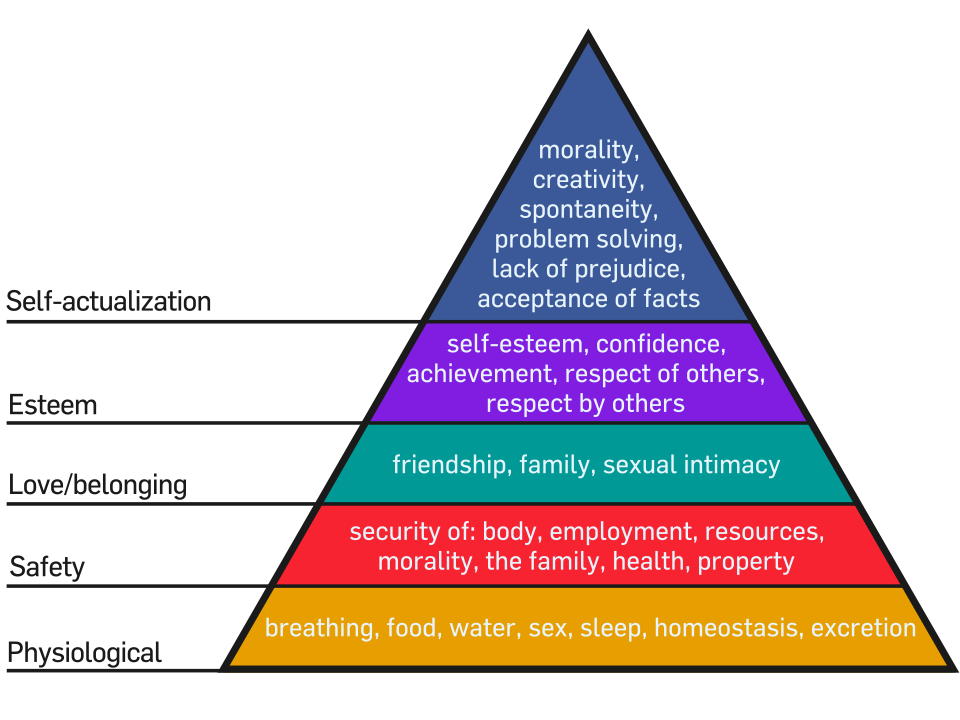 Maslow’s pyramid shows how tourism fulfills higher needs after basic ones are met. (Image: User:Factoryjoe, CC BY-SA 3.0, via Wikimedia Commons)
B. Pull Factors (External Attractions)
These are destination-specific lures. Nepal’s pull factors:
graph TD
    A["Pull Factors"] --> B["Natural Beauty"]
    A --> C["Cultural Heritage"]
    A --> D["Adventure Activities"]
    A --> E["Religious Pilgrimage"]
A --> F["Infrastructure & Services"]- Natural Beauty: Himalayan views (e.g., Everest Base Camp).
- Cultural Heritage: Kathmandu’s UNESCO sites (e.g., Durbar Square).
- Adventure: White-water rafting in Trishuli.
- Religious: Muktinath for Hindu/Buddhist pilgrims.
- Infrastructure: eSewa’s online bookings for trekking permits.
Worked Example: Why Do Backpackers Choose Nepal? A 22-year-old Australian backpacker’s push factors:
- Self-actualization (desire for adventure).
- Social needs (meeting fellow travelers). Pull factors:
- Adventure (trekking routes).
- Cost (affordable vs. Europe).
- Social proof (Instagram/TikTok content).
2. Theories Explaining Tourist Motivation
A. Maslow’s Hierarchy of Needs
Abraham Maslow’s pyramid applies directly to tourism:
graph TD
    A["Self-Actualization"] -->|"Creative experiences (e.g., homestays)"| B["Esteem"]
    B -->|"Social recognition (e.g., group tours)"| C["Social Needs"]
    C -->|"Belonging (e.g., hostel communities)"| D["Safety"]
    D -->|"Security (e.g., guided treks)"| E["Physiological"]
E -->|"Basic needs (e.g., food, lodging)"| F["Base"]Example: A luxury resort in Pokhara caters to esteem needs (private pools, spa) while a budget hostel targets social needs (shared meals, group activities).
B. Vroom’s Expectancy Theory
Tourists weigh effort vs. reward:
- Expectancy (E): "Will I enjoy this?"
- Instrumentality (I): "Will this achieve my goal?"
- Valence (V): "Do I care about the outcome?"
Formula:
Real-World Tie: Pathao’s Ride Psychology
- Expectancy: "Will the app work in remote areas?" (NTC’s network coverage affects E).
- Instrumentality: "Will this save time vs. taxi?" (I depends on traffic data).
- Valence: "Do I value convenience over cost?" (V varies by passenger).
3. Tourist Segmentation: Dividing the Market
Segmentation groups tourists to customize marketing. Nepal’s tourism industry uses:
A. Demographic Segmentation
Observable traits:
| Segment | Example (Nepal) | Marketing Strategy | | Age | 18–25 (backpackers) | Hostel partnerships, social media | | Income | High-net-worth (luxury) | Private jeep tours, 5-star stays | | Occupation | Retirees | Slow travel packages | | Gender | Solo female trekkers | Safety-focused guides |
B. Psychographic Segmentation
Lifestyle and values:
| Segment | Motivations | Example in Nepal | | Adventure Seekers | Thrill, exploration | Paragliding in Pokhara | | Culture Enthusiasts | Heritage, history | Kathmandu heritage walks | | Wellness Travelers | Health, relaxation | Yoga retreats in Kathmandu | | Luxury Seekers | Exclusivity, comfort | Five-star hotels in Chitwan |
Example: Daraz’s Flash Sales
- Psychographic target: Impulse buyers (young, tech-savvy).
- Strategy: Limited-time offers on trekking gear to trigger FOMO (Fear of Missing Out).
C. Commonsense Segmentation
Informal, observable groups:
graph TD
    A["Commonsense Segmentation"] --> B["Backpackers"]
    A --> C["Luxury Travelers"]
    A --> D["Family Groups"]
    A --> E["Solo Adventurers"]
    A --> F["Business Travelers"]
Steps to Segment (from exam question):
- Observe: Note travel style (e.g., backpackers vs. suitcases).
- Cluster: Group by shared traits (e.g., budget vs. high-spend).
- Profile: Create personas (e.g., "The Thrifty Trekker").
- Tailor: Adjust promotions (e.g., discounts for early bookings).
4. The Product Adoption Curve: How Destinations Grow
Not all tourists adopt a destination at once. The innovators → laggards curve explains Nepal’s tourism growth:
graph LR
    A["Innovators"] -->|"Early adopters (e.g., trekking pioneers)"| B["Early Majority"]
    B -->|"Practical travelers (e.g., group tours)"| C["Late Majority"]
    C -->|"Skeptical visitors (e.g., safety concerns)"| D["Laggards"]
    D -->|"Never visit (e.g., fear of altitude)"| E["Non-Adopters"]
Example: Pokhara’s Paragliding
- Innovators: First pilots in the 2000s.
- Early Majority: Tourists after safety improvements.
- Laggards: Those who wait for word-of-mouth reviews.
Why It Matters for Nepal:
- Marketing: Target innovators first (e.g., influencer partnerships).
- Infrastructure: Build for early majority (e.g., more airstrips).
- Risk Management: Address laggard concerns (e.g., altitude sickness warnings).
5. Perpetual Tourism: Why Repeat Visits Happen
Not all tourists visit once. Perpetual tourism occurs when:
graph TD
    A["Perpetual Tourism"] --> B["Emotional Bonds"]
    A --> C["Convenience"]
    A --> D["Loyalty Programs"]
    A --> E["Changing Needs"]
Real-World Examples:
- eSewa/Khalti Users: Repeat bookings due to convenience (one-click payments).
- Nepali Diaspora: Return for emotional bonds (family, culture).
- Trekking Groups: Join annual loyalty programs (e.g., "Trekkers Club" discounts).
Worked Example: Kathmandu’s Heritage Lovers
- First Visit: Discover Durbar Square.
- Second Visit: Attend Dashain festivals.
- Third Visit: Volunteer for conservation projects. Why? Emotional attachment to heritage + new experiences.
6. Challenges in Segmentation
| Challenge | Example in Nepal | Solution |
|---|---|---|
| Overlap in Segments | A backpacker might also be budget-conscious | Use hybrid segmentation (e.g., "Young Budget Travelers"). |
| Changing Trends | Rise of solo female travelers | Adapt marketing (e.g., female-only treks). |
| Data Limitations | Rural tourists underrepresented | Use qualitative research (interviews). |
In the Real World
Daraz’s Segmentation:
- Psychographic: Targets "Impulse Shoppers" with flash sales during festivals (e.g., Dashain).
- Demographic: Offers student discounts for backpackers.
- Real Impact: Increased repeat purchases by 30% among segmented groups.
Pathao’s Ride Psychology:
- Push Factor: Commuters avoid traffic (safety need).
- Pull Factor: Real-time tracking (instrumentality).
- Valence: Riders value time saved over cost.
NEPSE’s Investor Segments:
- Conservative Investors: Prefer stable stocks (e.g., cement companies).
- High-Risk Takers: Bet on tourism-related IPOs (e.g., hotels).
- Real Impact: Brokers tailor advice based on psychographics.
Exam Tip
- For Product Adoption Curve: Always link to Nepal’s tourism phases (e.g., "Innovators were the first trekkers in the 1990s").
- For Segmentation: Use real Nepali examples (e.g., "Backpackers vs. luxury tourists in Pokhara").
- For Motivation Theories: Compare Maslow (needs) and Vroom (expectancy) with Nepali contexts (e.g., why a banker books a Pokhara retreat).
- For Perpetual Tourism: Cite eSewa/Khalti or diaspora returns as proof of repeat visits.
- Avoid: Generic answers like "tourists are motivated by money." Instead, say:
"A Nepali diaspora member returns to Kathmandu for Dashain due to social needs (family reunions) and cultural pull (heritage sites), aligning with Maslow’s hierarchy at the social and esteem levels."
Common Pitfalls:
- ❌ Ignoring pull vs. push factors (exam often asks for both).
- ❌ Not linking theories to Nepali examples (e.g., Vroom’s theory in Pathao).
- ❌ Overlooking segmentation steps (observe → cluster → profile → tailor).
Based on the TU BTTM syllabus for Culture And Social Psychology For Tourism (TTM343), unit 4.
Discussion
Loading…