Destination Development ManagementUnit 312 min read
Destination Typology, Attributes & Competitiveness
Unit 3 of Destination Development Management: explores how destinations are classified, their defining features, and how they compete globally—key for planning sustainable tourism growth.
TAKEAWAYS:
- Destinations are categorized into natural, cultural, urban, and mixed types, each with distinct attributes.
- Competitiveness depends on tangible (infrastructure) and intangible (culture) factors, measured via frameworks like the TTCI (Tourism Competitiveness Index).
- Attributes like accessibility, climate, and safety directly influence visitor choices and pricing strategies.
- Worked examples include Pokhara’s adventure tourism (natural) and Kathmandu’s cultural heritage (mixed), both leveraging unique assets.
- Competitive strategies (e.g., branding, niche marketing) extend a destination’s product life cycle (PLC) beyond maturity.
- DMOs use PLC analysis to innovate (e.g., Daraz’s seasonal promotions) and balance demand/supply via tactical planning.
1. Destination Typology: How Destinations Are Classified
Destinations vary by primary appeal—natural, cultural, urban, or a mix. Classification helps tailor development strategies.
Classification Framework
mindmap
  root((Destination Typology))
    Natural["Natural Destinations"]
      - Adventure (e.g., Annapurna Circuit)
      - Wildlife (e.g., Chitwan National Park)
      - Climate (e.g., Pokhara’s monsoon rains)
    Cultural["Cultural Destinations"]
      - Heritage (e.g., Kathmandu’s Durbar Square)
      - Festivals (e.g., Dashain/Tihar)
      - Religious (e.g., Lumbini)
    Urban["Urban Destinations"]
      - Business (e.g., Kathmandu’s Thamel)
      - Leisure (e.g., Pokhara’s lakeside)
    Mixed["Mixed Destinations"]
      - Combines types (e.g., Kathmandu: culture + urban)
Why it matters:
- Natural destinations rely on ecotourism (e.g., Annapurna Base Camp) but face seasonal demand (e.g., monsoon closures).
- Cultural destinations depend on authenticity (e.g., Kathmandu’s living heritage) but risk overcommercialization (e.g., tourist traps in Thamel).
- Urban destinations prioritize accessibility (e.g., Pokhara Airport) and nightlife (e.g., Patan’s cafés).
| Feature | Annapurna Circuit (Natural) | Kathmandu Durbar Square (Cultural) |
|---|---|---|
| Primary Appeal | Hiking, scenery | History, architecture |
| Peak Season | Oct–Nov (clear weather) | Oct–Dec (festivals) |
| Key Challenge | Altitude sickness | Crowd management |
| Competitive Edge | Unique trekking routes | UNESCO World Heritage status |
2. Destination Attributes: The Building Blocks
Attributes are characteristics that define a destination’s appeal. They fall into two categories:
A. Tangible Attributes
flowchart TD
  A["Tangible Attributes"] --> B["Infrastructure: Roads, airports, ICT"]
  A --> C["Accessibility: Transport links, visa policies"]
  A --> D["Accommodation: Hotels, homestays, budget lodges"]
  A --> E["Amenities: Restaurants, shops, ATMs"]
  A --> F["Safety: Crime rates, emergency services"]
- Infrastructure: Roads, airports (e.g., Pokhara Airport’s expansion for tourism).
- Accessibility: Proximity to international hubs (e.g., Kathmandu’s Tribhuvan Airport).
- Accommodation: From luxury hotels (e.g., The Pearl Resort) to homestays (e.g., Pokhara’s family-run guesthouses).
- Amenities: ATMs, Wi-Fi, medical facilities (e.g., NTC’s telecom coverage in remote areas).
- Safety: Low crime rates, disaster preparedness (e.g., Kathmandu’s earthquake recovery tourism).
B. Intangible Attributes
flowchart TD
  G["Intangible Attributes"] --> H["Culture: Festivals, traditions, language"]
  G --> I["Climate: Seasonal variations, weather patterns"]
  G --> J["Image: Perceived reputation (e.g., 'adventure hub')"]
  G --> K["Authenticity: Local engagement, cultural preservation"]
  G --> L["History: Myths, legends, ancient sites"]
- Culture: Festivals (e.g., Maha Shivaratri in Pashupatinath), traditions (e.g., Newari cuisine).
- Climate: Microclimates (e.g., Pokhara’s mild winters vs. Kathmandu’s cold).
- Image: Perceived reputation (e.g., "Nepal = Himalayas" vs. "Nepal = adventure + culture").
- Authenticity: Locals’ involvement (e.g., homestays in rural villages).
Worked Example: Pokhara vs. Kathmandu
Pokhara’s strength: Natural attributes (lake views, paragliding) + accessibility (direct flights from Kathmandu).
- Challenge: Limited intangible depth (fewer cultural sites than Kathmandu).
- Solution: Partnered with Pathao for ride-sharing to reduce transport hassles.
Kathmandu’s strength: Cultural depth (UNESCO sites) + urban amenities (internet cafés, shopping).
- Challenge: Crowding and pollution (e.g., Thamel’s traffic jams).
- Solution: Promoted niche tourism (e.g., "Kathmandu’s Hidden Temples" tours).
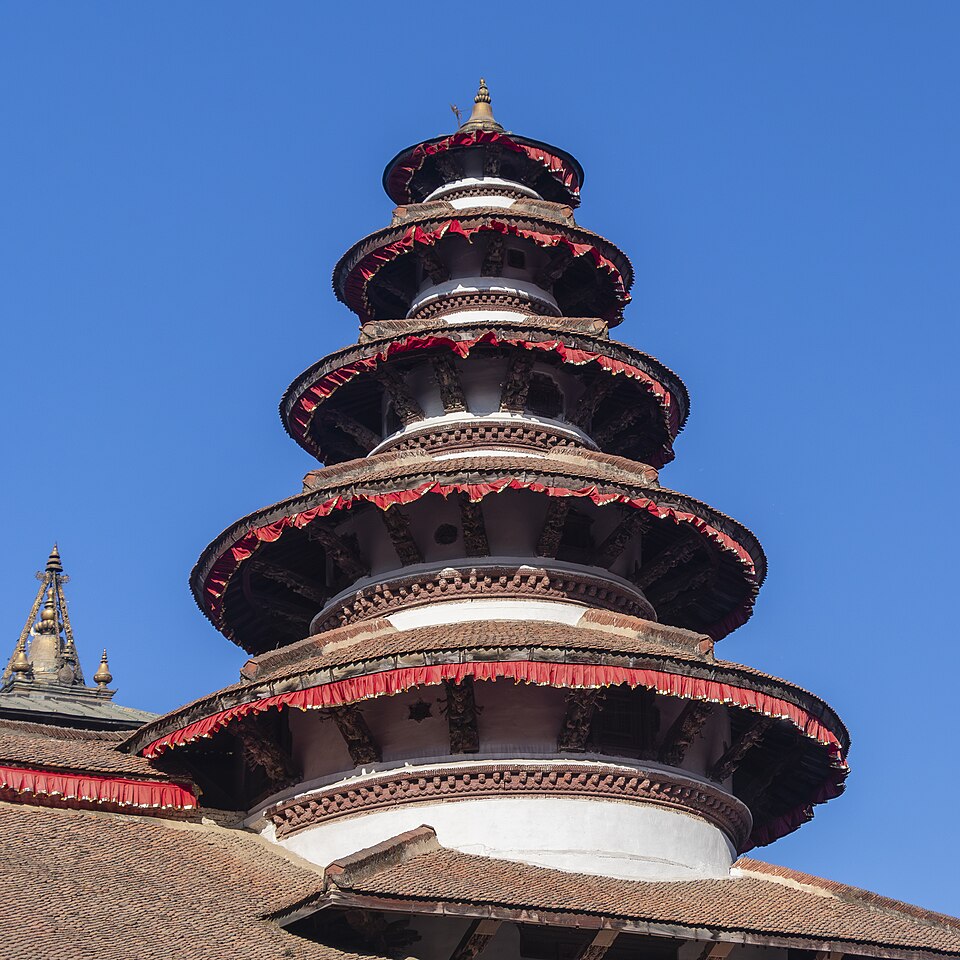 kathmandu durbar square heritage site (Image: Bijay Chaurasia, CC BY-SA 4.0, via Wikimedia Commons)
Real-world tie: Kathmandu’s Durbar Square leverages its intangible attribute (UNESCO status) to attract cultural tourists, while Pokhara uses its natural attributes (Fishtail Mountain) for adventure tourism. Both destinations combine tangible (clean streets, guided tours) and intangible (local guides, festivals) to stand out.
3. Destination Competitiveness: How Destinations Compete Globally
Competitiveness = ability to attract visitors while sustaining local economies. Key frameworks:
A. The Tourism Competitiveness Index (TTCI)
Developed by the World Economic Forum (WEF), it ranks destinations based on:
Nepal’s TTCI Rank (2023): 101/140 (down from 98 in 2021).
- Strengths: Natural beauty, cultural heritage.
- Weaknesses: Infrastructure gaps (e.g., rural roads), governance issues (e.g., permit delays).
B. Competitive Strategies
Destinations use product differentiation to stand out:
| Strategy | Example (Nepal) | Example (Global) |
|---|---|---|
| Niche Marketing | "Nepal’s Rhododendron Valley" (spring) | "Norway’s Northern Lights" |
| Branding | "Nepal: Adventure Capital of the World" | "Switzerland: Pure Mountain Magic" |
| Innovation | E-sim visas for tourists | Singapore’s "Smart Nation" tourism |
| Partnerships | Pokhara + Pathao for transport | Dubai + Emirates for luxury stays |
Worked Example: Daraz’s Seasonal Promotions
- Strategy: Uses destination PLC (Product Life Cycle) to extend demand.
- Growth Phase: "Summer Sale" (May–June) for beachwear.
- Maturity Phase: "Diwali Discounts" (Oct–Nov) for cultural products.
- Decline Phase: "End-of-Year Clearance" (Dec–Jan) for off-season items.
- Result: Balances supply (inventory) and demand (tourist spending).
Real-world tie: Daraz’s promotions mirror destination PLC theory. Pokhara, for example, sees peak demand in autumn (trekking season) but uses winter promotions (e.g., "Pokhara’s Cozy Retreat") to fill gaps.
4. Destination Product Life Cycle (PLC): Managing Growth
Destinations follow a PLC similar to products:
flowchart TD
  A["Introduction: Discovery"] --> B["Growth: Popularity"]
  B --> C["Maturity: Overtourism"]
  C --> D["Decline: Neglect"]
  D --> E["Rejuvenation: Niche focus (e.g., eco-tourism)"]
- Introduction: Low awareness (e.g., Muktinath before 2010).
- Growth: Increased marketing (e.g., Pokhara’s paragliding post-2015).
- Maturity: Peak visitors (e.g., Kathmandu’s Durbar Square).
- Decline: Overtourism (e.g., Boudhanath Stupa in 2020).
- Rejuvenation: Innovation (e.g., Pokhara’s drone tours).
How to Extend PLC?
| Phase | Strategy | Nepali Example |
|---|---|---|
| Growth | Marketing campaigns | "Visit Nepal Year 2020" |
| Maturity | Niche tourism | "Nepal’s Offbeat Treks" (e.g., Dolpo) |
| Decline | Rebranding | "Kathmandu: Beyond the Thamel Crowds" |
| Rejuvenation | Digital transformation | E-visa system |
Real-world tie: Pokhara’s PLC shifted from growth (2010–2015) to maturity (2016–2020) due to overtourism. The DMO responded by:
- Limiting trekking permits (supply control).
- Promoting "hidden gems" (e.g., Rani Pokhari).
- Partnering with Pathao (better transport).
5. Destination Image: Perception vs. Reality
Definition: The mental picture tourists have of a destination, shaped by:
- Marketing: Government ads (e.g., "Nepal: Your Next Adventure").
- Media: Documentaries (e.g., "Nepal’s Himalayan Challenge" on YouTube).
- Word of Mouth: Social media (e.g., Instagram posts from trekkers).
- Personal Experience: Firsthand visits (e.g., staying in a homestay).
Example: Kathmandu’s Image
- Perceived: "Chaotic, polluted, crowded."
- Reality: "Rich in culture, safe in tourist zones, improving infrastructure."
- DMO Strategy: "Kathmandu: Where Ancient Meets Modern" campaign.
| Perception | Reality | DMO Action |
|---|---|---|
| "Too expensive" | Affordable homestays (₹1,500/night) | "Budget Travel Nepal" guides |
| "Unsafe at night" | Safe in tourist areas (e.g., Thamel) | "Night Walks in Kathmandu" tours |
| "No modern amenities" | ATMs, Wi-Fi, 24/7 hospitals | "Tech-Savvy Kathmandu" branding |
Exam Tip: How to Score Full Marks
- Define + Explain: Always start with a clear definition (e.g., "Destination typology refers to...") followed by examples (e.g., "Natural destinations like Annapurna...").
- Use Frameworks: For competitiveness, cite TTCI pillars or PLC phases with Nepali/global examples.
- Compare: Draw tables (like the one above) to show Pokhara vs. Kathmandu or Daraz’s promotions vs. destination PLC.
- Real-world Tie: Link theories to Nepali companies (e.g., Pathao, Daraz) or global trends (e.g., Singapore’s smart tourism).
- Challenges + Solutions: For destination image, discuss perception gaps and DMO strategies (e.g., rebranding Kathmandu).
- Worked Example: For PLC, trace a real destination’s journey (e.g., Pokhara’s shift from growth to maturity) and suggest innovations (e.g., drone tours).
Common Pitfalls to Avoid:
- ❌ Vague answers (e.g., "Tourism is important").
- ✅ Specific: "Nepal’s TTCI rank dropped due to infrastructure gaps (e.g., Pokhara Airport delays), but Pathao’s transport solutions improved accessibility."
- ❌ Ignoring DMOs: Always mention Destination Management Organizations (e.g., Pokhara Tourism Board).
- ✅ Example: "The Pokhara DMO used niche marketing (e.g., 'Pokhara’s Cozy Retreat') to extend its PLC during winter."
Final Visual Summary
Based on the TU BTTM syllabus for Destination Development Management (TTM344), unit 3.
Discussion
Loading…