Event Management For Tourism and HospitalityUnit 310 min read
Event Planning & Project Management: Phases, Tools & Real-World Synergy
Unit 3 of Event Management For Tourism and Hospitality explores how to treat events as projects—defining scope, phases (planning, execution, closure), tools (Gantt charts, SWOT), and real-world applications in tourism/hospitality, with case studies from Nepal (e.g., MICE events) and global brands (e.g., Google I/O). In
Core Concepts: Events as Projects
Events are one-time, temporary endeavors with clear objectives, deadlines, and stakeholders—making them projects by definition (PMBOK). Unlike recurring operations (e.g., daily hotel check-ins), events require structured planning to avoid chaos.
Why Events = Projects?
mindmap
  root((Events as Projects))
    Definition
      "Temporary endeavor with start/end dates"
      "Unique purpose (e.g., festival, conference)"
      "Resources constrained (time, budget, staff)"
    Key Features
      **Scope**: Deliverables (e.g., 500 attendees, 3 keynotes)
      **Stakeholders**: Clients, vendors, attendees, media
      **Constraints**: Budget ($50K), timeline (3 months), venue capacity
      **Uncertainty**: Weather (outdoor events), vendor delays
    Phases
      Planning
      Execution
      Closure
    Tools
      Gantt Charts
      SWOT Analysis
      Risk Registers
1. Event Planning Phases (Project Lifecycle)
Events follow 5 critical phases, each with distinct tasks. Miss a step, and the event fails.
Phase 1: Conceptualization
- Goal: Define the event’s purpose, objectives, and target audience.
- Key Questions:
- Is this a corporate retreat, wedding, or tourism festival?
- Who attends? (B2B, B2C, local vs. international?)
- What’s the unique selling point (USP)? (e.g., "Nepal’s first zero-waste food festival")
- Tools:
- SWOT Analysis (Strengths: local cuisine; Weaknesses: monsoon rains).
- Mindmaps for brainstorming themes (e.g., "Heritage Week in Bhaktapur").
flowchart TD
  A["Conceptualization"] --> B["Define Objectives"]
  A --> C["Identify Target Audience"]
  A --> D["Develop USP"]
  B --> E["SMART Goals: Specific, Measurable, Achievable, Relevant, Time-bound"]
  C --> F["Segment: Age, Income, Interests"]
  D --> G["Example: 'Lumbini’s Digital Detox Retreat'"]
Worked Example: Kathmandu International Mountain Film Festival (KIMFF)
- Objective: Promote mountaineering tourism.
- Audience: Adventurers, filmmakers, students.
- USP: Screenings + Q&A with Sherpas.
- Risk: Low ticket sales → Solution: Partner with NTC for discounted transport.
Phase 2: Planning (Project Scope)
Scope Statement: A contract between you and stakeholders. Example:
"Deliver a 2-day culinary event at Durbar Square with 200 attendees, 10 chefs, and a live cooking demo, within a $30K budget."
Key Deliverables:
- Venue: Booked (e.g., Nepal Tourism Board’s conference hall).
- Vendor List: Caterers, AV teams, security.
- Timeline: Gantt chart (see below).
- Budget: Breakdown (50% marketing, 30% operations, 20% contingency).
2. Project Management Tools for Events
| Tool | Purpose | Example for Nepal |
|---|---|---|
| Gantt Chart | Timeline visualization | Pathao’s "Ride for Nepal" charity event (2023) |
| SWOT Analysis | Strengths/Weaknesses | Everest Marathon: Strength = global brand; Weakness = high altitude risks. |
| Risk Register | Identify threats + mitigation | Monsoon in Pokhara → Backup indoor venue. |
| Budget Template | Track expenses vs. income | Daraz’s "Shop Small" festival: $20K for local vendors. |
3. Budgeting Methods for Financial Forecasting
Event managers use 4 primary budgeting methods to predict costs. Choose based on event size and complexity.
| Method | How It Works | Best For | Nepal Example |
|---|---|---|---|
| Incremental Budgeting | Adjust last year’s budget by % | Recurring events (e.g., Dashain Mela) | Add 10% for inflation to 2022’s budget. |
| Zero-Based Budgeting | Justify every expense from scratch | One-time mega events (e.g., FIFA World Cup) | Nepal’s "Visit Nepal Year 2020" launch. |
| Activity-Based Budgeting | Costs tied to specific tasks | Complex events (e.g., weddings) | $500 for DJ, $1K for floral decor. |
| Parametric Budgeting | Cost per unit (e.g., per attendee) | Large-scale events (e.g., concerts) | $20 per attendee for security + catering. |
Worked Example: Budget for "Heritage Walk Festival" (Bhaktapur)
- Total Budget: $15,000
- Incremental Approach:
- 2022 budget: $12,000
- +15% for inflation = $13,800
- +$1,200 for new heritage guide training = $15,000
4. Stakeholder Management
Events involve 3 types of stakeholders, each requiring different communication strategies.
mindmap
  root((Event Stakeholders))
    Internal
      Event Team: Project Manager, AV Technicians
      Volunteers: Local college students
    External
      Clients: Corporate sponsors (e.g., Nabil Bank)
      Vendors: Caterers, florists
      Attendees: Tourists, locals
      Media: Kantipur, BBC Nepal
      Government: Local municipality (permits)
    Communication Needs
      Team: Daily stand-ups
      Sponsors: Quarterly reports
      Media: Press kits 2 weeks prior
Case Study: Google I/O (Global) vs. Nepal’s "Tech Fest"
| Stakeholder | Google I/O | Nepal’s "Tech Fest" |
|---|---|---|
| Primary Audience | Global developers | Nepali students, startups |
| Sponsors | Google Cloud, IBM | Ncell, F1Soft |
| Permits | City of San Francisco | Kathmandu Metropolitan City |
| Risk Mitigation | Backup venue (online stream) | Power backup generators |
5. Risk Management in Event Planning
Events are high-risk due to uncertainty. Use the 4-step risk process:
- Identify: List potential risks (e.g., "Vendor no-show").
- Analyze: Assess impact (Low/Medium/High) and probability.
- Mitigate: Plan responses (e.g., "Backup vendor on standby").
- Monitor: Track risks during execution.
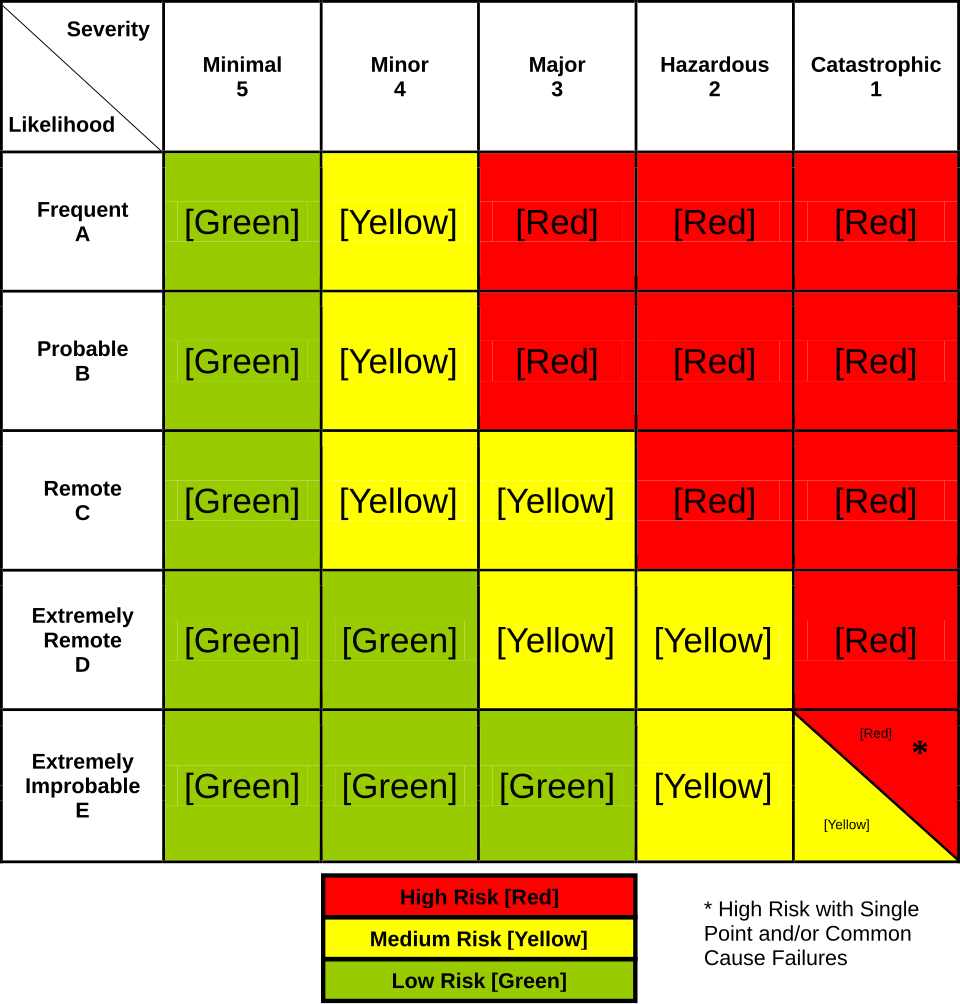 A 3x3 grid (Low/Medium/High impact vs. probability) with examples like Weather delay (High impact) vs. Minor tech glitch (Low impact). (Image: U.S. DEPARTMENT OF TRANSPORTATION FEDERAL AVIATION ADMINISTR, Public domain, via Wikimedia Commons)
Real-World Example: Kathmandu Traffic Jam During Dashain
- Risk: Roads blocked by processions → late arrivals.
- Mitigation:
- Partner with NTC for alternate routes.
- Early-bird check-in for VIPs.
- Live traffic updates via eSewa app.
6. Synergy Between Event Management and Tourism
Events drive tourism by:
- Attracting visitors (e.g., Mardi Gras in Rio → 2M tourists/year).
- Boosting local economy (e.g., Nepal’s "Visit Nepal 2020" aimed for $1B revenue).
- Creating FOMO (Fear of Missing Out) via social media (e.g., #EverestBaseCamp).
flowchart LR
  A["Event"] --> B["Increases Tourism"]
  B --> C["More Hotel Bookings"]
  B --> D["Higher Airline Tickets"]
  B --> E["Local Business Growth"]
  C --> F["Example: Pokhara International Lake Festival"]
  D --> G["Example: 30% rise in Tribhuvan Int’l Airport traffic"]
Case Study: Darjeeling Himalayan Railway Festival (India)
- Event: UNESCO-listed train heritage festival.
- Tourism Impact:
- 50% increase in bookings at hotels like The Grand Dragon.
- Local tea stall revenues up by 40%.
- Lesson for Nepal: Promote Lumbini’s Buddha Jayanti as a pilgrimage + tourism combo.
In the Real World
eSewa & Event Tickets
- Idea Used: Online registration and payment integration.
- How: eSewa’s QR code system lets users book Nepal Tourism Board events (e.g., "Annapurna Circuit Trek Fair") instantly, reducing queues and fraud.
- Example: During the Kathmandu International Mountain Film Festival (KIMFF), eSewa processed 2,000+ ticket sales in 48 hours.
Pathao’s "Ride for Nepal" Charity Event
- Idea Used: Project management phases + stakeholder coordination.
- How:
- Planning: Partnered with NGOs (e.g., Green Tara Nepal) to set a $50K fundraising goal.
- Execution: Riders logged 50,000 km across Nepal; Pathao tracked progress via a live Gantt chart.
- Closure: Donated proceeds to cleanup drives in Chitwan.
- Risk Mitigation: Backup bike rentals in case of mechanical failures.
Daraz’s "Shop Small" Festival
- Idea Used: Budgeting (activity-based) + vendor management.
- How:
- Allocated $25K for local artisans (e.g., Newari pottery makers).
- Used parametric budgeting: $10 per vendor booth + $5 per attendee for samples.
- Result: 15% increase in sales for participating shops.
Exam Tip
Define Events as Projects Clearly
- Always start with: "Events are temporary, unique endeavors with defined start/end dates, resources, and stakeholders—aligning with project management principles (PMBOK)."
- Avoid: Vague answers like "events are fun."
Use Real Examples from Nepal
- Mega Events: Dashain, Tihar, Buddha Jayanti.
- Corporate: Nabil Bank’s "Leadership Summit."
- Tourism: Pokhara International Lake Festival.
- Tech: Nepal’s first "AI in Tourism" conference (2023).
Budgeting Questions? Show the Math
- If asked about incremental budgeting, say:
"For the 2024 Kathmandu Jazz Festival, we took the 2023 budget of $40K, added 12% inflation ($4.8K), and increased marketing by $3K for social media ads, totaling $47.8K."
- If asked about incremental budgeting, say:
Risk Management = High Marks
- For any event, list 3 risks + mitigations:
- Risk: Power outage (common in Nepal).
- Mitigation: Rent generators + backup batteries.
- Owner: AV team.
- For any event, list 3 risks + mitigations:
Synergy with Tourism
- Link events to economic impact:
"The Everest Marathon attracts 500+ runners, generating $200K for local homestays and guides—a 25% boost over non-event months."
- Link events to economic impact:
Final Visual Summary
flowchart TD
  A["Event Planning as Project Management"] --> B["Phase 1: Conceptualization"]
  A --> C["Phase 2: Planning (Scope, Budget, Timeline)"]
  A --> D["Phase 3: Execution (Stakeholders, Risks)"]
  A --> E["Phase 4: Closure (Evaluation, Feedback)"]
  B --> F["Define USP + Audience"]
  C --> G["Gantt Chart + SWOT"]
  D --> H["Risk Register + Stakeholder Comm"]
  E --> I["Post-Event Report for Tourism Board"]
  G --> J["Example: Pokhara Paragliding Festival"]
  H --> K["Example: Backup plan for monsoon in Annapurna"]
Based on the TU BTTM syllabus for Event Management For Tourism and Hospitality (BHM302), unit 3.
Discussion
Loading…