MICE TourismUnit 412 min read
Exhibitions & Trade Fairs: Types, Planning & Impact
Unit 4 of MICE Tourism explores exhibitions and trade fairs—defining them, their classifications, key components (booths, attendees, logistics), planning processes, and their economic/social impact, with Nepalese and global examples like Kathmandu International Trade Fair and Expo Dubai.
What Are Exhibitions and Trade Fairs?
Exhibitions and trade fairs are large-scale events where businesses, organizations, or individuals showcase products, services, or ideas to a targeted audience. They serve as business-to-business (B2B) or business-to-consumer (B2C) platforms for networking, marketing, and sales.
Key Definitions
- Exhibition: A public display of products, services, or ideas, often organized by a third party (e.g., government, private companies).
- Trade Fair: A commercial event where businesses exhibit and sell products, often with negotiations and contracts.
- Expo: A large-scale exhibition, sometimes international (e.g., World Expo).
Types of Exhibitions and Trade Fairs
Exhibitions vary by scope, audience, and purpose. Below is a classification table:
| Type | Description | Examples |
|---|---|---|
| Industry-Specific | Focused on a particular sector (e.g., technology, textiles, tourism). | Kathmandu International Trade Fair (KITF), ITB Berlin. |
| General Trade Fairs | Broad range of products/services for multiple industries. | Expo Dubai, Canton Fair (China). |
| Consumer Exhibitions | Target end-users (B2C) rather than businesses. | Consumer Electronics Show (CES), Nepal Tourism Mart. |
| B2B Exhibitions | Businesses exhibit to other businesses (e.g., suppliers, distributors). | Nepal Investment Summit, Global Sources (Hong Kong). |
| Virtual Exhibitions | Online platforms for global participation (post-pandemic trend). | Virtual CES, Online Nepal Trade Fairs. |
Key Components of Exhibitions
1. Booths and Stands
Booths are the physical or virtual spaces where exhibitors display products. They vary in size, design, and functionality.
Types of Booths:
- Inline Booths: Simple, cost-effective, aligned in rows.
- Corner Booths: Higher visibility, better for branding.
- Island Booths: Central location, maximum foot traffic.
- Custom Booths: Tailored designs for premium branding.
2. Attendees
- Visitors: Potential buyers, industry professionals, media.
- Exhibitors: Companies/organizations showcasing products.
- Sponsors: Brands funding the event for visibility.
- Media: Journalists covering the event.
3. Logistics and Infrastructure
- Venue: Convention centers, exhibition halls (e.g., Nepalgunj Exhibition Center, Singapore Expo).
- Transport & Accommodation: Shuttles, hotels, and VIP services.
- Technology: Registration kiosks, VR demos, live streaming.
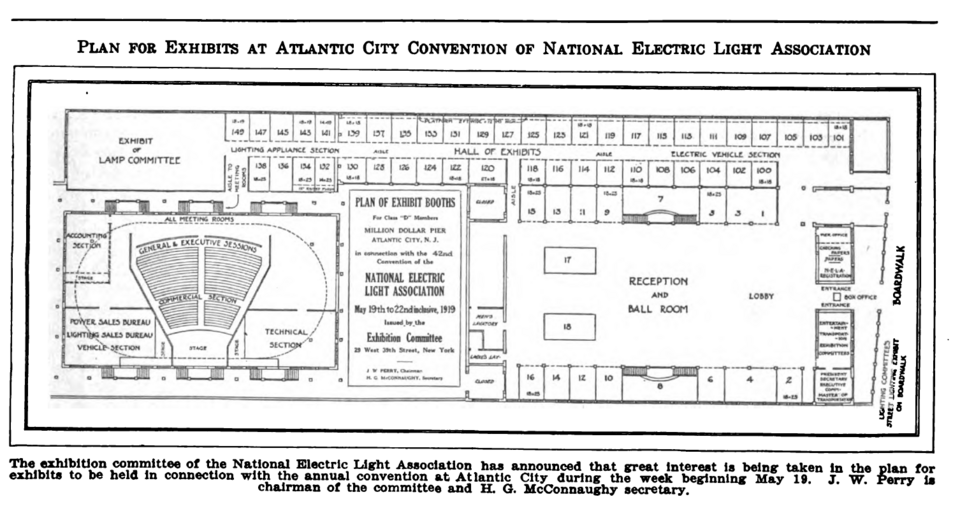 A labeled floor plan of a trade fair venue showing booths, entrances, and key zones. (Image: Public domain, via Wikimedia Commons)
Planning an Exhibition or Trade Fair
A successful event requires meticulous planning. Below is a step-by-step process:
1. Concept and Objectives
- Define purpose (sales, networking, brand awareness).
- Set SMART goals (e.g., "Generate 500 leads in 3 days").
2. Budgeting
| Expense Category | Example Costs | Nepal Context |
|---|---|---|
| Venue Rental | Rs. 500,000–5,000,000 | Nepalgunj Exhibition Center |
| Booth Construction | Rs. 200,000–2,000,000 | Custom vs. modular booths |
| Marketing & Promotion | Rs. 300,000–1,500,000 | Digital ads, brochures, PR |
| Staffing & Security | Rs. 200,000–800,000 | Event managers, security personnel |
| Technology (AV, Wi-Fi) | Rs. 100,000–500,000 | Live streaming, interactive displays |
| Miscellaneous (Catering, Decor) | Rs. 100,000–400,000 | Food stalls, themed decor |
3. Venue Selection
Factors to consider:
- Location: Proximity to airports/hotels (e.g., Kathmandu’s Radisson Hotel for business events).
- Capacity: Number of expected attendees.
- Facilities: Power supply, internet, parking.
- Accessibility: Public transport links.
4. Marketing and Promotion
- Digital Marketing: Social media (Instagram, LinkedIn), email campaigns.
- Print Media: Brochures, banners, newspaper ads.
- Partnerships: Collaborate with industry associations (e.g., Nepal Tourism Board).
- Influencers: Invite bloggers and journalists for coverage.
5. Registration and Attendee Management
- Online Registration: Platforms like Eventbrite or custom portals.
- On-Site Check-in: Badges, QR codes for entry.
- Lead Capture: CRM tools (e.g., Salesforce) to track visitor data.
6. Event Execution
- Opening Ceremony: Keynote speeches, ribbon-cutting.
- Networking Sessions: B2B meetings, roundtables.
- Product Demos: Live displays, workshops.
- Entertainment: Cultural performances (e.g., Nepali dance at KITF).
7. Post-Event Follow-Up
- Feedback Collection: Surveys for exhibitors and attendees.
- Data Analysis: Track leads, sales, ROI.
- Thank-You Notes: Follow up with contacts.
In the Real World
Exhibitions and trade fairs are critical for business growth in Nepal and globally. Here’s how they’re used:
Kathmandu International Trade Fair (KITF)
- What it uses: B2B and B2C exhibitions for Nepali and international businesses.
- How it works: Exhibitors (e.g., Daraz, Ncell, banks) showcase products, while buyers negotiate deals. The fair also includes cultural performances to attract tourists.
- Impact: Boosts local economy by Rs. 5–10 billion annually (Nepal Tourism Board).
Expo Dubai (2020–2021)
- What it uses: Global trade fair with virtual and physical booths.
- How it works: Companies like Google, Tesla, and Nepali startups used AI-powered booths and live streaming to reach international audiences.
- Impact: Generated $33 billion in direct investment (Expo 2020 Dubai).
Nepal Investment Summit
- What it uses: B2B exhibition for foreign investors.
- How it works: Government and private sectors invite global investors to showcase opportunities in tourism, hydropower, and IT.
- Impact: Led to $1.2 billion in MoUs (Ministry of Industry, Commerce, and Supplies).
Consumer Electronics Show (CES) – Las Vegas
- What it uses: Consumer exhibition for tech innovations.
- How it works: Companies like Samsung, Sony, and Nepali tech startups demo AI, drones, and smart devices.
- Impact: $3.1 billion economic impact (CES Official Report).
Advantages and Disadvantages of Exhibitions
| Advantages | Disadvantages |
|---|---|
| Networking Opportunities | High Costs (booth rental, travel) |
| Brand Visibility | Time-Consuming Planning |
| Direct Sales Leads | Competition from Other Exhibitors |
| Market Research (trends, feedback) | Logistical Challenges (permits, security) |
| Government/Industry Support | ROI Uncertainty (if poorly executed) |
Worked Example: Planning a Nepali Textile Exhibition
Scenario: A Nepali textile company (Himalayan Handloom) wants to participate in KITF to sell handwoven carpets to international buyers.
Step-by-Step Plan
- Objective: Sell 500 carpets at Rs. 20,000 each, generating Rs. 10 million in revenue.
- Booth Selection: Corner booth (Rs. 1.5 million) for better visibility.
- Marketing:
- Social Media: Instagram ads targeting European and Middle Eastern buyers.
- Partnership: Collaborate with Nepal Tourism Board for promotions.
- Logistics:
- Transport: Hire a truck for samples (Rs. 100,000).
- Staff: 3 sales representatives (Rs. 300,000).
- Post-Event:
- Follow-up: Email leads with catalogs.
- Feedback: Survey buyers on product preferences.
Expected ROI:
- Revenue: Rs. 10,000,000
- Costs: Rs. 2,100,000 (booth + marketing + logistics)
- Profit: Rs. 7.9 million (79% ROI)
Exam Tip
Examiners test three key areas in this unit:
- Definitions & Classifications (e.g., "Differentiate between a trade fair and an expo").
- Tip: Use tables (like above) to compare types.
- Planning Process (e.g., "Outline the steps to organize a textile exhibition in Nepal").
- Tip: Follow the 7-step process (concept → post-event) and link to real examples (KITF, Expo Dubai).
- Applications & Impact (e.g., "How do exhibitions benefit Nepal’s tourism sector?").
- Tip: Mention economic growth, networking, and cultural exchange with specific data (e.g., KITF’s Rs. 5–10 billion impact).
Common Mistakes to Avoid:
- Vague answers: Always quantify (e.g., "KITF generates Rs. X billion").
- Ignoring logistics: Discuss booth types, transport, and technology.
- No real-world link: Always connect theory to Nepal/global examples.
Final Summary
- Exhibitions are business powerhouses for networking, sales, and branding.
- KITF, Expo Dubai, and CES show how they drive economic growth.
- Planning requires budgeting, marketing, and logistics—practice with Nepali case studies.
- Exam focus: Definitions, planning steps, and real-world impact.
Visual Recap:
Based on the TU BTTM syllabus for MICE Tourism, unit 4.
Discussion
Loading…