Science and TechnologySEE 2075
What is meant by the term "first aid"? Write any three first aid measures for burns. How can we prevent burns?
5Answer
First Aid
First aid refers to the immediate and temporary care provided to an injured or sick person to prevent further harm until professional medical help arrives. It involves basic life-saving techniques such as controlling bleeding, treating wounds, managing fractures, and handling emergencies like burns, choking, or poisoning. First aid is crucial because it can stabilize a patient’s condition, reduce pain, and prevent complications until they reach a hospital.
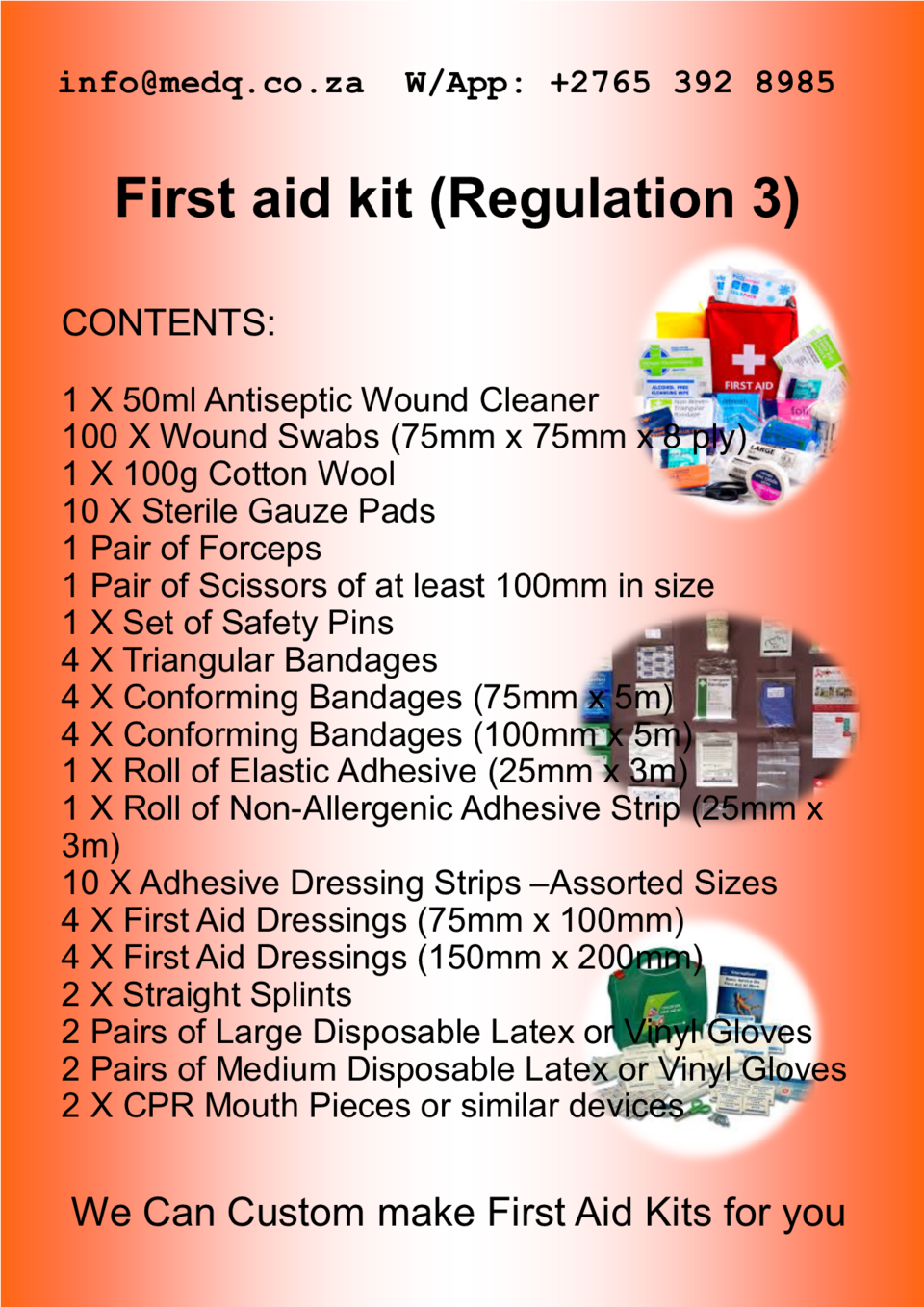 Real items in a basic first aid kit (e.g., bandages, antiseptic, gloves) to show practical application. (Image: Medq Medical Supplies, CC BY-SA 4.0, via Wikimedia Commons)
Three First Aid Measures for Burns
Burns are injuries caused by heat, chemicals, electricity, or radiation, damaging the skin and underlying tissues. Here are three essential first aid measures for burns:
Cool the Burned Area
- Immediately run the burned area under cool (not ice-cold) running water for 10–15 minutes to reduce heat and pain.
- Avoid using ice directly, as it can cause further tissue damage.
- For minor burns (first-degree), this helps relieve pain and prevents blistering.
Cover the Burn with a Clean, Non-Stick Cloth or Dressing
- After cooling, gently cover the burn with a sterile, non-adhesive bandage or a clean cloth to protect it from infection.
- Do not use cotton, wool, or adhesive dressings directly on the burn, as they can stick and worsen the injury.
- For blistered burns (second-degree), leave blisters intact unless they are large or painful.
Seek Immediate Medical Help for Severe Burns
- If the burn is large (covering more than the palm of the hand), deep (third-degree, charred or white), or on sensitive areas (face, hands, feet, or genitals), seek emergency medical attention.
- Do not apply butter, oil, toothpaste, or traditional remedies, as they can trap heat and increase infection risk.
- Remove any jewelry or tight clothing near the burn to prevent swelling complications.
Prevention of Burns
Burns can be prevented by adopting safety measures in daily life:
Avoid Direct Contact with Hot Objects
- Use potholders or oven mitts when handling hot cookware.
- Keep children and pets away from stoves, heaters, and open flames.
- Test bathwater with a thermometer or wrist before bathing to avoid scalding.
Use Protective Gear in Hazardous Environments
- Wear heat-resistant gloves, aprons, and goggles in kitchens, laboratories, or industrial settings.
- Ensure electrical appliances are in good condition and do not overload sockets.
- Use fire-resistant materials in workplaces where sparks or flames are present.
Keep Flammable Materials Away from Heat Sources
- Store alcohol, gasoline, and chemicals in cool, ventilated places away from open flames.
- Avoid overloading electrical circuits and use surge protectors to prevent electrical fires.
- Install and maintain smoke detectors and fire extinguishers at home and in workplaces.
Educate Children About Fire Safety
- Teach children not to play with matches, lighters, or fireworks.
- Practice fire escape plans and ensure everyone knows how to stop, drop, and roll in case of clothing fires.
Handle Chemicals and Electrical Equipment Carefully
- Always read labels and follow safety instructions when using cleaning agents, paints, or solvents.
- Unplug appliances when not in use and avoid using damaged cords.
- In case of chemical spills, wear gloves and goggles and neutralize the substance if possible.
By following these first aid measures and preventive strategies, the risk of burns and their severity can be significantly reduced, ensuring safer living and working environments.
Discussion
Loading…