SociologyUnit 67 min read
Social Groups: Types, Features & Functions
Unit 6 of Sociology explores what social groups are, their types (primary/secondary, in-groups/out-groups), how they form, their functions, and their impact on individuals and society—with real-world examples and exam-style questions.
TAKEAWAYS:
- Social groups are collections of people who interact, share goals, and influence each other’s behavior.
- Groups can be primary (emotional bonds, e.g., family) or secondary (goal-oriented, e.g., clubs).
- In-groups foster belonging, while out-groups create "us vs. them" dynamics.
- Groups provide social support, identity, and norms but can also enforce conformity.
- Reference groups shape our aspirations (e.g., celebrities as role models).
- NEB exams test definitions, examples, and group vs. crowd distinctions—practice diagrams!
What Is a Social Group?
A social group is a collection of two or more people who:
- Interact regularly (face-to-face or digitally).
- Share common goals or interests (e.g., a study group, football team).
- Influence each other’s behavior (e.g., friends’ opinions shape your choices).
- Have a sense of belonging (e.g., "We are a family").
Key Difference:
- Group → Structured, shared identity (e.g., classmates).
- Crowd → Temporary, no lasting bonds (e.g., concert attendees).
Types of Social Groups
1. Primary Groups (Emotional Bonds)
- Size: Small (e.g., 3–50 people).
- Interaction: Face-to-face, frequent, personal.
- Example: Family, close friends, neighborhood.
- Function: Provide love, security, and socialization (e.g., parents teach values).
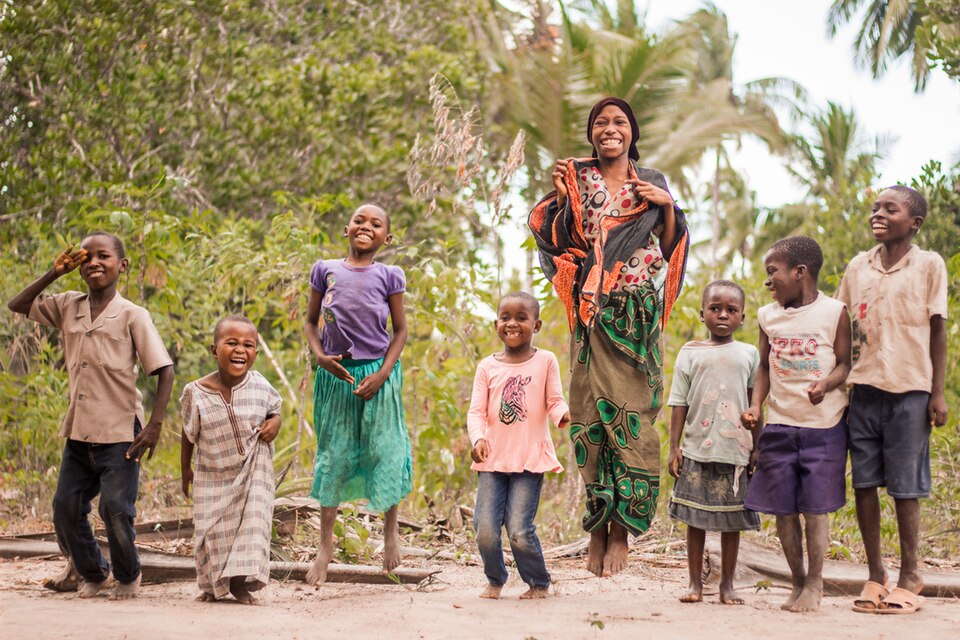 Primary group: emotional support (Image: Rasheedhrasheed, CC BY-SA 4.0, via Wikimedia Commons)
2. Secondary Groups (Goal-Oriented)
- Size: Large (e.g., 50+ people).
- Interaction: Formal, temporary, task-based.
- Example: School clubs, work teams, political parties.
- Function: Achieve specific objectives (e.g., a debate team wins a competition).
Comparison Table:
| Feature | Primary Group | Secondary Group |
|---|---|---|
| Bond | Emotional | Task-based |
| Example | Family | Student council |
| Longevity | Long-term | Short-term |
| Interaction | Personal, frequent | Formal, occasional |
In-Groups vs. Out-Groups
- In-group: A group you belong to and feel loyalty toward (e.g., your caste, school).
- Effect: Boosts self-esteem ("We are better than them!").
- Out-group: A group you do not belong to and may distrust (e.g., rival teams, other ethnicities).
- Risk: Can lead to prejudice or conflict (e.g., caste discrimination).
Example:
- If you’re in a football team, your team is your in-group.
- The opposing team is your out-group.
Functions of Social Groups
Social groups help individuals in 5 key ways:
- Socialization
- Teach norms, values, and skills (e.g., a dance group teaches teamwork).
- Emotional Support
- Provide comfort in hard times (e.g., friends during exams).
- Goal Achievement
- Help complete tasks (e.g., a study group passes an exam).
- Social Control
- Enforce rules and punish deviations (e.g., a gang punishes betrayal).
- Identity Formation
- Give a sense of "who I am" (e.g., "I am a Nepali student").
Reference Groups
A reference group is a group you compare yourself to (even if you’re not a member).
- Positive Reference Group: Inspires you (e.g., a role model like Malala Yousafzai).
- Negative Reference Group: Discourages you (e.g., a bully’s behavior).
Example:
- If you admire a scientist, they become your reference group for career goals.
- If you avoid a corrupt politician’s actions, they’re a negative reference.
Crowd vs. Group vs. Mass
| Term | Definition | Example |
|---|---|---|
| Group | Structured, shared identity | Family, classmates |
| Crowd | Temporary, no bonds | Concert audience |
| Mass | Large, anonymous, no interaction | TV viewers |
Why It Matters:
- Groups shape behavior permanently.
- Crowds influence temporarily (e.g., panic in a movie theater).
- Masses have little direct impact (e.g., social media followers).
How Social Groups Form
Groups develop through 4 stages (based on Cooley’s Theory):
- Initial Contact
- People meet (e.g., new classmates).
- Interaction
- They start talking/sharing (e.g., group chat).
- Shared Norms
- Rules and expectations form (e.g., "We study together").
- Group Identity
- "We" feeling develops (e.g., "We are Team A").
Advantages and Disadvantages of Social Groups
| Advantages | Disadvantages |
|---|---|
| ✅ Support system (e.g., friends in crisis) | ❌ Groupthink (ignoring dissent) |
| ✅ Skill development (e.g., team sports) | ❌ Pressure to conform (e.g., peer bullying) |
| ✅ Sense of belonging (e.g., cultural groups) | ❌ Exclusion (e.g., out-groups feel rejected) |
Solved Example: Identifying Group Types
Question: Classify the following as primary or secondary group:
- A family gathering.
- A student protest.
- A book club.
Answer:
- Primary (emotional bonds).
- Secondary (goal-oriented, temporary).
- Secondary (shared interest, but not emotional).
NEB-Style Questions (Practice!)
Short Answer (5 marks)
- Define social group and give two examples of primary and secondary groups.
- How do in-groups affect an individual’s behavior?
Long Answer (10 marks)
- Explain the functions of social groups with real-life examples from Nepali society.
- Differentiate between crowd, group, and mass, giving one example of each.
Exam Tip: How to Score Full Marks
- Define First: Always start with a clear definition (e.g., "A social group is...").
- Use Examples: NEB loves real-life cases (e.g., "Like a football team...").
- Compare Tables: For types (primary/secondary), use a table to organize points.
- Link to Nepal: Mention Nepali society (e.g., "In Nepal, caste groups are...").
- Diagrams: Draw simple flowcharts (e.g., group formation stages).
Common Mistakes to Avoid:
- ❌ Confusing group and crowd.
- ❌ Forgetting functions (socialization, support, etc.).
- ❌ Not using Nepali examples (e.g., Dalit groups, student unions).
Final Thought: Social groups are the building blocks of society—they shape who we are! Study their types, functions, and real-world impact to ace your NEB exam.
Based on the NEB +2 Humanities syllabus for Sociology (Soc), unit 6.
Discussion
Loading…