EnglishUnit 1011 min read
Ecology & Development: Balance, Crisis & Solutions
Unit 10 of English explores the relationship between ecology and development, analyzing environmental challenges, sustainable practices, and the role of individuals and governments in balancing progress with nature.
What is Ecology and Development?
Ecology is the study of how living things interact with each other and their environment. It includes:
- Biodiversity: The variety of plant and animal life in a particular habitat.
- Ecosystems: Communities of living organisms interacting with their physical environment.
- Environmental Balance: The natural equilibrium between species and their surroundings.
Development refers to economic and social progress, such as:
- Industrial growth
- Urbanization
- Infrastructure projects (roads, dams, factories)
Problem: Often, development harms ecology (pollution, deforestation, climate change). The challenge is sustainable development—progress that does not destroy nature.
Key Environmental Issues
1. Pollution
Pollution is the introduction of harmful substances into the environment. Types include:
- Air Pollution: Smoke from vehicles, factories, and burning waste.
- Water Pollution: Chemicals, plastic waste, and sewage dumped into rivers/lakes.
- Soil Pollution: Pesticides, industrial waste, and improper waste disposal.
Example:
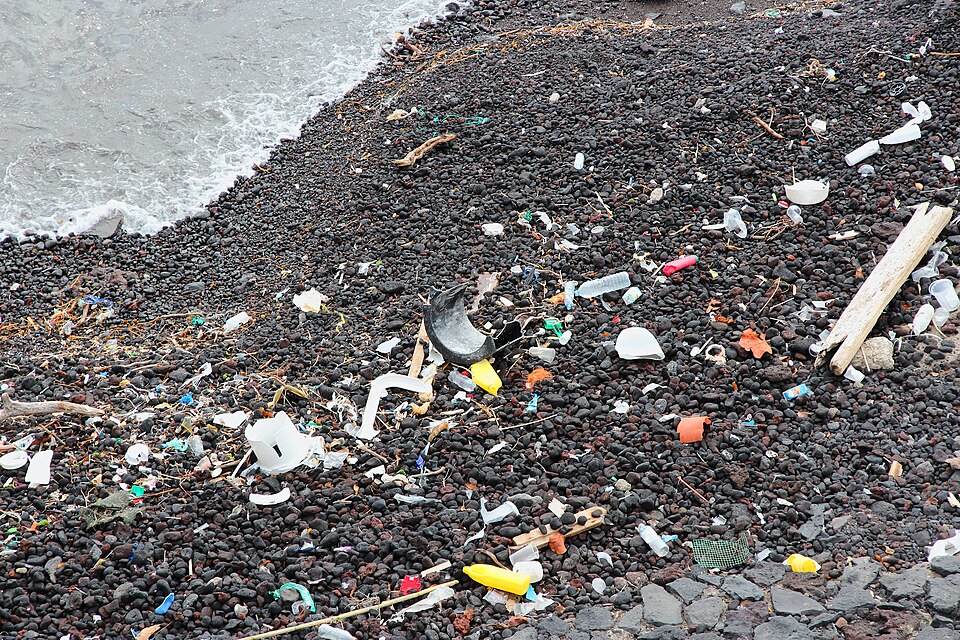
Effects:
- Harm to wildlife (e.g., turtles eating plastic bags).
- Health problems for humans (respiratory diseases, waterborne illnesses).
2. Deforestation
Cutting down forests for:
- Timber
- Agriculture (e.g., palm oil plantations)
- Urban expansion
Example:

Effects:
- Loss of habitats for animals (e.g., orangutans, jaguars).
- Increased carbon dioxide (CO₂) in the air (worsens global warming).
3. Climate Change
Caused by:
- Burning fossil fuels (coal, oil, gas).
- Deforestation.
- Industrial emissions.
Effects:
- Rising global temperatures.
- Melting glaciers and rising sea levels.
- Extreme weather (droughts, floods, storms).
Example:
4. Loss of Biodiversity
Species extinction due to:
- Habitat destruction.
- Poaching (illegal hunting).
- Climate change.
Example:
Why it matters:
- Healthy ecosystems support human life (e.g., bees pollinate crops).
- Medicines come from plants/animals (e.g., aspirin from willow bark).
Sustainable Development: Solutions
Sustainable development aims to meet human needs without harming future generations. Ways to achieve it:
| Solution | How It Works | Example |
|---|---|---|
| Renewable Energy | Uses natural resources (sun, wind, water) instead of fossil fuels. | Solar panels, wind turbines. |
| Recycling | Reusing materials (paper, plastic, metal) to reduce waste. | Recycling bins in cities. |
| Afforestation | Planting trees to replace lost forests. | Community tree-planting drives. |
| Organic Farming | Growing crops without chemicals (pesticides, fertilizers). | Farmers using compost instead of chemicals. |
| Conservation | Protecting natural habitats (national parks, wildlife reserves). | Sagarmatha National Park in Nepal. |
| Public Awareness | Educating people on environmental issues. | School programs, documentaries. |
Role of Individuals and Governments
Individual Actions
- Reduce, Reuse, Recycle (3Rs): Cut waste by reusing items and recycling.
- Save Energy: Turn off lights, use public transport.
- Support Eco-Friendly Products: Buy organic, use cloth bags instead of plastic.
- Plant Trees: Even small actions help!
Government Actions
- Laws and Policies: Ban single-use plastics, set emission limits.
- Funding Green Projects: Support renewable energy, clean water projects.
- International Agreements: Work with other countries (e.g., Paris Agreement on climate change).
Example:
Case Study: Nepal’s Environmental Challenges
Nepal faces unique ecological issues:
- Deforestation: 46% of land is forested, but illegal logging is a problem.
- Air Pollution: Kathmandu’s air quality is among the worst in the world (dust, vehicles, brick kilns).
- Waste Management: Only 20% of waste is recycled; much ends up in rivers.
- Climate Vulnerability: Himalayan glaciers are melting, affecting water supply.
Solutions in Nepal:
- Community Forestry: Locals manage forests together.
- Electric Vehicles: Kathmandu promotes e-rickshaws.
- Clean Energy: Micro-hydro projects in rural areas.
Exam Tip: How to Answer Questions on Ecology and Development
NEB exams test your understanding, analysis, and application of these topics. Here’s how to score full marks:
1. Short Answer Questions (SAQs)
Question: What are the causes of deforestation? Answer Structure:
- List 3–4 causes (e.g., agriculture, logging, urbanization).
- Give one example for each (e.g., "Palm oil plantations in Indonesia").
- Mention one effect (e.g., "Loss of animal habitats").
Sample Answer:
Deforestation occurs due to several human activities. First, agriculture (e.g., clearing forests for soybean farms in Brazil) destroys habitats. Second, logging for timber reduces forest cover. Third, urban expansion (e.g., Kathmandu’s growing cities) removes trees. These actions lead to climate change and biodiversity loss.
2. Essay Questions (Long Answers)
Question: How can sustainable development help protect the environment? Answer Structure:
- Introduction: Define sustainable development and its importance.
- Body Paragraphs (3–4 points):
- Renewable energy (e.g., solar power reduces pollution).
- Conservation (e.g., national parks protect wildlife).
- Public awareness (e.g., schools teaching recycling).
- Government policies (e.g., banning plastic bags).
- Conclusion: Summarize benefits (e.g., "Sustainable development ensures a healthy planet for future generations").
Sample Answer:
Sustainable development is progress that meets human needs without harming the environment. One way it helps is through renewable energy. For example, solar panels reduce reliance on fossil fuels, cutting air pollution. Another method is conservation. Protected areas like Chitwan National Park save endangered species like the Bengal tiger. Public awareness also plays a key role; campaigns teach people to recycle and save water. Governments can enforce laws against deforestation and subsidize eco-friendly technologies. By adopting these practices, societies can balance growth with environmental protection, ensuring a sustainable future.
3. Comprehension Passages
Read a passage on ecology/development, then answer:
- Main idea: What is the passage about?
- Details: Who/what is affected? What solutions are suggested?
- Opinion: Do you agree with the author’s view? Why?
Example Passage:
"The rapid growth of factories in developing countries has led to severe air pollution. Children in cities like Delhi and Kathmandu suffer from asthma due to toxic fumes. To solve this, governments should enforce stricter emission rules and promote electric vehicles."
Questions:
- What is the main problem discussed? → Air pollution from factories.
- Who is affected? → Children in cities like Delhi and Kathmandu.
- What solutions are suggested? → Stricter emission rules, electric vehicles.
- Do you agree? Why? → Yes, because clean air is essential for health. Factories should use filters and governments must monitor pollution levels.
NEB-Style Practice Questions
Multiple Choice (Choose the correct answer)
Which of the following is NOT a cause of deforestation? a) Agriculture b) Afforestation c) Logging d) Urbanization Answer: b) Afforestation (it’s a solution, not a cause).
What is the main effect of plastic pollution in oceans? a) Increases fish population b) Harms marine life c) Creates new islands d) Improves water quality Answer: b) Harms marine life.
Short Answer
Explain two ways individuals can reduce pollution. → Use public transport (reduces vehicle emissions). → Recycle waste (less landfill pollution).
Why is biodiversity important for humans? → Provides food, medicine, and clean air/water. → Supports ecosystems (e.g., bees pollinate crops).
Essay (Write in 150–200 words)
- "Development should not come at the cost of the environment." Discuss.
→ Introduction: Define development and ecology.
→ Body:
- Pros of development: Jobs, better healthcare, infrastructure.
- Cons: Pollution, deforestation, climate change.
- Solution: Sustainable development (e.g., green energy, recycling). → Conclusion: Balance is key—progress should protect nature.
Key Vocabulary for Exams
| Word | Meaning |
|---|---|
| Biodiversity | Variety of plant and animal life. |
| Ecosystem | Community of living things and their environment. |
| Renewable | Energy from natural sources (sun, wind). |
| Deforestation | Cutting down forests. |
| Conservation | Protecting natural resources. |
| Pollution | Harmful substances in air, water, or soil. |
| Sustainable | Meeting needs without harming the future. |
| Emissions | Gases released by factories/vehicles. |
| Habitat | Natural home of an animal or plant. |
| Recycle | Reusing materials to reduce waste. |
Final Tips for NEB Exams
- Learn definitions by heart (e.g., ecology, sustainable development).
- Practice short answers—use bullet points for clarity.
- For essays, structure your answer (intro, body, conclusion).
- Use examples from Nepal/global issues (e.g., Kathmandu’s pollution, Amazon deforestation).
- Revise vocabulary—many questions test word meanings.
Remember: Ecology and development are interconnected. Your actions today shape the planet’s future! 🌍💚
Based on the NEB +2 Humanities syllabus for English (Eng), unit 10.
Discussion
Loading…