Rural DevelopmentUnit 88 min read
NGOs, INGOs: Roles, Types & Rural Impact
Unit 8 of Rural Development explains how NGOs and INGOs contribute to rural development in Nepal, covering their definitions, types, functions, advantages, limitations, and real-world examples like the Nepal Red Cross Society or Oxfam.
TAKEAWAYS:
- NGOs and INGOs are key players in rural development, filling gaps left by government programs.
- NGOs are local organizations, while INGOs operate internationally but work closely with rural communities.
- Both provide services like healthcare, education, and infrastructure but face challenges like sustainability and dependency.
- Successful projects (e.g., microfinance, sanitation) show their impact, but critics argue they sometimes create dependency.
- NEB exams test definitions, comparisons, and case studies—always link theory to real Nepalese examples.
What Are NGOs and INGOs?
NGOs (Non-Governmental Organizations) and INGOs (International NGOs) are groups that work for social, economic, or environmental causes. Unlike governments, they are independent and often focus on helping people in need.
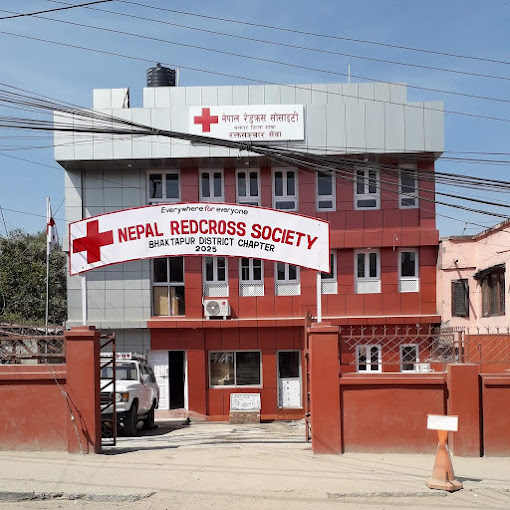 Real structure of Nepal Red Cross Society (NGO example) (Image: Bhakta Chandan Barahi, CC BY 4.0, via Wikimedia Commons)
NGOs in Nepal
- Definition: NGOs are local organizations registered under Nepal’s laws (e.g., Social Welfare Act 2035).
- Examples:
- Nepal Red Cross Society (healthcare, disaster relief)
- Practical Action Nepal (renewable energy, sustainable farming)
- INSEC (Institute of Social and Environmental Change) (community development)
INGOs in Nepal
- Definition: INGOs operate globally but work in Nepal with local partners (e.g., Oxfam, Save the Children).
- Examples:
- Oxfam Nepal (poverty reduction, women’s empowerment)
- UNICEF Nepal (child health, education)
- World Vision Nepal (community development, disaster response)
How Do NGOs and INGOs Work in Rural Areas?
They follow a project-based approach:
- Identify a need (e.g., lack of clean water, poor schools).
- Plan a project (e.g., building a water tank, training teachers).
- Get funding (donations, grants, or loans).
- Implement the project (with local communities).
- Monitor and evaluate (check if it worked).
flowchart TD
    A["Identify Need"] --> B["Plan Project"]
    B --> C["Get Funding"]
    C --> D["Implement"]
    D --> E["Monitor & Evaluate"]
E -->|"Success?"| F["Yes: Sustain\nNo: Improve"]Example: Practical Action Nepal’s biogas project
- Need: Rural families rely on firewood (deforestation, health risks).
- Solution: Install biogas plants using cow dung.
- Impact: Clean energy, reduced pollution, women’s time saved.
Types of NGOs and INGOs
| Type | Examples | Focus Areas |
|---|---|---|
| Development NGOs | Practical Action, INSEC | Education, healthcare, infrastructure |
| Relief NGOs | Nepal Red Cross, Oxfam | Disaster response, emergency aid |
| Advocacy NGOs | Forum Asia, FIDA | Human rights, policy change |
| INGOs (International) | UNICEF, Save the Children | Global programs with local partnerships |
Advantages of NGOs/INGOs in Rural Development
✅ Fill government gaps: Many rural areas lack services; NGOs step in. ✅ Community-focused: Work with villagers, not for them. ✅ Innovative solutions: Test new ideas (e.g., microfinance, renewable energy). ✅ Disaster response: Quick aid after earthquakes/floods (e.g., 2015 earthquake relief).
Limitations and Criticisms
❌ Dependency: Villagers may rely too much on NGOs instead of self-help. ❌ Short-term projects: Some projects stop after funding ends. ❌ Corruption risks: Misuse of funds (though most are transparent). ❌ Urban bias: Some NGOs focus more on cities than remote villages.
Example: Microfinance NGOs
- Good: Help poor women start businesses.
- Bad: High interest rates can trap borrowers in debt.
How NGOs and INGOs Work Together
| Aspect | NGOs (Local) | INGOs (International) |
|---|---|---|
| Funding | Local donors, government grants | Global donors (UN, World Bank) |
| Expertise | Deep local knowledge | Global best practices |
| Reach | Limited to Nepal | Work in multiple countries |
| Example | INSEC (Nepal) | Oxfam (global but active in Nepal) |
Real-World Link:
- Oxfam Nepal partners with local NGOs to run water projects.
- UNICEF works with Nepal’s Ministry of Education for school programs.
Case Study: Nepal Red Cross Society
Role: Disaster relief, healthcare, and community health programs. Example Project: First Aid Training in Rural Schools
- How it works:
- Trains teachers in first aid.
- Teachers teach students.
- Students share knowledge in villages.
- Impact: Saves lives in accidents and emergencies.
How Are NGOs Funded?
| Source | Example | Pros | Cons |
|---|---|---|---|
| Donations | Individuals, companies | Sustainable if regular | Unpredictable income |
| Grants | Government, UN, World Bank | Large funds for big projects | Strict reporting requirements |
| Loans | Banks, microfinance institutions | No immediate pressure to repay | Risk of debt if project fails |
| Project Fees | Charging for services (e.g., training) | Reliable income | May exclude poorest communities |
Exam Tip: How to Score Full Marks
- Define clearly:
- "NGOs are independent organizations working for social welfare, registered under Nepal’s Social Welfare Act."
- Compare NGOs vs. INGOs (use a table like above).
- Use real examples:
- "Like Practical Action’s biogas project, NGOs provide sustainable solutions."
- Discuss pros and cons (balance both sides).
- Link to Nepal:
- "INGOs like Oxfam work with local NGOs to ensure cultural relevance."
NEB Board-Style Questions (Practice!)
Short Answer (5 marks) What are the main differences between NGOs and INGOs? Give one example of each working in Nepal.
Answer: NGOs are local organizations (e.g., INSEC), while INGOs operate globally (e.g., Oxfam). NGOs focus on Nepal’s needs, while INGOs bring international expertise but work with local partners.
Long Answer (10 marks) How do NGOs contribute to rural health in Nepal? Discuss with examples and challenges.
Answer: NGOs improve rural health by:
- Running clinics (e.g., Nepal Red Cross in remote areas).
- Training health workers (e.g., Practical Action’s maternal health programs).
- Promoting hygiene (e.g., UNICEF’s sanitation campaigns). Challenges:
- Limited funds for long-term care.
- Some villages resist new health practices.
Summary
- NGOs and INGOs play a big role in rural Nepal.
- They help where the government can’t reach but must avoid creating dependency.
- Always use examples (e.g., biogas, first aid training) in exams!
- Critique both sides: Their work is valuable, but challenges exist.
Final Image:
Based on the NEB +2 Humanities syllabus for Rural Development (RD), unit 8.
Discussion
Loading…