EnglishUnit 216 min read
Countries & Cities: Descriptions, Comparisons & Writing Skills
Unit 2 of English teaches how to describe countries and cities, compare them, and write structured paragraphs/essays using descriptive language, vocabulary, and grammar patterns for NEB exams.
TAKEAWAYS:
- Learn descriptive vocabulary for geography, culture, and urban life to paint vivid word pictures.
- Master comparison techniques (similarities/differences) using linking words and sentence structures.
- Practice structured paragraph writing with clear topic sentences, supporting details, and conclusions.
- Understand NEB’s expected format for descriptive and comparative essays (150–200 words).
- Avoid common mistakes like vague descriptions, incorrect prepositions, or overused adjectives.
- Use real-world examples (e.g., Kathmandu vs. New York) to make answers exam-ready.
1. Describing Countries
Countries can be described using physical features, cultural aspects, and economic/social details. NEB often asks for short descriptions (5–6 sentences) or essays (150–200 words).
Key Vocabulary for Descriptions
Use these adjectives and phrases to make your descriptions specific and engaging:
| Category | Vocabulary |
|---|---|
| Geography | Mountainous, fertile plains, tropical, arid, coastal, landlocked, dense forests |
| Climate | Temperate, monsoon, humid, extreme, four seasons, unpredictable weather |
| Culture | Multicultural, traditional, modern, diverse, religious festivals, folklore |
| Economy | Developing, industrialized, agricultural, tourism-based, export-oriented |
| Infrastructure | Well-developed, underdeveloped, modern highways, ancient temples, skyscrapers |
How to Describe a Country Structurally
Follow this 3-part framework for any country description:
Introduction (1 sentence)
- Name the country + one key fact (e.g., "Nepal is a landlocked country in South Asia known for its Himalayan peaks and rich cultural heritage.").
Body (2–3 paragraphs)
- Paragraph 1: Geography + Climate
- "Nepal’s geography is dominated by the Himalayas, including Mount Everest, the world’s highest peak. The southern region consists of fertile plains called Terai, while the central hills are home to ancient cities like Kathmandu."
- Paragraph 2: Culture + Economy
- "Nepalese culture is deeply rooted in Hinduism and Buddhism, with festivals like Dashain and Tihar celebrated with great enthusiasm. The economy relies heavily on agriculture, tourism, and remittances from Nepali workers abroad."
- Paragraph 1: Geography + Climate
Conclusion (1 sentence)
- Summarize the most important feature (e.g., "Despite its challenges, Nepal’s natural beauty and cultural richness make it a unique destination for travelers.").
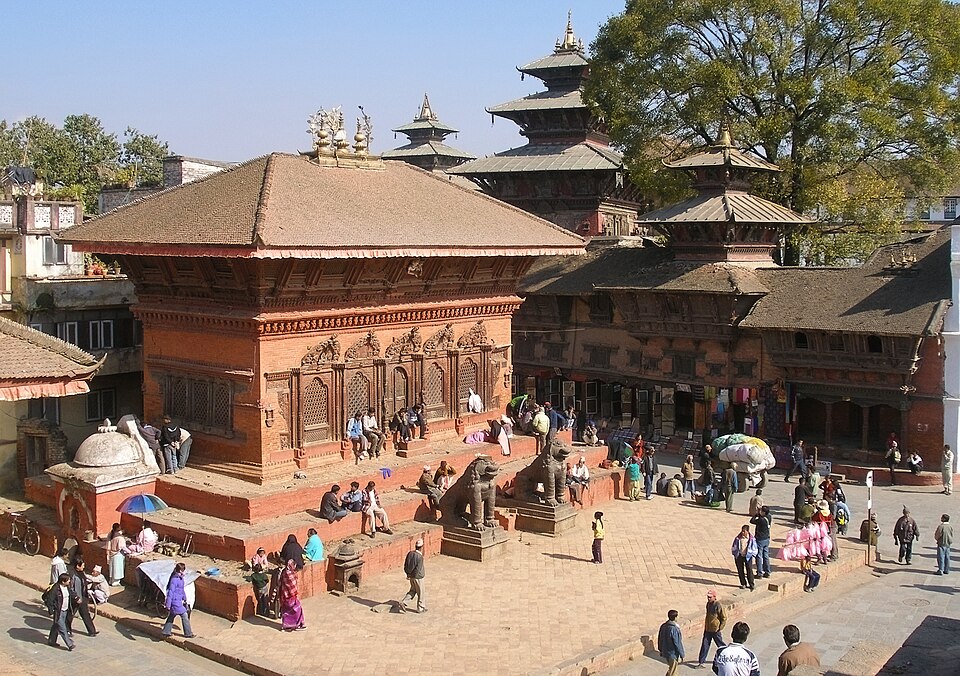 A cultural landmark in Nepal (Image: Original: Vyacheslav Argenberg Derivative work: Unpetitprole, CC BY 4.0, via Wikimedia Commons)
Worked Example: Describe Nepal
Nepal is a small but diverse country nestled in the Himalayas. Its geography ranges from snow-capped mountains in the north to lush green plains in the south. The climate varies from sub-tropical in the Terai to arctic in the high Himalayas, creating a unique ecosystem. Culturally, Nepal is a melting pot of Hindu and Buddhist traditions, famous for festivals like Dashain and Tihar. Economically, it is an agricultural country, though tourism and remittances play crucial roles. Despite its limited infrastructure, Nepal’s natural beauty and spiritual heritage attract millions of visitors each year.
2. Describing Cities
Cities are described using location, layout, landmarks, and daily life. NEB often compares two cities (e.g., Kathmandu vs. New York) or asks for a detailed description.
Key Vocabulary for Cities
| Category | Vocabulary |
|---|---|
| Location | Coastal, inland, capital, metropolitan, sprawling, congested |
| Layout | Grid system, chaotic, well-planned, high-rise buildings, narrow streets |
| Landmarks | Skyscrapers, ancient temples, parks, bridges, monuments |
| Daily Life | Bustling, peaceful, traffic jams, modern lifestyle, traditional markets |
| Transport | Public transport, private vehicles, walkable, crowded buses |
How to Describe a City Structurally
Use this 4-part framework:
Introduction (1 sentence)
- "Kathmandu, the capital of Nepal, is a city where ancient traditions meet modern challenges."
Body (3 paragraphs)
- Paragraph 1: Location + Layout
- "Situated in the Kathmandu Valley, the city is surrounded by hills and is known for its medieval architecture and narrow, winding streets. Unlike modern cities, Kathmandu lacks a grid system, making navigation difficult for tourists."
- Paragraph 2: Landmarks + Culture
- "Key attractions include Durbar Square, a UNESCO World Heritage Site with ancient palaces and temples, and Swayambhunath Stupa, the famous ‘Monkey Temple.’ The city is also a hub for Buddhist and Hindu pilgrims."
- Paragraph 3: Daily Life + Challenges
- "Life in Kathmandu is a mix of traditional markets and modern cafes. However, traffic congestion, air pollution, and overpopulation remain major issues."
- Paragraph 1: Location + Layout
Conclusion (1 sentence)
- "Despite its problems, Kathmandu’s rich history and cultural vibrancy make it one of South Asia’s most fascinating cities."
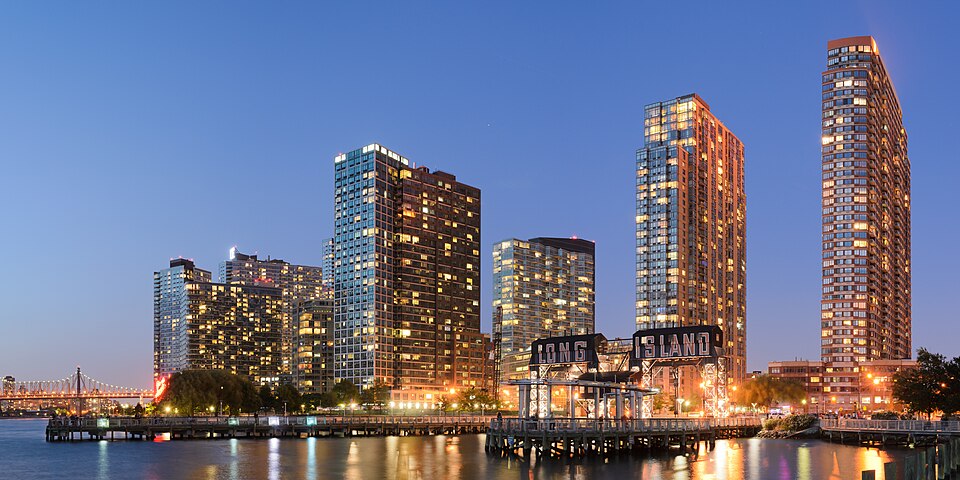 Comparison: Modern grid layout vs. Kathmandu’s medieval streets (Image: King of Hearts, CC BY-SA 3.0, via Wikimedia Commons)
Worked Example: Describe Kathmandu
Kathmandu, the bustling capital of Nepal, is a city of contrasts. Located in a valley surrounded by hills, it is famous for its medieval architecture, including temples and palaces in Durbar Square. Unlike modern cities, Kathmandu’s streets are narrow and chaotic, with a mix of rickshaws, motorcycles, and cars. Landmarks like Swayambhunath Stupa and Pashupatinath Temple attract both pilgrims and tourists. Daily life revolves around traditional markets and modern shopping malls, but traffic jams and pollution are constant struggles. Despite these challenges, Kathmandu’s cultural heritage and spiritual significance make it a unique urban center in the Himalayas.
3. Comparing Countries or Cities
NEB frequently asks for comparisons (e.g., "Compare Kathmandu and New York" or "Compare Nepal and Japan").
Key Steps for Comparison
- Choose 2–3 aspects to compare (e.g., geography, culture, economy).
- Use a table for clarity (if space allows).
- Use linking words for smooth transitions.
Comparison Table Example: Kathmandu vs. New York
| Aspect | Kathmandu | New York |
|---|---|---|
| Geography | Located in a valley, surrounded by hills; mountainous terrain | Coastal city on the Atlantic Ocean; flat, grid-layout streets |
| Climate | Temperate to cold winters, warm summers; unpredictable monsoons | Four distinct seasons, humid summers, cold winters |
| Culture | Ancient traditions (Hindu/Buddhist festivals, traditional music) | Multicultural (diverse food, Broadway, modern art) |
| Economy | Agriculture-based, tourism, remittances | Financial hub, tourism, global business center |
| Transport | Crowded buses, rickshaws, limited metro | Subway, taxis, walkable streets, modern airports |
How to Write a Comparison Paragraph
While Kathmandu and New York are both major cities, they differ greatly in geography and lifestyle. Kathmandu is nestled in a valley with hills, giving it a compact, medieval feel, whereas New York is a sprawling coastal metropolis with wide, grid-like streets. Culturally, Kathmandu is dominated by ancient Hindu and Buddhist traditions, while New York is a melting pot of global cultures, known for its modern art and entertainment. Economically, Kathmandu relies on agriculture and tourism, whereas New York is a world financial center. Finally, transport in Kathmandu is chaotic and crowded, while New York offers efficient subway systems and taxis. Despite these differences, both cities are vibrant and full of energy, just in different ways.
4. Grammar for Descriptions & Comparisons
NEB tests grammar accuracy in descriptions. Focus on:
classDiagram
    class ComparisonStructure {
        +Introduction: State topic + purpose
        +Body:
            -Similarities: "Both X and Y have..."
            -Differences: "However, X has... while Y has..."
        +Conclusion: Summarize key points
    }
    class LinkingWords {
        +Similarities: "Similarly", "Likewise", "Both... and..."
        +Differences: "On the other hand", "Whereas", "Unlike"
    }
    ComparisonStructure --> LinkingWords : "Uses"
    class Example {
        +"Nepal and Japan both have rich cultural traditions, but Nepal’s economy is less developed than Japan’s."
    }
Grammar structure for comparisons (NEB-style)A. Prepositions for Places
| Place | Preposition | Example |
|---|---|---|
| In | Enclosed spaces | She lives in Kathmandu. |
| On | Streets, roads | The temple is on Durbar Square. |
| At | Specific points | We arrived at the airport. |
| Between | Two places | The valley is between two hills. |
| Among | More than two | Kathmandu is among the oldest cities in Asia. |
B. Comparatives & Superlatives
- Regular adjectives → tall → taller → tallest
- Irregular adjectives → good → better → best
- Linking words for comparisons:
- Similarly, …
- Unlike …, …
- Whereas …
- Both … and …
C. Linking Words for Descriptions
| Purpose | Linking Words |
|---|---|
| Adding details | Moreover, Furthermore, Additionally |
| Contrasting | However, Although, Despite |
| Examples | For instance, Such as, For example |
| Conclusion | In conclusion, Therefore, Thus |
5. Writing Practice: Descriptive & Comparative Essays
NEB expects structured essays (150–200 words). Follow this template:
Template for Descriptive Essay (Country/City)
- Introduction (1 sentence) → Hook + key fact
- Body Paragraph 1 (Geography/Climate)
- Body Paragraph 2 (Culture/Economy)
- Conclusion (1 sentence) → Summary + final thought
Template for Comparative Essay
- Introduction (1 sentence) → State both subjects
- Body Paragraph 1 (Aspect 1: Geography/Culture)
- Body Paragraph 2 (Aspect 2: Economy/Transport)
- Conclusion (1 sentence) → Final comparison
6. NEB-Style Questions & Answers
Question 1: Describe Nepal.
Nepal is a small Himalayan country in South Asia, famous for Mount Everest and its rich cultural heritage. Geographically, it has three main regions: the Himalayas in the north, the hills in the center, and the Terai plains in the south. The climate varies from tropical in the Terai to arctic in the high mountains. Culturally, Nepal is a blend of Hindu and Buddhist traditions, with festivals like Dashain and Tihar celebrated with great enthusiasm. The economy depends on agriculture, tourism, and remittances. Despite its limited infrastructure, Nepal’s natural beauty and spiritual sites attract millions of tourists annually.
Question 2: Compare Kathmandu and New York.
Kathmandu and New York are both major cities, but they differ significantly in geography, culture, and lifestyle. Kathmandu is a compact, hilly city with medieval architecture, while New York is a sprawling coastal metropolis with skyscrapers and grid streets. Culturally, Kathmandu is rooted in ancient Hindu and Buddhist traditions, whereas New York is a global cultural hub with Broadway and diverse cuisines. Economically, Kathmandu relies on tourism and agriculture, while New York is a financial and business center. Transport in Kathmandu is chaotic and crowded, whereas New York has an efficient subway system. Despite these differences, both cities are vibrant and full of energy, offering unique experiences to their residents and visitors.
Question 3: Describe a city you have visited.
Pokhara, a city in Nepal, is known for its stunning lakes and adventure sports. Located in a valley surrounded by the Annapurna Himalayas, it offers breathtaking views of mountains and lakes like Phewa. The climate is mild year-round, making it a popular tourist destination. Pokhara’s culture is a mix of traditional Newari and modern lifestyles, with markets selling everything from handicrafts to trekking gear. The city is famous for paragliding, boating, and trekking, attracting adventure enthusiasts. However, traffic congestion and pollution are growing concerns. Despite these challenges, Pokhara’s natural beauty and relaxed atmosphere make it a must-visit place.
Exam Tip: How to Score Full Marks
Structure Matters
- Always follow the introduction-body-conclusion format.
- Use paragraphs (NEB deducts marks for long, unbroken text).
Use Descriptive Vocabulary
- Avoid vague words like "big," "beautiful," "important" → Use "sprawling metropolis," "ancient temples," "financial hub."
Compare Properly
- For comparisons, pick 2–3 clear aspects (e.g., geography, culture, economy).
- Use linking words (while, whereas, unlike) to show contrast.
Grammar & Prepositions
- Common mistakes:
- ❌ "in the Himalaya" → ✅ "in the Himalayas"
- ❌ "on the mountain" → ✅ "in the mountains" (for general areas)
- Check comparative forms (good → better, not gooder).
- Common mistakes:
Word Count & Clarity
- NEB expects 150–200 words for essays.
- Avoid repetition (e.g., don’t say "city" five times in a row).
- Proofread for spelling ("seperate" → "separate").
Real Examples Work Best
- Use real cities/countries (e.g., Kathmandu, New York, Japan, Australia) instead of vague ones.
- If describing a hypothetical place, make it believable (e.g., "Imagine a city with floating markets…").
Final Practice Exercise
Write a 150-word essay comparing Nepal and Japan. (Hint: Focus on geography, culture, and economy. Use linking words like "while," "however," and "both.")
Answer Key (For Self-Checking):
Nepal and Japan are both culturally rich countries, but they differ greatly in geography and development. Nepal, a landlocked Himalayan nation, has mountainous terrain and a mixed economy based on agriculture and tourism. Japan, an island nation, is highly industrialized with advanced technology. Culturally, both countries have strong traditions—Nepal with Hindu/Buddhist festivals, and Japan with cherry blossom celebrations and tea ceremonies. However, Japan’s modern infrastructure contrasts with Nepal’s rural and traditional lifestyle. While Nepal struggles with limited resources, Japan is a global economic power. Despite these differences, both nations value family and community, making them unique in their own ways.
Remember: ✅ Describe with details (not just "it’s big" → "it’s a sprawling metropolis with skyscrapers"). ✅ Compare logically (pick 2–3 clear points). ✅ Use grammar correctly (prepositions, comparatives, linking words). ✅ Practice writing daily to build speed and accuracy.
Good luck with your NEB exam preparation! 🚀
Based on the NEB +2 Management syllabus for English (Eng), unit 2.
Discussion
Loading…