EnglishUnit 411 min read
Ecology & Environment: Ecosystems, Pollution, Conservation & Sustainable Living
Unit 4 of English explores how living things interact with their environment, the dangers of pollution, and how we can protect nature for future generations through clear explanations, real-world examples, and exam-focused writing skills.
What is Ecology and Environment?
Ecology is the study of how living things (plants, animals, humans) interact with each other and their surroundings. The environment includes everything around us: air, water, soil, and living things.
Key Terms to Remember:
- Ecosystem: A community of living things (plants, animals, microbes) and their physical environment (air, water, soil) working together.
- Habitat: The natural home or environment of an animal, plant, or other organism.
- Biotic Factors: Living parts of an ecosystem (e.g., trees, birds, bacteria).
- Abiotic Factors: Non-living parts of an ecosystem (e.g., sunlight, water, temperature).
Types of Ecosystems
Ecosystems can be divided into two main types:
1. Natural Ecosystems
These are found in nature and are not created by humans. Examples:
- Forest Ecosystems: Dense with trees, plants, and animals (e.g., Amazon Rainforest).
- Grassland Ecosystems: Open areas with grasses and few trees (e.g., Prairies in North America).
- Aquatic Ecosystems: Found in water bodies like rivers, lakes, and oceans.
- Freshwater Ecosystems: Lakes, ponds, rivers.
- Marine Ecosystems: Oceans, coral reefs, estuaries.
2. Artificial or Man-Made Ecosystems
These are created and maintained by humans. Examples:
- Agricultural Ecosystems: Farms, orchards.
- Urban Ecosystems: Cities, parks, gardens.
- Aquariums and Zoos: Controlled environments for animals and plants.
flowchart TD
    A["Ecosystems"] --> B["Natural"]
    A --> C["Artificial"]
    B --> B1["Forest"]
    B --> B2["Grassland"]
    B --> B3["Aquatic"]
    C --> C1["Agricultural"]
    C --> C2["Urban"]
    C --> C3["Aquariums/Zoos"]
How Ecosystems Work: Food Chains and Food Webs
Food Chain
A food chain shows how energy flows from one living thing to another in a simple sequence.
Example: Grass → Grasshopper → Frog → Snake → Eagle
Food Web
A food web is a more complex network of food chains. It shows how different food chains are connected.
Roles in an Ecosystem:
- Producers: Make their own food (e.g., plants through photosynthesis).
- Consumers: Eat other organisms for energy.
- Primary Consumers: Eat producers (e.g., grasshoppers).
- Secondary Consumers: Eat primary consumers (e.g., frogs).
- Tertiary Consumers: Eat secondary consumers (e.g., snakes).
- Decomposers: Break down dead organisms (e.g., bacteria, fungi).
Environmental Pollution: Causes and Effects
Pollution happens when harmful substances contaminate the natural environment. There are different types of pollution:
1. Air Pollution
Caused by:
- Vehicle emissions (e.g., smoke from cars).
- Industrial factories (e.g., smoke from chimneys).
- Burning of garbage and wood.
Effects:
- Respiratory diseases (e.g., asthma, lung cancer).
- Global warming and climate change.
- Acid rain (damages plants and buildings).
2. Water Pollution
Caused by:
- Dumping waste into rivers and lakes.
- Chemical fertilizers and pesticides from farms.
- Oil spills from ships.
Effects:
- Death of aquatic life (e.g., fish, plants).
- Spread of waterborne diseases (e.g., cholera, dysentery).
- Contamination of drinking water.
3. Soil Pollution
Caused by:
- Use of chemical pesticides and fertilizers.
- Plastic waste and industrial waste dumping.
- Deforestation.
Effects:
- Loss of fertile soil.
- Harm to plants and animals.
- Contamination of groundwater.
4. Noise Pollution
Caused by:
- Loud vehicles (e.g., motorcycles, trucks).
- Construction sites.
- Loudspeakers and music systems.
Effects:
- Hearing loss.
- Stress and sleep disturbances.
- Animal behavior changes.
5. Light Pollution
Caused by:
- Excessive street lighting.
- Billboards and neon signs.
Effects:
- Disrupts sleep patterns in humans and animals.
- Affects migration patterns of birds and insects.
Conservation of Environment
Conservation means protecting and preserving the natural environment and its resources. Here are some ways to conserve the environment:
1. Reduce, Reuse, Recycle (3R)
- Reduce: Use less of something (e.g., turn off lights when not in use).
- Reuse: Find new ways to use things (e.g., reuse plastic bottles).
- Recycle: Convert waste into new products (e.g., paper, glass, metal).
flowchart TD
    A["Conservation"] --> B["Reduce"]
    A --> C["Reuse"]
    A --> D["Recycle"]
    B --> B1["Save energy"]
    C --> C1["Repair items"]
    D --> D1["Sort waste"]
2. Afforestation and Reforestation
- Afforestation: Planting trees in areas where there were no trees before.
- Reforestation: Planting trees in areas where forests have been cut down.
Benefits:
- Increases oxygen supply.
- Reduces soil erosion.
- Provides habitat for wildlife.
3. Use of Renewable Energy
- Solar energy, wind energy, and hydroelectric power are clean and renewable sources of energy.
4. Protect Wildlife
- Create wildlife sanctuaries and national parks.
- Avoid using plastic and other harmful materials.
5. Educate and Spread Awareness
- Teach people about the importance of conservation.
- Organize clean-up drives and tree-planting campaigns.
Sustainable Living
Sustainable living means living in a way that meets our needs without harming the environment or depleting resources for future generations.
Tips for Sustainable Living:
- Save Water: Turn off taps while brushing teeth, fix leaky pipes.
- Save Energy: Use energy-efficient bulbs, unplug unused electronics.
- Use Public Transport: Reduce carbon footprint by using buses, trains, or carpooling.
- Buy Local and Organic: Reduce the carbon footprint from transportation and support local farmers.
- Avoid Single-Use Plastics: Use reusable bags, bottles, and containers.
NEB Exam Tips for Unit 4: Ecology and Environment
1. Understand Key Terms
- Memorize definitions of terms like ecosystem, habitat, pollution, conservation, sustainable living.
- Use flashcards or write them in your notebook.
2. Practice Diagram-Based Questions
- The NEB exam often includes questions asking you to draw and label food chains, food webs, or ecosystems.
- Practice drawing simple diagrams like the ones above.
3. Write Short and Long Answers
- Short Answers (5-10 marks): Focus on definitions, causes, and effects. Use bullet points for clarity.
- Long Answers (15-20 marks): Structure your answer with an introduction, body (explain with examples), and conclusion.
Example Short Answer Question: "What are the causes and effects of water pollution?" Answer:
- Causes:
- Dumping waste into water bodies.
- Chemical runoff from farms.
- Oil spills.
- Effects:
- Death of aquatic life.
- Spread of waterborne diseases.
- Contamination of drinking water.
Example Long Answer Question: "Explain the importance of conservation. How can we conserve our environment?" Answer: Conservation is crucial for maintaining the balance of nature and ensuring the survival of future generations. Here are some ways to conserve our environment:
- Reduce, Reuse, Recycle: Minimize waste and reuse materials to reduce pollution.
- Afforestation and Reforestation: Plant more trees to increase green cover and reduce carbon dioxide levels.
- Use Renewable Energy: Shift to solar, wind, and hydroelectric power to reduce reliance on fossil fuels.
- Protect Wildlife: Create protected areas for animals and avoid using harmful chemicals.
- Educate and Spread Awareness: Teach others about the importance of conservation through campaigns and workshops.
4. Use Real-Life Examples
- The NEB exam loves real-world examples. Mention local issues like:
- Deforestation in the Chure region.
- Air pollution in Kathmandu Valley.
- Plastic pollution in rivers like the Bagmati.
5. Practice Writing Essays
- The exam may ask you to write an essay on "The Role of Individuals in Environmental Conservation" or "The Effects of Pollution on Human Health."
- Structure your essay as follows:
- Introduction: Briefly introduce the topic.
- Body: Explain with examples and evidence.
- Conclusion: Summarize and suggest solutions.
Solved NEB Board-Style Questions
Question 1: Short Answer (5 marks)
"Describe the biotic and abiotic components of an ecosystem with examples."
Answer: An ecosystem consists of biotic (living) and abiotic (non-living) components.
| Biotic Components | Abiotic Components |
|---|---|
| Plants (e.g., trees, grasses) | Sunlight |
| Animals (e.g., lions, birds) | Water |
| Microbes (e.g., bacteria, fungi) | Soil |
| Humans | Temperature |
| Air |
Question 2: Diagram-Based (10 marks)
"Draw and label a food chain involving four organisms. Explain the role of each organism in the chain."
Answer:
- Grass (Producer): Makes its own food through photosynthesis.
- Grasshopper (Primary Consumer): Eats grass for energy.
- Frog (Secondary Consumer): Eats grasshoppers.
- Snake (Tertiary Consumer): Eats frogs.
Question 3: Essay (20 marks)
"Discuss the causes and effects of air pollution. Suggest measures to control it."
Answer: Introduction: Air pollution is one of the biggest environmental challenges today. It affects both humans and the natural world.
Causes of Air Pollution:
- Vehicle Emissions: Cars, buses, and motorcycles release harmful gases like carbon monoxide and nitrogen oxides.
- Industrial Activities: Factories release smoke and chemicals into the air.
- Burning of Fossil Fuels: Coal and wood burning for energy produce smoke and ash.
- Agricultural Practices: Burning crop residues releases harmful particles.
Effects of Air Pollution:
- Health Problems: Causes respiratory diseases like asthma and lung cancer.
- Global Warming: Increases greenhouse gases, leading to climate change.
- Acid Rain: Damages plants, soil, and buildings.
- Reduced Visibility: Smog reduces visibility, affecting transport and health.
Measures to Control Air Pollution:
- Use Public Transport: Reduces the number of vehicles on the road.
- Plant More Trees: Trees absorb carbon dioxide and release oxygen.
- Use Clean Energy: Shift to solar, wind, and hydroelectric power.
- Follow Emission Norms: Industries should follow strict pollution control laws.
- Avoid Burning: Use clean cooking fuels instead of wood or coal.
Conclusion: Air pollution is a serious issue, but we can control it by adopting sustainable practices and raising awareness. Everyone must play their part to protect our environment for future generations.
Summary
| Topic | Key Points |
|---|---|
| Ecosystem | Living (biotic) and non-living (abiotic) parts interact. |
| Food Chain/Web | Shows energy flow; producers → consumers → decomposers. |
| Pollution Types | Air, water, soil, noise, light. |
| Conservation | Protects nature; includes 3R, afforestation, renewable energy. |
| Sustainable Living | Save water, energy, use public transport, avoid plastics. |
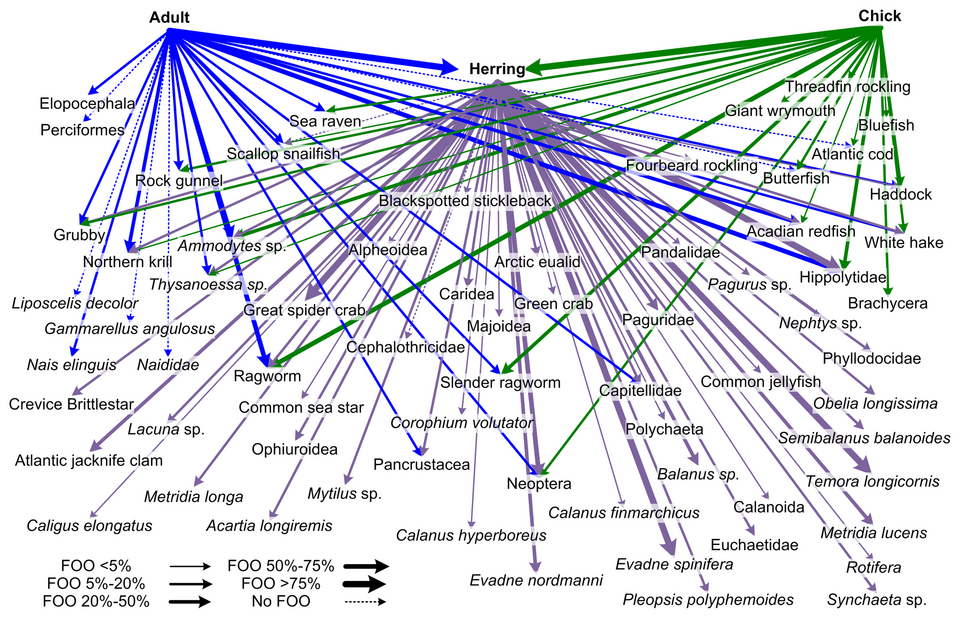 A simple food chain showing energy transfer from grass to eagle. (Image: A. Kirsten Bowser, Antony W. Diamond and Jason A. Addison, CC BY 4.0, via Wikimedia Commons)
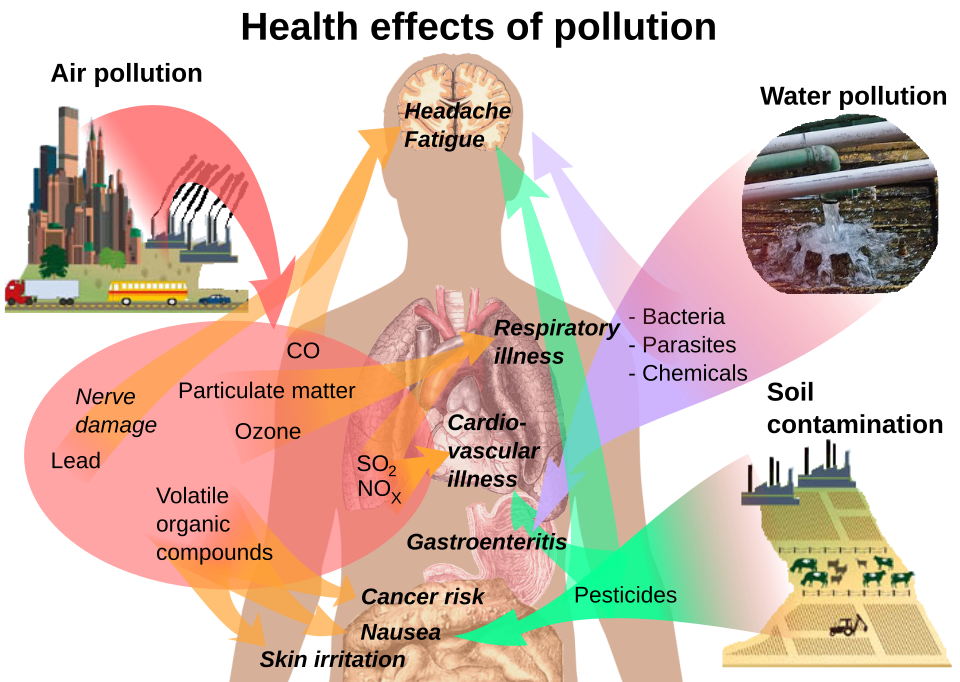 A diagram showing how pollution affects human health. (Image: Mikael Häggström, Public domain, via Wikimedia Commons)
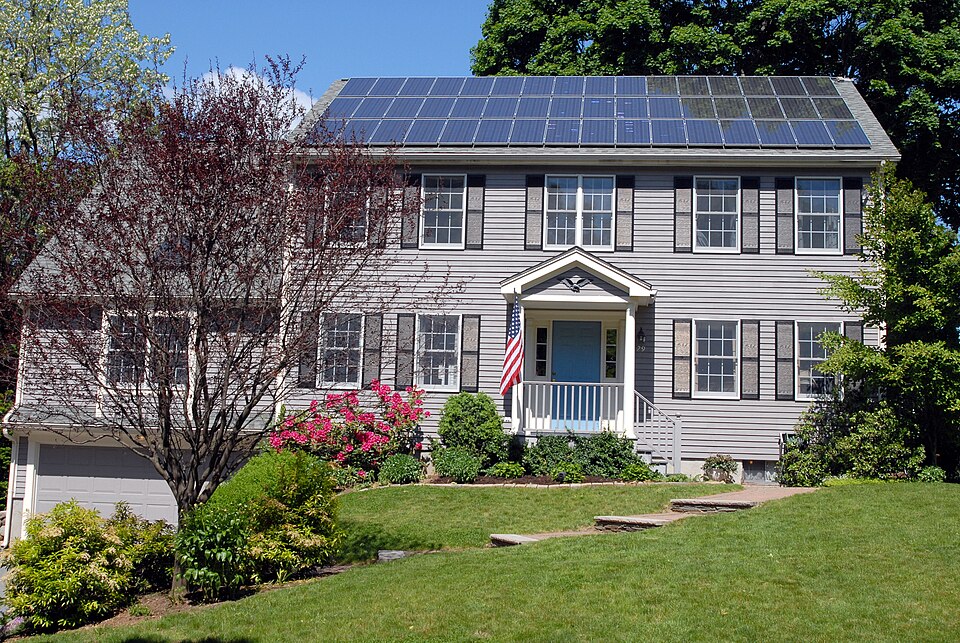 An example of renewable energy use in homes. (Image: Gray Watson User:E090, CC BY-SA 3.0, via Wikimedia Commons)
Based on the NEB +2 Science syllabus for English (Eng), unit 4.
Discussion
Loading…