Financial Accounting IUnit 712 min read
Cash Book: Types, Entries & Reconciliation
Unit 7 of Financial Accounting I explains the Cash Book—its types (single-column, double-column, triple-column), formats, entries for cash transactions, and reconciliation with bank statements—using real-world examples like eSewa deposits and Khalti transactions, with visual t-accounts and worked examples in NPR.
TAKEAWAYS:
- A Cash Book records all cash receipts and payments in chronological order, acting as a subsidiary book for the ledger.
- It has three types: single-column (cash only), double-column (cash + bank), and triple-column (cash + bank + discount columns).
- Contra entries (e.g., cash withdrawn from bank) are recorded in the bank column of a double-column Cash Book.
- Discounts (cash and trade) are recorded in a triple-column Cash Book to track discounts allowed/received.
- Bank reconciliation identifies discrepancies between the Cash Book and bank statement (e.g., unrecorded cheques, bank charges).
- Exam focus: Trace cash transactions, prepare Cash Books, and reconcile statements—always show workings for adjustments.
1. What is a Cash Book?
A Cash Book is a specialized journal that records all cash transactions (receipts and payments) of a business in chronological order. It serves as both a journal (for recording transactions) and a ledger (for summarizing cash balances).
Why Use a Cash Book?
- Single record: Avoids duplication of cash transactions in the general journal.
- Real-time tracking: Helps monitor cash inflows/outflows daily.
- Bank reconciliation: Easily compares cash book balances with bank statements.
- Fraud prevention: Reduces errors by centralizing cash records.
2. Types of Cash Books
There are three main types, each suited to different business needs:
| Type | Columns | When to Use | Example (Nepal) |
|---|---|---|---|
| Single-column | Cash (Dr/Cr) only | Small businesses with no bank account | A Kathmandu tea stall (cash-only) |
| Double-column | Cash + Bank (Dr/Cr) | Businesses with both cash and bank | A retail shop (eSewa + cash sales) |
| Triple-column | Cash + Bank + Discounts (Dr/Cr) | Businesses offering cash discounts | A Daraz seller (discounts on bulk) |
3. Format of a Cash Book
A. Single-Column Cash Book
Records only cash transactions (no bank column).
| Date       | Particulars (L.F.) | L.F. | Amount (NPR) |
|------------|--------------------|------|--------------|
|            | **Dr. Cash A/c**   |      | **Cr.**      |
| 2024-01-01 | To Opening Balance |      | 50,000       |
| 2024-01-02 | By Sales           |      | 20,000       |
| 2024-01-03 | To Rent Paid       | 10,000|             |
| **Total**  |                    | **60,000** | **70,000**   |
| **Balance**|                    | **10,000** |              |
B. Double-Column Cash Book
Records both cash and bank transactions (used when a business has a bank account).
| Date       | Particulars (L.F.) | L.F. | Cash (NPR) | Bank (NPR) |
|------------|--------------------|------|------------|------------|
|            | **Dr. Cash A/c**   |      | **Cr.**    | **Dr.**    | **Cr.**    |
| 2024-01-01 | To Opening Balance |      | 50,000     |            |            |
| 2024-01-02 | By Sales           |      |            | 20,000     |            |
| 2024-01-03 | To Bank (Deposit)  |      | 10,000     |            | 10,000     |
| 2024-01-04 | By Cheque Received |      |            |            | 15,000     |
| **Total**  |                    |      | **60,000** | **20,000** | **25,000** |
| **Balance**|                    |      | **40,000** | **20,000** |            |
C. Triple-Column Cash Book
Includes discount columns for cash and trade discounts.
| Date       | Particulars (L.F.) | L.F. | Cash (NPR) | Discount (NPR) | Bank (NPR) |
|------------|--------------------|------|------------|----------------|------------|
|            | **Dr. Cash A/c**   |      | **Cr.**    | **Dr.**        | **Cr.**    | **Dr.**    | **Cr.**    |
| 2024-01-01 | To Opening Balance |      | 50,000     |                |            |            |            |
| 2024-01-02 | By Sales (Cash)    |      | 20,000     | 500 (Discount)|            |            |            |
| 2024-01-03 | To Rent Paid       | 10,000|            |                |            |            |            |
| **Total**  |                    |      | **60,500** | **500**       |            |            |            |
| **Balance**|                    |      | **39,500** |                |            |            |            |
4. Recording Transactions in Cash Book
A. Cash Receipts (Inflows)
- Debit (Dr.) Cash/Bank when money is received.
- Credit (Cr.) the relevant account (e.g., Sales, Loan).
Example 1: Cash Sales
| Date | Particulars | Cash (NPR) |
|---|---|---|
| 2024-01-05 | By Sales (Cash) | 15,000 |
Example 2: Cheque Deposited in Bank
| Date | Particulars | Bank (NPR) |
|---|---|---|
| 2024-01-05 | By Cheque from Customer | 10,000 |
B. Cash Payments (Outflows)
- Credit (Cr.) Cash/Bank when money is paid.
- Debit (Dr.) the relevant account (e.g., Rent, Salary).
Example 1: Rent Paid in Cash
| Date | Particulars | Cash (NPR) |
|---|---|---|
| 2024-01-05 | To Rent Paid | 8,000 |
Example 2: Cheque Issued for Purchase
| Date | Particulars | Bank (NPR) |
|---|---|---|
| 2024-01-05 | To Supplier (Cheque) | 5,000 |
C. Contra Entries (Cash ↔ Bank)
When cash is withdrawn from the bank or deposited into the bank, it is recorded in both columns of a double-column Cash Book.
Example: Withdrawing Cash from Bank
| Date | Particulars | Cash (NPR) | Bank (NPR) |
|---|---|---|---|
| 2024-01-06 | To Cash (Withdrawn) | 20,000 | 20,000 |
5. Discounts in Cash Book (Triple-Column)
Discounts are reductions in price given to customers for early payment or bulk purchases.
| Type of Discount | Where Recorded | Example |
|---|---|---|
| Cash Discount | Cash Column (Dr.) | Customer pays ₹1,000 but gets ₹50 off |
| Trade Discount | Not in Cash Book (recorded at sale time) | Bulk purchase discount (e.g., 10% off) |
Example: Cash Discount A customer buys goods worth ₹10,000 but pays ₹9,500 (₹500 discount).
| Date       | Particulars               | Cash (NPR) | Discount (NPR) |
|------------|---------------------------|------------|----------------|
| 2024-01-07 | By Sales (Cash)           | 9,500      | 500 (Dr.)      |
In the Real World
eSewa & Khalti Transactions
- When you deposit cash into eSewa or transfer money via Khalti, the business records this in the Cash Book (Bank Column).
- Example: A Kathmandu mobile shop deposits ₹50,000 in its bank account via eSewa. This is recorded as:
Bank A/c (Dr.) 50,000
    To Cash A/c 50,000
Daraz Sellers & Cash Discounts
- Daraz sellers often offer cash discounts for bulk orders. The triple-column Cash Book tracks these discounts separately.
- Example: A seller receives ₹20,000 for an order but gives ₹1,000 discount for early payment.
Cash A/c (Dr.) 19,000
Discount A/c (Dr.) 1,000
    To Sales A/c 20,000
Bank Reconciliation in Ncell & NTC
- Companies like Ncell and NTC reconcile their Cash Books with bank statements daily to detect unrecorded transactions (e.g., a customer’s cheque not yet cleared).
- Example: NTC’s Cash Book shows a ₹500,000 deposit, but the bank statement shows ₹495,000 due to ₹5,000 uncollected cheques.
6. Bank Reconciliation Statement (BRS)
A Bank Reconciliation Statement identifies discrepancies between the Cash Book and Bank Statement.
Common Reasons for Differences
| Cash Book > Bank Statement | Bank Statement > Cash Book |
|---|---|
| Unpresented cheques (issued but not yet cleared) | Bank charges not recorded |
| Unrecorded deposits (direct deposits) | Interest credited by bank |
| Direct payments by bank (e.g., loan repayment) | Dishonored cheques |
Example: Reconciling a Bank Statement
Given:
- Cash Book Balance (31-12-2023): ₹150,000
- Bank Statement Balance (31-12-2023): ₹145,000
Adjustments:
- Unpresented Cheques: ₹10,000 (issued but not cleared)
- Bank Charges: ₹5,000 (not recorded in Cash Book)
- Direct Deposit by Customer: ₹2,000 (not recorded in Cash Book)
Bank Reconciliation Statement (BRS):
| **Particulars**               | **Amount (NPR)** |
|-------------------------------|------------------|
| **Cash Book Balance**         | 150,000          |
| **Add: Unpresented Cheques**  | 10,000           |
| **Less: Bank Charges**        | (5,000)          |
| **Add: Direct Deposit**       | 2,000            |
| **Bank Statement Balance**    | **145,000**      |
7. Worked Example: Cash Book for a Kathmandu Retail Shop
Business: Shree Mart (Retail Shop in Kathmandu) Transactions for January 2024:
| Date | Transaction | Amount (NPR) |
|---|---|---|
| 2024-01-01 | Opening Balance (Cash) | 100,000 |
| 2024-01-02 | Sales (Cash) | 50,000 |
| 2024-01-03 | Paid Rent (Cash) | 15,000 |
| 2024-01-04 | Deposited Cash in Bank | 30,000 |
| 2024-01-05 | Received Cheque from Customer | 20,000 |
| 2024-01-06 | Withdrew Cash from Bank for Petty Cash | 10,000 |
| 2024-01-07 | Sold Goods on Credit (₹25,000) + 5% Cash Discount | 23,750 (₹1,250 discount) |
Double-Column Cash Book for Shree Mart:
| Date       | Particulars               | L.F. | Cash (NPR) | Bank (NPR) |
|------------|---------------------------|------|------------|------------|
| **2024-01-01** | **To Opening Balance**    |      | 100,000    |            |
| **2024-01-02** | **By Sales (Cash)**       |      |            | 50,000     |
| **2024-01-03** | **To Rent Paid**          | 15,000|            |            |
| **2024-01-04** | **To Bank (Deposit)**     |      | 30,000     | 30,000     |
| **2024-01-05** | **By Cheque Received**    |      |            | 20,000     |
| **2024-01-06** | **To Cash (Withdrawn)**  |      | 10,000     | 10,000     |
| **2024-01-07** | **By Sales (Cash Discount)** |      | 23,750     |            | 1,250 (Discount) |
| **Total**  |                           |      | **148,750**| **81,250** |
| **Balance**|                           |      | **67,500** | **61,250** |
Triple-Column Cash Book (for Discounts):
| Date       | Particulars               | L.F. | Cash (NPR) | Discount (NPR) | Bank (NPR) |
|------------|---------------------------|------|------------|----------------|------------|
| **2024-01-07** | **By Sales (Cash Discount)** |      | 23,750     | 1,250 (Dr.)    |            |
Exam Tip
- Always show workings: If asked to prepare a Cash Book, list all transactions in order with proper Dr./Cr. entries.
- Contra entries are key: In double-column Cash Books, withdrawals/deposits must be recorded in both columns.
- Discounts must be separated: In triple-column Cash Books, cash discounts go in the Discount column (Dr.).
- Bank Reconciliation is a must: If the question gives Cash Book and Bank Statement balances, always prepare a BRS showing adjustments.
- Common mistakes to avoid:
- Forgetting to total and balance the Cash Book.
- Recording trade discounts in the Cash Book (they belong in the Sales Ledger).
- Ignoring unpresented cheques or bank charges in reconciliation.
Summary Flowchart: Accounting Cycle with Cash Book
flowchart LR
    A["Transactions Occur"] --> B["Record in Cash Book"]
    B --> C["Post to Ledger"]
    C --> D["Prepare Trial Balance"]
    D --> E["Bank Reconciliation"]
    E --> F["Final Accounts"]
    F --> G["Financial Statements"]
Final Checklist for Cash Book Preparation
✅ Date, Particulars, and Amounts must be complete. ✅ Contra entries must balance (Cash = Bank). ✅ Discounts must be recorded separately in triple-column books. ✅ Totals and Balances must match. ✅ Bank Reconciliation must explain all differences.
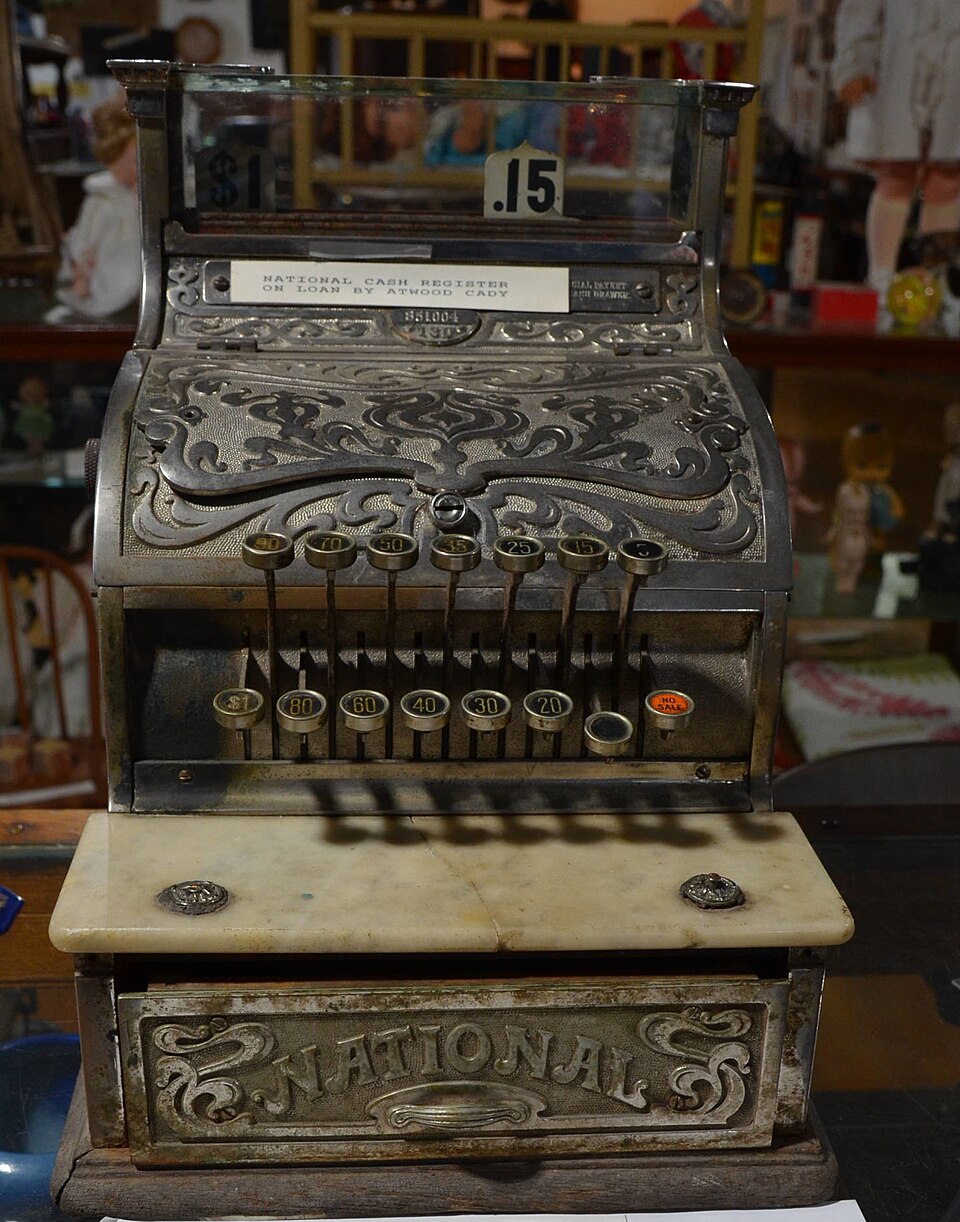 A traditional cash register used in retail shops (Image: Public domain, via Wikimedia Commons)
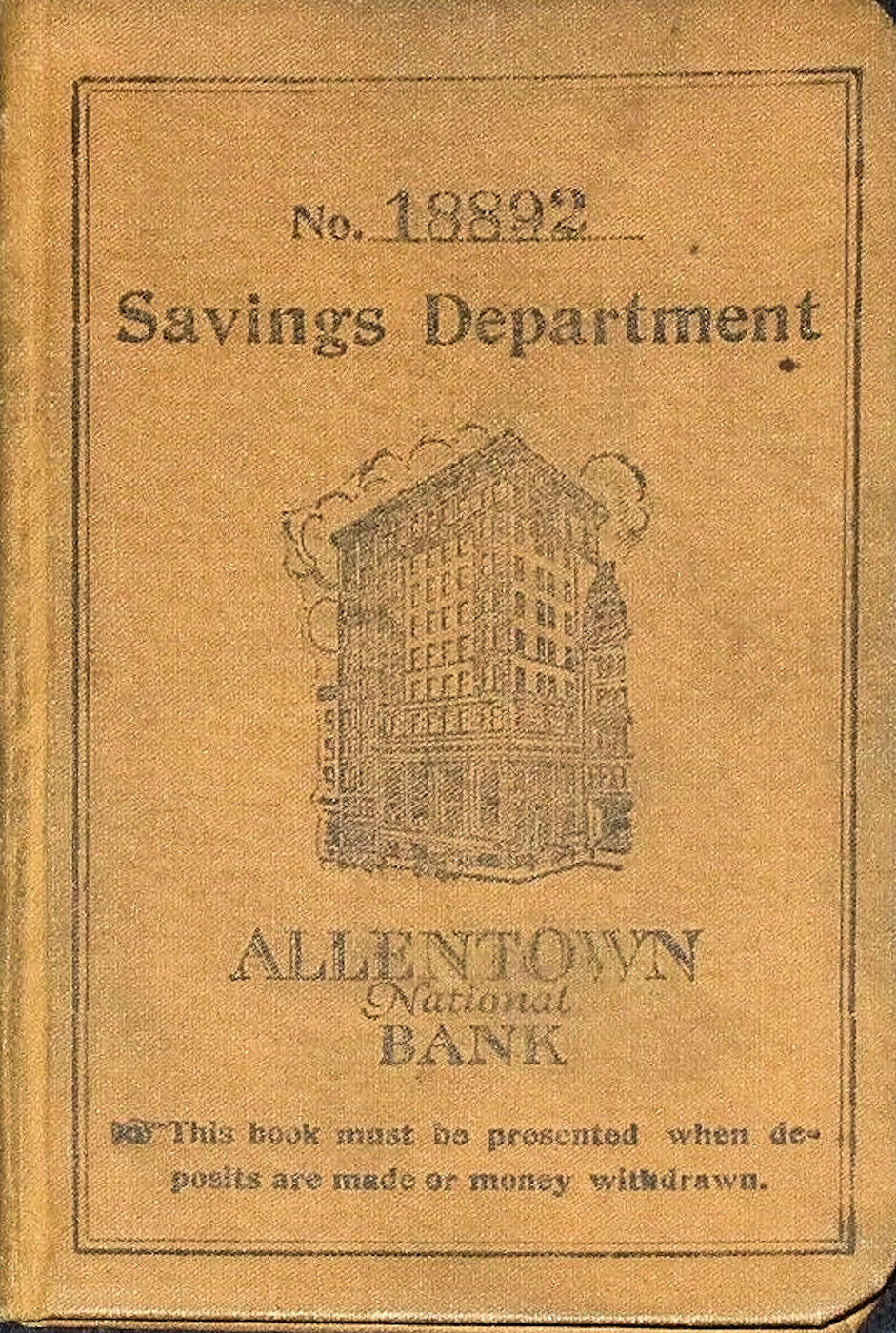 A bank passbook showing deposits and withdrawals (Image: self-scanned, Public domain, via Wikimedia Commons)
Based on the PU BBA (PU) syllabus for Financial Accounting I, unit 7.
Discussion
Loading…