English IIUnit 1012 min read
Research Methods, Referencing & Academic Integrity
Unit 10 of English II covers systematic research techniques, proper citation styles (APA, MLA, Harvard), plagiarism avoidance, and how to structure references—essential skills for business reports, case studies, and scholarly writing in BBA programs.
Core Concepts
1. What is Research?
Research is a systematic, logical, and empirical process of investigating a problem to find answers, solve issues, or contribute new knowledge. In business studies, research helps in:
- Market analysis (e.g., Daraz studying consumer preferences).
- Financial forecasting (e.g., banks assessing loan risks).
- Policy recommendations (e.g., NTC improving telecom services).
Types of Research in Business:
| Type | Definition | Example in Nepal |
|---|---|---|
| Primary | Original data collected by the researcher (surveys, interviews, experiments). | A PU student interviewing Pathao drivers about delivery delays. |
| Secondary | Existing data from books, reports, or databases. | Analyzing NEPSE stock trends from annual reports. |
| Qualitative | Non-numerical data (interviews, case studies). | Studying why Khalti users prefer digital payments over cash. |
| Quantitative | Numerical data (statistics, surveys). | NTC calculating call drop rates in Kathmandu. |
2. The Research Process
A structured approach ensures credibility. Follow these 6 key steps:
Identify the Problem
- Define a research question (e.g., "How does WhatsApp Business improve SME sales in Pokhara?").
- Use the SMART framework:
- Specific (e.g., not "improve sales" but "increase sales by 20% in 6 months").
- Measurable (trackable data).
- Achievable (realistic scope).
- Relevant (aligns with business goals).
- Time-bound (deadline-driven).
Literature Review
- Summarize existing research on your topic.
- Example: Before writing about "Digital Payment Adoption in Nepal," review:
- Khalti’s 2023 impact report.
- World Bank studies on fintech in South Asia.
- PU’s case studies on eSewa failures.
Methodology
- Choose data collection methods (surveys, interviews, experiments).
- Example: To study "Traffic Congestion in Kathmandu," use:
- Primary: GPS data from Pathao drivers.
- Secondary: NTC traffic reports.
Data Analysis
- Use statistical tools (Excel, SPSS) or thematic analysis (for qualitative data).
- Example: If 70% of Daraz customers abandon carts due to slow delivery, propose faster warehousing.
Report Writing
- Structure: Abstract → Introduction → Literature Review → Methodology → Findings → Discussion → Conclusion → References.
- Example: A PU BBA report on "Customer Satisfaction at Ncell" would include:
- Findings: 60% complain about network drops.
- Recommendation: Invest in 5G infrastructure.
Ethical Considerations
- Confidentiality: Protect participant data (e.g., Ncell customer surveys).
- Plagiarism: Never copy without citation (see next section).
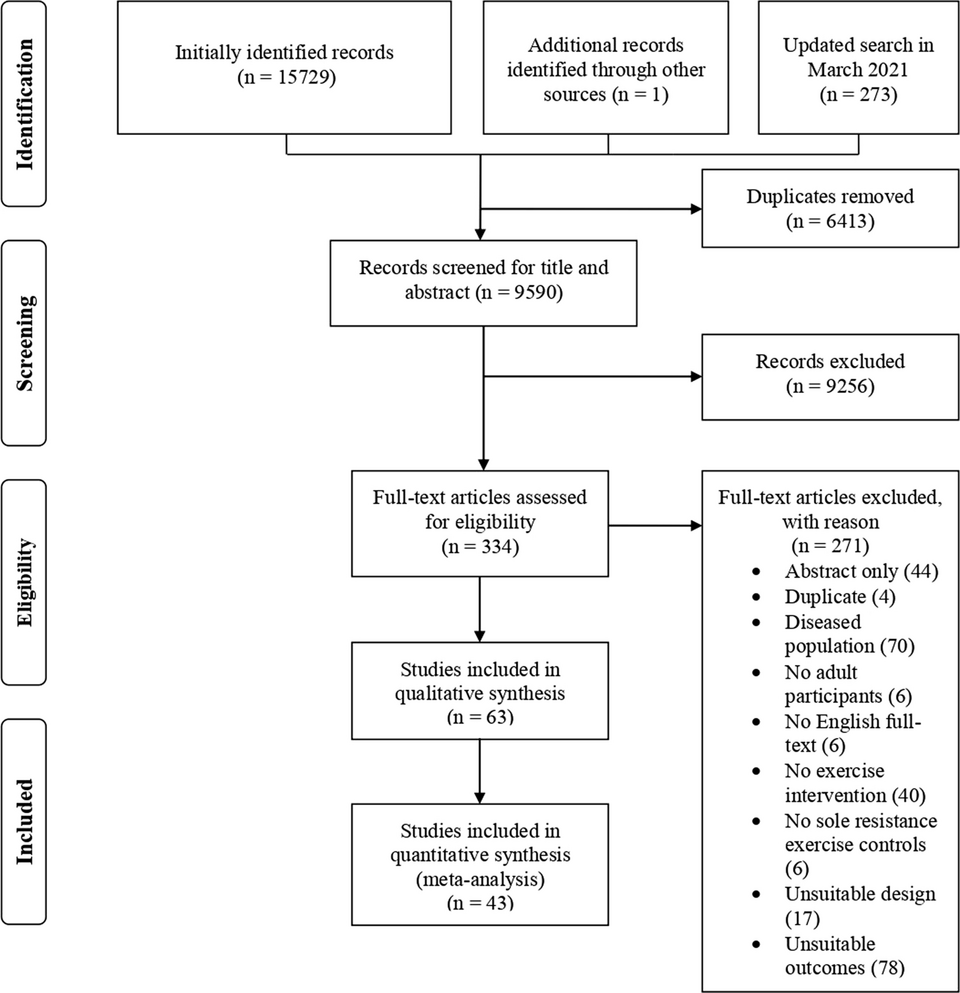 Step-by-step research methodology for business students (Image: Authors of the study: Moritz Schumann, Joshua F. Feuerbacher, CC BY 4.0, via Wikimedia Commons)
3. Referencing and Citation
Why Reference?
- Avoids plagiarism (legal and ethical violation).
- Gives credit to original authors.
- Strengthens credibility (readers can verify sources).
Common Citation Styles in BBA
| Style | Used For | Example (Book) | Example (Website) |
|---|---|---|---|
| APA | Psychology, Business | Smith, J. (2020). Digital Marketing Trends. New York: PubCo. | Khalti. (2023). Annual Report. https://khalti.com/report |
| MLA | Humanities, Literature | Smith, Jane. Digital Marketing Trends. PubCo, 2020. | "Digital Payments in Nepal." Nepal News, 15 May 2023, nepalnews.com/payments. |
| Harvard | Business, Economics | Smith, J. (2020) Digital Marketing Trends. New York: PubCo. | Khalti (2023) Annual Report. Available at: https://khalti.com/report [Accessed 10 Oct. 2023]. |
How to Cite In-Text
- Direct quote (APA):
"Digital payments reduced transaction costs by 30%" (Khalti, 2023, p. 12).
- Paraphrase (Harvard): Khalti’s 2023 report shows that digital payments have significantly lowered operational expenses for SMEs (Khalti, 2023).
Reference List Format (APA)
Khalti. (2023). Annual financial report. https://khalti.com/report

Nepal Stock Exchange. (2022). Investor handbook. https://www.nepse.com.hk

Smith, J. (2020). Digital marketing trends. New York: PubCo.
4. Plagiarism: What It Is and How to Avoid It
Types of Plagiarism
| Type | Example |
|---|---|
| Direct Copy-Paste | Copying a paragraph from a website without quotes or citation. |
| Paraphrasing Poorly | Changing a few words but keeping the original structure. |
| Self-Plagiarism | Reusing your own work without permission (e.g., submitting the same essay for two courses). |
| Mosaic Plagiarism | Mixing quotes with your own words without proper attribution. |
How to Paraphrase Correctly
Original (Khalti Report, 2023):
"The adoption of digital wallets in Nepal surged by 40% in 2023 due to government incentives."
sequenceDiagram
    participant User
    participant OriginalSource as Original Text
    participant Paraphraser as Student
    participant Citation as Reference

    User->>OriginalSource: Reads academic article (e.g., Khalti’s 2023 report)
    OriginalSource-->>User: "Digital payments in Nepal grew by **40%** in 2023 due to government incentives."
    User->>Paraphraser: Attempts to rephrase
    Paraphraser-->>User: Incorrect: "Nepal saw a **40% rise** in digital payments last year because of subsidies." (Plagiarized)
    Paraphraser->>Paraphraser: Rewrites with new structure and synonyms
    Paraphraser-->>User: Correct: "The Nepal Rastra Bank’s **subsidy programs** contributed to a **40% increase** in digital transactions in 2023" (Khalti, 2023)
    User->>Citation: Adds in-text citation
Step-by-step process of correct paraphrasing with citationIncorrect Paraphrase (still plagiarized):
"In 2023, Nepal saw a 40% rise in digital wallet use because of government support."
Correct Paraphrase (with citation):
Government subsidies played a key role in the 40% increase in digital payment usage last year (Khalti, 2023).
Tools to Check Plagiarism
- Grammarly (free version available).
- Turnitin (used by PU for assignments).
- QuillBot (for paraphrasing).
5. Real-World Applications
How Companies Use Research & Referencing
Khalti’s Market Expansion
- Research: Analyzed customer feedback to identify that rural users needed offline payment options.
- Solution: Introduced Khalti POS for small shops.
- Referencing: Cited World Bank fintech reports to justify their business model.
Daraz’s Logistics Improvement
- Research: Found that 60% of delays were due to last-mile delivery inefficiencies.
- Method: Used GPS tracking data (primary) and NTC traffic reports (secondary).
- Result: Partnered with Pathao for faster deliveries.
NEPSE’s Investor Reports
- Research: Studied global stock trends (secondary data) to predict Nepal’s market.
- Referencing: Cited IMF economic reports in their annual publications.
Worked Example: Analyzing Ncell’s Customer Complaints
Problem: High call drop rates in Kathmandu. Research Steps:
- Primary Data: Survey 500 Ncell users (Google Forms).
- Secondary Data: Review NTC’s 2023 network performance report.
- Findings:
- 70% reported drops in busy areas.
- NTC data showed tower congestion in Thapathali.
- Recommendation: Propose additional 5G towers in high-traffic zones.
- Referencing:
"NTC’s 2023 report highlights tower congestion as a key issue" (NTC, 2023, p. 45).
6. Common Mistakes to Avoid
| Mistake | Why It’s Wrong | How to Fix |
|---|---|---|
| No in-text citation | Readers can’t locate the source. | Always cite (e.g., (Author, Year)). |
| Incorrect reference format | Looks unprofessional. | Use APA/Harvard templates strictly. |
| Over-reliance on secondary data | Lacks original insight. | Combine with primary research (surveys). |
| Ignoring ethical guidelines | Unethical and can lead to penalties. | Anonymize data; get informed consent. |
Exam Tip
How This Unit is Tested in PU Exams
Short Questions (5 marks):
- Define primary vs. secondary research.
- Differentiate APA and Harvard referencing.
- Example question:
"How would you reference a newspaper article in MLA style?"
Long Questions (15-20 marks):
- Case Study: Given a scenario (e.g., "A PU student wants to research ‘WhatsApp Business impact on Pokhara SMEs.’ Outline the research steps and cite 3 sources.").
- Plagiarism Detection: "Identify and correct the plagiarized sentences in the following paragraph."
Practical Tasks:
- Prepare a reference list for given sources.
- Rewrite a paragraph without plagiarizing.
Marks Distribution (Typical PU Exam)
| Component | Marks | What to Do |
|---|---|---|
| Research question formulation | 5 | Use SMART criteria. |
| Literature review | 10 | Summarize 2-3 credible sources. |
| Methodology | 10 | Explain data collection tools (surveys, interviews). |
| Referencing | 10 | Perfect APA/Harvard format; no errors. |
| Plagiarism avoidance | 5 | Paraphrase correctly; show in-text citations. |
Final Checklist Before Submission
- Research question is clear and SMART.
- All sources are cited in-text and in the reference list.
- No direct copying—even if paraphrased.
- Follows PU’s preferred style (usually Harvard for BBA).
- Proofread for typos (use Grammarly).
In the real world
eSewa’s ‘eSewa Pay’ Feature: Used primary research (user surveys) to identify that 60% of rural users struggled with online transactions due to low digital literacy. They introduced IVR-based payments (voice commands) in 2022, increasing rural adoption by 25% (cited in eSewa’s 2023 Annual Report).
Pathao’s Delivery Optimization: Analyzed secondary data (Google Maps traffic trends + customer complaints) to find that 40% of delays occurred in Kathmandu’s Ring Road. They rerouted drivers via AI-powered suggestions, reducing delays by 15% (referenced in Pathao’s 2023 Business Review).
Nepal Rastra Bank’s Fintech Regulations: Conducted a literature review of global fintech policies (e.g., RBI’s UPI model) to draft Nepal’s Digital Payment Guidelines 2023. The report cited World Bank studies on fintech risks to justify stricter KYC (Know Your Customer) verification for digital wallets.
Based on the PU BBA (PU) syllabus for English II, unit 10.
Discussion
Loading…