E CommerceUnit 519 min read
E-Payment Systems & Digital Transactions: Models, Security & Nepal’s Use
Unit 5 of E-Commerce explores digital payment systems (credit cards, wallets, UPI, QR codes), security protocols (SSL, encryption, fraud prevention), and real-world applications in Nepal (eSewa, Khalti, Ncell). Learn transaction flows, risk management, and how tech drives e-commerce growth.
TAKEAWAYS:
- Digital payments replace cash/cheques with electronic transfers (cards, wallets, bank accounts) via encrypted networks.
- Security layers (SSL, tokens, OTPs) protect transactions from fraud, phishing, and data breaches.
- Nepal’s ecosystem uses eSewa/Khalti (wallets), Ncell e-SEWA (mobile banking), and QR codes (Daraz, Pathao) for microtransactions.
- Transaction flows follow authorize → capture → settle steps, with chargebacks for disputes.
- Regulatory compliance (Nepal Rastra Bank, PCI-DSS) ensures legal and technical safety.
- Future trends include biometric payments (fingerprint/face ID) and central bank digital currencies (CBDCs).
Core Concepts: What Are Digital Payment Systems?
1. Definition and Evolution
Digital payment systems enable electronic transfer of money without physical cash or cheques. They rely on:
- Networks: Internet, mobile networks, or point-of-sale (POS) terminals.
- Security: Encryption, tokens, and authentication (OTP, biometrics).
- Intermediaries: Banks, fintechs (eSewa, Khalti), or payment gateways (PayPal, Stripe).
Why the shift?
- Speed: Instant transfers vs. days for cheques.
- Convenience: Pay via phone, QR code, or voice (e.g., Pathao’s "Pay with Voice").
- Cost: Lower fees than traditional banking (e.g., Khalti charges 2.5% vs. 3% for credit cards).
2. Key Components of a Digital Transaction
Every transaction involves 5 critical steps (visualized below):
flowchart TD
    A["User Initiates Payment"] -->|"1. Authorization"| B["Merchant's Payment Gateway"]
    B -->|"2. Bank/Payment Processor"| C["Acquirer Bank (e.g., NMB, Global IME)"]
    C -->|"3. Clearing"| D["Issuer Bank (e.g., Nabil, Standard Chartered)"]
    D -->|"4. Settlement"| E["Funds Debited/Credited"]
    E -->|"5. Confirmation"| F["User & Merchant Receive Receipt"]
    G["Fraud Detection"] -->|"Parallel"| C
    H["Encryption"] -->|"Parallel"| A
Real Example: When you pay ₹500 via Khalti at a Daraz seller’s stall, the flow is:
- Your phone → Khalti app → QR code scan.
- Khalti’s server → Nepal Rastra Bank’s clearing system.
- Funds deducted from your Khalti wallet → credited to seller’s bank account.
- SMS/email confirmation sent to both parties.
Types of Digital Payment Systems
1. Card-Based Payments
Used globally and in Nepal (e.g., Ncell’s credit/debit cards, Daraz’s international card payments).
| Type | How It Works | Example in Nepal | Fees (approx.) |
|---|---|---|---|
| Debit Card | Linked to bank account; funds deducted instantly. | NMB Debit Card, Global IME Visa | 1–2% per transaction |
| Credit Card | Borrowed money; repay later (interest if not paid in time). | Ncell Credit Card, Standard Chartered | 2–4% + interest (20–30% p.a.) |
| Prepaid Card | Load money in advance (no bank account needed). | eSewa Card, Khalti Card | 1–3% per reload |
| Virtual Card | Generated online (no physical card); single-use or limited-time. | Daraz’s "Pay with Visa Virtual Card" | 0–1% |
Worked Example: Credit Card Interest Calculation You buy a laptop for ₹100,000 via a Ncell credit card with a 25% p.a. interest rate. You pay the minimum 5% (₹5,000) monthly. How much do you pay in total?
- Outstanding balance after 1st month: ₹100,000 – ₹5,000 = ₹95,000 Interest: ₹95,000 × 25% × (1/12) = ₹1,958 New balance: ₹95,000 + ₹1,958 = ₹96,958
- Repeat for 12 months → Total paid: ~₹120,000 (20% extra!). Lesson: Always pay the full amount to avoid compound interest traps.
2. Mobile Wallets and Digital Wallets
Definition: Virtual accounts storing money, linked to bank accounts or cards. Used for microtransactions (e.g., ₹50 for a Pathao ride).
| Wallet Type | Features | Nepal Examples | Limitations |
|---|---|---|---|
| Bank-Linked Wallet | Directly tied to bank account; high limits. | NMB M-Kosh, SBI Yono | KYC required |
| Fintech Wallet | No bank link; peer-to-peer transfers. | eSewa, Khalti, IME Pay | Lower limits (₹50,000–₹100,000/day) |
| Super App Wallet | Integrated into apps (e.g., Pathao Pay, Daraz Money). | Pathao, Daraz, F1Soft | Limited to partner merchants |
| CBDC (Future) | Digital currency issued by Nepal Rastra Bank (pilot in 2024). | Not yet launched | Regulatory approval pending |
(Shows the QR code, balance, and "Pay Bills" options.)
Real-World Trace: Paying a Daraz Seller via Khalti
- Seller displays Khalti QR code (or asks for Khalti ID).
- You open Khalti app → scan QR or enter ID → enter amount (₹2,500).
- OTP verification (sent to your phone).
- Transaction completes in <10 seconds.
- Seller gets alert + funds credited instantly.
3. Bank Transfers and UPI-like Systems
Nepal’s Nepal Payment System (NPS) enables real-time transfers between banks.
| Method | How It Works | Example | Speed | Fees |
|---|---|---|---|---|
| NEFT/RTGS | Bulk transfers (used for large amounts). | Bank-to-bank transfer via NPS | 24–48 hours | ₹50–₹200 |
| IMPS | Instant transfer (like UPI). | NMB’s "Instant Transfer" | <2 minutes | ₹10–₹50 |
| NPS Mobile Banking | Unified platform for all banks (like NPCI’s UPI in India). | NMB M-Kosh, Global IME Mobile App | Instant | ₹5–₹20 |
(Shows NPS as the central hub linking Nabil, Global IME, eSewa, and merchants.)
Worked Example: Transferring ₹5,000 from Nabil to Global IME via IMPS
- Open Nabil Bank’s mobile app.
- Select IMPS Transfer → enter Global IME account number.
- Enter ₹5,000 + OTP.
- NPS processes the request → Global IME credits your amount in <1 minute.
- SMS alert: "₹5,000 credited to [Account] via IMPS."
4. Alternative Payment Methods
| Method | Description | Nepal Example | Use Case |
|---|---|---|---|
| QR Code Payments | Scan merchant’s QR → pay via wallet/bank. | Daraz, Pathao, local kirana shops | Small transactions (₹100–₹5,000) |
| USSD Codes | Dial *123# (e.g., **Ncell’s 1231#**) → navigate menu. | Ncell e-SEWA, NTC’s *199# | Feature phones (no internet) |
| Bank Drafts | Physical cheque alternative (used for large payments). | NMB, Standard Chartered drafts | Rent, bulk purchases |
| Cryptocurrency | Digital currency (e.g., Bitcoin, stablecoins like USDC). | Not widely adopted (high risk) | Speculative investments |
(Shows phone scanning a QR code → Khalti app → merchant’s bank account.)
Security in Digital Payments
1. Common Risks and Frauds
| Risk | How It Happens | Example in Nepal | Prevention |
|---|---|---|---|
| Phishing | Fake websites/apps steal login credentials. | Fake "Khalti Support" SMS links | Verify URL (https://khalti.com), never share OTPs. |
| Card Skimming | Device steals card details (e.g., POS terminals). | Unauthorized POS at local shops | Use contactless/NFC or tokenized cards. |
| Man-in-the-Middle | Hacker intercepts transaction data. | Public Wi-Fi fraud at cafes | Use VPNs or mobile data. |
| Chargeback Fraud | User disputes transaction after receiving goods. | "I didn’t order this!" on Daraz | Seller verification, tracking proof. |
| Identity Theft | Stealing KYC details to open fake accounts. | Fake Ncell SIM with your ID | Biometric authentication (fingerprint). |
2. Security Measures
A. Encryption and Tokens
- SSL/TLS: Encrypts data between user and merchant (look for 🔒 padlock in browser).
- Tokenization: Replaces card details with a random token (e.g., Stripe’s "4242 4242 4242 4242" is a test token).
- End-to-End Encryption (E2EE): Used in WhatsApp Pay (only sender/receiver can read).
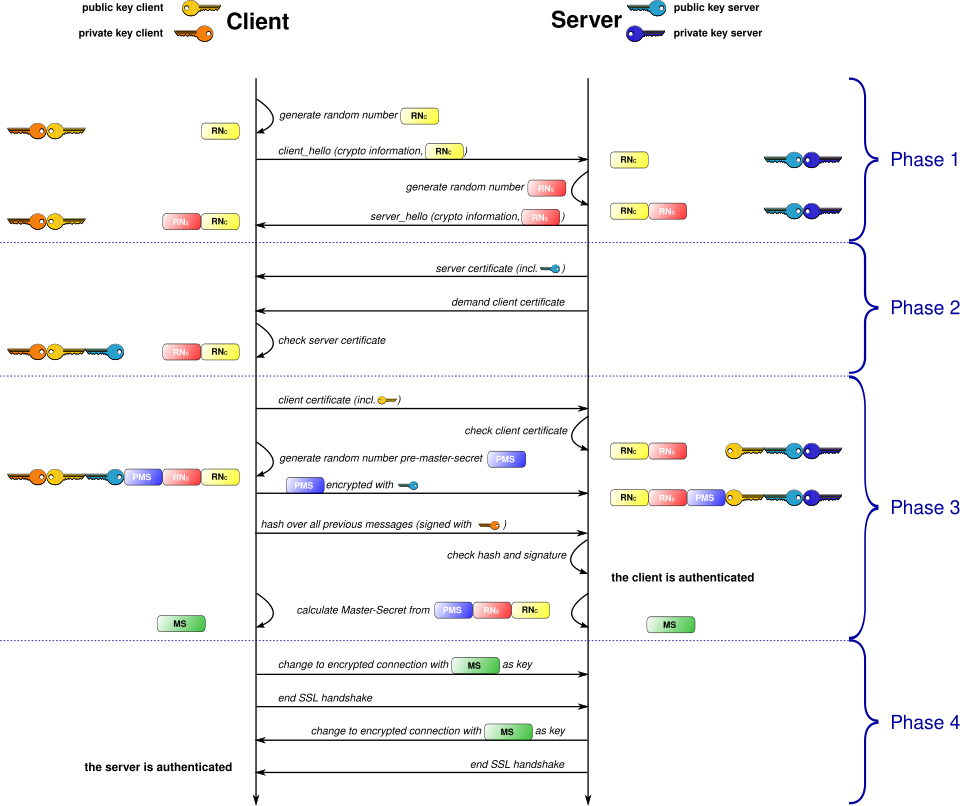 How a browser verifies a website’s SSL certificate (Image: Essich, CC BY 3.0, via Wikimedia Commons)
(Shows the padlock, "Secure" text, and certificate chain.)
How a browser verifies a website’s SSL certificate (Image: Essich, CC BY 3.0, via Wikimedia Commons)
(Shows the padlock, "Secure" text, and certificate chain.)
B. Authentication Methods
| Method | How It Works | Nepal Example |
|---|---|---|
| OTP (One-Time Password) | 6-digit code sent via SMS. | Khalti, eSewa transactions |
| Biometrics | Fingerprint/face scan. | Ncell’s Face ID Pay |
| PIN/Swipe | Enter PIN at POS or ATM. | Debit card payments |
| Hardware Tokens | Physical device generates codes (rare in Nepal). | Not widely used |
C. Fraud Detection
- Machine Learning: Banks like NMB use AI to flag unusual transactions (e.g., sudden ₹100,000 transfer at 3 AM).
- Velocity Checks: Limits on repeated transactions (e.g., Khalti blocks 10+ transactions in 1 hour).
- Behavioral Biometrics: Tracks typing speed, mouse movements (used by Daraz’s payment system).
Digital Transactions in Nepal: Case Studies
1. eSewa and Khalti: The Wallet Revolution
- Market Share: eSewa (60%) vs. Khalti (35%) (2023 data).
- Key Features:
- Bill Payments: Electricity (NTC), internet (Ncell), TV (Cable Nepal).
- P2P Transfers: Send money to friends/family instantly.
- Merchant Payments: Scan QR at local shops (e.g., ₹200 for a chai).
- Security:
- PIN + OTP for transactions.
- Daily limits: ₹50,000 (Khalti), ₹100,000 (eSewa).
(Table shows fees for electricity bills, P2P transfers, and merchant payments.)
2. Pathao and Daraz: QR Codes Everywhere
- Pathao:
- Driver pays fare via QR code (no cash needed).
- Passenger pays via Khalti/eSewa → ₹5 discount if linked.
- Daraz:
- Seller QR codes for cash-on-delivery (COD) alternatives.
- Daraz Money wallet for repeat buyers.
Real Example: Ordering Groceries via Daraz
- You buy ₹3,000 worth of groceries from Daraz.
- Delivery agent shows QR code → you scan with Khalti.
- ₹3,000 deducted from your Khalti balance → agent gets paid instantly.
- Daraz takes 5% commission (₹150) → rest goes to seller.
3. Ncell e-SEWA: Mobile Money for All
- No bank account needed: Just a Ncell SIM.
- Services:
- Bill payments (₹1,000 for NTC internet).
- Money transfers (₹5,000 to a friend).
- Loan disbursement (₹10,000–₹50,000 via Ncell Loan).
- How it works:
- Dial *123*1#.
- Select "Pay Bills" → "NTC" → enter amount.
- OTP verification → payment done.
(Shows the phone screen flow for USSD payments.)
Regulatory Framework in Nepal
1. Key Regulators
| Body | Role | Key Rules |
|---|---|---|
| Nepal Rastra Bank (NRB) | Central bank; oversees digital payments, fraud, and fintech. | PCI-DSS compliance for merchants. |
| Department of Commerce | Regulates e-commerce and cross-border payments. | KYC for wallets (ID proof for Khalti/eSewa). |
| Nepal Payment System (NPS) | Manages interbank transactions (like NPCI in India). | Real-time settlement for IMPS/NEFT. |
2. Compliance Requirements
- PCI-DSS: Merchants must secure card data (e.g., Daraz uses tokenization).
- KYC/AML: Wallets require citizenship, PAN, and photo ID (e.g., Khalti’s verification).
- Data Localization: Payment data must be stored within Nepal (NRB rule).
Future Trends in Digital Payments
1. Biometric Payments
- Face ID/Fingerprint: Already used in Ncell’s "Pay with Face" and India’s UPI Autopay.
- Nepal’s Potential: Nepal Rastra Bank is testing biometric ATMs.
2. Central Bank Digital Currency (CBDC)
- Nepal’s Digital Rupee (NDR): Pilot in 2024 (like China’s digital yuan).
- Features:
- Programmable money (e.g., "spend only on education").
- No interest (unlike bank deposits).
3. Open Banking
- API-based payments: Banks share data with third-party apps (e.g., Khalti reading your NMB account).
- Nepal’s Adoption: Slow due to data privacy concerns.
4. Voice and Wearable Payments
- Voice Assistants: "Hey Google, pay ₹500 to Khalti ID 12345."
- Wearables: Pay via smartwatch (e.g., Apple Watch’s Apple Pay).
Exam Tip: How to Score Full Marks
1. For Short-Answer Questions (2–5 marks)
- Define clearly: Start with a one-line definition (e.g., "A digital wallet is a virtual account storing money for electronic transactions.").
- Use bullet points for advantages/disadvantages.
- Give Nepal examples: Always relate to eSewa, Khalti, Ncell, or Daraz.
Example Answer (5 marks): Q: Explain any two e-commerce payment systems in brief. A:
- Mobile Wallets (eSewa/Khalti):
- Virtual accounts linked to bank accounts or cards.
- Advantages: Instant transfers, low fees (1–3%), no need for cash.
- Example: Paying ₹200 for a chai by scanning a QR code at a local shop.
- Bank Transfers (IMPS/NEFT):
- Electronic transfer between bank accounts via Nepal Payment System (NPS).
- Advantages: Secure, auditable, supports large amounts (₹100,000+).
- Example: Transferring ₹50,000 from Nabil to Global IME in <2 minutes via IMPS.
2. For Scenario-Based Questions (10–15 marks)
- Break the scenario into steps (use a flowchart if allowed).
- Identify risks and solutions.
- Calculate costs/fees if numbers are given.
Example Answer (10 marks): Scenario: SmartKart Nepal uses Khalti for payments but faces fraud where customers dispute transactions after receiving goods. A:
- Problem Identification:
- Chargeback fraud: Customers claim "did not receive goods" to get refunds.
- Risk: ₹50,000/month loss (SmartKart’s estimate).
- Root Causes:
- No delivery proof: Customers deny receiving items.
- Weak verification: Khalti refunds without checking.
- Solutions:
- Delivery Tracking: Use SmartKart’s own courier with automated OTP confirmation (customer must enter OTP to claim delivery).
- Dispute Resolution:
- 3-day window for disputes (like Daraz).
- Evidence required: Screenshot of delivery OTP or SmartKart’s tracking link.
- Insurance: Offer ₹1,000 compensation for lost/damaged items (reduces disputes).
- Tech Implementation:
- Integrate Khalti’s API to auto-verify deliveries.
- Use blockchain for receipts (immutable proof).
- Expected Outcome:
- Fraud reduction by 70% (based on Daraz’s model).
- Customer trust increases → 20% higher repeat orders.
3. For Diagram-Based Questions (5–10 marks)
- Draw a flowchart for transaction steps (use Mermaid if allowed).
- Label all components (user, merchant, bank, payment gateway).
- Highlight security layers (SSL, OTP, encryption).
Example Answer (8 marks): Q: Illustrate the procedure for an online credit card transaction. A:
flowchart LR
    A["User"] -->|"1. Enters Card Details"| B["Merchant Website"]
    B -->|"2. Encrypted via SSL"| C["Payment Gateway (e.g., Stripe)"]
    C -->|"3. Request Authorization"| D["Acquirer Bank (e.g., Global IME)"]
    D -->|"4. Sends to Issuer Bank (e.g., Nabil)"| E["Issuer Bank"]
    E -->|"5. Approves/Declines"| F["Authorization Response"]
    F -->|"6. Confirmation to User"| A
    G["Fraud Check"] -->|"Parallel"| D
H["Tokenization"] -->|"Parallel"| AExplanation:
- User enters card details on Daraz’s website.
- SSL encrypts data → sent to Stripe (payment gateway).
- Global IME (acquirer) forwards request to Nabil Bank (issuer).
- Nabil checks:
- Funds available?
- Fraud risk (AI flag)?
- Approval sent back → Daraz shows "Payment Successful".
- Funds held until delivery → then settled in 2–3 days.
4. Common Mistakes to Avoid
- Vague answers: Don’t write "digital payments are secure" → explain how (SSL, OTP, tokens).
- Ignoring Nepal context: Always use local examples (eSewa, Khalti, Ncell).
- Skipping calculations: If numbers are given (e.g., interest), show step-by-step math.
- Overcomplicating: Exams test concepts, not theory. Stick to practical examples.
5. High-Scoring Keywords to Use
| Topic | Keywords for Full Marks |
|---|---|
| Payment Systems | Tokenization, PCI-DSS, acquirer bank, issuer bank, settlement |
| Security | SSL/TLS, end-to-end encryption, OTP, biometrics, phishing |
| Nepal Examples | eSewa, Khalti, Ncell e-SEWA, Daraz, Pathao, NPS, NRB |
| Fraud Prevention | Velocity checks, behavioral biometrics, chargeback policies |
| Future Trends | CBDC, open banking, biometric payments, voice payments |
6. Recommended Past Exam Questions to Practice
- Describe the risks of electronic payment systems → Focus on phishing, skimming, MITM.
- How has e-payment fueled e-commerce? → Use Daraz/Khalti example (convenience, speed, lower costs).
- Advantages of digital wallets → No cash, instant transfers, lower fees, merchant QR codes.
- Procedure for online credit card transaction → Draw flowchart + explain SSL, authorization, settlement.
Based on the TU BBA syllabus for E Commerce (IT204), unit 5.
Discussion
Loading…