Fundamentals Of MarketingUnit 216 min read
Marketing Environment & Economic Factors: Forces, Analysis & Impact
Unit 2 of Fundamentals Of Marketing explores the macro and micro environmental forces shaping marketing decisions, the economic factors influencing business strategies, and how organizations analyze these elements to create sustainable competitive advantage. This note covers the PESTEL framework, economic indicators, m
TAKEAWAYS:
- The marketing environment is divided into micro (internal) and macro (external) forces, each requiring distinct strategic responses.
- Economic factors (inflation, GDP, interest rates) directly impact pricing, demand, and consumer behavior—Nepal’s Nepse index and NPR depreciation are key examples.
- PESTEL analysis (Political, Economic, Social, Technological, Environmental, Legal) is a structured tool to scan external threats/opportunities (used by Daraz for expansion and Nabil Bank for loan policies).
- Government policies (e.g., Nepal’s 100% FDI in tourism, VAT changes) force businesses to adapt—Pathao adjusted surge pricing during fuel crises.
- Consumer confidence (measured by World Bank’s Nepal Economic Update) correlates with spending—Khalti’s QR code adoption surged post-2015 earthquake recovery.
- SWOT-PESTEL integration reveals how Chaudhary Group’s agri-business thrives despite political instability by leveraging social trends (health-conscious consumers) and technological shifts (e-commerce).
1. The Marketing Environment: Micro vs. Macro Forces
Marketing does not operate in isolation. The environment consists of internal (micro) and external (macro) factors that businesses must analyze to formulate strategies.
1.1 Micro Environment (Company-Centric Forces)
These are controllable factors within the company’s direct influence:
graph TD
    A["Micro Environment"] --> B["Company"]
    A --> C["Suppliers"]
    A --> D["Marketing Intermediaries"]
    A --> E["Customers"]
    A --> F["Competitors"]
A --> G["Publics"]- Company: Internal departments (R&D, finance, HR) must align with marketing goals.
- Suppliers: Reliability affects production costs (e.g., Himalayan Java’s coffee bean shortages post-2023 floods).
- Marketing Intermediaries: Distributors, retailers (e.g., Daraz’s warehouse network in Nepal).
- Customers: Segments (B2B, B2C, C2C) with diverse needs (e.g., eSewa’s digital vs. offline users).
- Competitors: Direct (e.g., Ncell vs. NTC) and indirect (e.g., Khalti vs. IME Pay).
- Publics: Media, NGOs, local communities (e.g., Nepal’s anti-plastic campaigns pressuring Fanta to switch bottles).
Worked Example: Nabil Bank’s Loan Approval Nabil Bank uses micro-environmental analysis to assess:
- Customer credit score (internal data).
- Supplier stability (collateral security).
- Competitor rates (adjusting interest to stay competitive).
- Public perception (CSR initiatives to build trust).
1.2 Macro Environment (Uncontrollable Forces)
These are external, broad-scale factors categorized using the PESTEL framework:
| Factor | Definition | Nepal Example | Global Example |
|---|---|---|---|
| Political | Government policies, stability, trade agreements. | 100% FDI in tourism, VAT on e-commerce (2023). | Brexit’s impact on UK-EU trade. |
| Economic | Inflation, GDP growth, unemployment, currency fluctuations. | NPR depreciation (2022-23), Nepse index volatility. | US Federal Reserve interest rate hikes (2022-23). |
| Social | Demographics, culture, lifestyle trends. | Rise of digital payments (Khalti, eSewa) post-earthquake. | Gen Z’s preference for sustainable brands (Patagonia, Tesla). |
| Technological | Innovation, automation, R&D, internet penetration. | Pathao’s AI-driven surge pricing, Daraz’s drone deliveries (pilot). | Amazon’s AI chatbots for customer service. |
| Environmental | Climate change, sustainability, natural resource availability. | Ban on single-use plastics (2020), Nepal’s hydroelectric projects. | EU’s carbon tax on imports. |
| Legal | Laws, regulations, compliance (e.g., labor, consumer protection). | Consumer Rights Act (2075), Data Privacy Act (2018). | GDPR in the EU (data protection). |
2. Economic Factors: The Engine of Demand
Economic conditions directly shape consumer purchasing power, business costs, and market growth. Key indicators:
2.1 Key Economic Variables
Worked Example: Daraz’s Pricing Strategy During Inflation When inflation hit 10% (2022), Daraz:
- Adjusted prices for imported goods (e.g., electronics) due to NPR depreciation.
- Promoted local sellers to reduce reliance on imports.
- Offered installment plans to offset high interest rates (12-15%).
2.2 Economic Theories Relevant to Marketing
| Theory | Application in Marketing | Nepal Example |
|---|---|---|
| Law of Demand | Price ↑ → Demand ↓ (ceteris paribus). | NTC reduced mobile data prices (2023): Demand for 4G plans surged. |
| Income Effect | Higher income → More demand for normal goods. | Post-earthquake reconstruction boom (2015-20): Demand for cement, steel ↑. |
| Substitution Effect | Price of Product A ↑ → Demand for Product B ↑. | Khalti vs. IME Pay: When IME Pay fees rose, Khalti’s user base grew. |
| Elasticity | Price Elasticity: Luxury goods (e.g., Apple iPhones) have high elasticity. | Nepal’s cigarette tax hike (2023): Smuggling ↑ due to high price sensitivity. |
| Business Cycle | Boom: High demand (e.g., wedding season in Nepal). Recession: Cutbacks (e.g., travel industry post-2020). | Chaudhary Group’s agri-business: Stockpiles during droughts to capitalize on future shortages. |
3. Government and Legal Environment
Government policies act as enablers or barriers to marketing strategies.
3.1 Key Regulations Affecting Marketing in Nepal
flowchart TD
    A["Government Policies"] --> B["Trade Policies"]
    A --> C["Consumer Protection Laws"]
    A --> D["Taxation Policies"]
    A --> E["Environmental Regulations"]
    A --> F["Foreign Investment Laws"]

    B --> B1["FDI: 100% in tourism, 51% in retail"]
    C --> C1["Consumer Rights Act 2075"]
    D --> D1["VAT: 13% on e-commerce"]
    E --> E1["Plastic Ban (2020)"]
    F --> F1["Nepal Investment Board Approvals"]
Case Study: Nepal’s VAT on E-Commerce (2023)
- Impact:
- Daraz: Increased prices by 13%, leading to a 10% drop in orders.
- Local sellers: Shifted to offline markets (e.g., Thamel shops).
- Adaptation:
- Khalti promoted cash-on-delivery to avoid VAT.
- Nepal Rastra Bank introduced digital tax incentives.
3.2 Ethical and Legal Challenges
- Deceptive Advertising: Banned under Consumer Rights Act 2075 (e.g., false claims in herbal products).
- Data Privacy: Data Privacy Act (2018) requires Khalti/eSewa to disclose data usage.
- Price Fixing: Competition Commission Nepal penalizes cartels (e.g., fuel price collusion cases).
4. Technological and Environmental Trends
4.1 Technology’s Role in Modern Marketing
graph TD
    A["Technology Trends"] --> B["Digital Marketing"]
    A --> C["Automation"]
    A --> D["AI & Big Data"]
    A --> E["Blockchain"]

    B --> B1["Social Media (Meta, TikTok)"]
    B --> B2["SEO & Content Marketing"]
    C --> C1["Chatbots (eSewa, Daraz)"]
    D --> D1["Predictive Analytics (Ncell’s churn prediction)"]
    E --> E1["Cryptocurrency (Nepal’s limited adoption)"]
Real-World Example: Pathao’s Tech-Driven Growth
- AI Surge Pricing: Adjusts fares in real-time based on demand and traffic (e.g., during Dashain).
- Blockchain for Payments: Piloted crypto payments in 2022 (later paused due to regulations).
4.2 Environmental Sustainability (Green Marketing)
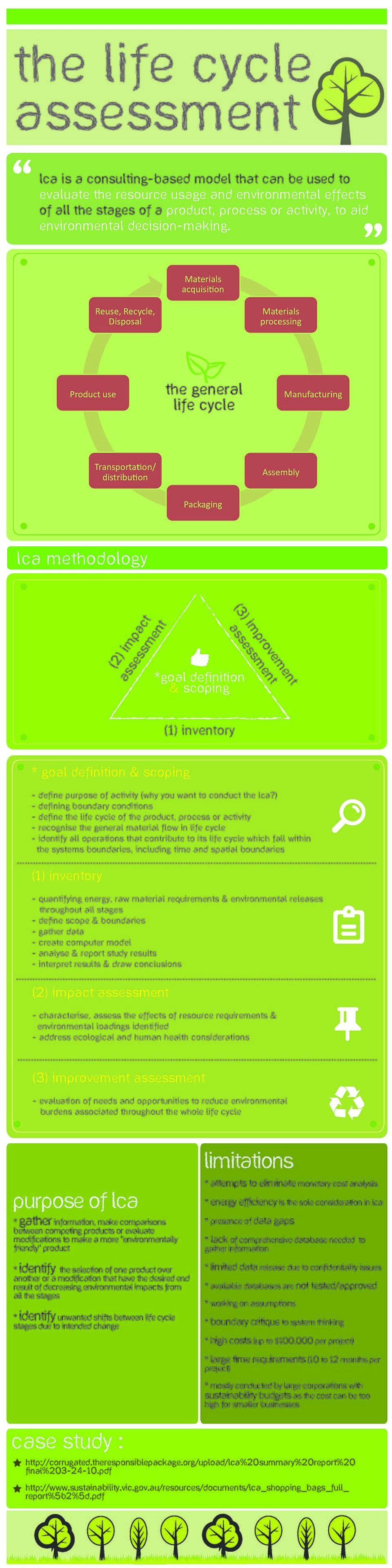 Showing raw material → production → consumption → disposal for a plastic bottle (Image: Gohhong, CC BY-SA 3.0, via Wikimedia Commons)
Worked Example: Himalayan Java’s Sustainable Practices
- Ethical Sourcing: Partnered with local coffee farmers (reduced carbon footprint).
- Eco-Packaging: Switched to compostable cups (aligned with Nepal’s plastic ban).
- Carbon Offsetting: Planted 1 tree per 100 bags sold.
Green Marketing Strategies in Nepal:
| Strategy | Example |
|---|---|
| Eco-Labeling | Organic Basmati Rice (certified by Nepal Organic Agriculture Movement). |
| Recycling Programs | Fanta’s bottle exchange (2021 pilot). |
| Carbon Footprint Reduction | Nepal Airlines’ biofuel trials. |
5. Integrating PESTEL with SWOT for Strategic Planning
Combine PESTEL (external) with SWOT (internal) to identify strategic opportunities.
Example: Ncell’s 5G Expansion
| PESTEL Factor | Opportunity/Threat | SWOT Link |
|---|---|---|
| Technological | 5G rollout (2023) | Strength: Strong R&D. |
| Economic | High smartphone penetration (60%+). | Weakness: High CAPEX. |
| Legal | Government push for digital infrastructure. | Opportunity: First-mover advantage. |
| Social | Youth demand for high-speed data. | Threat: NTC’s competition. |
Strategic Action:
- Leverage 5G for fintech (Ncell Pay partnerships).
- Target rural areas (government subsidies for towers).
In the Real World
eSewa’s Adaptation to Economic Crises
- Idea Used: Income Effect + Digital Payment Trends
- How: During COVID-19 (2020), eSewa saw a 300% rise in transactions as cash usage dropped due to contactless payment preferences and NPR liquidity crunch. They introduced micro-loans to capitalize on high interest rates (15%) for short-term credit needs.
Daraz’s Supply Chain Resilience
- Idea Used: PESTEL (Political: Border Closures) + Micro Environment (Suppliers)
- How: When China-Nepal border closures (2020-21) disrupted imports, Daraz:
- Shifted to local manufacturers (e.g., Nepalese textiles).
- Used AI demand forecasting to avoid overstocking.
Nabil Bank’s Loan Interest Strategy
- Idea Used: Economic Theories (Income Effect + Interest Rates)
- How: During low inflation (2019), Nabil Bank offered fixed-rate loans at 9% to attract borrowers. When inflation spiked (2022), they adjusted to floating rates (12-14%), aligning with Nepal Rastra Bank’s repo rate hikes.
Exam Tip
How to Score Full Marks in TU/PU Exams
For Short Answers (2-5 Marks):
- Use bullet points + 1-2 examples (e.g., for PESTEL, mention Daraz’s tech adoption under Technological and Nepal’s plastic ban under Environmental).
- Avoid vague statements: Instead of "Economic factors affect demand", write:
*"Nepal’s NPR depreciation (2023) increased import costs for Daraz by 15%, forcing them to raise prices or source locally, directly reducing price-sensitive consumers’ demand for electronics."*
For Case Studies (10-15 Marks):
- Structure:
- Identify the issue (e.g., "Daraz’s sales dropped post-VAT hike").
- Apply PESTEL/SWOT (e.g., "Economic (VAT ↑) + Legal (government policy) threats").
- Recommend solutions (e.g., "Shift to cash-on-delivery or lobby for VAT exemptions on essentials").
- Use real data: *"Nepal’s CPI rose to 9.5% in 2022 (Nepal Rastra Bank), reducing disposable income by ~8%."*
- Structure:
For Distinction (15+ Marks):
- Integrate theories with examples:
"The Law of Demand explains why NTC’s data price cut (2023) led to a 40% increase in 4G subscriptions. However, income elasticity also played a role: low-income users (60% of Nepal) could only afford cheaper plans, limiting overall revenue growth despite higher volume."
- Integrate theories with examples:
Common Pitfalls to Avoid:
- ❌ "Marketing environment includes customers." → Incomplete (customers are micro environment; macro includes PESTEL).
- ❌ "Inflation always reduces demand." → False (demand for luxury goods may fall, but essential goods like rice remain stable).
- ❌ No examples → Loses marks. Always tie theory to Nepal (eSewa, Daraz, Ncell) or global (Amazon, Tesla).
Quick Revision Table
| Topic | Key Formula/Theory | Nepal Example |
|---|---|---|
| Price Elasticity | %ΔQd / %ΔP | Cigarettes in Nepal: Price ↑ by 20% → Smuggling ↑ by 30% (high elasticity). |
| Break-Even Analysis | FC / (P - VC) | Small tea stall in Ilam: Needs 50 cups/day to cover costs at NPR 50/cup. |
| SWOT-PESTEL Link | External (PESTEL) → Internal (SWOT) | Pathao’s SWOT: Opportunity (Tech) → Strength (App dominance). |
Final Worked Example: Marketing Plan for a Nepali Startup
Scenario: A plant-based milk company in Nepal wants to enter the market.
PESTEL Analysis:
- Political: Subsidy on organic farming (opportunity).
- Economic: Middle-class growth (demand for health products).
- Social: Veganism rising (social media influence).
- Technological: Cold chain logistics needed (challenge).
- Environmental: Plastic ban → Must use glass bottles.
- Legal: Food Safety Act 2075 compliance required.
SWOT Integration:
- Strength: Health trend alignment.
- Weakness: High production cost (organic ingredients).
- Opportunity: Government grants for green businesses.
- Threat: Competition from dairy (Nestlé, Himalayan Dairy).
Strategic Recommendation:
- Target: Urban youth (25-35) via Instagram/TikTok.
- Pricing: Premium (NPR 250/litre) due to low price elasticity (health-conscious buyers).
- Distribution: Partner with cafes (avoid cold chain costs initially).
Based on the TU BBM syllabus for Fundamentals Of Marketing (MKT204), unit 2.
Discussion
Loading…