IT and ApplicationsUnit 117 min read
Analog vs. Digital Systems: How Computers Process Data
Unit 11 of IT and Applications explores the fundamental differences between analog and digital computing systems, their working principles, real-world applications (from NTC’s billing systems to Pathao’s route optimization), and how hybrid systems bridge the gap. Learn how signals are encoded, processed, and why digita
What Are Analog and Digital Systems?
Analog Systems: Continuous Signals
Analog systems represent data as continuous physical quantities (e.g., voltage, sound waves, temperature). Think of a thermometer with mercury—the liquid level changes smoothly as temperature varies.
How it works:
- Input: Physical phenomenon (e.g., sound waves, light intensity).
- Processing: Direct manipulation (e.g., amplifiers, filters).
- Output: Continuous signal (e.g., a sine wave for audio).
Example:
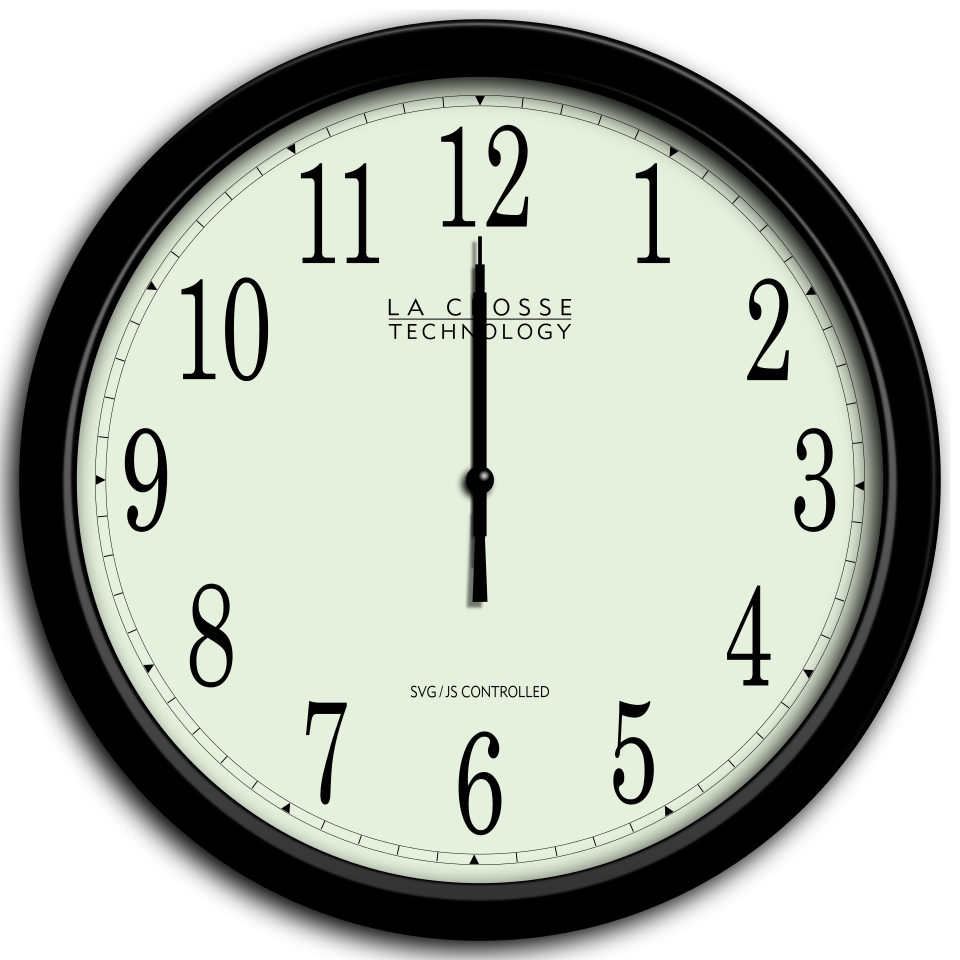 A clock with hour/minute hands shows continuous time (no digital ticks). (Image: Fleshgrinder, Public domain, via Wikimedia Commons)
Key Features:
| Feature | Analog System |
|---|---|
| Signal Type | Continuous (infinite values) |
| Precision | Limited by noise and drift |
| Storage | Difficult (e.g., vinyl records degrade) |
| Processing | Hardware-dependent (e.g., vacuum tubes) |
Real-World Use in Nepal:
- NTC’s old telephone exchanges used analog signals for voice calls (before digital switches).
- Traditional seismometers measure earthquakes as wavy lines on paper (continuous data).
Digital Systems: Discrete Signals
Digital systems represent data as discrete binary values (0s and 1s). A digital clock shows time in numbers (e.g., 14:30), not a moving hand.
How it works:
- Sampling: Analog signal → converted to digital (e.g., microphone → ADC → binary).
- Processing: Logic gates, CPUs, algorithms.
- Output: Discrete values (e.g., pixels on a screen).
Example:
Key Features:
| Feature | Digital System |
|---|---|
| Signal Type | Discrete (0/1, finite values) |
| Precision | High (error correction possible) |
| Storage | Easy (CDs, SSDs, cloud) |
| Processing | Software/hardware flexible (e.g., GPUs) |
Real-World Use in Nepal:
- Khalti’s payment gateway uses digital encryption to process transactions (0s/1s for security).
- Pathao’s ride-hailing app relies on digital GPS coordinates to match drivers and riders.
How Analog and Digital Systems Work Together
Most modern systems are hybrid: analog sensors → digital processing → analog output.
1. Analog-to-Digital Conversion (ADC)
Process:
- Sampling: Measure analog signal at fixed intervals (e.g., 44.1 kHz for audio).
- Quantization: Round sampled values to discrete levels (e.g., 16-bit audio = 65,536 levels).
- Encoding: Convert to binary (e.g.,
10101010for a voltage level).
Example: Ncell’s Signal Tower
Worked Example: Ncell’s 4G tower receives an analog voice signal from your phone. If the ADC samples at 8 kHz with 8-bit quantization:
- Sampling rate: 8,000 samples/second.
- Quantization levels: 256 (2^8).
- Data rate: 8,000 × 8 bits = 64 kbps (raw digital data).
2. Digital-to-Analog Conversion (DAC)
Used to "reconstruct" analog signals (e.g., speakers, printers).
Example: Daraz’s Warehouse Automation
- Analog: Temperature/humidity sensors in storage rooms (continuous data).
- Digital: Microcontroller reads sensor → adjusts HVAC via DAC → analog output to motors.
Advantages and Disadvantages
Analog Systems
| Advantages | Disadvantages |
|---|---|
| - Simple for natural signals (e.g., sound) | - Prone to noise/distortion |
| - Low power consumption | - Hard to store/process digitally |
| - Real-time processing (e.g., radio) | - Limited precision |
Digital Systems
| Advantages | Disadvantages |
|---|---|
| - Error-free (if sampled correctly) | - Requires high sampling rates |
| - Easy storage/editing (e.g., Photoshop) | - Power-hungry (e.g., CPUs) |
| - Flexible processing (software) | - Latency in conversion (ADC/DAC) |
Real-World Applications in Nepal
1. NTC’s Billing System (Hybrid)
- Analog: Old copper wires carry voice signals (AC voltage waves).
- Digital: Modern fiber-optic cables use pulse-code modulation (PCM) to convert voice to binary for internet calls.
- Why? Digital reduces noise and enables VoIP (e.g., WhatsApp calls).
2. Pathao’s Route Optimization (Digital)
- GPS sensors (analog) → ADC → digital coordinates.
- Algorithm processes data to find the fastest route (digital).
- DAC converts digital commands to analog signals for car engines/steering.
3. NEPSE’s Stock Market Data (Digital)
- Analog: Old trading floors used paper tickets (continuous manual records).
- Digital: Now, stock prices are sampled digitally (e.g., every second) and stored in databases for real-time trading.
Key Differences Table
| Feature | Analog System | Digital System |
|---|---|---|
| Signal Nature | Continuous | Discrete (0/1) |
| Noise Immunity | Poor (affected by interference) | High (error correction) |
| Storage | Difficult (degrades) | Easy (CDs, cloud) |
| Processing | Hardware-specific | Software-flexible |
| Examples in Nepal | Old landline phones, seismometers | Khalti, Pathao, Ncell 4G |
Worked Example: Calculating Sampling Rate for Audio
Problem: Design an ADC for a voice recording app (e.g., for Ncell’s voicemail). The human ear hears up to 20 kHz. What’s the minimum sampling rate?
Solution: By the Nyquist Theorem, the sampling rate must be at least twice the highest frequency: Real-World Tie-In:
- Ncell’s voicemail uses 8 kHz sampling (sufficient for phone-quality voice, not music).
- YouTube’s audio uses 44.1 kHz for CD-quality sound.
Exam Tip
- Define clearly:
- Analog: "Continuous representation of data (e.g., sine waves)."
- Digital: "Discrete binary representation (0s/1s)."
- Compare with a table (like above) for marks.
- Relate to Nepal:
- NTC’s transition from analog to digital phones.
- Pathao’s use of digital maps (vs. analog paper maps).
- Calculate sampling rates (Nyquist Theorem is a favorite exam question).
- Hybrid systems are key: Always explain how ADC/DAC bridge analog/digital (e.g., microphones, speakers).
Visual Summary:
Based on the TU BBM syllabus for IT and Applications (IT231), unit 11.
Discussion
Loading…