Taxation In NepalUnit 710 min read
Depreciation & WDV: Blocks, Rates, Computations & Tax Impact
Unit 7 of Taxation In Nepal covers depreciation principles, Written Down Value (WDV) method under Nepal’s Income Tax Act 2058, asset blocks (A–E), computation rules, and how WDV affects taxable income—with real-world examples from Nepali businesses and exam-focused worked problems.
TAKEAWAYS:
- Depreciation allocates an asset’s cost over its useful life; WDV method deducts a fixed percentage of the asset’s remaining book value each year (unlike straight-line).
- Nepal classifies assets into five blocks (A–E) with prescribed depreciation rates (e.g., Block C: 20% for machinery).
- WDV = Opening WDV × (100% – Depreciation Rate). Additions and disposals are handled via pro-rata time and gain/loss on sale.
- Tax impact: Depreciation reduces taxable income, but actual repairs (not capitalized) are deductible in full.
- Exam traps: Mixing up cost price vs. WDV, ignoring pro-rata for partial-year assets, or misapplying block rates.
- Real-world link: Daraz’s warehouse equipment (Block C) or Ncell’s telecom towers (Block D) use WDV to claim tax deductions annually.
1. What is Depreciation? Why Does It Matter in Tax?
Depreciation is the systematic allocation of an asset’s cost over its useful life to reflect wear-and-tear, obsolescence, or legal limits on deductions. In Nepal’s tax system, it directly reduces taxable income by allowing businesses to claim a portion of the asset’s value as an expense each year.
Why WDV Over Other Methods?
Most businesses in Nepal use the Written Down Value (WDV) method because:
- It aligns with Income Tax Act 2058 (Section 24).
- Provides higher deductions in early years (accelerated depreciation effect).
- Matches cash flows (lower taxable income = lower tax payments).
graph LR
    A["Asset Purchase"] --> B["Record Cost in Books"]
    B --> C["Apply Depreciation\n(WDV Method)"]
    C --> D["Reduce Taxable Income"]
    D --> E["Pay Lower Tax"]
    E --> F["Retain Cash for Reinvestment"]
Figure 1: How Depreciation Lowers Tax Liability2. Nepal’s Asset Blocks and Depreciation Rates
Nepal’s Income Tax Act classifies assets into five blocks (A–E), each with a fixed depreciation rate. The block determines the rate, not the asset type alone.
| Block | Asset Type | Depreciation Rate | Example in Nepal |
|---|---|---|---|
| A | Buildings (except residential) | 5% | Office buildings in Kathmandu |
| B | Furniture, fixtures, vehicles | 20% | Daraz delivery vans, NTC buses |
| C | Plant & machinery, computers | 20% | Ncell telecom towers, factory equipment |
| D | Ships, aircraft, heavy machinery | 10% | Hydropower turbines, cargo planes |
| E | Residential buildings | 2.5% | Apartment complexes in Pokhara |
Key Rule: Assets cannot switch blocks once assigned. For example, a computer (Block C) stays in Block C even if upgraded.
3. How WDV is Calculated: Step-by-Step
The formula for WDV is:
WDV at end of year = (Opening WDV) × (100% – Depreciation Rate)
Additions: If you buy a new asset mid-year, depreciate it pro-rata (e.g., 6 months = 50% of annual rate). Disposals: Sell an asset? Book a gain/loss = Sale Price – WDV at disposal.
Worked Example: Kathmandu Retail Shop (Block B Assets)
Scenario: Kathmandu Mart starts the year with:
- Opening WDV (Block B): Rs. 400,000
- Depreciation Rate (Block B): 20%
- New Addition: Rs. 150,000 (purchased on 1st Ashwin, so 6 months’ depreciation).
- Disposal: Sold an old vehicle for Rs. 80,000 (WDV at disposal: Rs. 60,000).
Step 1: Calculate Depreciation for Opening WDV
Depreciation = Rs. 400,000 × 20% = Rs. 80,000
WDV after depreciation = Rs. 400,000 – Rs. 80,000 = Rs. 320,000
Step 2: Add New Asset (Pro-Rata)
New asset cost = Rs. 150,000
Depreciation for 6 months = Rs. 150,000 × (20% × 0.5) = Rs. 15,000
WDV after addition = Rs. 320,000 + Rs. 150,000 = Rs. 470,000
WDV after depreciation = Rs. 470,000 – Rs. 15,000 = Rs. 455,000
Step 3: Dispose of Old Vehicle
Gain on sale = Sale Price (Rs. 80,000) – WDV (Rs. 60,000) = Rs. 20,000 (taxable income!)
Final WDV = Rs. 455,000 – Rs. 60,000 = Rs. 395,000
Summary Table:
| Particular | Amount (Rs.) |
|---|---|
| Opening WDV | 400,000 |
| Depreciation (20%) | (80,000) |
| WDV after depreciation | 320,000 |
| + New asset (pro-rata) | 150,000 |
| – Depreciation on new asset | (15,000) |
| – WDV of disposed asset | (60,000) |
| Closing WDV | 395,000 |
| Gain on disposal | 20,000 |
4. Real-World Applications in Nepal
Example 1: Daraz’s Warehouse Equipment (Block C)
- Asset: Forklifts, conveyor belts (Block C, 20% rate).
- Tax Benefit: Daraz claims 20% of the remaining WDV each year, reducing taxable income.
- Impact: Lower tax bills fund expansion (e.g., new warehouses in Chitwan).
Example 2: Ncell’s Telecom Towers (Block D)
- Asset: Cell towers (Block D, 10% rate).
- Tax Benefit: Ncell deducts 10% of WDV annually, deferring tax payments until later years.
- Impact: Retains cash for network upgrades (e.g., 5G rollout).
Example 3: Kathmandu Traffic Routes (NTC’s Depreciation)
- Asset: Buses (Block B, 20% rate).
- Scenario: NTC buys a bus for Rs. 5,000,000. After 3 years:
- Year 1 WDV: Rs. 5,000,000 × 80% = Rs. 4,000,000
- Year 2 WDV: Rs. 4,000,000 × 80% = Rs. 3,200,000
- Year 3 WDV: Rs. 3,200,000 × 80% = Rs. 2,560,000
- Tax Saved: Each year, NTC pays less tax due to depreciation deductions.
5. Common Mistakes in Exams (Avoid These!)
Ignoring Pro-Rata for Additions/Disposals
- Wrong: Depreciating a mid-year addition at full rate.
- Right: Multiply by
(months held / 12).
Mixing Cost Price and WDV
- Wrong: Calculating depreciation on original cost (straight-line).
- Right: Always use remaining WDV.
Forgetting to Adjust for Disposals
- Wrong: Not removing WDV of sold assets.
- Right: Subtract WDV at disposal and book gain/loss.
Wrong Block Assignment
- Wrong: Classifying a computer as Block A (buildings).
- Right: Computers are Block C (20%).
6. Depreciation vs. Repairs: What’s Deductible?
| Item | Treatment | Tax Impact |
|---|---|---|
| Depreciation | Deductible as % of WDV (Block rates) | Reduces taxable income annually. |
| Repairs & Maintenance | Fully deductible if not capitalized | Deductible in the year incurred. |
| Improvements | Capitalized (added to asset cost) | Depreciated over useful life. |
Example: If NTC repaints a bus (Rs. 20,000), it’s deductible immediately. But if it installs a new engine (Rs. 200,000), it’s capitalized and depreciated.
7. The Accounting Cycle: From Purchase to Disposal
flowchart TD
    A["Asset Purchase"] --> B["Record in General Ledger\n(Dr. Asset, Cr. Bank)"]
    B --> C["Assign to Correct Block\n(A-E)"]
    C --> D["Calculate WDV at Year-End\n(WDV = Opening WDV × (100% - Rate))"]
    D --> E["Journal Entry:\nDr. Depreciation Expense, Cr. Accumulated Depreciation"]
    E --> F["Update Taxable Income\n(Taxable Income = Profit – Depreciation)"]
    F --> G["File Tax Return\n(WDV reported in Schedule 4)"]
    G --> H["Disposal?\nYes: Book Gain/Loss\nNo: Repeat for Next Year"]
8. Fully Worked Exam-Style Problem
Question: SS Trades provides the following details for Block B and C assets:
| Particular | Block B (Rs.) | Block C (Rs.) |
|---|---|---|
| Opening WDV | 400,000 | 900,000 |
| New Addition (1st Ashwin) | 150,000 | 200,000 |
| Disposal (31st Chaitra) | – | 300,000 (WDV) |
| Depreciation Rates | 20% | 20% |
Requirements:
- Compute closing WDV for both blocks.
- Calculate gain/loss on disposal (Block C).
Solution:
Block B:
- Opening WDV: Rs. 400,000
- Depreciation: Rs. 400,000 × 20% = Rs. 80,000
- WDV after depreciation: Rs. 400,000 – Rs. 80,000 = Rs. 320,000
- Addition (6 months): Rs. 150,000 × (20% × 0.5) = Rs. 15,000
- Closing WDV: Rs. 320,000 + Rs. 150,000 – Rs. 15,000 = Rs. 455,000
Block C:
- Opening WDV: Rs. 900,000
- Depreciation: Rs. 900,000 × 20% = Rs. 180,000
- WDV after depreciation: Rs. 900,000 – Rs. 180,000 = Rs. 720,000
- Addition (6 months): Rs. 200,000 × (20% × 0.5) = Rs. 20,000
- WDV before disposal: Rs. 720,000 + Rs. 200,000 – Rs. 20,000 = Rs. 900,000
- Disposal (WDV Rs. 300,000):
- Gain/Loss: Sale Price – WDV = Rs. 0 – Rs. 300,000 = Loss of Rs. 300,000 (deductible).
- Closing WDV: Rs. 900,000 – Rs. 300,000 = Rs. 600,000
Final Answer:
- Block B Closing WDV: Rs. 455,000
- Block C Closing WDV: Rs. 600,000
- Loss on Disposal (Block C): Rs. 300,000
Exam Tip: How to Score Full Marks
- Show All Steps: Examiners reward clear calculations. Label each step (e.g., “Depreciation for Block B”).
- Use Tables: Present WDV computations in a Markdown table (like above) for clarity.
- Watch Units: Depreciation rates are per annum. If the question says “for 6 months,” adjust accordingly.
- Disposals Are Tricky: Always calculate gain/loss separately and state whether it’s taxable/deductible.
- Block Assignment: Double-check which block the asset falls into (e.g., vehicles = Block B, not A).
- Pro-Rata is Key: For additions/disposals mid-year, multiply by
(months held / 12).
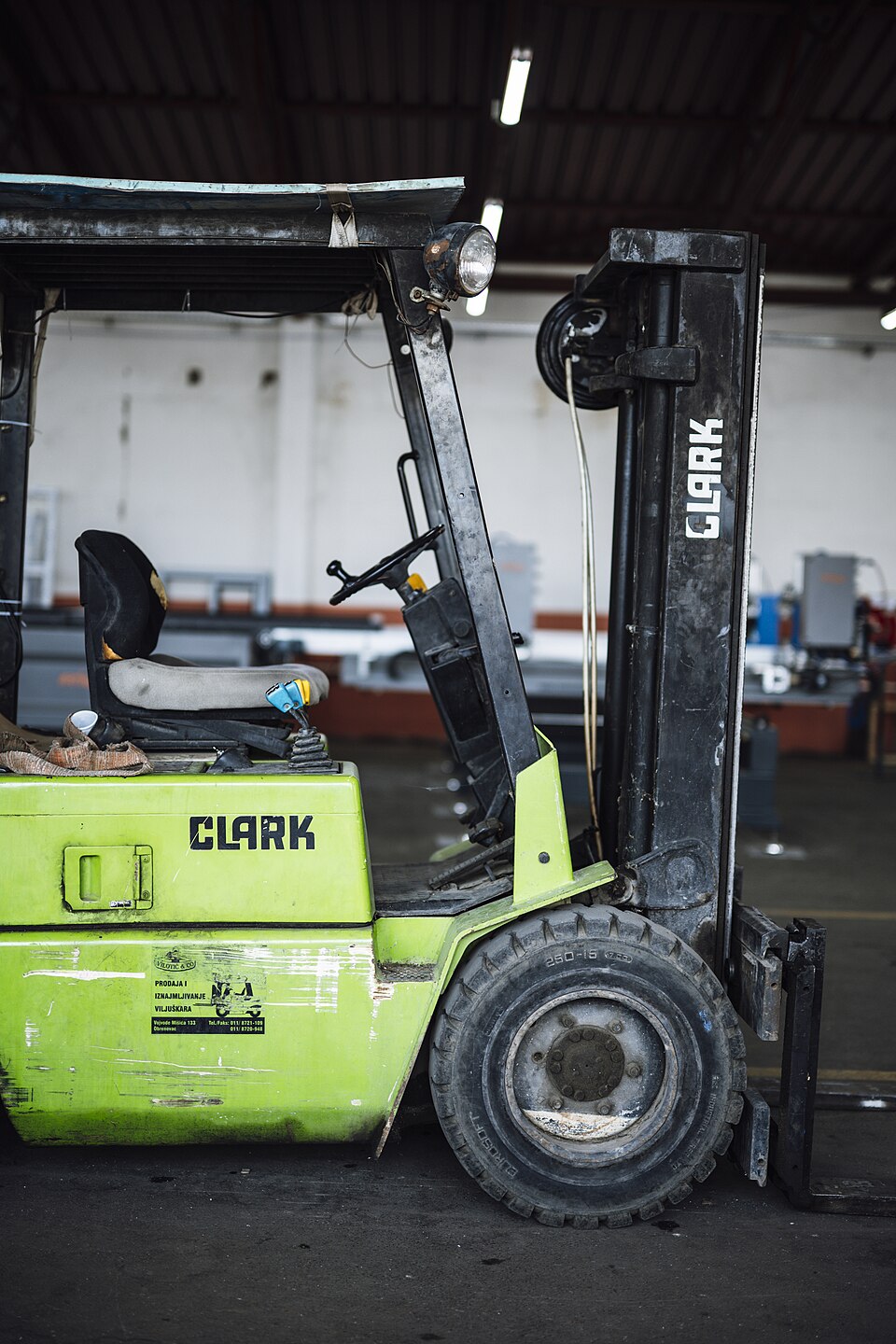 Daraz’s Block C assets (20% depreciation rate) (Image: Shixart1985, CC BY 2.0, via Wikimedia Commons)
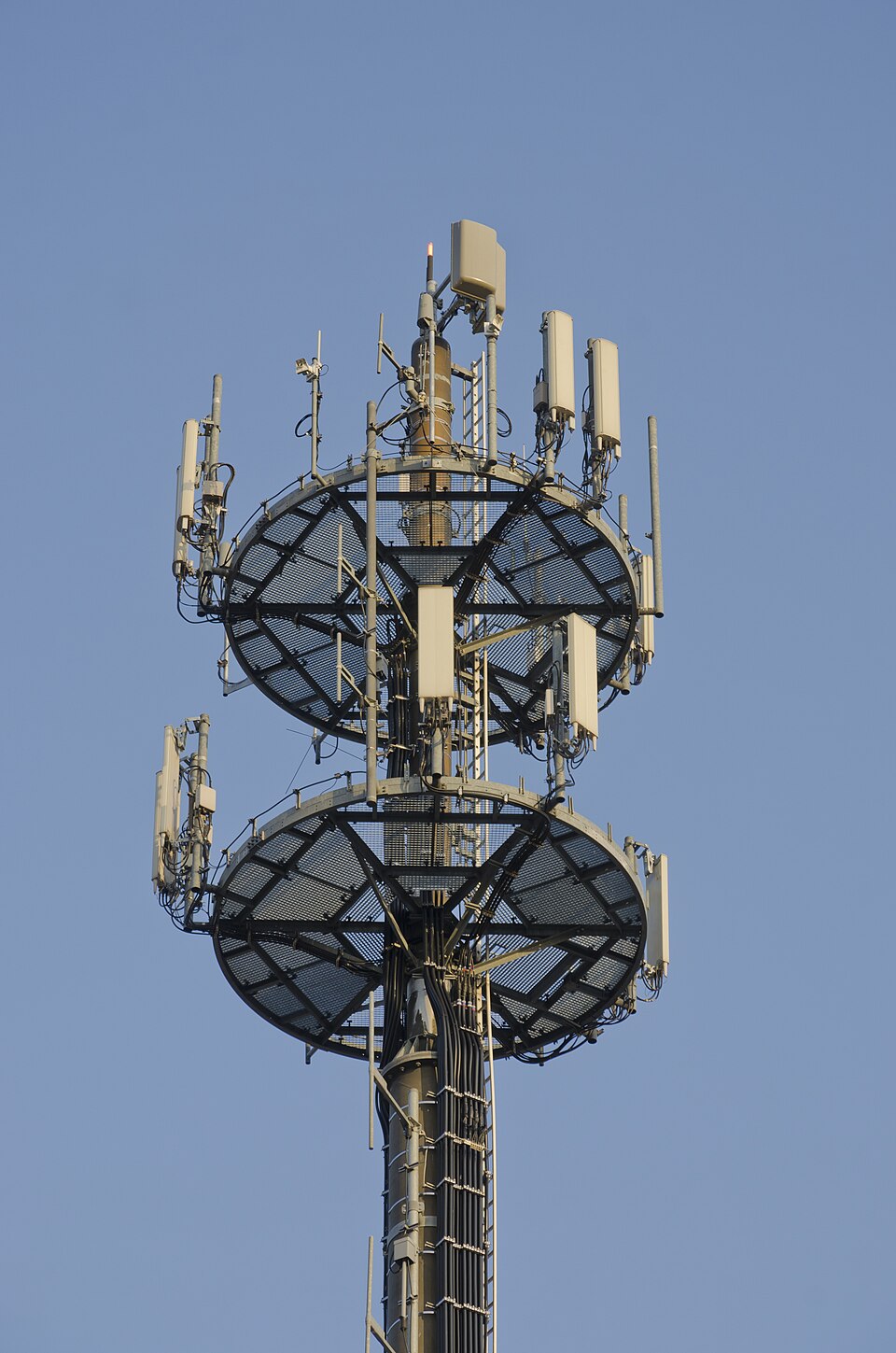 Ncell’s Block D assets (10% depreciation rate) (Image: Norbert Nagel, CC BY-SA 3.0, via Wikimedia Commons)
Based on the TU BBS syllabus for Taxation In Nepal, unit 7.
Discussion
Loading…