E-Commerce and Internet MarketingUnit 49 min read
Online Payment Systems: Models, Gateways, Security & Real-World Use
Unit 4 of E-Commerce and Internet Marketing explores how online transactions work—from digital wallets to bank transfers—covering payment gateways, security protocols (PCI DSS, SSL), fraud prevention, and real-world applications in Nepali and global e-commerce platforms like eSewa, Daraz, and PayPal.
Key Concepts and How They Work
1. What is an Online Payment System?
An online payment system enables secure, electronic transfer of money between buyers and sellers over the internet. It includes:
- Payment methods: Credit/debit cards, digital wallets (e.g., eSewa, Khalti), bank transfers, UPI (India), or cryptocurrencies.
- Payment gateways: Third-party services (e.g., PayPal, IPS Payment Gateway) that process transactions.
- Security protocols: Encryption (SSL/TLS), tokenization, and fraud detection.
Why it matters: Without these systems, e-commerce (e.g., Daraz, Amazon) couldn’t function. Even local businesses like Nepal’s NTC use online payments for bill payments via eSewa.
2. Types of Online Payment Systems
Use this table to compare the most common methods in Nepal and globally:
| Type | Examples (Nepal/Global) | How It Works | Pros | Cons |
|---|---|---|---|---|
| Digital Wallets | eSewa, Khalti, MeroPay | User links bank account/card; funds stored in wallet for quick payments. | Fast, no card needed, widely accepted. | Limited merchant adoption, fraud risks. |
| Bank Transfers | Nabil Bank, Global IME | Direct transfer from buyer’s bank to seller’s account (e.g., Daraz COD → bank transfer). | Secure, no third-party fees. | Slow (1–3 days), manual entry errors. |
| Credit/Debit Cards | Visa, Mastercard, NMB Card | Card details processed via payment gateway (e.g., PayPal, IPS). | Global acceptance, buyer protection. | High fees (2–4% per transaction), fraud. |
| Mobile Banking | Ncell Easy Paisa, NMB Mobile App | Bank apps (e.g., NMB, Standard Chartered) allow P2P or merchant payments. | Convenient, real-time transactions. | Limited to bank customers. |
| UPI (India) | PhonePe, Google Pay | Instant bank-to-bank transfers via mobile (e.g., "Pay with UPI ID"). | Zero fees, 24/7 availability. | Not available in Nepal. |
| Cryptocurrencies | Bitcoin, NayaPay (Nepal) | Blockchain-based (e.g., Bitcoin for global e-commerce, NayaPay for local). | Decentralized, low fees. | Volatile, regulatory uncertainty. |
3. How Payment Gateways Work
A payment gateway is the bridge between a merchant’s website and the bank/processor. Here’s the flow for a Daraz purchase:
flowchart TD
    A["User: Selects item on Daraz"] --> B["Clicks 'Checkout'"]
    B --> C["Enters card/wallet details"]
    C --> D["Payment Gateway (IPS/PayPal)"]
    D --> E["Encrypts data (SSL/TLS)"]
    E --> F["Sends to Bank/Processor"]
    F --> G["Bank: Authenticates & Deducts"]
    G --> H["Sends approval to Gateway"]
    H --> I["Gateway: Confirms to Daraz"]
    I --> J["Daraz: Ships order"]
Key players in Nepal:
- IPS Payment Gateway: Used by Daraz, Sastodeal.
- PayPal: For global transactions (e.g., Nepalese selling on Etsy).
- eSewa/Khalti APIs: For wallet-based payments.
Worked Example: Paying for a Daraz Order
- You add items to cart and click Checkout.
- Select eSewa/Khalti and scan the QR code.
- Enter your eSewa PIN → ₹500 deducted instantly.
- Daraz receives confirmation and ships your order.
4. Security in Online Payments
Security is critical—fraud costs global e-commerce $20+ billion annually. Key protections:
A. Encryption (SSL/TLS)
- What it does: Scrambles card details so hackers can’t read them.
- How to spot it: Look for 🔒 HTTPS in the browser (e.g., Daraz’s checkout page).
- Example: When you pay on Nepal’s NTC website, the URL changes to
https://ntc.gov.np/bill-payment(secure).
B. PCI DSS Compliance
- What it is: A set of rules (e.g., PCI DSS 3.2.1) that merchants must follow to handle card data.
- Example: Daraz stores no raw card numbers—only tokens (random codes) linked to your actual card.
C. Fraud Prevention Techniques
| Method | How It Works | Example in Nepal |
|---|---|---|
| 3D Secure (3DS) | Adds a one-time password (OTP) for high-risk transactions. | eSewa sends an SMS OTP for large payments. |
| Machine Learning | Detects unusual patterns (e.g., sudden large orders from a new device). | Khalti flags transactions if IP changes. |
| Two-Factor Auth (2FA) | Requires a second step (e.g., fingerprint + PIN). | NMB Mobile App uses 2FA for transfers. |
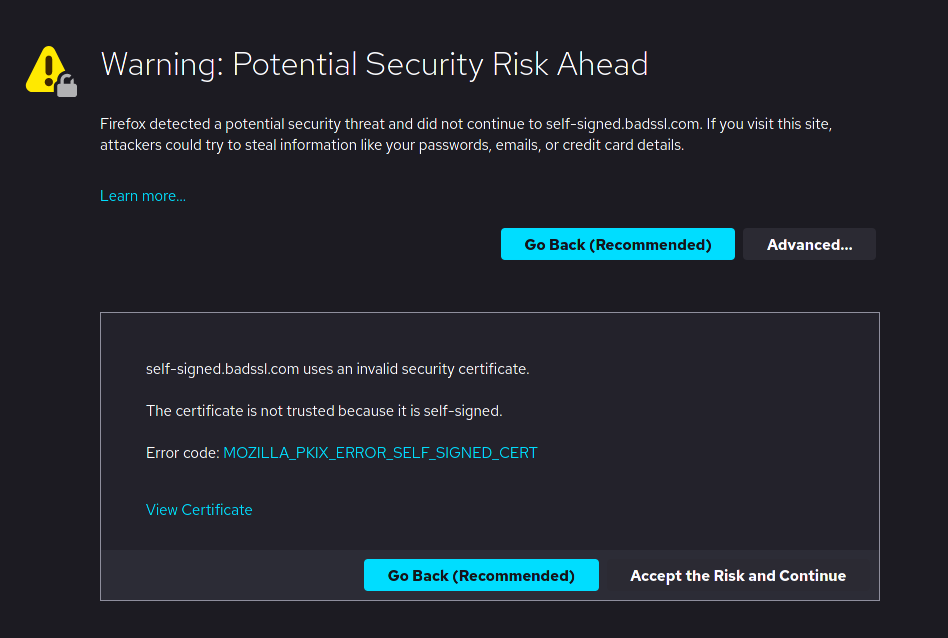 How browsers show Not Secure if a site lacks HTTPS. (Image: Software: Mozilla Foundation and contributors Screenshot: Vu, MPL 2, via Wikimedia Commons)
5. Real-World Applications in Nepal
Case Study 1: eSewa’s Payment Ecosystem
eSewa processes 90% of Nepal’s digital transactions. How it uses online payment systems:
- Digital Wallet: Users link bank accounts/cards to eSewa.
- QR Codes: Merchants (e.g., local shops, Daraz) display QR codes for instant payments.
- API Integration: eSewa connects to Nepal Rastra Bank (NRB) for real-time settlements.
mindmap
  root((eSewa Payment Flow))
    Users
      Link Bank Card
      Add Money
    Merchants
      Display QR Code
      Receive Payment
    Banks
      NRB Settlement
      Fraud Monitoring
    Security
      SSL Encryption
      OTP Verification
Why it works:
- Speed: Transactions take <5 seconds.
- Reach: 12 million+ users (40% of Nepal’s population).
- Trust: Partnered with NTC, Ncell, and Daraz.
Case Study 2: Daraz’s Multi-Payment Strategy
Daraz supports 5 payment methods to reduce cart abandonment:
- eSewa/Khalti (60% of users).
- Bank Transfer (for COD orders).
- Credit Cards (via IPS Gateway).
- Cash on Delivery (COD) → later converted to bank transfer.
- NayaPay (for crypto-savvy users).
Problem Solved:
- Traffic jams in Kathmandu delay COD deliveries → Daraz pushes digital payments to reduce delays.
- Rural areas with no internet use mobile banking (Ncell Easy Paisa).
6. Challenges and Limitations
| Challenge | Cause | Nepal-Specific Example |
|---|---|---|
| Low Internet Penetration | Rural areas lack 4G/broadband. | Only 50% of Nepal has internet (vs. 90% in India). |
| Fraud and Scams | Fake websites, phishing links. | "Fake Daraz" sites steal card details. |
| Bank Fees | High transaction fees (2–4%). | Nabil Bank charges 2.5% per online payment. |
| Regulatory Hurdles | NRB restricts foreign payment gateways. | PayPal is blocked; IPS is the main alternative. |
| Cash Dependency | 80% of Nepal’s economy is cash-based. | Many elderly users prefer COD over digital. |
7. Emerging Trends
Open Banking in Nepal
- Banks (e.g., NMB, Standard Chartered) are sharing data with fintechs like eSewa for seamless payments.
- Example: Linking your NMB account to Khalti in one click.
Central Bank Digital Currency (CBDC)
- Nepal Rastra Bank (NRB) is testing a digital rupee to replace cash.
- Impact: Faster cross-border payments (e.g., Nepali diaspora sending money home).
Buy Now, Pay Later (BNPL)
- Khalti’s "Khalti Pay Later" lets users pay in installments (like global BNPL services).
- Example: Buy a ₹50,000 laptop on Daraz and pay in 3 monthly installments.
Exam Tip
How this unit is tested in TU/PU exams:
Definitions: Expect 2–3 marks on payment gateway, PCI DSS, or tokenization.
- Example question: "Define ‘digital wallet’ and give two Nepali examples."
- Answer: "A digital wallet is a virtual account (e.g., eSewa, Khalti) where users store money for quick online payments."
Diagrams/Processes: Draw a payment flow (like the Daraz example above) or a security layer diagram.
- Example: "Explain how SSL/TLS secures a transaction on Daraz’s website."
Case Studies: Compare two payment methods (e.g., eSewa vs. bank transfer) with pros/cons.
- Example: "Why do 70% of Daraz users prefer eSewa over bank transfers?"
Short Answers: Match terms to definitions or fill in blanks.
- Example: "______ is a set of security standards for card payments." → PCI DSS
Real-World Application: Relate concepts to Nepali companies.
- Example: "How does NTC use online payment systems for bill payments?" → eSewa/Khalti integration for instant deductions.
Top 3 Marks-Grabbers:
- Memorize the 5 types of payment systems (table above).
- Know eSewa’s flow (mindmap) and Daraz’s multi-payment strategy.
- Understand SSL/TLS and PCI DSS—examiners love these for security questions.
Final Note: Online payment systems are the backbone of e-commerce. Master this unit, and you’ll ace questions on how Daraz, eSewa, or even NTC handle transactions securely. Practice drawing flows and comparing methods—this is where full marks lie!
Based on the TU BIM syllabus for E-Commerce and Internet Marketing (IT247), unit 4.
Discussion
Loading…