Society and Ethics in ITUnit 416 min read
IP Rights & Tech: Patents, Copyrights, Trademarks & Piracy
Unit 4 of Society and Ethics in IT explores how intellectual property (IP) laws—patents, copyrights, trademarks, and trade secrets—apply to software, hardware, and digital content, including enforcement challenges like piracy and open-source licensing.
TAKEAWAYS:
- Intellectual property rights (patents, copyrights, trademarks) protect creators’ work in tech, but their scope and enforcement vary globally.
- Patents shield inventions (e.g., algorithms, hardware designs), while copyrights cover creative works (code, apps, music).
- Trademarks and trade secrets protect brand identity and confidential processes (e.g., Coca-Cola’s formula).
- Piracy and unauthorized use of IP (e.g., cracked software, bootleg movies) harm creators and economies.
- Open-source licenses (GPL, MIT) balance IP protection with collaboration, enabling free software development.
- Nepal’s IP laws (e.g., Copyright Act 2058) align with international treaties like the TRIPS Agreement but face challenges in enforcement.
1. What Is Intellectual Property (IP)?
Intellectual property (IP) refers to creations of the mind—ideas, inventions, artistic works, and symbols—that are protected by law. Unlike physical property, IP is intangible but can be legally owned. In computing, IP covers:
- Software (source code, apps)
- Hardware designs (chips, circuits)
- Algorithms (e.g., Google’s PageRank)
- Digital content (music, videos, e-books)
Why does IP matter in IT? Without protection, creators (developers, companies) risk having their work copied, stolen, or misused. IP laws incentivize innovation by giving exclusive rights to creators for a limited time.
2. Types of Intellectual Property Rights
A. Patents
Definition: Legal protection for new inventions (products, processes, or improvements) that are novel, non-obvious, and industrially applicable. What’s protected?
- Hardware (e.g., USB ports, smartphone chips)
- Software algorithms (e.g., encryption methods, AI models)
- Business methods (e.g., Amazon’s "one-click" ordering patent)
Key Features of Patents
| Feature | Description |
|---|---|
| Duration | 20 years from filing date (varies by country) |
| Exclusivity | Patent holder can exclude others from making/selling the invention. |
| Publication | After 18 months, the patent is published (except in some countries). |
| Enforcement | Requires legal action (lawsuits) against infringers. |
Example in Nepal:
- NTC’s patented fiber-optic technology: Nepal Telecom holds patents for its broadband infrastructure to prevent competitors from copying its network designs.
- Worked Example: Suppose a Nepalese startup invents a low-cost solar-powered water pump for rural areas. If patented, no other company can sell a similar product for 20 years. The startup can license the patent to manufacturers (e.g., Himalayan Hydropower) for royalties.
- Invention Disclosure (submit to patent office)
- Novelty Search (check if it’s new)
- Filing (submit detailed description + claims)
- Examination (patent officer reviews)
- Granting (patent published, 20-year protection begins).
flowchart LR
    A["Invention Disclosure"] --> B["Novelty Search"]
    B --> C["Filing\n(Description + Claims)"]
    C --> D["Examination\nby Patent Officer"]
    D -->|"Approved"| E["Granted\n(20-year protection)"]
    D -->|"Rejected"| F["Appeal or Modify"]
Challenges with Patents in Tech:
- "Software patents" controversy: Some argue that abstract ideas (e.g., "a method of organizing data") should not be patentable.
- Patent trolls: Companies that buy patents only to sue others (e.g., a firm suing Daraz for using a "shopping cart" algorithm).
- Cost: Filing a patent in the US/EU can cost $5,000–$15,000—expensive for startups.
B. Copyrights
Definition: Protects original works of authorship fixed in a tangible form (e.g., code, books, music, videos). Unlike patents, no registration is required in most countries (automatic protection upon creation).
What’s Protected in IT?
- Source code (e.g., Linux kernel, WhatsApp’s encryption code)
- Software (e.g., Microsoft Windows, Adobe Photoshop)
- Websites (layout, design, text)
- Multimedia (YouTube videos, e-books)
Key Features of Copyright
| Feature | Description |
|---|---|
| Duration | Life of author + 70 years (or 50–100 years for corporate works). |
| Exclusivity | Owner controls reproduction, distribution, public performance. |
| No Registration Needed | Automatic in Nepal/India; registration strengthens legal claims. |
| Fair Use | Limited use without permission (e.g., criticism, education). |
Example in Nepal:
eSewa’s API: The government’s digital payment platform’s code is copyrighted. If a company like Khalti copies eSewa’s backend logic without permission, it violates copyright.
Worked Example: Suppose you develop a Nepali language OCR (Optical Character Recognition) tool for scanning handwritten documents. Your code is automatically copyrighted. If Nepal Telecom uses your OCR in their app without permission, you can sue for copyright infringement.
The © symbol
Owner’s name (e.g., "© 2024 Nepal Government")
Year of first publication.
How Copyright Applies to Open-Source Software Open-source projects (e.g., Linux, Mozilla Firefox) use licenses (GPL, MIT) to allow free use/modification while protecting copyright. For example:
- GPL (GNU General Public License): Requires derivative works to also be open-source.
- MIT License: Allows free use, even in proprietary software (but must credit the original author).
Comparison Table: Open-Source Licenses
| License Type | Copyleft? | Can Be Used in Proprietary Software? | Example Projects |
|---|---|---|---|
| GPL | Yes | No (must remain open-source) | Linux, WordPress |
| MIT | No | Yes | React.js, jQuery |
| Apache | No | Yes (with restrictions) | Android, Kafka |
C. Trademarks
Definition: Protects symbols, names, or phrases that identify a product/service (e.g., logos, brand names). Prevents consumer confusion.
What’s Protected in IT?
- Brand names (e.g., Google, WhatsApp, Daraz)
- Logos (e.g., Ncell’s lion, Pathao’s green bird)
- Slogans (e.g., Nepal Telecom’s "Connecting Nepal")
Key Features of Trademarks
| Feature | Description |
|---|---|
| Duration | 10 years (renewable indefinitely). |
| Registration | Must be registered (unlike copyright). |
| Infringement | Using a similar mark that causes confusion (e.g., "Facebook" vs. Facebook). |
Example in Nepal:
- Khalti’s "K" logo: If a fintech startup uses a similar "K" symbol for payments, Khalti can sue for trademark dilution.
- Worked Example: Suppose a Nepali food delivery app named "Patho" (similar to Pathao) launches. Pathao could sue for trademark infringement if consumers get confused.
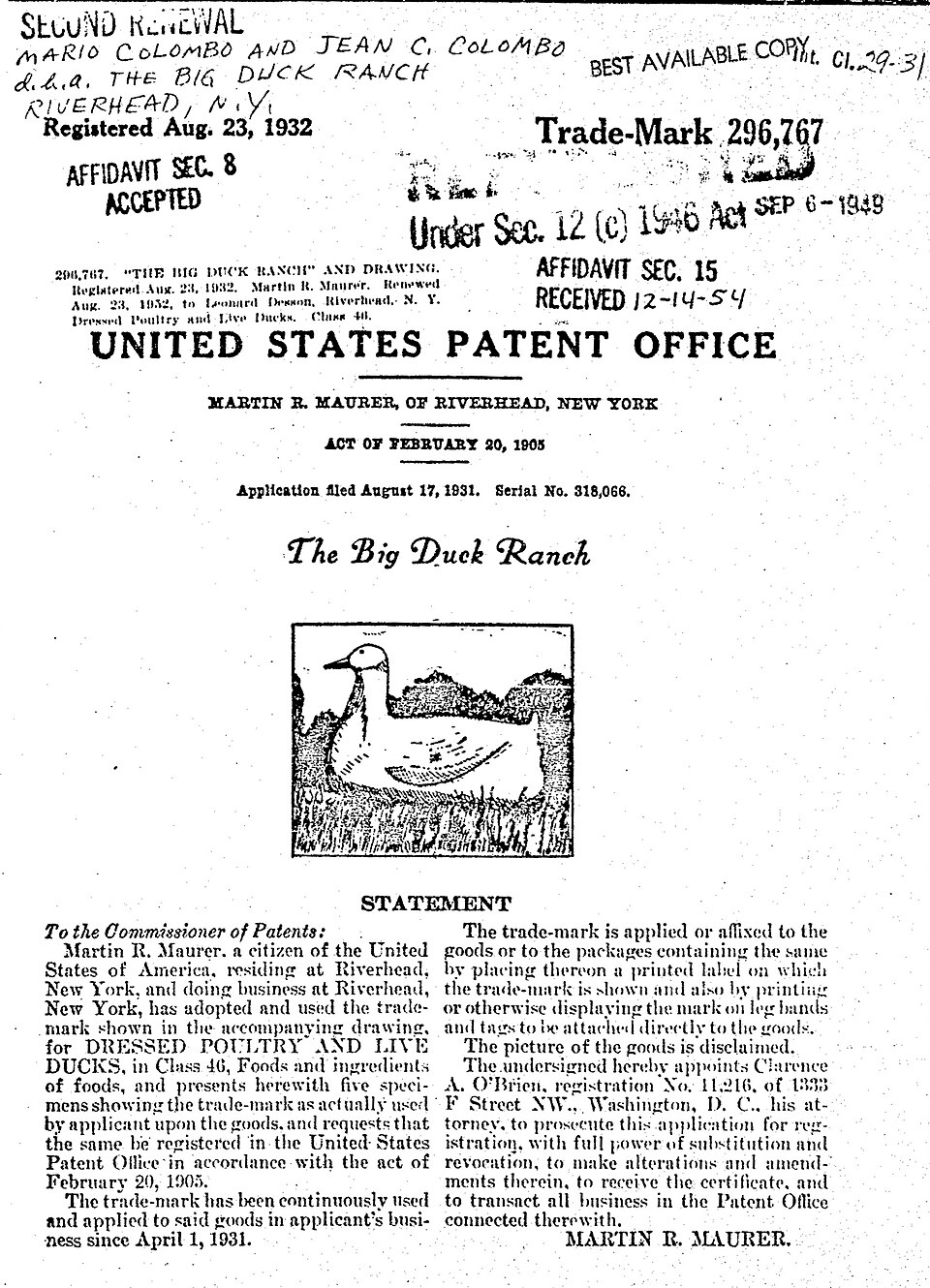 A real screenshot of a trademark registration document (e.g., from the Nepal Office of the Company Registrar) showing: (Image: US Patent and Trademark Office, Public domain, via Wikimedia Commons)
- Applicant’s name (e.g., "Ncell Pvt. Ltd.")
- Trademark symbol (e.g., lion logo)
- Registration number and expiry date.
D. Trade Secrets
Definition: Confidential information that gives a business a competitive advantage (e.g., formulas, algorithms, customer lists). No registration needed—protection comes from secrecy.
What’s Protected in IT?
- Algorithms (e.g., Facebook’s newsfeed ranking)
- Source code (e.g., Khalti’s payment encryption)
- Customer data (e.g., Daraz’s supplier lists)
Key Features of Trade Secrets
| Feature | Description |
|---|---|
| Duration | Indefinite (as long as kept secret). |
| Protection | NDAs (Non-Disclosure Agreements), access controls, encryption. |
| Misuse | If leaked (e.g., via hacking or insider theft), protection is lost. |
Example in Nepal:
Nepal Rastra Bank’s monetary policy models: The central bank keeps its economic forecasting algorithms secret to maintain trust.
Worked Example: Suppose NTC develops a proprietary algorithm to predict network congestion in Kathmandu. If an employee leaks this to a competitor (e.g., Smart Telecom), NTC can sue for trade secret misappropriation.
Parties involved (e.g., "Ncell Pvt. Ltd. and [Employee Name]")
Confidential information clauses
Duration of secrecy (e.g., 5 years).
3. Piracy and Unauthorized Use of IP
Definition: Theft or unauthorized use of copyrighted/trademarked material. In IT, this includes:
- Software piracy (using cracked copies of Windows, Adobe Suite).
- Movie/ebook piracy (downloading from illegal sites like TorrentNepal).
- Domain squatting (registering a similar domain, e.g., googl.com).
Impact of Piracy in Nepal
| Sector | Harm Caused by Piracy | Example |
|---|---|---|
| Software | Loss of revenue for Microsoft, Adobe. | Cracked Windows 11 sold in Thamel. |
| Movies | Hollywood studios lose billions. | Pirated Bollywood/Hollywood films on USBs. |
| Music | Artists (e.g., Ariana Grande) earn less. | MP3 CDs sold in New Road. |
| Games | Companies like EA, Ubisoft lose sales. | Pirated FIFA 23 on local servers. |
How Companies Fight Piracy in Nepal
Legal action: e.g., Disney suing Nepalese websites selling pirated Disney+ content.
Technological measures: DRM (Digital Rights Management) in software (e.g., Adobe Acrobat’s serial numbers).
Public awareness: Campaigns by Nepal Software Association against piracy.
"This copy of Windows is not genuine."
Activation error messages.
4. Open-Source Software and IP
Open-source software (OSS) balances IP protection with collaboration. Key points:
- No one "owns" the code in the traditional sense, but copyright holders (e.g., Linux Foundation) control licensing.
- Licenses define usage rules:
- GPL: Requires derivative works to be open-source (e.g., Android uses Linux with GPL).
- MIT/Apache: Permissive—can be used in proprietary software (e.g., Facebook uses React under MIT license).
- Benefits:
- Cost-effective (no licensing fees).
- Community-driven improvements (e.g., Mozilla Firefox).
- Risks:
- Liability issues (who is responsible if OSS has bugs?).
- License compliance (e.g., forgetting to credit GPL-licensed code).
Example in Nepal:
Government of Nepal uses OpenOffice (open-source alternative to Microsoft Office) to save costs.
Worked Example: Suppose a Nepali ed-tech startup builds an app using React.js (MIT license) and WordPress (GPL). They must:
- Include copyright notices for both libraries.
- Open-source their modifications if using GPL components.
GPL (copyleft), MIT (permissive), Apache (permissive with patent protection).
5. IP Laws in Nepal and International Treaties
Nepal’s IP laws are governed by:
- Copyright Act 2058 (2001) – Covers software, music, films.
- Patent Act 2047 (1990) – Protects inventions (aligned with TRIPS Agreement).
- Trademark Act 2066 (2009) – Managed by the Department of Industry.
- Computer Crime Act 2063 (2007) – Criminalizes cyber piracy.
Key International Treaties Affecting Nepal
| Treaty/Agreement | Relevance to Nepal | Example Impact |
|---|---|---|
| TRIPS (WTO) | Nepal must protect patents/copyrights. | Local pharma companies can’t copy patented drugs. |
| WIPO Copyright Treaty | Digital works (e.g., e-books) are protected. | eSewa’s digital payment system is copyrighted. |
| Berne Convention | Automatic copyright in member countries. | A Nepali app developer’s code is protected in India/US. |
Challenges in Nepal’s IP Enforcement
Weak penalties: Piracy fines are often symbolic (e.g., ₹5,000 for selling cracked software).
Lack of awareness: Many small businesses unintentionally infringe IP (e.g., using unlicensed fonts in logos).
Corruption: Some officials ignore patent/trademark violations for bribes.
Online application forms
Fees (e.g., ₹5,000 for trademark registration).
In the Real World
Khalti’s Payment System
- IP Used: Patents (for transaction encryption), Trademarks (logo and name), Copyright (app code).
- How It Works: Khalti’s algorithms for fraud detection are trade secrets. Their green bird logo is trademarked to prevent imitation by competitors like eSewa.
Daraz’s Supply Chain Software
- IP Used: Copyright (proprietary order-management code), Trade Secrets (supplier pricing data).
- Real-World Impact: If a third-party seller copies Daraz’s inventory system, they violate copyright. Daraz’s algorithm for route optimization (used by delivery partners like Pathao) is a trade secret.
Nepal Telecom’s 5G Infrastructure
- IP Used: Patents (for base station designs), Trademarks (NTC logo), Copyright (network management software).
- Worked Example: Suppose Smart Telecom tries to use NTC’s 5G signal-boosting technology without permission. NTC can sue for patent infringement and seek injunctions to stop Smart Telecom from using the tech.
YouTube’s Content ID System (Global Example)
- IP Used: Copyright automation (AI scans uploads for matched content).
- How It Works: If a Nepali musician uploads a song to YouTube, and T-Series (India) holds the copyright, YouTube’s system blocks or monetizes the video automatically.
Exam Tip
This unit is heavily tested in TU/PU exams with:
- Case studies: You’ll be given a scenario (e.g., "A startup copies Daraz’s app design") and asked:
- Which IP right is violated? (Trademark/copyright)
- What legal action can be taken? (Injunction, damages)
- How would you protect your own IP? (Patent registration, NDA)
- Comparison questions: Compare patents vs. copyrights or GPL vs. MIT licenses in tables.
- Short-answer definitions: Be ready to define:
- Trade secret misappropriation
- Fair use in copyright law
- Patent troll
- Nepal-specific examples: Always relate answers to eSewa, Khalti, NTC, or local startups.
Common Mistakes to Avoid:
- Confusing copyright (automatic) with patents (requires filing).
- Forgetting that trademarks need registration while copyrights don’t.
- Ignoring open-source licenses—exams often ask about GPL vs. MIT.
- Overlooking real-world examples (e.g., "How would Ncell protect its 5G patents?").
High-Score Strategy:
- Draw diagrams for patent/copyright processes in exams.
- Use bullet points for comparisons (e.g., patents vs. trade secrets).
- Mention Nepal’s laws (e.g., "Under the Copyright Act 2058...") to show local relevance.
Final Visual Summary
mindmap
  root((Intellectual Property in IT))
    Patents
      Definition: Inventions (hardware/software)
      Example: NTC’s 5G tech
      Duration: 20 years
    Copyrights
      Definition: Creative works (code, apps)
      Example: eSewa’s API
      Duration: Life + 70 years
    Trademarks
      Definition: Brand identity (logos, names)
      Example: Khalti’s "K" logo
      Duration: 10 years (renewable)
    Trade Secrets
      Definition: Confidential info (algorithms, data)
      Example: Daraz’s supplier lists
      Duration: Indefinite (if secret)
    Piracy
      Software: Cracked Windows
      Movies: TorrentNepal
      Impact: Loss of revenue for creators
    Open-Source
      GPL: Copyleft (must stay open)
      MIT: Permissive (can be proprietary)
      Example: Linux, React.js
Based on the TU BIT syllabus for Society and Ethics in IT (BIT358), unit 4.
Discussion
Loading…