Introduction To Mass CommunicationUnit 610 min read
Communication Barriers & Media Strategies: Types, Effects & Solutions
Unit 6 of Introduction To Mass Communication explores the barriers to effective communication (physical, psychological, semantic, cultural) in media, their impact on public trust, and strategies (feedback loops, accessibility tools, ethical storytelling) to overcome them—with real-world Nepali case studies from eSewa,
TAKEAWAYS:
- Barriers (physical, psychological, semantic, cultural) distort messages in media, from NTC’s SMS alerts to Daraz’s customer service chats.
- Feedback mechanisms (polls, Q&A, social media) turn passive audiences into active participants (e.g., Ncell’s "MyNcell" app).
- Accessibility strategies (sign language subtitles, Braille newsletters) make media inclusive—like NEPSE’s audio updates for visually impaired investors.
- Ethical storytelling (fact-checking, diverse voices) builds trust, but nepotism in Nepali media still blocks fair representation.
- Digital media challenges in Nepal: misinformation (e.g., COVID-19 rumors), cyberbullying, and government censorship of critical reports.
- Effective media strategies combine clarity (eSewa’s step-by-step payment guides), transparency (Khalti’s transaction logs), and adaptability (Pathao’s multilingual support).
1. What Are Communication Barriers?
Communication barriers are obstacles that prevent a message from being clearly understood between the sender (media) and receiver (audience). In mass communication, these barriers can distort news, advertisements, or public service announcements—leading to misunderstandings, distrust, or even crises.
Types of Communication Barriers
Use this table to compare the four main barriers and their effects in Nepali media:
| Barrier Type | Definition | Example in Nepal | Impact |
|---|---|---|---|
| Physical | Environmental or technological obstacles blocking the message. | Poor internet in rural areas → delayed NTC SMS alerts during earthquakes. | Lives lost due to delayed warnings. |
| Psychological | Biases, emotions, or preconceptions of the sender/receiver. | Media sensationalizing migration crises → xenophobia against Madhesi workers. | Social tensions, discrimination. |
| Semantic | Misuse of words, jargon, or language differences. | NEPSE using technical terms like "IPO" without explanation → confusion among investors. | Investors lose money due to misunderstandings. |
| Cultural | Differences in beliefs, norms, or values between sender and audience. | Urban media mocking rural accents in news → alienates hill districts. | Low engagement from non-Kathmandu audiences. |
| Organizational | Hierarchy or policies within media houses (e.g., censorship, nepotism). | Government pressuring TV channels to censor protests (e.g., 2020 encroachment coverage). | Suppressed public discourse, erosion of press freedom. |
2. How Do Barriers Affect Mass Communication?
Barriers don’t just fail messages—they shape society. Here’s how they play out in Nepal:
Case Study 1: NTC’s SMS Alerts During Earthquakes
- Barrier: Physical (network congestion) + Semantic (ambiguous warnings like "Stay indoors").
- Real Impact:
- In 2015, NTC’s SMS alerts saved lives, but rural areas (poor network) got delayed messages.
- Solution: NTC now uses multi-channel alerts (radio, sirens, WhatsApp groups) and plain language ("Run outside now!").
- Visual:
flowchart TD
  A["NTC Server"] -->|"SMS"| B["Mobile Network"]
  B -->|"Congestion"| C["Delayed Message"]
  C -->|"Ambiguous"| D["Public Panic/Inaction"]
  A -->|"Radio/Siren"| E["Faster Response"]
Case Study 2: eSewa’s Payment Failures
- Barrier: Technical (server errors) + Psychological (user frustration).
- Real Impact:
- Users blame eSewa for "scams" when transactions fail due to server timeouts.
- Solution: eSewa now shows real-time transaction status and customer support chatbots to clarify issues.
3. Strategies to Overcome Barriers
Media houses use feedback loops, accessibility tools, and ethical practices to reduce barriers. Here’s how:
A. Feedback Mechanisms
- Definition: Systems to check if the audience understood the message.
- Examples in Nepal:
- Ncell’s "MyNcell" App: Lets users report network issues → Ncell fixes them faster.
- Khalti’s Transaction Logs: Shows users exactly where their money went (reduces fraud accusations).
- Pathao’s Driver-Audience Ratings: Passengers rate drivers’ communication → improves service.
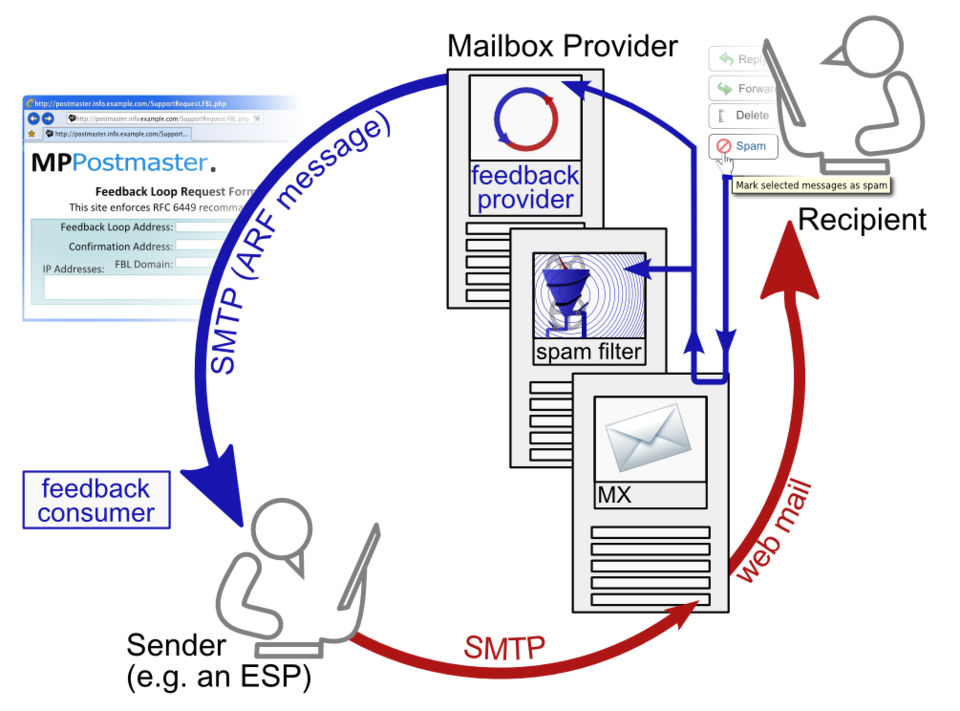 A circular flow showing: Media → Audience → Feedback (polls/surveys) → Media Adjusts Message. (Image: Ale2006-from-en, CC BY-SA 3.0, via Wikimedia Commons)
B. Accessibility Strategies
- For Disabled Audiences:
- NEPSE: Provides audio summaries of stock market reports for visually impaired investors.
- RTV: Broadcasts news with sign language interpreters and Braille newsletters.
- For Rural/Illiterate Audiences:
- NTC: Uses illustrated posters (not just text) for power cut instructions.
- Daraz: Offers voice-guided order tracking for users who can’t read.
C. Ethical Storytelling
- Problem: Nepali media often sensationalizes issues (e.g., migration crises) without context.
- Solution:
- Fact-checking: Platforms like Khabarhub verify rumors before publishing.
- Diverse Voices: Including Dalit, Madhesi, and rural reporters in coverage (e.g., Setopati Daily’s regional bureaus).
- Transparency: Showing sources behind political stories (e.g., MyRepublica’s "Data Lab").
4. Challenges of Digital Media in Nepal
While digital media (social media, apps, online news) has revolutionized communication, Nepal faces unique hurdles:
| Challenge | Cause | Example | Impact |
|---|---|---|---|
| Misinformation | Low digital literacy + viral rumors. | False COVID-19 cures shared on Facebook → panic buying. | Public health risks, distrust in authorities. |
| Cyberbullying | Anonymity + lack of moderation. | Online harassment of female journalists (e.g., Khabarhub reporters). | Self-censorship, mental health issues. |
| Government Censorship | Political pressure on media houses. | Blocking of YouTube channels criticizing the government. | Suppressed free speech, self-censorship. |
| Digital Divide | Urban-rural internet gap. | Kathmandu has 4G; remote areas still use 2G → delayed news. | Rural audiences feel excluded. |
5. Effective Media Strategies for Nepal
To bridge gaps and build trust, media should adopt:
Clarity Over Complexity
- Example: Instead of saying "The Monsoon Depression has intensified," say "Heavy rains expected—stay safe!" (used by Weather Nepal app).
Multi-Channel Communication
- Example: During protests, Kantipur TV uses live streams, SMS updates, and WhatsApp groups to reach all audiences.
Community Engagement
- Example: Radio Sagarmatha (Pokhara) invites local farmers to discuss weather forecasts—reducing semantic barriers.
Adaptability
- Example: Pathao added Nepali language support after users complained about English-only instructions.
In the Real World
- eSewa: Uses step-by-step visual guides (not just text) to help users pay bills—reducing semantic barriers for elderly or illiterate users.
- NTC: After the 2015 earthquake, it combined SMS, radio, and sirens to overcome physical barriers (network delays in hills).
- NEPSE: Provides audio stock reports for visually impaired investors—accessibility strategy in action.
- Pathao Drivers: Use simple Nepali phrases ("Bhai, hamro order lai aayo") to reduce cultural barriers with rural passengers.
Exam Tip
- Define barriers clearly—examiners love real examples (e.g., "NTC’s SMS delays during earthquakes").
- Link barriers to solutions:
- Physical barrier → Multi-channel alerts (NTC’s sirens + SMS).
- Semantic barrier → Plain language (eSewa’s visual guides).
- Critique digital media challenges—mention misinformation, censorship, and cyberbullying with Nepali examples.
- For strategy questions, use the 4 Cs:
- Clarity (e.g., NEPSE’s audio reports).
- Community (e.g., Radio Sagarmatha’s farmer discussions).
- Consistency (e.g., Khalti’s transaction logs).
- Adaptability (e.g., Pathao’s Nepali language support).
- Avoid vague answers—always tie theory to Nepali cases (eSewa, NTC, Daraz, etc.).
Final Visual Summary:
mindmap
  root((Communication Barriers & Strategies))
    Barriers
      Physical ["NTC SMS delays (earthquake)"]
      Psychological ["Media sensationalism → xenophobia"]
      Semantic ["NEPSE jargon → investor confusion"]
      Cultural ["Urban media mocking rural accents"]
    Solutions
      Feedback ["Ncell’s MyApp → faster fixes"]
      Accessibility ["NEPSE audio reports → inclusivity"]
      Ethics ["Khabarhub fact-checking → trust"]
    Challenges
      Misinformation ["COVID-19 rumors → panic"]
      Censorship ["Blocked YouTube channels"]
      Digital Divide ["Kathmandu 4G vs. hills 2G"]
Based on the TU BSW syllabus for Introduction To Mass Communication, unit 6.
Discussion
Loading…