Eco-TourismUnit 311 min read
Ecology & Ecosystems: Structure, Function & Conservation
Unit 3 of Eco-Tourism explores the foundational concepts of ecology—how organisms interact, ecosystems function, and biodiversity sustains life—critical for sustainable tourism planning in Nepal’s protected areas.
TAKEAWAYS:
- Ecosystems are dynamic systems where biotic (living) and abiotic (non-living) components interact to sustain life, with energy flowing through food webs.
- Biotic components (producers, consumers, decomposers) drive nutrient cycling, while abiotic factors (climate, soil, water) shape ecosystem boundaries.
- Nepal’s ecosystems—from alpine meadows to tropical forests—support unique biodiversity, directly impacting eco-tourism experiences (e.g., rhino sightings in Chitwan).
- Human activities (overtourism, pollution) disrupt ecosystems, but sustainable practices (low-impact trails, waste management) can mitigate harm.
- Case studies like Annapurna Conservation Area show how ecological principles guide tourism policies to balance conservation and visitor access.
- Exam focus: Define terms (e.g., niche, trophic levels), analyze food chains, and link ecosystem health to tourism sustainability.
1. Defining Ecology and Ecosystems
Ecology is the scientific study of interactions between organisms and their environment. It examines how energy flows, nutrients cycle, and species adapt to their surroundings. An ecosystem is a functional unit where these interactions occur, comprising:
- Biotic components: Living organisms (plants, animals, microbes).
- Abiotic components: Non-living elements (sunlight, water, soil, temperature).
Key Terms Visualized
2. Biotic Components: The Living Players
Biotic components are classified by their role in energy transfer:
| Type | Examples (Nepal) | Function |
|---|---|---|
| Producers | Rhododendrons, bamboo, algae | Convert sunlight → energy via photosynthesis. |
| Primary Consumers | Blue sheep, bar-headed geese | Herbivores; eat producers. |
| Secondary Consumers | Snow leopards, martens | Carnivores; eat herbivores. |
| Tertiary Consumers | Vultures, eagles | Scavengers; clean up dead organisms. |
| Decomposers | Fungi, bacteria | Break down dead matter → nutrients for soil. |
Worked Example: Chitwan National Park’s Food Chain
Grass (Producer) → Blue sheep (Primary Consumer) → Leopard (Secondary Consumer) → Vulture (Decomposer)
3. Abiotic Factors: The Invisible Architects
Abiotic factors limit or enable life in an ecosystem. In Nepal:
- Climate: Monsoons (June–September) fuel lush forests in Terai, while dry winters shape alpine ecosystems.
- Soil: Terai’s fertile alluvial soil supports rice paddies and wildlife; Himalayan slopes have thin, rocky soil.
- Water: Rivers (Koshi, Karnali) sustain aquatic life and irrigation for local communities.
Real-World Link: Darjeeling Tea Plantations Tea plants (Camellia sinensis) thrive in Darjeeling’s cool climate (1,500–2,100m altitude) and well-drained soil. Over-irrigation or pesticide use disrupts soil microbes, reducing tea yield—a lesson in abiotic balance.
4. Energy Flow and Nutrient Cycling
A. Energy Flow: One-Way Street
Energy enters ecosystems via sunlight and is transferred through trophic levels (feeding levels). Only 10% of energy moves to the next level (due to heat loss, waste).
flowchart TD
    A["Sunlight\n100%"] --> B["Producers\n(Plants)\n10%"]
    B --> C["Primary Consumers\n(Herbivores)\n1%"]
    C --> D["Secondary Consumers\n(Carnivores)\n0.1%"]
    D --> E["Decomposers\n(Recycle Nutrients)"]
Example: Kathmandu Valley’s Waste Problem
- Issue: Organic waste (vegetable peels, food scraps) from hotels/restaurants is not decomposed efficiently, leading to methane emissions (a greenhouse gas).
- Solution: Composting systems (like those in Bhotahiti Community Forest) turn waste into fertilizer, closing the nutrient loop.
B. Nutrient Cycling: The Recycling Loop
Nutrients (carbon, nitrogen, phosphorus) cycle through:
- Decomposition (bacteria/fungi break down dead matter).
- Uptake (plants absorb nutrients via roots).
- Release (animals excrete waste; plants shed leaves).
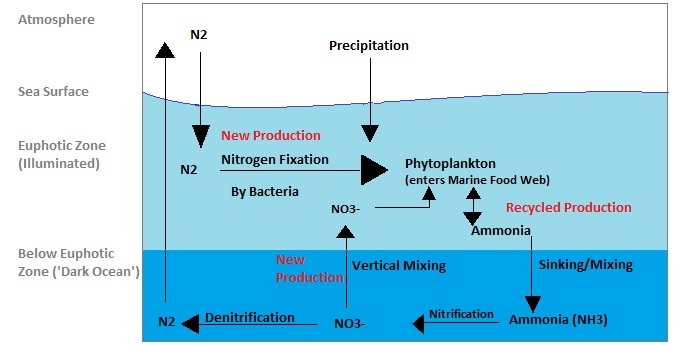 A labeled diagram of the nitrogen cycle, showing fixation, nitrification, and denitrification steps. (Image: Treachang, CC BY-SA 3.0, via Wikimedia Commons)
5. Ecosystem Services: Why They Matter for Tourism
Ecosystems provide services that tourism depends on:
| Service Type | Example in Nepal | Tourism Impact |
|---|---|---|
| Provisioning | Timber, honey, medicinal plants (e.g., Sallaki) | Homestays sell local products; trekkers buy herbs. |
| Regulating | Clean air (forests absorb CO₂), water filtration | Reduces health risks for tourists; supports adventure tourism (rafting). |
| Cultural | Sacred groves (e.g., Taleju in Kathmandu) | Pilgrimage tourism; spiritual eco-tours. |
| Supporting | Pollination (bees → agriculture) | Ensures food security for local guides. |
Case Study: Annapurna Conservation Area (ACAP)
- Ecosystem Service: Carbon sequestration (forests store CO₂).
- Tourism Link: ACAP charges $20–30 entry fees for trekkers; revenue funds reforestation and wildlife monitoring.
- Conflict: Over-tourism in Pokhara threatens water quality (sewage from hotels pollutes the Seti River).
6. Human Impact on Ecosystems
Tourism can disrupt ecosystems if unsustainable:
| Impact | Example in Nepal | Mitigation Strategy |
|---|---|---|
| Habitat Destruction | Deforestation for hotels in Pokhara | Eco-certification (e.g., Green Hotel Standards). |
| Pollution | Plastic waste in Langtang National Park | Ban single-use plastics; waste recycling programs. |
| Invasive Species | Water hyacinth in Lake Phewa (Pokhara) | Manual removal; public awareness campaigns. |
| Climate Change | Glacial retreat in Everest region | Carbon offset programs for trekkers. |
Real-World Example: Ncell’s "Green Network" Initiative
- Problem: Telecom towers in remote areas (e.g., Mustang) disrupt bird migration routes.
- Solution: Ncell uses solar-powered towers and bird-friendly designs to reduce ecological harm.
7. Sustainable Tourism and Ecosystem Health
Principles to Protect Ecosystems:
- Low-Impact Infrastructure: Use eco-friendly materials (bamboo, recycled plastic) for lodges.
- Waste Management: Zero-waste trekking (e.g., Himalayan Trust’s "Leave No Trace" guidelines).
- Community Involvement: Homestay programs in Mustang ensure locals benefit from tourism without over-exploiting resources.
- Seasonal Regulations: Limit visitors to Annapurna Base Camp in shoulder seasons (April–May, Sept–Oct) to avoid peak stress on trails.
8. Nepal’s Diverse Ecosystems and Their Tourism Potential
Nepal’s eight bioclimatic zones support unique ecosystems:
| Ecosystem | Location | Key Species | Tourism Opportunities |
|---|---|---|---|
| Tropical Forest | Terai (Chitwan, Bardia) | Bengal tiger, one-horned rhino | Safari tours, jungle treks. |
| Subtropical Forest | Chitwan, Parsa | Asian elephant, gharial | Birdwatching, river rafting. |
| Temperate Forest | Pokhara, Nagarkot | Red panda, Himalayan monal | Paragliding, cultural festivals. |
| Alpine Meadow | Langtang, Manaslu | Yak, snow leopard | High-altitude trekking, meditation retreats. |
| Himalayan Tundra | Everest Base Camp | Bar-headed goose | Expedition tourism, yoga retreats. |
Worked Example: Langtang National Park’s Recovery
- Issue: 2015 earthquake destroyed 35% of the park’s infrastructure.
- Solution: Community-led rehabilitation (e.g., Langtang Tamang Home Stay Association) restored trails and replanted pine and rhododendron forests.
- Outcome: Eco-tourism revenue now funds anti-poaching patrols and wildlife corridors.
## In the Real World
eSewa and Digital Footprint
- Idea Used: Energy consumption (data centers for eSewa’s servers).
- How: eSewa’s servers in Lalitpur run on renewable energy (solar/wind) to reduce carbon emissions, aligning with sustainable ecosystem services.
Pathao’s Electric Scooters
- Idea Used: Reducing air pollution (abiotic factor).
- How: Pathao’s electric scooters in Kathmandu cut CO₂ emissions by 30% compared to petrol vehicles, improving air quality for tourists and locals.
Nepal Stock Exchange (NEPSE) and Forest Carbon Credits
- Idea Used: Ecosystem services (carbon sequestration).
- How: Companies like Green Earth Nepal sell carbon credits (earned from reforestation) on NEPSE. Eco-tourism operators (e.g., Yetis Adventures) buy these credits to offset their emissions, ensuring sustainable operations.
## Exam Tip
How This Unit is Tested:
- Definitions: Be ready to define ecosystem, niche, trophic level, and nutrient cycling.
- Diagrams: Draw and label:
- A food chain/web (e.g., for Chitwan or Annapurna).
- The nitrogen/carbon cycle.
- An ecological pyramid (numbers, biomass, or energy).
- Case Studies: Link Nepal’s ecosystems to tourism (e.g., "How does deforestation in Langtang affect trekking routes?").
- Short Answers:
- "Differentiate between producers and decomposers with Nepal examples."
- "Explain how abiotic factors limit tourism in the Himalayas."
- Long Answers (10 marks):
- "Discuss the environmental impacts of mass tourism in Pokhara, using ecosystem principles."
- "How can community-based tourism in Mustang sustain its ecosystem while generating income?"
Common Mistakes to Avoid:
- Confusing food chains (linear) with food webs (interconnected).
- Ignoring abiotic factors (e.g., altitude affects tourism in Mustang vs. Terai).
- Overlooking Nepal-specific examples (examiners love Chitwan, Annapurna, and Langtang cases).
Pro Tip: Use real data in answers:
- "Only 10% of energy transfers between trophic levels (e.g., from grass to blue sheep in Chitwan)."
- "Nepal’s forests absorb 20% of its annual CO₂ emissions (source: ICIMOD)."
Based on the TU BTTM syllabus for Eco-Tourism, unit 3.
Discussion
Loading…