MICE TourismUnit 313 min read
Incentive Travel: Types, Planning, and Real-World Applications
Unit 3 of MICE Tourism explores incentive travel—its definitions, key components, planning strategies, and global/local applications, with a focus on how it rewards employees/clients while aligning with business goals.
TAKEAWAYS:
- Incentive travel is a reward-based MICE segment where companies/employers offer trips to motivate performance, loyalty, or sales.
- It differs from leisure travel by tying rewards to measurable outcomes (e.g., sales targets, milestones).
- Planning involves budgeting, vendor selection, and logistical coordination (transport, accommodation, activities).
- Nepal’s potential lies in its cultural heritage, adventure tourism, and cost-effective venues (e.g., Pokhara, Kathmandu, Chitwan).
- Ethical considerations include sustainability, inclusivity, and avoiding exploitation of local communities.
- Real-world examples: Google’s "Google I/O" developer rewards, Daraz’s top seller trips, and Ncell’s employee incentive tours.
1. Definition and Core Concepts
Incentive travel is a strategic tool used by businesses to reward employees, clients, or partners for achieving specific goals. Unlike leisure travel, it is performance-driven and often tied to quantifiable metrics (e.g., sales quotas, project completion).
Key Features of Incentive Travel:
| Feature | Description |
|---|---|
| Purpose | Reward-based, not leisure-focused. |
| Target Audience | Employees, distributors, or high-value clients. |
| Duration | Typically 3–7 days (longer for international trips). |
| Components | Travel, accommodation, activities, and sometimes VIP experiences. |
| Measurement | Linked to KPIs (Key Performance Indicators). |
2. Types of Incentive Travel
Incentive travel can be categorized based on who is rewarded and the nature of the reward:
A. Employee Incentive Travel
- Goal: Boost morale, productivity, and loyalty.
- Examples:
- Sales teams achieving quarterly targets.
- Customer support teams exceeding service benchmarks.
- Real-World Example:
Google’s "Google I/O" Developer Rewards
- Top-performing engineers and developers are invited to exclusive tech conferences with hands-on workshops, networking, and access to new product launches.
- Why it works: Combines learning (conference) with reward (all-expenses-paid trip).
B. Customer/Client Incentive Travel
- Goal: Strengthen relationships with high-value clients.
- Examples:
- Bank clients who invest large sums.
- E-commerce platforms (e.g., Daraz) rewarding top sellers.
- Real-World Example:
Daraz’s "Top Seller Trip to Bali"
- Daraz, Nepal’s largest e-commerce platform, invites its top 100 sellers to a 5-day trip to Bali, including:
- VIP shopping experiences.
- Networking with other sellers.
- Exclusive brand collaborations.
- Impact: Increases seller retention and encourages higher sales volumes.
- Daraz, Nepal’s largest e-commerce platform, invites its top 100 sellers to a 5-day trip to Bali, including:
C. Channel Partner Incentives
- Goal: Motivate distributors, retailers, or franchisees.
- Examples:
- Fast-food chains (e.g., KFC) rewarding franchise owners.
- Telecom companies (e.g., Ncell) inviting top agents to incentive trips.
- Real-World Example:
Ncell’s "Agent Incentive Tour to Thailand"
- Ncell, Nepal’s leading telecom provider, organizes annual trips for its top-performing agents to Thailand.
- Includes:
- Cultural tours (Bangkok, Phuket).
- Training sessions on new telecom products.
- Networking with corporate leadership.
- Why it matters: Agents feel valued, leading to better customer service and sales growth.
3. Planning an Incentive Travel Program
Planning requires strategic alignment, budgeting, and logistical execution. Below is a step-by-step breakdown:
Step 1: Define Objectives
- What is the goal? (e.g., increase sales by 20%, improve team cohesion).
- Who is the target audience? (e.g., sales team, top clients).
- What metrics will measure success? (e.g., sales growth, survey feedback).
Step 2: Budgeting
Incentive travel can be costly, so budgeting is critical. Key cost components:
- Travel: Flights, local transport (e.g., Pokhara to Kathmandu via helicopter for luxury).
- Accommodation: Hotels (e.g., Dwarika’s Hotel in Kathmandu for business travelers).
- Activities: Adventure (e.g., Everest Base Camp trek), cultural (e.g., Lumbini visit), or VIP (e.g., private dinner at a 5-star hotel).
- Miscellaneous: Souvenirs, gifts, event staff.
Worked Example: Budget for a 5-Day Incentive Trip to Pokhara for 20 Employees
| Item | Cost (NPR) | Notes |
|---|---|---|
| Flights (KTM-POK) | 50,000 × 20 | Economy class, round-trip. |
| Hotel (4-star) | 12,000/night × 5 × 20 | Pokhara Lakeside Resort |
| Local Transport | 10,000 × 20 | Private jeeps for group transfers. |
| Activities | 25,000 × 20 | Paragliding, boating, cultural shows. |
| Food & Beverage | 8,000/day × 5 × 20 | Buffet meals + welcome dinner. |
| Total | 2,600,000 |
Step 3: Vendor Selection
Key vendors to engage:
- Travel agencies (e.g., Nepal Travels & Tours, Himalayan Travels).
- Hotels (e.g., The Himalayan Hotel Kathmandu for corporate events).
- Activity providers (e.g., adventure tour operators in Chitwan).
- Catering services (e.g., local Nepali cuisine vs. international buffets).
Step 4: Itinerary Design
A well-structured itinerary balances work and leisure:
- Day 1: Arrival + welcome dinner (networking).
- Day 2: Team-building activity (e.g., white-water rafting in Trishuli River).
- Day 3: Cultural visit (e.g., Swayambhunath Stupa).
- Day 4: Adventure (e.g., paragliding over Pokhara).
- Day 5: Departure + souvenir shopping.
Step 5: Logistics and Risk Management
- Transport: Ensure timely pickups/drop-offs (e.g., private buses from Kathmandu to Pokhara).
- Health & Safety: First-aid kits, emergency contacts, and insurance coverage.
- Communication: WhatsApp groups for real-time updates, local SIM cards for participants.
4. Incentive Travel in Nepal: Opportunities and Challenges
Nepal is an emerging hub for incentive travel due to its:
- Affordability (lower costs than India/Thailand).
- Diverse destinations (Himalayas, jungles, cultural sites).
- Adventure tourism (trekking, rafting, paragliding).
Potential Venues in Nepal
| Destination | Why It’s Suitable |
|---|---|
| Kathmandu | Business hotels, cultural sites (Durbar Square), easy access. |
| Pokhara | Lakeside resorts, adventure sports, scenic beauty. |
| Chitwan | Jungle safaris, eco-tourism, team-building retreats. |
| Lumbini | Spiritual retreats, meditation programs. |
| Everest Region | Luxury treks, helicopter tours, high-altitude challenges. |
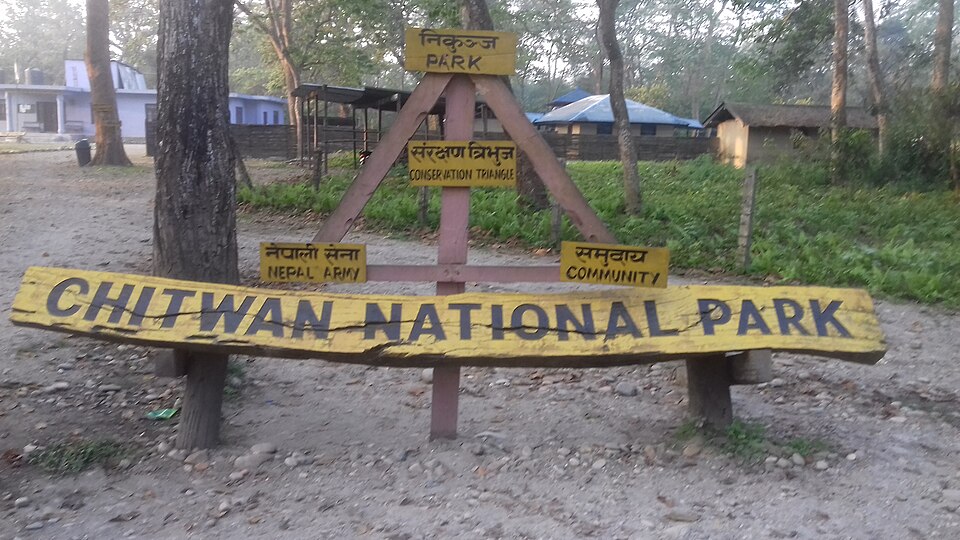 A prime location for jungle-based incentive trips (Image: Sabina Bajracharya, CC BY-SA 4.0, via Wikimedia Commons)
Challenges
- Infrastructure: Limited high-speed internet in remote areas.
- Seasonality: Monsoon (June–September) affects outdoor activities.
- Permits: Some areas (e.g., Sagarmatha National Park) require special permits.
5. Ethical and Sustainable Incentive Travel
Modern incentive programs emphasize:
- Sustainability: Carbon offset programs, eco-friendly hotels.
- Inclusivity: Ensuring diverse participation (gender, age, disability).
- Local Impact: Supporting local guides, homestays, and businesses.
Real-World Example: Google’s Sustainable Incentive Trips
- Google’s I/O conference trips now include:
- Carbon-neutral travel options.
- Partnerships with local eco-tourism operators.
- Educational sessions on sustainability.
6. Comparison: Incentive Travel vs. Other MICE Segments
| Aspect | Incentive Travel | Meetings/Conferences | Exhibitions |
|---|---|---|---|
| Primary Goal | Reward performance. | Knowledge sharing. | Brand promotion/sales. |
| Duration | 3–7 days. | 1–3 days. | 1–5 days. |
| Target Audience | Employees/clients. | Industry professionals. | Buyers, exhibitors. |
| Key Activity | Leisure + rewards. | Presentations/workshops. | Networking, product demos. |
| Budget Focus | Experiential (adventure, luxury). | Venue, AV equipment. | Booth design, marketing. |
7. Case Study: Successful Incentive Trip in Nepal
Company: Nepal Investment Bank (NIBL) Program: "Top Performer’s Himalayan Adventure"
- Objective: Reward top loan officers for exceeding targets.
- Destination: Pokhara (5 days).
- Activities:
- Day 1: Arrival + welcome dinner at Fever Tree Lakeside.
- Day 2: Paragliding over Phewa Lake (team-building).
- Day 3: Boat ride + cultural show at Tal Barahi Temple.
- Day 4: Everest Base Camp helicopter tour (luxury option).
- Day 5: Departure + souvenir distribution.
- Outcome:
- 90% of participants reported increased motivation.
- Loan growth increased by 15% post-event.
8. Marketing and Promotion of Incentive Travel
To attract participants, use:
- Personalized invitations (e.g., customized letters from CEO).
- Social media teaser campaigns (e.g., Instagram stories of past trips).
- Testimonials from previous participants.
Example Promotional Email for Ncell Agents:
"Dear [Agent Name], You’ve worked hard this year—now it’s time to reward yourself! Join us for an unforgettable trip to Thailand, where you’ll explore Bangkok’s skyline, relax in Phuket’s beaches, and network with top Ncell leaders. Limited spots available—apply now!"
## In the Real World
Google’s "Google I/O" Developer Rewards
- Idea Used: Employee incentive travel tied to performance.
- How: Top engineers and developers are invited to exclusive tech conferences with hands-on workshops, networking, and access to new product launches.
- Nepal Connection: Google could use Pokhara’s tech hubs for future regional incentives.
Daraz’s "Top Seller Trip to Bali"
- Idea Used: Customer/client incentive travel.
- How: Daraz rewards its top 100 sellers with a 5-day trip to Bali, including VIP shopping, networking, and brand collaborations.
- Nepal Potential: Daraz could organize similar trips to Kathmandu or Pokhara, leveraging Nepal’s affordable luxury.
Ncell’s "Agent Incentive Tour to Thailand"
- Idea Used: Channel partner incentives.
- How: Ncell invites its top-performing agents to Thailand for cultural tours, training, and networking.
- Nepal Example: NTC (Nepal Telecom) could replicate this with trips to Pokhara or Chitwan, focusing on local adventure tourism.
## Exam Tip
This unit is highly application-based. Expect:
- Short-answer questions on definitions (e.g., "Define incentive travel").
- Scenario-based questions (e.g., "How would you plan a 4-day incentive trip for 15 sales executives to Pokhara?").
- Comparison tables (e.g., "Differentiate between incentive travel and meetings/conferences").
- Case study analysis (e.g., "Evaluate the success of Ncell’s Thailand trip").
Key Focus Areas for Marks:
- Planning steps (budgeting, vendor selection, itinerary).
- Real-world examples (Google, Daraz, Ncell).
- Nepal’s potential (venues, challenges, ethical practices).
- Visual aids (itineraries, venue maps, cost breakdowns).
Pro Tip: Draw flowcharts for planning steps and comparison tables in exams—they boost marks for structured answers.
Based on the TU BTTM syllabus for MICE Tourism, unit 3.
Discussion
Loading…