EnglishUnit 59 min read
History & Culture: Roots, Legacy & Modern Identity
Unit 5 of English explores how history shapes culture, traditions, and national identity through key concepts like heritage, cultural preservation, and global influences—essential for NEB exams with a focus on comprehension, essay writing, and critical analysis.
TAKEAWAYS:
- History and culture are linked: History preserves cultural identity, while culture reflects history.
- Heritage includes tangible (monuments) and intangible (festivals, traditions) elements.
- Globalization affects culture—both positively (exchange of ideas) and negatively (loss of traditions).
- Cultural preservation is crucial to maintain national identity.
- NEB exams test comprehension, essay writing, and critical analysis of cultural themes.
Understanding History and Culture
1. Definitions
- History: The study of past events, especially human actions and their impact on society.
- Culture: The shared beliefs, values, customs, arts, and social behavior of a group or society.
Key Idea: History is the story of the past, while culture is the living expression of that story. For example, the history of Nepal’s unification under Prithvi Narayan Shah explains why we celebrate Unification Day (Mangsir 30), a cultural tradition.
2. How History Shapes Culture
History influences culture in many ways:
| Aspect | Example |
|---|---|
| Language | Sanskrit and Pali shaped Nepali literature and religious texts. |
| Religion | Hinduism and Buddhism shaped festivals like Dashain and Buddha Jayanti. |
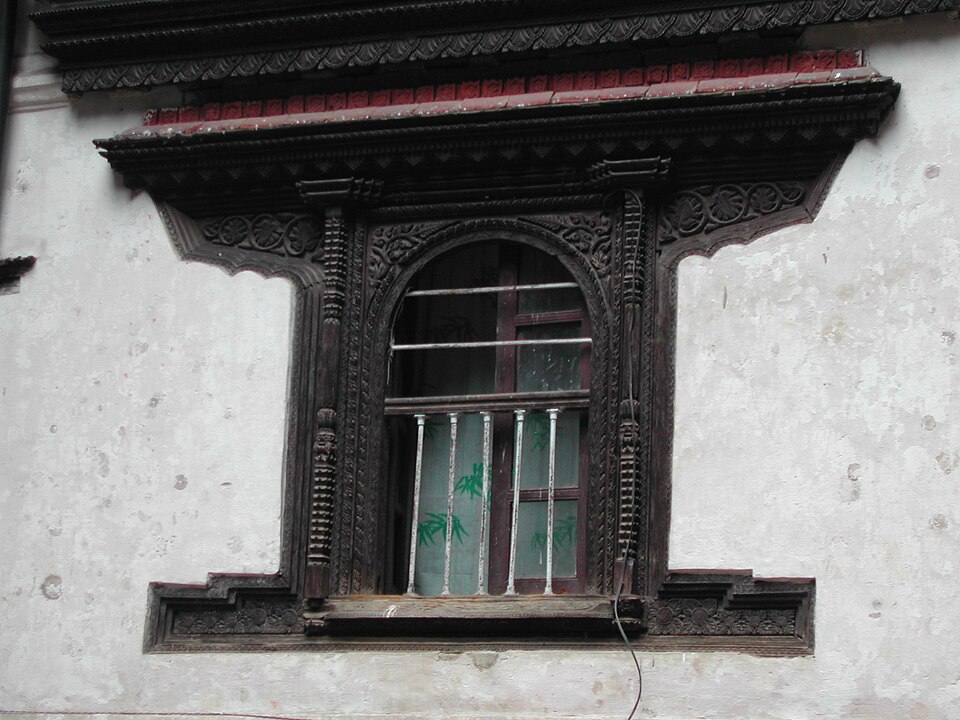
| Architecture | Ancient palaces (e.g., Patan Durbar Square) reflect Newari culture. |
| Festivals | Losar (Tibetan New Year) shows cultural ties with Tibet. |
| Traditional Clothing | Dahi (Nepali traditional dress) reflects rural and royal heritage. |
Example: The Chandrakala Temple in Bhaktapur is a UNESCO World Heritage Site. Its history (built in the 12th century) shows Malla-era architecture, while its cultural role (a place of worship) keeps traditions alive.
3. Types of Cultural Heritage
Cultural heritage is divided into two main types:
 Tangible heritage: Kathmandu Durbar Square (UNESCO-listed) (Image: Francesco Bandarin, CC BY-SA 3.0 igo, via Wikimedia Commons)
| Type | Description | Nepali Example |
|---|---|---|
| Tangible | Physical objects from the past (buildings, artifacts, monuments). | Swayambhunath Stupa, Kathmandu Durbar Square. |
| Intangible | Non-physical traditions (music, dance, festivals, oral stories). | Newari music (Dohori), Maghe Sankranti. |
Why It Matters:
- Tangible heritage attracts tourism (e.g., Pashupatinath Temple).
- Intangible heritage keeps traditions alive (e.g., Indra Jatra’s Kumari ritual).
4. Globalization and Culture
Globalization brings both opportunities and challenges to culture:
| Effect | Positive Impact | Negative Impact |
|---|---|---|
| Technology | Social media preserves endangered languages (e.g., Kiranti). | Overuse of English reduces local language use. |
| Tourism | Brings revenue to heritage sites (e.g., Lumbini). | Commercialization of culture (e.g., fake Newari artifacts). |
| Migration | Nepali diaspora spreads culture abroad (e.g., Gurkha traditions in UK). | Loss of traditions in younger generations. |
Example: The Gorkha Regiment in the British Army spread Nepali martial arts (e.g., Khukuri training) globally, but some Nepali youth in cities prefer Western fashion over traditional Dhaka Topi (Nepali cap).
5. Cultural Preservation
To protect culture, societies use:
| Method | How It Works | Nepali Example |
|---|---|---|
| Education | Teaching history and culture in schools. | NEB curriculum includes Nepali history. |
| UNESCO Recognition | Listing heritage sites for global protection. | Kathmandu Valley (UNESCO World Heritage Site). |
| Festivals | Celebrating traditions keeps them alive. | Dashain and Tihar rituals passed down generations. |
| Digital Archives | Using technology to save old texts, music, and videos. | Digital Museum of Nepal (online exhibits). |
Example: The Newari community preserves their language (Newari) through:
- Schools (e.g., Newari-medium education in Bhaktapur).
- Music (Dohori performances in festivals).
- UNESCO (Newari script listed as intangible heritage).
6. Cultural Identity and Nationalism
- Cultural identity = How a group sees itself (e.g., Nepali identity includes Hinduism, Buddhism, and monarchy history).
- Nationalism = Pride in one’s culture and history (e.g., celebrating Republic Day with cultural programs).
Example: The Gorkha Regiment’s bravery in wars strengthens Nepali nationalism, while Madhesi protests highlight regional cultural differences.
NEB Exam Focus Areas
NEB exams test this unit through:
- Comprehension Questions (Reading passages about culture/history).
- Essay Writing (e.g., "How does history shape modern Nepali culture?").
- Short Answer Questions (e.g., "Differentiate between tangible and intangible heritage.").
- Grammar in Context (e.g., Using past tenses to describe historical events).
Solved Examples (NEB-Style)
Example 1: Comprehension (Reading)
Passage: "The Kathmandu Valley’s heritage is a blend of Hindu and Buddhist traditions. Temples like Pashupatinath and Boudhanath stand as symbols of religious harmony. However, earthquakes and urbanization threaten these sites."
Question: Why is preserving the Kathmandu Valley important? Answer: Preserving the Kathmandu Valley is important because:
- It holds UNESCO World Heritage status, attracting tourism and revenue.
- It represents Nepali cultural identity (Hindu-Buddhist syncretism).
- It prevents loss of architectural and historical knowledge for future generations.
Example 2: Essay Writing (Model Answer)
Question: "Discuss how globalization affects Nepali culture."
Answer: Globalization has both positive and negative effects on Nepali culture.
Positive Effects:
- Cultural Exchange: Nepali music (e.g., folk songs) and dance (e.g., Charya Nritya) gain global recognition through YouTube and festivals.
- Economic Growth: Heritage tourism (e.g., Lumbini) creates jobs.
- Language Preservation: Digital platforms help revive endangered languages like Thulung and Chepang.
Negative Effects:
- Loss of Traditions: Younger generations prefer Western clothing (jeans, T-shirts) over Dhaka Topi and Patuka.
- Commercialization: Festivals like Dashain are now dominated by consumerism (expensive gifts, plastic decorations).
- Cultural Homogenization: Global brands (McDonald’s, Coca-Cola) reduce interest in traditional Nepali food (e.g., Yomari, Sel Roti).
Conclusion: While globalization brings modern opportunities, Nepal must balance progress with cultural preservation to maintain its unique identity.
Example 3: Short Answer (NEB Board Style)
Question: "What is the difference between tangible and intangible heritage?"
Answer:
| Tangible Heritage | Intangible Heritage |
|---|---|
| Physical objects (e.g., temples, statues). | Non-physical traditions (e.g., music, festivals). |
| Can be touched or seen (e.g., Swayambhunath Stupa). | Cannot be touched (e.g., Newari Dohori music). |
| Protected by laws (e.g., UNESCO sites). | Preserved through oral traditions and performances. |
Exam Tip
For Comprehension:
- Underline key terms (e.g., "heritage," "globalization").
- Answer in complete sentences (NEB marks grammar too!).
For Essays:
- Use a clear structure: Introduction → Points (with examples) → Conclusion.
- Link to Nepal (e.g., "In Nepal, this is seen in...").
For Short Answers:
- Use tables or bullet points for comparisons.
- Give Nepali examples (e.g., "Like the Newari language...").
Final Reminder: History is not just about dates—it’s about stories, people, and traditions that make Nepal unique. For NEB, focus on how culture connects to identity, globalization, and preservation.
Practice Questions (NEB-Style):
- "How does the history of the Kathmandu Valley reflect its cultural diversity?"
- "What are the challenges in preserving intangible heritage in Nepal?"
- "Write a short paragraph on how festivals like Dashain strengthen national identity."
Based on the NEB +2 Humanities syllabus for English (Eng), unit 5.
Discussion
Loading…