HistoryUnit 710 min read
Renaissance & Reformation: Ideas, Causes, Effects & Key Figures
Unit 7 of History explores the Renaissance (rebirth of art/science) and Reformation (religious change) in Europe, their causes, key figures like Leonardo da Vinci and Martin Luther, and lasting impacts on society, politics, and culture—essential for NEB exams.
TAKEAWAYS:
- The Renaissance began in Italy (14th–17th century) as a cultural movement valuing humanism, art, and science, while the Reformation (16th century) was a religious split led by Martin Luther against the Catholic Church.
- Humanism, the printing press, and patronage by wealthy families fueled Renaissance ideas, while corruption in the Church and Luther’s 95 Theses sparked the Reformation.
- Key Renaissance figures included Leonardo da Vinci (art/science), Michelangelo (sculpture), and Shakespeare (literature), while the Reformation saw figures like John Calvin and Henry VIII.
- The Reformation led to the rise of Protestantism, religious wars, and the decline of the Catholic Church’s absolute power in Europe.
- Both movements reshaped European society, politics, and culture, influencing modern education, science, and governance.
- NEB often tests definitions, causes, key figures, and impacts—prioritize timelines, comparisons, and short-answer explanations.
What Were the Renaissance and Reformation?
The Renaissance (meaning "rebirth") was a cultural and intellectual movement that started in Italy in the 14th century and spread across Europe by the 17th century. It marked a shift from medieval thinking (focused on religion and God) to humanism—the idea that humans and their achievements (art, science, literature) were important.
The Reformation (16th century) was a religious revolution led by Martin Luther, a German monk, who protested against the corruption and abuses of the Catholic Church. This split led to the creation of Protestant churches, changing Europe’s religious and political landscape forever.
1. The Renaissance: A Cultural Revolution
Key Ideas of the Renaissance
The Renaissance was built on three main ideas:
- Humanism: Focus on human potential, creativity, and individualism (not just God).
- Classical Revival: Revival of Greek and Roman art, philosophy, and science.
- Scientific Inquiry: New emphasis on observation, experimentation, and logic (early science).
Why Did the Renaissance Start in Italy?
- Wealthy merchant families (like the Medici) sponsored artists and scientists.
- Ancient Roman and Greek ruins inspired artists to study classical styles.
- Trade and banking made Italy rich, allowing people to spend on art and education.
Major Achievements of the Renaissance
| Field | Key Figures | Contributions |
|---|---|---|
| Art | Leonardo da Vinci, Michelangelo | Mona Lisa, David statue, perspective techniques |
| Science | Galileo Galilei, Copernicus | Heliocentric model, telescope improvements |
| Literature | William Shakespeare, Dante | Divine Comedy, Romeo and Juliet |
| Architecture | Brunelleschi, Palladio | Dome of Florence Cathedral, classical designs |
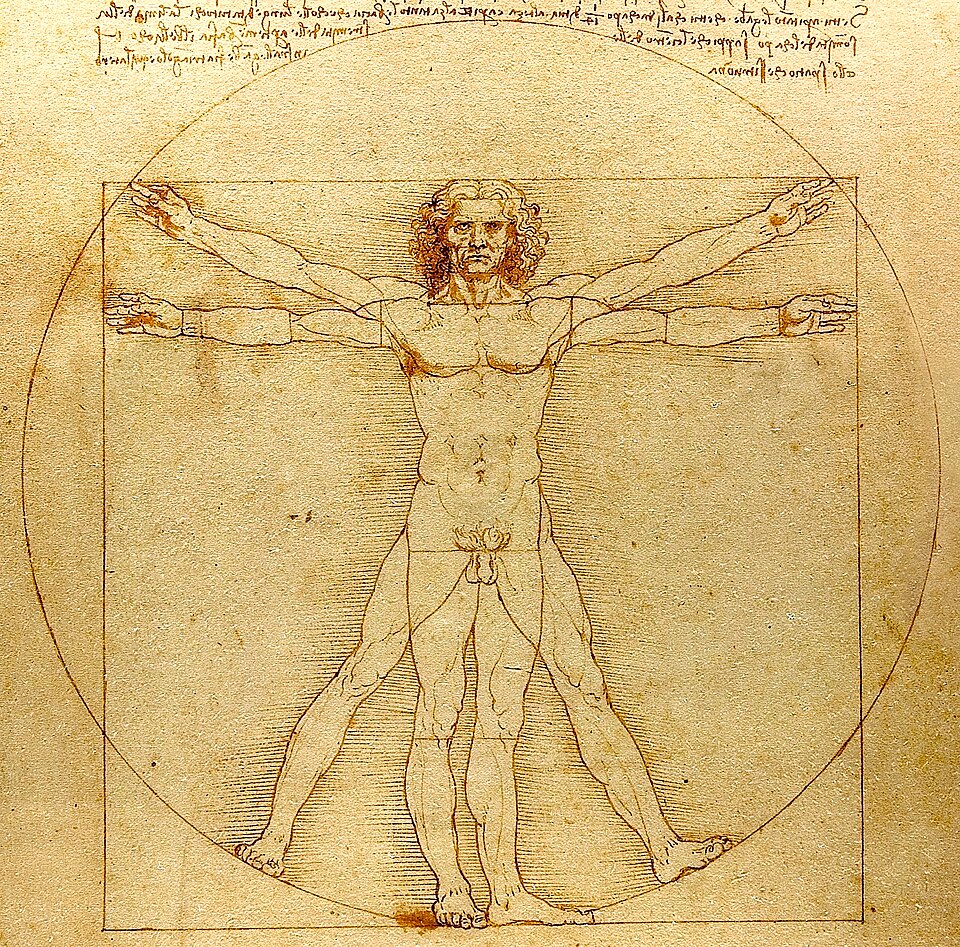 Shows Renaissance ideals of human proportion and harmony. (Image: Leonardo da Vinci, Public domain, via Wikimedia Commons)
2. Causes of the Renaissance
Economic and Social Reasons
- Rise of cities: Trade and banking grew, creating a middle class that supported art and education.
- Decline of feudalism: People moved to cities, leading to new ideas and social changes.
- Wealth from trade: Italian cities like Venice and Florence became rich from spice and silk trade.
Intellectual Reasons
- Fall of Constantinople (1453): Greek scholars fled to Italy, bringing ancient texts (like Plato and Aristotle).
- Printing press (1440): Johannes Gutenberg’s invention made books cheaper and spread ideas faster.
- Universities: New universities (like Oxford and Cambridge) encouraged debate and learning.
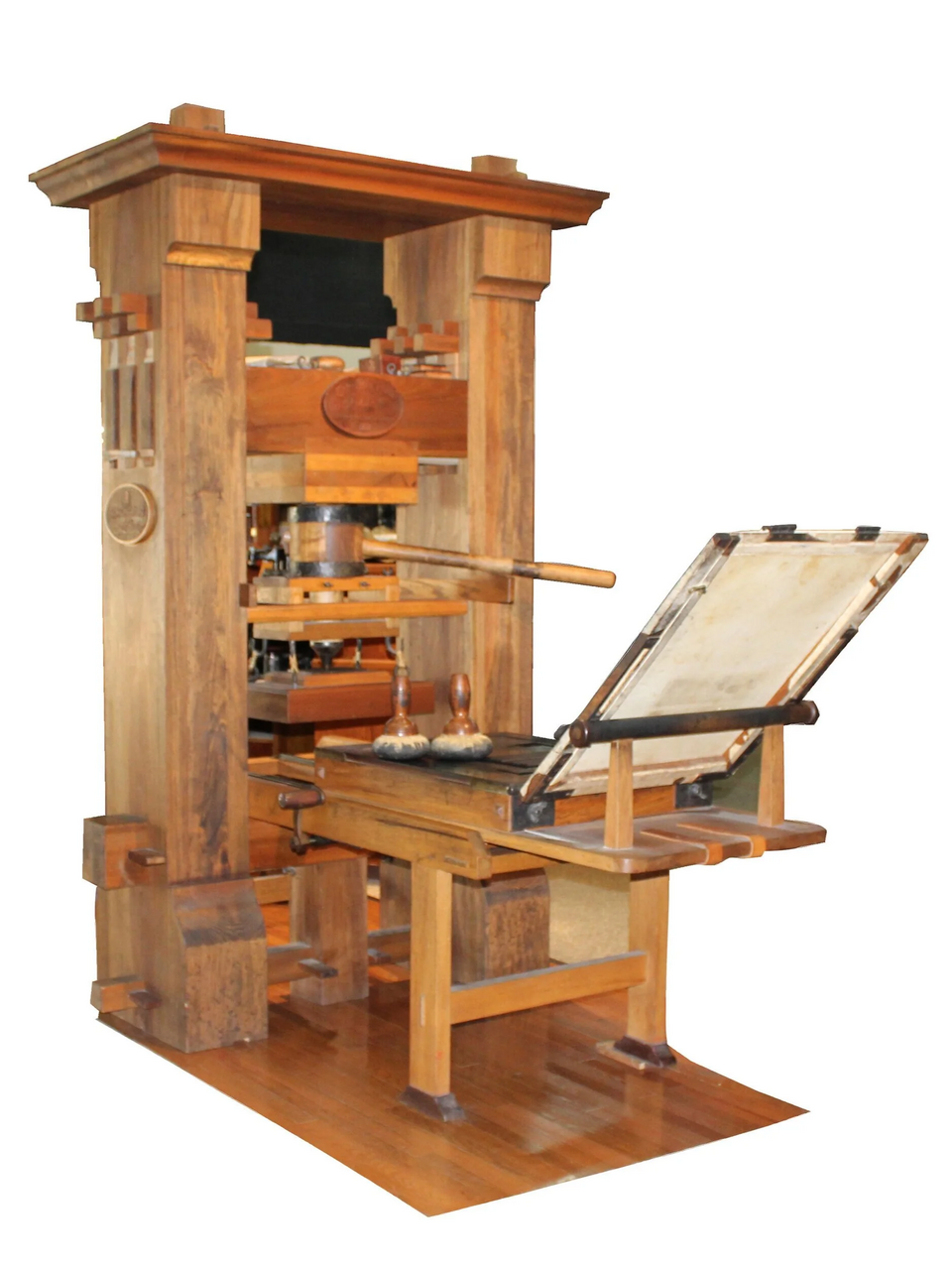 Shows how movable type revolutionized knowledge sharing. (Image: International Printing Museum, CC0, via Wikimedia Commons)
3. The Reformation: Breaking from the Church
Why Did the Reformation Happen?
The Catholic Church faced corruption and abuses, including:
- Selling indulgences (paying for forgiveness of sins).
- Wealthy popes and bishops living luxuriously.
- Ignoring local languages (Mass was in Latin, not vernacular).
Martin Luther’s 95 Theses (1517) Luther, a German monk, nailed 95 complaints to a church door in Wittenberg. His key ideas:
- Salvation by faith alone (not church rituals).
- Bible should be in local languages (not just Latin).
- Priests should not be wealthy or powerful.
Spread of the Reformation
| Leader | Country | Key Ideas | Impact |
|---|---|---|---|
| Martin Luther | Germany | Salvation by faith, Bible in German | Lutheranism spreads in Germany |
| John Calvin | Switzerland | Predestination, strict moral laws | Calvinism influences France, Scotland |
| Henry VIII | England | "Divorce" from Catholic Church | Anglican Church (Church of England) |
| Ignatius Loyola | Spain | Counter-Reformation (Catholic reforms) | Jesuits founded to fight Protestants |
4. Effects of the Renaissance and Reformation
Positive Impacts
✅ Renaissance:
- Art and architecture flourished (e.g., Sistine Chapel).
- Science advanced (Copernicus, Galileo).
- Education improved (humanist schools).
✅ Reformation:
- People could read the Bible in their own language.
- End of church corruption (in some areas).
- Rise of nationalism (kings gained power over the Church).
Negative Impacts
❌ Renaissance:
- Wealthy families controlled art (not everyone benefited).
- Some artists were exploited (e.g., Michelangelo worked for free).
❌ Reformation:
- Religious wars (e.g., Thirty Years’ War, 1618–1648).
- Persecution of Protestants/Catholics (e.g., Spanish Inquisition).
- Division in Europe (Catholic vs. Protestant states).
5. Comparison: Renaissance vs. Reformation
|--------------------------------|------------------------------------------|------------------------------------------| | Time Period | 14th–17th century | 16th century | | Main Focus | Art, science, humanism | Religion, Church reform | | Key Figures | Leonardo, Michelangelo, Shakespeare | Luther, Calvin, Henry VIII | | Major Change | Shift from medieval to modern thinking | Split in Christianity (Protestantism) | | Impact on Society | Cultural and intellectual growth | Political and religious upheaval | | Spread of Ideas | Through art, books, patronage | Through sermons, pamphlets, wars |
6. Solved Example: Analyzing a Cause
Question: Why did the Renaissance begin in Italy? Answer: The Renaissance started in Italy because:
- Wealthy city-states (Florence, Venice) had money for art.
- Ancient Roman ruins inspired artists.
- Medici family sponsored artists like Michelangelo.
- Trade and banking made Italy rich.
- Greek scholars brought ancient knowledge after Constantinople fell.
7. NEB-Style Questions & Answers
Short Answer (5 marks)
Q: What were the main causes of the Reformation? A:
- Corruption in the Church (selling indulgences).
- Martin Luther’s 95 Theses (1517).
- Printing press spread Protestant ideas.
- Kings wanted power over the Church.
- People wanted Bibles in their language.
Long Answer (10 marks)
Q: How did the Renaissance influence modern education? A: The Renaissance improved education by:
- Humanist schools taught critical thinking.
- Universities expanded (e.g., Oxford, Cambridge).
- Printing press made books affordable.
- Scientific method was developed (observation + logic).
- Art and literature became valued subjects.
- Women like Christine de Pizan wrote and educated girls. Example: Today’s schools teach art, science, and history—all Renaissance ideas!
Exam Tip: How to Score Full Marks
- Define clearly: Always start with definitions (e.g., "The Renaissance was a cultural movement...").
- Use timelines: NEB loves dates (e.g., 14th–17th century for Renaissance).
- Compare: Use tables to show differences (e.g., Renaissance vs. Reformation).
- Give examples: Name 2–3 key figures (e.g., Luther, Leonardo, Shakespeare).
- Link causes and effects: Show how one led to another (e.g., Church corruption → Reformation).
- Avoid vague answers: Instead of "It was important", say "It led to the printing press, which spread ideas faster."
Final Reminder:
- Renaissance = Art, science, humanism.
- Reformation = Religious split, Luther, Protestantism.
- NEB loves comparisons, timelines, and short explanations—practice these!
Good luck for your exams! 📚✨
Based on the NEB +2 Humanities syllabus for History (His), unit 7.
Discussion
Loading…