HistoryUnit 79 min read
World War II: Causes, Events, Outcomes & Global Impact
Unit 7 of History explores the causes, key events, major battles, turning points, and consequences of World War II (1939–1945), including the roles of Axis and Allied powers, the Holocaust, and the war’s lasting effects on global politics and society.
TAKEAWAYS:
- WWII was caused by unresolved tensions from WWI, aggressive expansion by Axis powers (Germany, Italy, Japan), and failures of the League of Nations.
- The war had three main theaters: Europe (Blitzkrieg, D-Day), Asia-Pacific (Pearl Harbor, Battle of Midway), and North Africa (El Alamein).
- The Holocaust and other atrocities by Nazi Germany killed millions, marking one of history’s darkest chapters.
- The war ended with the atomic bombings of Hiroshima and Nagasaki, leading to Japan’s surrender and the start of the Cold War.
- WWII reshaped global power structures, leading to the United Nations, decolonization, and the rise of superpowers (USA and USSR).
Introduction to World War II
World War II (1939–1945) was the deadliest conflict in human history, involving over 100 million people from more than 30 countries. It began with the invasion of Poland by Nazi Germany and ended with the surrender of Japan after the atomic bombings. The war had three main alliances:
- Axis Powers: Germany, Italy, Japan (and their allies).
- Allied Powers: Britain, France, USSR, USA (and others).
Why Did WWII Happen?
The causes of WWII can be traced back to:
- Treaty of Versailles (1919): Harsh terms on Germany after WWI created resentment and economic hardship.
- Rise of Fascism: Dictators like Hitler (Germany), Mussolini (Italy), and militarists in Japan sought expansion.
- Failure of the League of Nations: Could not stop aggression (e.g., Japan’s invasion of Manchuria, Italy’s invasion of Ethiopia).
- Appeasement Policy: Britain and France allowed Hitler to take Sudetenland (Czechoslovakia) to avoid war.
- Militarism and Imperialism: Axis powers wanted to dominate other nations.
Major Events Leading to War
1. Invasion of Poland (1939)
- September 1, 1939: Germany invaded Poland using Blitzkrieg (lightning war) tactics.
- September 3, 1939: Britain and France declared war on Germany.
- Result: Poland was divided between Germany and the USSR (under the Molotov-Ribbentrop Pact).
timeline
    title Invasion of Poland (1939)
    1939-09-01 : Germany invades Poland (Blitzkrieg)
    1939-09-03 : Britain & France declare war
    1939-09-17 : USSR invades eastern Poland
2. Battle of Britain (1940)
- Germany bombed British cities (the Blitz) to force surrender.
- The Royal Air Force (RAF) resisted using radar and fighter planes.
- Result: Germany failed to invade Britain, marking the first major Allied victory.
3. Pearl Harbor (1941)
- December 7, 1941: Japan attacked the US naval base at Pearl Harbor, Hawaii.
- Result: USA entered the war, declaring war on Japan and later Germany/Italy.
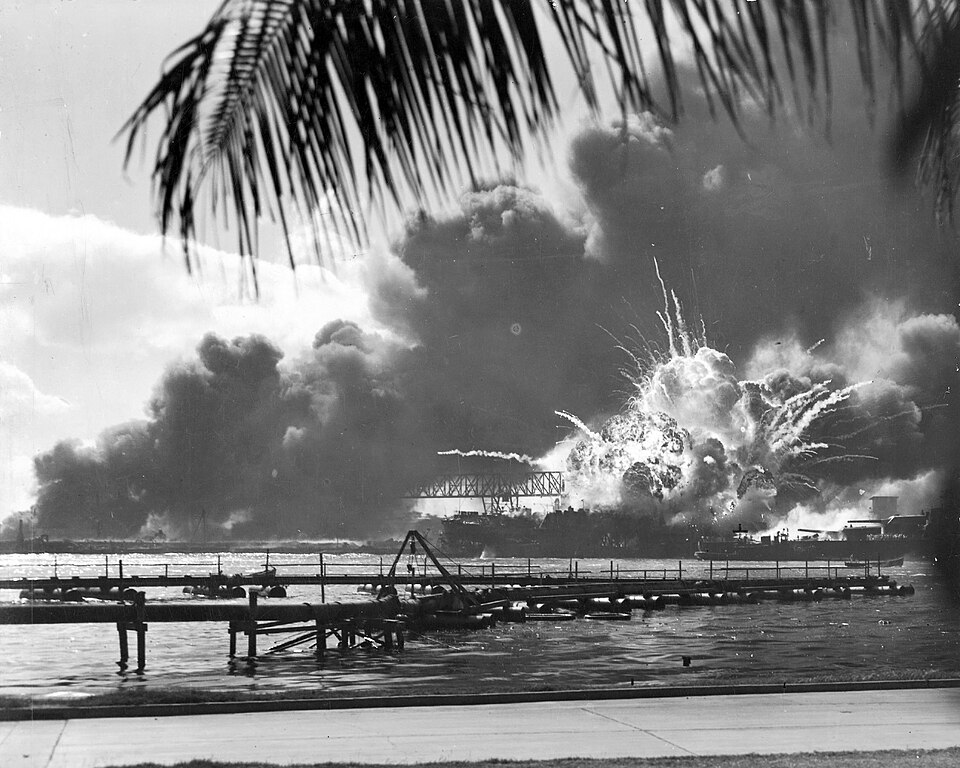 Japanese planes bombing US ships at Pearl Harbor. (Image: Public domain, via Wikimedia Commons)
4. Holocaust and the Final Solution
- Nazi Germany systematically murdered 6 million Jews and millions of others (Roma, disabled, political prisoners) in concentration camps like Auschwitz.
- Methods: Gas chambers, forced labor, mass shootings.
Major Battles and Turning Points
1. Eastern Front (Germany vs. USSR)
- Operation Barbarossa (1941): Germany invaded the USSR, but failed due to harsh winters and Soviet resistance.
- Battle of Stalingrad (1942–43): USSR defeated Germany, marking the first major Axis defeat.
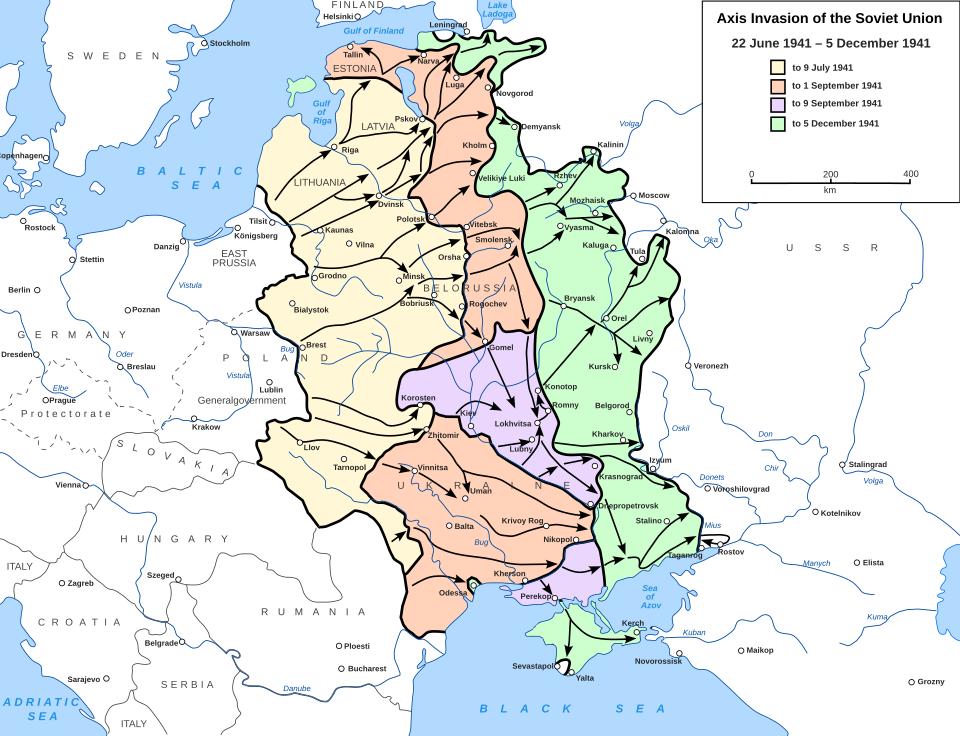 German advance into the USSR (June–December 1941) (Image: Wtfiv, CC BY-SA 4.0, via Wikimedia Commons)
2. Pacific Theater (USA vs. Japan)
- Battle of Midway (1942): USA destroyed Japan’s naval fleet, turning the tide in the Pacific.
- Island Hopping: USA captured key islands (e.g., Iwo Jima, Okinawa) to approach Japan.
3. D-Day (1944)
- June 6, 1944: Allied forces (USA, Britain, Canada) landed in Normandy, France, opening a second front against Germany.
- Result: Germany was forced to fight on two fronts (East and West), leading to its defeat.
End of the War
1. Atomic Bombings (1945)
- August 6, 1945: USA dropped an atomic bomb on Hiroshima.
- August 9, 1945: Second bomb on Nagasaki.
- Result: Japan surrendered (VJ Day, August 15, 1945).
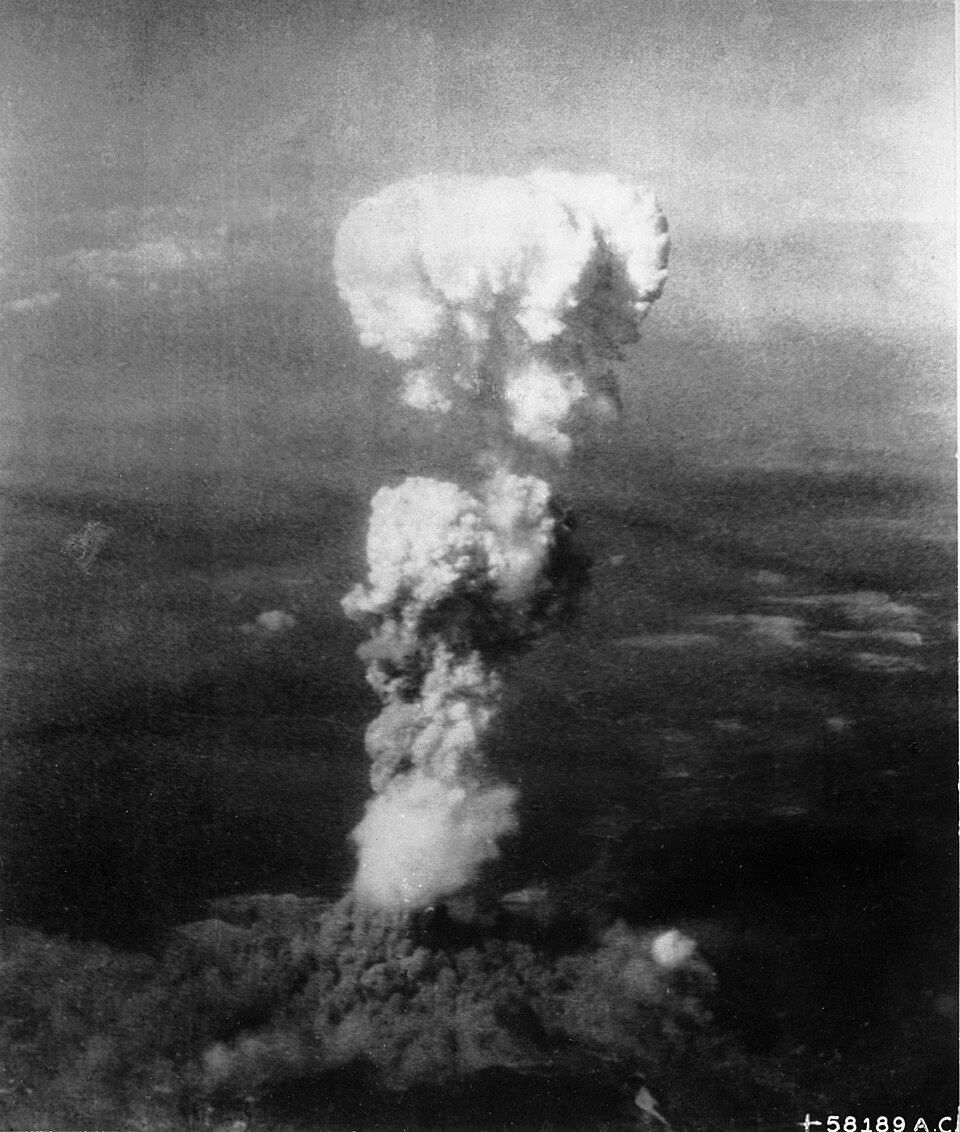 The mushroom cloud over Hiroshima after the bombing. (Image: George R. Caron, Public domain, via Wikimedia Commons)
2. Surrender of Germany (1945)
- May 7–8, 1945: Germany surrendered (VE Day), ending the war in Europe.
Consequences of WWII
1. Human Cost
- Death Toll: ~60–80 million people died (including 6 million Jews in the Holocaust).
- Displaced Persons: Millions became refugees.
2. Political Changes
- United Nations (UN) Founded (1945): Replaced the failed League of Nations.
- Cold War Began: USA and USSR emerged as superpowers, leading to ideological rivalry.
- Decolonization: Weakened European empires (Britain, France) led to independence movements in Asia/Africa.
3. Economic Impact
- USA and USSR became economic superpowers.
- Marshall Plan (1948): USA helped rebuild Europe.
4. Technological Advances
- Nuclear weapons, jet engines, radar, and computers were developed.
Exam Tip: How to Score Full Marks
- Understand Causes: Link Treaty of Versailles, rise of fascism, and failure of the League of Nations.
- Key Dates: Memorize 1939 (Poland), 1941 (Pearl Harbor), 1944 (D-Day), 1945 (Atomic Bombs).
- Compare Theaters: Discuss Europe (Blitzkrieg, D-Day) vs. Pacific (Midway, Island Hopping).
- Holocaust: Explain Nazi policies, methods, and impact (e.g., Nuremberg Trials).
- Outcomes: Connect WWII to the UN, Cold War, and decolonization.
- Use Maps/Diagrams: Sketch battle locations (e.g., Normandy, Stalingrad) in exams.
NEB Board-Style Questions (Practice)
Short Answer (5 marks)
- Explain the causes of World War II with examples.
- What was the significance of the Battle of Stalingrad?
- Describe the Holocaust and its impact on global human rights.
Long Answer (10 marks)
- Compare the strategies of the Axis and Allied powers during WWII.
- How did World War II lead to the Cold War? Discuss with examples.
- Evaluate the role of technology (e.g., atomic bombs, radar) in deciding WWII.
Summary Table: WWII Key Events
| Event | Year | Significance |
|---|---|---|
| Invasion of Poland | 1939 | Start of WWII |
| Battle of Britain | 1940 | First major Allied victory |
| Pearl Harbor | 1941 | USA enters the war |
| Battle of Stalingrad | 1942–43 | Turning point in Eastern Front |
| D-Day | 1944 | Allied invasion of Normandy |
| Atomic Bombings | 1945 | End of WWII in the Pacific |
| VE Day | 1945 | Germany surrenders |
| VJ Day | 1945 | Japan surrenders |
This note covers all syllabus points for Unit 7: World War II with clear explanations, visuals, and exam tips. Practice the short/long questions to master the topic!
Based on the NEB +2 Humanities syllabus for History (His), unit 7.
Discussion
Loading…