Life Skill EducationUnit 146 min read
Digital Citizenship: Rights, Responsibilities & Safe Online Life
Unit 14 of Life Skill Education explores what it means to be a responsible digital citizen—how to protect your online identity, use technology ethically, and contribute positively to the digital world while avoiding cyber threats.
TAKEAWAYS:
- Digital citizenship means following rules and ethics online just like in real life.
- Your digital footprint (posts, likes, searches) can affect your future opportunities.
- Cyberbullying, hacking, and fake news are serious online risks—know how to avoid them.
- Privacy settings, strong passwords, and critical thinking keep you safe online.
- Being a good digital citizen helps create a fair and secure internet for everyone.
What is Digital Citizenship?
Digital citizenship is how you behave as a user of the internet and digital technology. It includes:
- Rights: Access to information, free speech (with limits), privacy.
- Responsibilities: Being kind, respecting others, not sharing harmful content.
- Skills: Using technology safely, critically, and creatively.
Think of it like being a good citizen in your town—but online!
mindmap
  root((Digital Citizenship))
    Rights
      Access to Info
      Privacy
      Free Speech (with limits)
    Responsibilities
      Be Kind
      Respect Others
      No Harmful Content
    Skills
      Safe Use
      Critical Thinking
      Creative Use
Your Digital Footprint: What You Leave Behind
Everything you do online—posts, likes, searches, even deleted messages—can be tracked. This is called your digital footprint.
Example: If you post rude comments or share inappropriate photos, colleges or future employers might see them. Even if you delete something, copies can remain online forever.
graph LR
  A["Your Online Actions"] --> B["Posts"]
  A --> C["Likes/Shares"]
  A --> D["Search History"]
  A --> E["Deleted Content"]
  B --> F["Colleges See"]
  C --> G["Employers Check"]
  D --> H["Ads Target You"]
  E --> I["Still on Servers"]
Cyberbullying: The Dark Side of the Internet
Cyberbullying is using technology to hurt, threaten, or embarrass someone repeatedly. It can happen through:
- Messages (WhatsApp, Facebook)
- Posts (Instagram, TikTok)
- Fake accounts (imposters pretending to be you)
Example: A student spreads rumors about a classmate on social media. This can cause real emotional harm, even leading to depression or suicide.
How to Stop It? ✅ Don’t forward or like bullying posts. ✅ Report harmful content to the platform or a trusted adult. ✅ Be kind online—treat others as you would in person.
sequenceDiagram
  participant Bully
  participant Victim
  participant Friend
  Bully->>Victim: Sends mean messages
  Victim->>Friend: Asks for help
  Friend->>Victim: Reports to school/admin
  Friend->>Bully: Blocks and ignores
Cybersecurity: Protecting Yourself Online
Hackers and scammers can steal your data, money, or identity. Here’s how to stay safe:
| Risk | How to Avoid It |
|---|---|
| Phishing (fake emails/links) | Never click suspicious links; check sender’s email. |
| Weak Passwords | Use strong passwords (mix letters, numbers, symbols). |
| Public Wi-Fi Hacking | Avoid banking on public Wi-Fi; use a VPN. |
| Identity Theft | Never share personal details (Aadhar, phone number) with strangers. |
Example: A scammer sends an email saying, "Your bank account is locked! Click here to verify." This is fake! Real banks never ask for passwords via email.
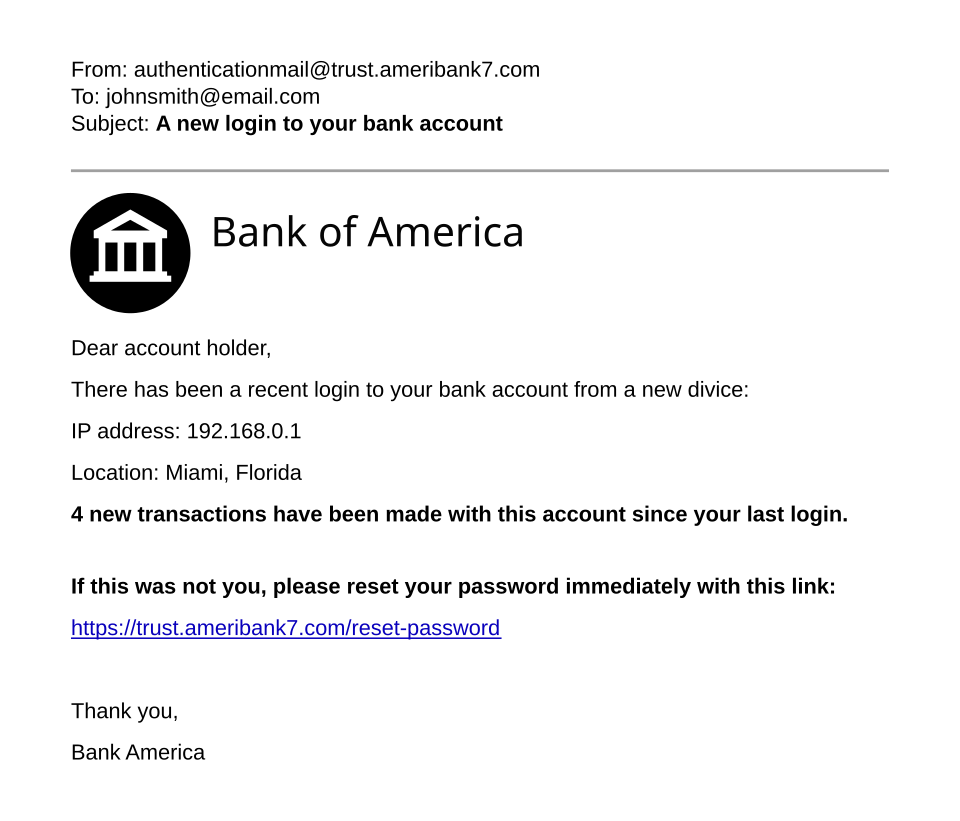 A screenshot of a fake login page to show what phishing looks like. (Image: Original template by User:Isochrone, amended by User:Belbury, CC BY 4.0, via Wikimedia Commons)
Fake News and Misinformation
Fake news is false information spread to trick people. It can cause:
- Panics (e.g., false virus alerts)
- Hate (e.g., fake rumors about groups)
- Bad decisions (e.g., wrong medical advice)
How to Spot Fake News? 🔍 Check the source – Is it a trusted website (e.g., Kantipur, BBC)? 🔍 Look for bias – Does it sound too emotional? 🔍 Fact-check – Use sites like Snopes or AFP Fact Check.
Example:
Claim: "Eating garlic cures COVID-19!" Reality: No scientific proof. Fake news spreads fast—don’t believe everything!
flowchart TD
  A["See a News Story"] --> B{"Is the source trusted?"}
  B -->|"Yes"| C["Read carefully"]
  B -->|"No"| D["Don't share"]
  C --> E{"Does it make sense?"}
  E -->|"Yes"| F["Share if needed"]
  E -->|"No"| G["Fact-check first"]
Digital Etiquette: How to Behave Online
Good digital etiquette means: ✔ Respect others – Don’t post rude or offensive things. ✔ Give credit – If you share someone else’s work, credit them. ✔ Think before posting – Would you say this in person?
Example:
Bad: Posting a photo of a friend without permission. Good: Ask first: "Can I share this?"
pie
  title Digital Etiquette Rules
  "Be Respectful" : 30
  "Give Credit" : 25
  "Think Before Posting" : 45
Netiquette: Internet + Etiquette
Netiquette is the rule of good behavior online. Some key rules:
- Don’t shout (ALL CAPS = YELLING in chats).
- Use proper grammar (e.g., "Hey bro" vs. "Hello, how are you?").
- Be patient – Not everyone is online 24/7.
Example:
Rude: "u r stupid lol" Polite: "I respectfully disagree with your opinion."
Digital Citizenship in Nepal
In Nepal, digital citizenship is important because: ✅ Many people use the internet for jobs, education, and news. ✅ Cyber laws exist (e.g., Electronic Transactions Act, 2008). ✅ Government promotes digital literacy (e.g., Digital Nepal campaign).
Example: If someone hacks your Facebook, you can report it to Nepal Police Cyber Crime Unit.
Exam Tip: How to Score Full Marks
NEB exams on this topic usually ask:
- Define digital citizenship (2 marks).
- Explain cyberbullying with an example (3 marks).
- How to protect privacy online? (List 3 ways, 4 marks).
- Difference between fake news and real news (2 marks).
- Write a short paragraph on digital etiquette (5 marks).
Key Points to Remember: ✔ Digital citizenship = rights + responsibilities + skills. ✔ Cyberbullying is illegal—report it! ✔ Strong passwords = security. ✔ Always verify news before sharing. ✔ Be kind online—it matters!
Practice Questions (NEB Style):
- What is a digital footprint? Give one example of how it can affect a person’s life. (2+2 marks)
- How can you identify fake news? Write any three methods. (3 marks)
- "Digital etiquette is important for a healthy online community." Explain with examples. (5 marks)
- What steps would you take if you see someone being cyberbullied? (4 marks)
Final Thought: Being a good digital citizen is not just about avoiding trouble—it’s about making the internet a better place. Use technology wisely, stay safe, and help others do the same!
Based on the NEB +2 Humanities syllabus for Life Skill Education (LSE), unit 14.
Discussion
Loading…