Life Skill EducationUnit 87 min read
Drug Abuse: Types, Effects, and Prevention Strategies
Unit 8 of Life Skill Education explores the dangers of drug abuse, its types (legal/illegal, natural/synthetic), physical/mental health impacts, prevention methods, and how to seek help—with real-world examples, comparisons, and NEB-style questions to master the topic.
What is Drug Abuse?
Drug abuse is the misuse of substances (legal or illegal) that harms an individual’s health, relationships, or daily life. These substances can be:
- Legal (e.g., alcohol, tobacco, some medicines like painkillers).
- Illegal (e.g., heroin, cocaine, marijuana in some contexts).
Why Do People Abuse Drugs?
Common reasons include:
- Curiosity – Trying drugs out of peer pressure.
- Escape – Avoiding stress, pain, or emotional problems.
- Addiction – Feeling dependent on the "high" or relief.
- Social Influence – Friends or family members using drugs.
Types of Drugs
Drugs can be classified based on their source and effects:
1. Based on Source
| Type | Examples | Risk Level |
|---|---|---|
| Natural | Marijuana (cannabis), opium, cocaine | High |
| Synthetic | Methamphetamine, ecstasy (MDMA) | Very High |
| Semi-synthetic | Heroin (derived from morphine) | Extremely High |
2. Based on Effects
Effects of Drug Abuse
Drugs affect the body, mind, and behavior in harmful ways:
Physical Effects
- Short-term: Nausea, dizziness, heart problems, unconsciousness.
- Long-term: Liver damage, lung disease, brain damage, HIV/AIDS (from shared needles).
Mental Effects
- Mood swings: Anger, depression, anxiety.
- Memory loss: Difficulty concentrating or remembering.
- Psychosis: Hallucinations or delusions (e.g., seeing things that aren’t there).
Social Effects
- Broken relationships: Family/friends may stop trusting or supporting the user.
- Legal trouble: Arrests for possession or selling drugs.
- Financial loss: Spending money on drugs instead of needs like food or education.
Commonly Abused Drugs in Nepal
| Drug | Form | Common Name | Dangers |
|---|---|---|---|
| Heroin | Powder/injection | "Smack" | Overdose, infections, addiction |
| Marijuana | Smoked/edible | "Ganja", "Charas" | Lung damage, mental health issues |
| Alcohol | Liquor, beer, wine | "Local drinks" | Liver cirrhosis, accidents |
| Tobacco | Cigarettes, gutkha | "Dhutura", "Supari" | Cancer, heart disease |
| Synthetic Drugs | Pills/powder | "Yaba", "Ecstasy" | Unpredictable reactions, death |
Why Do People Get Addicted?
Addiction happens because drugs change the brain’s reward system:
- Tolerance: Needing more of the drug to feel the same effect.
- Withdrawal: Feeling sick (sweating, shaking, nausea) when stopping.
- Craving: Strong urges to use the drug even when it’s harmful.
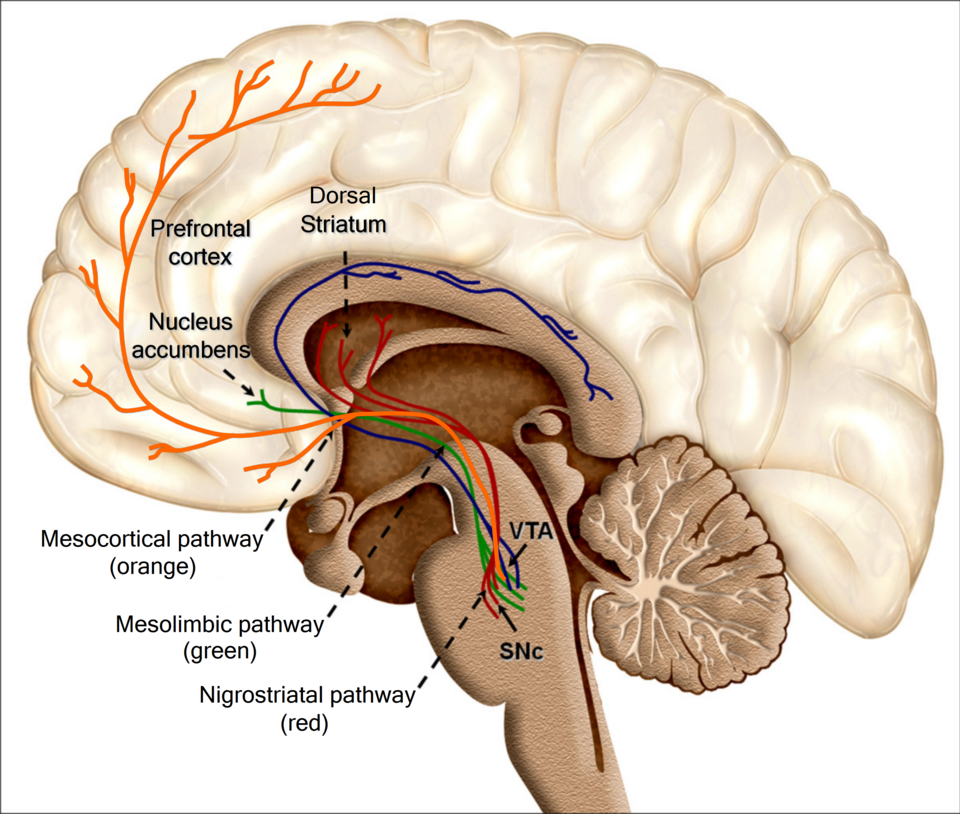 A diagram showing how drugs flood the brain with dopamine, making users feel high and dependent. (Image: Oscar Arias-Carrión1, Maria Stamelou, Eric Murillo-Rodríguez, CC BY 2.0, via Wikimedia Commons)
Prevention of Drug Abuse
Personal Strategies
- Say "No" firmly: Practice refusing offers (e.g., "No, thanks, I don’t do drugs").
- Avoid risky situations: Stay away from places where drugs are used.
- Build self-esteem: Engage in hobbies, sports, or studies to feel confident.
- Seek help early: Talk to teachers, parents, or counselors if you’re struggling.
Community and Government Efforts
- Awareness campaigns: Schools and NGOs teach about drug dangers.
- Rehabilitation centers: Places like National Drug Abuse Prevention Center (NDAPC), Nepal help addicts recover.
- Strict laws: Nepal’s Narcotic Drugs, Psychotropic Substances, and Precursors Act punishes drug dealers.
How to Help Someone with Drug Addiction
- Approach with care: Don’t judge; show concern.
- Example: "I’ve noticed you’ve been acting differently. Can we talk?"
- Encourage professional help: Suggest counseling or rehab.
- Stay supportive: Recovery is hard; be patient.
- Avoid enabling: Don’t lend money or cover up their behavior.
Solved Example: Identifying Drug Misuse
Question: Ramesh smokes cigarettes daily and feels anxious when he tries to quit. Is this drug abuse? Why? Answer: Yes, this is drug abuse because:
- He uses tobacco (a legal drug) regularly.
- He experiences withdrawal symptoms (anxiety), showing dependence.
- It harms his health (lung cancer risk) and wallet (spending money on cigarettes).
NEB-Style Questions (Practice!)
Short Answer (5 marks)
- List three physical effects of heroin abuse and explain how they harm the body.
- Why is peer pressure a major cause of drug abuse among teenagers? Give two examples.
Long Answer (10 marks)
- Explain the difference between stimulants and depressants with examples. How do they affect a person’s behavior?
- Design a poster for your school to prevent drug abuse. Include:
- A catchy slogan.
- Three key messages.
- A simple drawing (describe it in words).
Exam Tips for NEB
- Define clearly: Always explain terms like "drug abuse" or "addiction" in your own words.
- Use examples: Nepal-specific drugs (e.g., charas, yaba) earn extra marks.
- Compare and contrast: Tables (like the one above) help organize answers.
- Link to real life: Relate drugs to health, family, or society in your answers.
- Practice diagrams: Drawing a brain dopamine pathway or organs affected by drugs can score full marks.
Remember: Drugs destroy lives—but knowledge and prevention can save yours and others’!
Based on the NEB +2 Humanities syllabus for Life Skill Education (LSE), unit 8.
Discussion
Loading…