PsychologyUnit 810 min read
Health Psychology: Stress, Lifestyle & Well-being
Unit 8 of Psychology explores how psychological factors influence physical health, covering stress, coping strategies, health behaviors, and the mind-body connection—essential for NEB exams and real-life wellness.
What is Health Psychology?
Health psychology is the study of how psychological factors (thoughts, emotions, behaviors) affect our physical health and how we can improve well-being. It connects mind and body—showing that stress, habits, and social support can make us sick or keep us healthy.
Key Areas Covered in This Unit:
- Stress and Health – How stress harms the body.
- Health Behaviors – Good vs. bad habits (smoking, diet, exercise).
- Mind-Body Connection – How emotions influence illness.
- Psychoneuroimmunology (PNI) – The science behind stress and immunity.
- Health Promotion – Ways to stay physically and mentally fit.
1. Stress and Health: The Silent Killer
What is Stress?
Stress is the body’s response to challenges or threats. It can be:
- Positive (eustress) – Helps us focus (e.g., before exams).
- Negative (distress) – Harms health (e.g., chronic stress from work).
How Stress Affects the Body (Fight-or-Flight Response)
When stressed, the sympathetic nervous system triggers:
- Adrenaline release → Heart beats faster, blood pressure rises.
- Cortisol release → Suppresses immunity, increases fat storage.
- Long-term effects → Weakens heart, increases risk of diabetes, ulcers, and depression.
graph LR
    A["Stressor (e.g., exam, traffic)"] --> B["Brain detects threat"]
    B --> C["Hypothalamus activates"]
    C --> D["Adrenal glands release adrenaline & cortisol"]
    D --> E["Fight-or-flight response"]
    E --> F["Short-term: Alertness ↑"]
    E --> G["Long-term: Heart disease, weak immunity"]
Types of Stressors
| Type | Example | Effect on Health |
|---|---|---|
| Physical | Injury, illness | Pain, fatigue, weakened immunity |
| Psychological | Fear, anxiety | High blood pressure, insomnia |
| Social | Conflict, loneliness | Depression, weakened social support |
| Environmental | Noise, pollution | Headaches, stress-related illnesses |
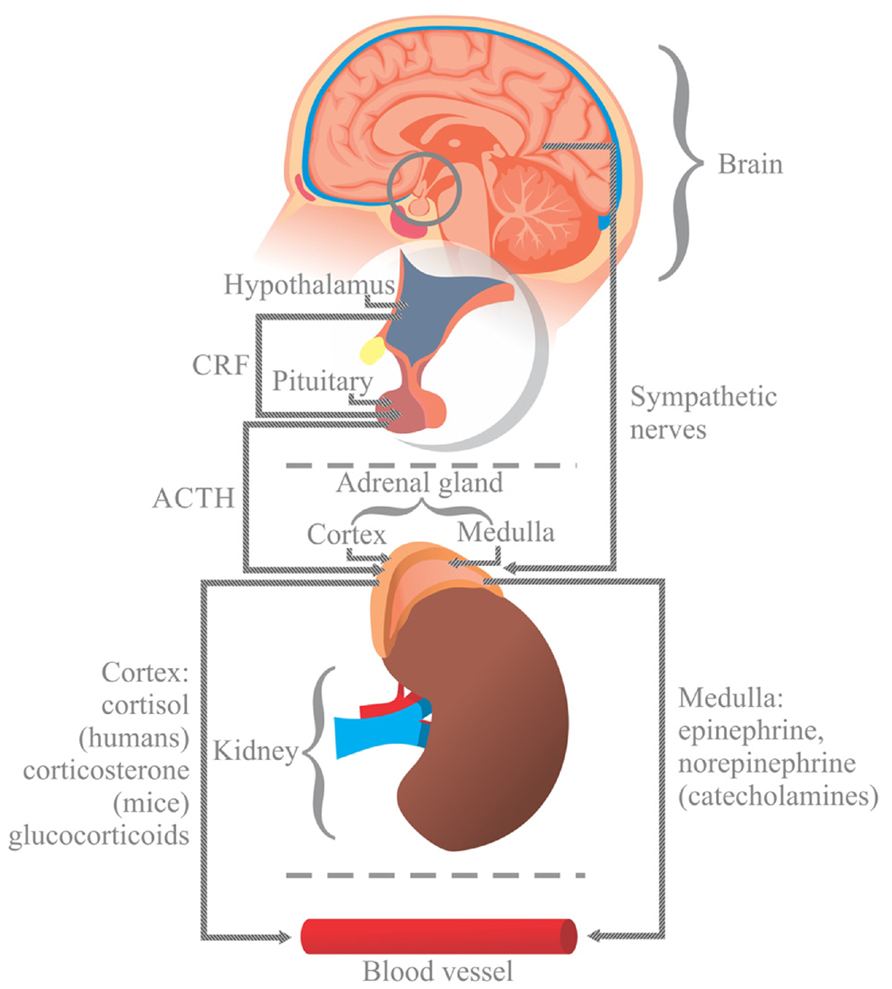 The body’s reaction to stress: adrenaline and cortisol pathways (Image: Campos-Rodríguez R, Godínez-Victoria M, Abarca-Rojano E, Pac, CC BY 3.0, via Wikimedia Commons)
Solved Example: Identifying Stressors
Question: A student skips meals, sleeps poorly, and gets frequent headaches before exams. What type of stressors are affecting them? Answer:
- Psychological (exam pressure)
- Behavioral (poor sleep, diet)
- Physical (headaches from stress)
2. Health Behaviors: Good vs. Bad Habits
Health psychology studies how behaviors (diet, exercise, smoking) impact health.
A. Positive Health Behaviors (Protective Factors)
| Behavior | Benefit | Example |
|---|---|---|
| Exercise | Reduces stress, strengthens heart | 30 min walking daily |
| Balanced Diet | Boosts immunity, prevents obesity | Eating fruits, vegetables |
| Sleep | Repairs body, improves mood | 7-8 hours nightly |
| Social Support | Lowers stress, increases happiness | Talking to friends/family |
B. Negative Health Behaviors (Risk Factors)
| Behavior | Harm | Example |
|---|---|---|
| Smoking | Lung cancer, heart disease | Cigarettes, bidis |
| Alcohol Abuse | Liver damage, addiction | Drinking daily |
| Sedentary Lifestyle | Obesity, diabetes | Sitting all day, no exercise |
| Poor Hygiene | Infections, skin diseases | Not washing hands |
Solved Example: Linking Behavior to Health
Question: Why do people who smoke have a higher risk of lung cancer? Answer:
- Smoking damages cilia (tiny hair-like structures in lungs that filter toxins).
- Tar and chemicals irritate lung tissue, leading to cancer over time.
- Weakened immunity makes smokers more prone to infections.
3. Mind-Body Connection: How Emotions Affect Health
The mind and body are connected—emotions can cause or worsen illnesses.
A. Psychosomatic Illnesses (Mind → Body)
These are real physical symptoms caused by psychological stress.
| Illness | Cause | Example |
|---|---|---|
| Hypertension | Chronic anger, stress | High blood pressure |
| Ulcers | Anxiety, poor diet | Stomach lining damage |
| Asthma | Stress, anxiety triggers attacks | Wheezing, breathing difficulty |
| Insomnia | Worry, depression | Difficulty sleeping |
B. Placebo & Nocebo Effects
- Placebo Effect: Believing a fake treatment works (e.g., sugar pill reduces pain).
- Nocebo Effect: Believing a harmless treatment will harm you (e.g., fear of side effects causes them).
Solved Example: Psychosomatic Illness
Question: A student gets a headache every time they think about exams. What is this called, and how can they manage it? Answer:
- Called: Tension headache (psychosomatic).
- Management:
- Relaxation techniques (deep breathing, meditation).
- Exercise (reduces stress hormones).
- Good sleep & diet (supports brain health).
4. Psychoneuroimmunology (PNI): Stress and Immunity
PNI studies how psychological factors affect the immune system.
How Stress Weakens Immunity
- Cortisol (stress hormone) suppresses white blood cells (fights infections).
- Chronic stress → Higher risk of colds, flu, and slow healing.
- Loneliness → Weaker immune response (studies show isolated people get sick more).
graph TD
A["Stress"] --> B["↑ Cortisol"]
B --> C["↓ White Blood Cells"]
C --> D["Weakened Immunity"]
D --> E["More Infections"]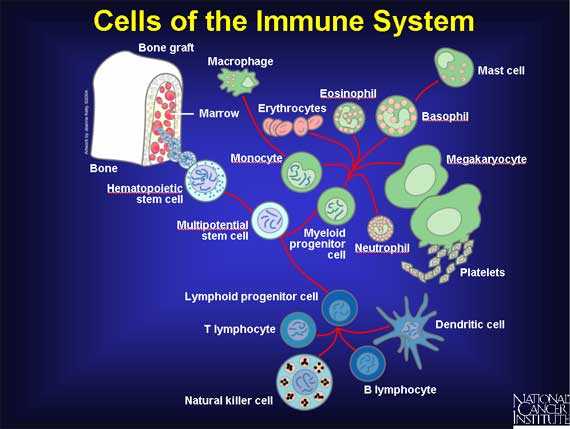 How stress reduces T-cells and antibodies (Image: Jeanne Kelly, Public domain, via Wikimedia Commons)
Solved Example: Stress and Cold
Question: Why do people get sick more often during exam season? Answer:
- Sleep deprivation → Weakens immunity.
- Poor diet (skipping meals) → Less nutrients for immune cells.
- Stress hormones (cortisol) → Suppresses immune response.
5. Health Promotion: Staying Healthy
Health psychology helps prevent illness and promote well-being.
A. Primary Prevention (Stopping Illness Before It Starts)
| Method | Example | Benefit |
|---|---|---|
| Vaccination | Flu shot, COVID vaccine | Prevents infections |
| Exercise | Yoga, running | Reduces heart disease risk |
| Healthy Diet | Eating vegetables, fruits | Lowers diabetes risk |
| Avoiding Smoking | Quitting tobacco | Reduces cancer risk |
B. Secondary Prevention (Early Detection)
- Regular check-ups (blood pressure, cancer screenings).
- Self-exams (breast, skin cancer checks).
C. Tertiary Prevention (Managing Existing Illness)
- Rehabilitation (physical therapy after injury).
- Support groups (for chronic diseases like diabetes).
Solved Example: Health Promotion Plan
Question: Design a 3-step health plan for a person with high blood pressure. Answer:
- Diet: Reduce salt, eat more fruits/vegetables.
- Exercise: 30 min walking daily.
- Stress Management: Meditation, deep breathing.
6. Applied Health Psychology in Nepal
In Nepal, health psychology helps with:
- Mental health awareness (depression, stress in students).
- Preventing lifestyle diseases (diabetes, hypertension).
- Community health programs (vaccination drives, nutrition education).
Exam Tip: How to Score Full Marks in NEB Health Psychology
✅ Understand the mind-body connection – Always link psychological factors (stress, emotions) to physical health. ✅ Use real-life examples – NEB loves case studies (e.g., "Why do students get sick before exams?"). ✅ Compare good vs. bad behaviors – Tables help visualize differences (e.g., exercise vs. smoking). ✅ Explain PNI simply – Say stress weakens immunity → more infections. ✅ Apply to Nepal – Mention local issues (e.g., stress in students, lifestyle diseases).
NEB-Style Questions & Answers
Short Answer (5 marks)
Question: Explain how stress affects the immune system. Answer:
- Stress triggers cortisol release.
- Cortisol suppresses white blood cells (lymphocytes).
- Fewer immune cells → higher infection risk.
- Chronic stress → slow wound healing.
- Example: Students get sick more during exams due to sleep deprivation + stress.
Long Answer (10 marks)
Question: Discuss the role of health psychology in promoting a healthy lifestyle. Include examples. Answer:
- Definition: Health psychology studies how behavior and emotions affect health.
- Positive Behaviors:
- Exercise → Reduces stress, strengthens heart (e.g., daily walking).
- Balanced diet → Prevents obesity (e.g., eating dal, vegetables).
- Negative Behaviors:
- Smoking → Causes lung cancer (e.g., bidis in Nepal).
- Sedentary lifestyle → Leads to diabetes (e.g., office workers).
- Mind-Body Link:
- Stress → High blood pressure (e.g., students before exams).
- Placebo effect → Belief in medicine can heal (e.g., fake pills reducing pain).
- PNI Connection:
- Stress weakens immunity → More colds (e.g., during exam season).
- Health Promotion in Nepal:
- Vaccination drives (prevents diseases).
- Yoga for stress relief (common in schools).
- Conclusion: Health psychology helps prevent illness and improve well-being through lifestyle changes.
Final Tip: Always relate theory to real life—NEB exams test application, not just definitions! 🚀
Based on the NEB +2 Humanities syllabus for Psychology (Psy), unit 8.
Discussion
Loading…