Social Studies and Life SkillsUnit 98 min read
Health, Nutrition & Hygiene: Concepts, Needs & Practices
Unit 9 of Social Studies and Life Skills explains the basics of health, nutrition, and personal hygiene—how they connect, why they matter, and how to practice them daily. Covers balanced diets, hygiene habits, and common health risks with real-life examples and NEB-style questions.
TAKEAWAYS:
- Health is a state of physical, mental, and social well-being—not just the absence of disease.
- Nutrition provides energy and nutrients; a balanced diet includes proteins, vitamins, minerals, and fiber.
- Personal hygiene prevents diseases by keeping the body and surroundings clean.
- Malnutrition (under- or over-nutrition) harms health, especially in growing teens.
- Good habits (handwashing, clean water, proper food storage) reduce illness risks.
- NEB exams test definitions, causes/effects, and practical applications (e.g., "How does hygiene prevent diarrhea?").
1. What is Health?
Health is not just the absence of sickness—it includes:
- Physical health: Strong body, energy, and disease resistance.
- Mental health: Positive emotions, stress management, and confidence.
- Social health: Good relationships, communication, and community support.
Why is health important for students?
- Helps focus in studies, resist infections, and grow properly.
- Poor health leads to fatigue, low grades, and missed school days.
Factors Affecting Health
2. Nutrition: Fuel for the Body
Nutrition is the science of how food keeps us healthy. Our body needs:
- Energy (calories): From carbohydrates (rice, bread) and fats (oil, ghee).
- Growth and repair (proteins): Found in eggs, lentils, meat, fish.
- Vitamins & minerals: Help bones, immunity, and digestion (e.g., vitamin C in citrus fruits, iron in spinach).
- Fiber: Keeps digestion smooth (found in vegetables, whole grains).
Balanced Diet Pyramid
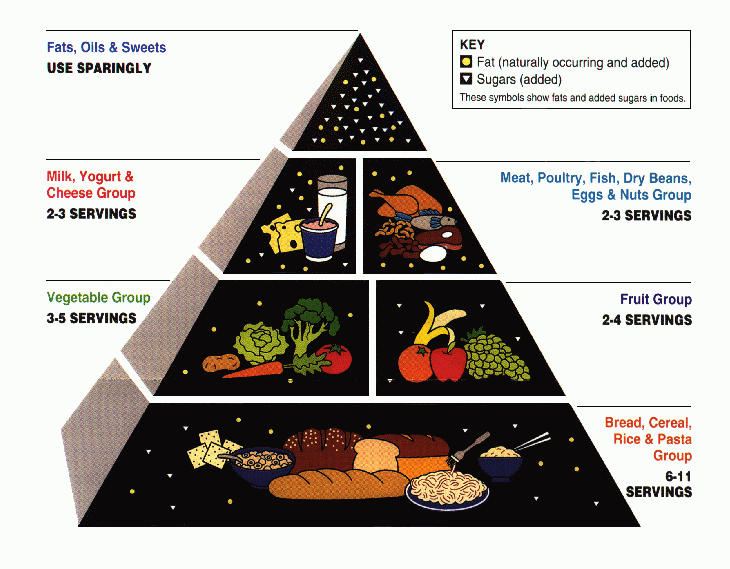 A 5-tier pyramid showing grains at the base, followed by veggies/fruits, proteins, dairy, and fats at the top. (Image: Public domain, via Wikimedia Commons)
Common Nutritional Problems in Nepal
| Problem | Cause | Effect | Solution |
|---|---|---|---|
| Malnutrition | Poor diet, poverty | Weakness, stunted growth | Eat diverse foods, fortify meals |
| Obesity | Too much junk food, little exercise | Heart disease, diabetes | Balanced diet, 1 hour of exercise/day |
| Anemia | Iron deficiency (low meat/veggies) | Fatigue, pale skin | Eat lentils, leafy greens, eggs |
| Vitamin A Def. | Lack of carrots, liver, dairy | Night blindness, weak immunity | Consume orange veggies, dairy |
Example: A 15-year-old student eats only dal-bhat (rice + lentils) with oil but no vegetables or meat. Over time, they feel tired and sick often. Why? → Lack of vitamins (A, C) and proteins → Weak immunity and slow growth.
3. Personal Hygiene: Preventing Diseases
Hygiene means keeping the body and surroundings clean to stop germs. Key habits:
A. Body Hygiene
- Bathing: 1–2 times/day (especially after sweating or playing).
- Handwashing: Before eating, after using the toilet, or touching dirty things.
- How to wash hands properly (NEB-style step-by-step):
- Wet hands with clean water.
- Apply soap and rub palms, backs, between fingers, under nails for 20 seconds.
- Rinse and dry with a clean towel.
- Why? Removes E. coli (from feces) and flu viruses that cause diarrhea.
- How to wash hands properly (NEB-style step-by-step):
B. Oral Hygiene
- Brush teeth: Twice daily (morning/night) with fluoride toothpaste.
- Floss: Once daily to remove food stuck between teeth.
- Avoid: Sugary drinks, sticky snacks (cause cavities).
- Dental diseases (e.g., gingivitis) can lead to tooth loss and bad breath.
C. Environmental Hygiene
- Clean water: Boil or filter water before drinking (prevents cholera, typhoid).
- Food safety:
- Store food in covered containers (keeps flies/mice away).
- Cook meat/fish thoroughly (kills bacteria like salmonella).
- Waste disposal: Use sealed bins for trash; burn or bury organic waste.
Example: In a village, people drink untreated river water. Many children get diarrhea and stomachaches. How could this be prevented? → Boil water, use water filters, or drink bottled water.
4. Common Health Risks and Solutions
| Risk | Cause | Prevention |
|---|---|---|
| Diarrhea | Dirty water, unwashed hands | Handwashing, clean water, ORS* |
| Dengue Fever | Mosquito bites (Aedes mosquito) | Use mosquito nets, repellent, drain stagnant water |
| Tuberculosis (TB) | Airborne bacteria (coughing) | Cover mouth when coughing, vaccinate |
| Malaria | Anopheles mosquito bites | Sleep under nets, use insecticide spray |
| Food Poisoning | Eating spoiled food | Store food properly, cook well |
*ORS = Oral Rehydration Solution (sugar + salt + water to replace lost fluids).
5. Life Skills for Health
A. Stress Management
- Causes of stress in teens: Exams, family problems, social pressure.
- Effects: Headaches, sleep issues, low confidence.
- Solutions:
- Exercise (walking, yoga).
- Talk to friends/family.
- Meditation (deep breathing for 5–10 mins/day).
B. Conflict Resolution
- Healthy conflicts can improve relationships if handled well.
- Steps to resolve conflicts:
- Listen without interrupting.
- Express feelings calmly ("I feel upset when...").
- Find a compromise.
Example: Two friends argue over who borrowed whose notebook. → Solution: Ask, "When did you last see it?" and return it if found.
EXAM TIPS
Definitions: Know these by heart:
- Health = "Complete physical, mental, and social well-being."
- Nutrition = "Process of providing or obtaining food for health."
- Hygiene = "Practices to maintain cleanliness and prevent disease."
Cause and Effect: NEB often asks:
- "Why does poor hygiene cause diarrhea?" → Germs enter body → infect intestines.
- "How does malnutrition affect students?" → Weak focus, frequent illness, slow growth.
Practical Applications:
- "Suggest 3 ways to prevent dengue." → Use nets, repellent, drain water.
- "Design a balanced meal for a teen." → Dal-bhat + veggies + fruit + curd.
Diagrams: Draw and label:
- Food pyramid.
- Handwashing steps.
- Factors affecting health (mindmap).
NEB-Style Questions:
Short Answer (3 marks): "What are the three types of health?" → Physical, mental, social.
Long Answer (5 marks): "Explain the importance of nutrition for adolescents. How can a student ensure a balanced diet?" → Covers growth needs, energy, immunity + examples like "eat eggs for protein, carrots for vitamin A."
REVISION ACTIVITY
Match the Column:
- A. Vitamin A deficiency → 1. Night blindness
- B. Poor handwashing → 2. Diarrhea
- C. Mosquito bites → 3. Dengue
True/False:
- "Fiber is only found in fruits." (False: Also in whole grains.)
- "Boiling water kills all germs." (True.)
Role Play:
- Scenario: Your friend never washes hands before eating. Convince them to change.
Final Note: Health is a daily habit, not a one-time task. Small changes—like washing hands or eating veggies—add up to a lifetime of well-being! 🌟
Based on the NEB +2 Management syllabus for Social Studies and Life Skills (SSLS), unit 9.
Discussion
Loading…