Life Skill EducationUnit 89 min read
Drug Abuse: Types, Effects, Prevention & Legal Consequences
Unit 8 of Life Skill Education explains what drug abuse is, its types (legal/illegal, natural/synthetic), harmful effects on health and society, prevention strategies, and legal consequences in Nepal. Includes real-life examples, comparison tables, and NEB-style questions for exam practice.
What is Drug Abuse?
Drug abuse means using legal or illegal substances in a way that harms your health, mind, or relationships. It is not the same as medicine use (e.g., taking antibiotics as prescribed). Abuse happens when:
- You use drugs without a doctor’s advice (even if they are legal, like alcohol or cigarettes).
- You take more than the safe amount.
- You use drugs just for fun or to escape problems (e.g., stress, sadness).
- You become dependent (your body needs the drug to function).
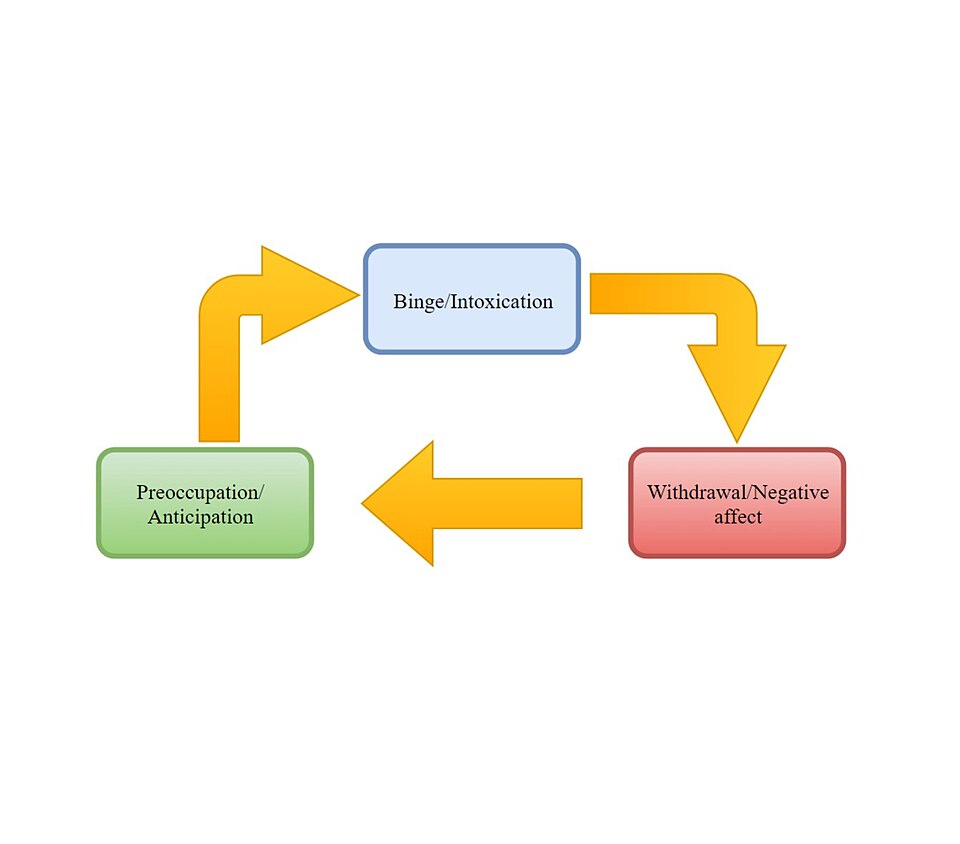 How drug abuse leads to dependence (Image: U3143109, CC BY-SA 4.0, via Wikimedia Commons)
Types of Drugs
Drugs can be natural (from plants/animals) or synthetic (man-made). They are also classified by legal status and effects on the brain.
1. Classification by Legal Status
| Category | Examples | Legal Status in Nepal |
|---|---|---|
| Legal Drugs | Alcohol, Tobacco, Some Medicines | Sold with age restrictions or prescriptions. |
| Illegal Drugs | Heroin, Marijuana, Cocaine, Meth | Banned. Selling/using can lead to jail. |
2. Classification by Effects on the Brain
| Type | Examples | Short-Term Effects | Long-Term Effects |
|---|---|---|---|
| Depressants | Alcohol, Barbiturates | Slows brain, drowsiness, poor coordination | Memory loss, liver damage, addiction |
| Stimulants | Cocaine, Meth, Caffeine | High energy, fast heart rate, anxiety | Heart attacks, paranoia, weight loss |
| Hallucinogens | LSD, Magic Mushrooms | Hallucinations, distorted senses | Psychosis, brain damage |
| Opiates | Heroin, Morphine | Euphoria, pain relief | Overdose, lung infections, death |
| Cannabis | Marijuana, Hashish | Relaxation, altered thinking | Lung damage, mental health issues |
Why Do People Use Drugs?
People start using drugs for many reasons, but none are healthy. Common reasons include:
- Curiosity – "Everyone is trying it."
- Peer Pressure – Friends or family influence you.
- Escape Problems – To forget stress, sadness, or boredom.
- Thrill-Seeking – Wanting to feel "high" or excited.
- Mental Illness – Some people use drugs to self-medicate (e.g., depression).
⚠️ Warning: Drugs never solve problems—they create bigger ones.
Effects of Drug Abuse
Drug abuse harms your body, mind, and relationships.
1. Physical Health Effects
- Brain Damage – Drugs change how your brain works (memory, thinking).
- Heart & Lungs – Increased risk of heart attacks, strokes, and lung diseases (e.g., smoking causes cancer).
- Weak Immune System – You get sick more often.
- Overdose – Taking too much can kill you (e.g., heroin overdose stops breathing).
2. Mental Health Effects
- Anxiety & Depression – Drugs can make mood swings worse.
- Paranoia & Hallucinations – Seeing/hearing things that aren’t real.
- Addiction – Your brain craves the drug, and you can’t stop without help.
3. Social & Legal Effects
- Broken Relationships – Friends/family may stop trusting you.
- Poor Performance – Bad grades, losing jobs.
- Legal Trouble – Jail time for possession/selling (even first offense!).
- Financial Loss – Spending money on drugs instead of needs.
📌 Example: Ramesh was a good student but started smoking cigarettes to "relax." Soon, he needed more to feel normal. He failed exams, lied to his parents, and spent all his money on drugs. His family had to send him to a rehab center.
How Drugs Affect the Brain (Step-by-Step)
Drugs trick your brain by flooding it with chemicals (like dopamine, which makes you happy). Over time, your brain stops making its own happy chemicals, so you need the drug to feel normal.
sequenceDiagram
    participant Brain as Normal Brain
    participant Drug as Drug
    participant Body as Body

    Brain->>Body: Releases dopamine (happy feeling)
    Drug->>Brain: Floods brain with fake dopamine
    Brain-->>Body: "I need more!" (Tolerance builds)
    Body-->>Brain: Withdrawal (sickness if no drug)
    Brain->>Body: Addiction forms
Preventing Drug Abuse
You can stay drug-free! Here’s how:
1. Say "NO" to Peer Pressure
- Practice refusal skills:
- "No, thanks. I don’t do drugs."
- "I have to study for my exams."
- "My parents would be really upset."
- Find new friends who don’t use drugs.
2. Build Healthy Habits
- Exercise (releases natural happy chemicals).
- Eat well & sleep enough (reduces stress).
- Talk to someone (teacher, counselor, family) if you’re sad or stressed.
3. Avoid Risky Situations
- Don’t go to parties where drugs are offered.
- Don’t carry money if you’re in a place where drugs are sold.
- Never share needles (if someone is injecting drugs).
4. Know the Law in Nepal
- Possession of illegal drugs = 3 months to 5 years in jail + fine.
- Selling drugs = 5 years to life in prison.
- Drinking alcohol under 18 = fine or community service.
📜 Example (NEB-style): Why is drug abuse a social issue? Answer: Drug abuse is a social issue because:
- It harms families (addicts may steal or lie).
- It increases crime (theft, violence to get money for drugs).
- It wastes healthcare resources (hospitals treat addicts instead of others).
- It affects the economy (productivity drops).
Helping Someone with Drug Addiction
If a friend or family member is addicted:
- Don’t judge – Addiction is a disease, not a choice.
- Encourage them to seek help (counseling, rehab centers).
- Support them – Offer to go with them to a doctor.
- Take care of yourself – You can’t help if you’re stressed.
🏥 Nepal’s Helpline for Addiction:
- National Drug Abuse Prevention and Control Center (NDAPCC)
- Phone: 166001100110
- Website: ndapcc.gov.np
Exam Tip: How to Score Full Marks
NEB exams test concepts, examples, and real-life applications. Here’s how to answer well:
1. Short Answer Questions (2-5 marks)
- Example Question: "What are the three types of drugs based on their effects?"
- Good Answer:
Drugs are classified into three main types based on brain effects:
- Depressants (slow brain, e.g., alcohol) → cause drowsiness.
- Stimulants (speed up brain, e.g., cocaine) → increase energy but damage heart.
- Hallucinogens (distort senses, e.g., LSD) → cause hallucinations.
2. Long Answer Questions (10 marks)
- Example Question: "Explain the causes and effects of drug abuse with examples."
- Structure for Full Marks:
- Definition (1 mark) – Drug abuse = harmful use of substances.
- Causes (3 marks) – Peer pressure, curiosity, escape problems (give examples).
- Effects (4 marks) –
- Physical (brain damage, overdose).
- Mental (depression, addiction).
- Social (broken families, jail).
- Prevention (2 marks) – Say "NO," seek help, avoid risky friends.
3. Case Study Questions (5-10 marks)
- Example Question: "Ramu started smoking at 15. Now he steals to buy cigarettes. How does this show drug abuse’s social impact?"
- Good Answer:
Ramu’s case shows three social impacts of drug abuse:
- Crime – He steals to fund his addiction, harming society.
- Family Breakdown – His actions may cause trust issues with family.
- Economic Burden – His habit wastes money that could be used for education. Solution: He should seek rehab and avoid triggers (e.g., smoking friends).
💡 Pro Tip:
- Memorize the legal consequences in Nepal (jail time, fines).
- Compare drugs in a table (effects, types) for easy recall.
- Use real examples (like Ramu’s story) in answers.
📝 Practice Questions (NEB Style)
- "Write any four harmful effects of drug abuse on health." (4 marks)
- "How can you prevent drug abuse among teenagers? Give four ways." (4 marks)
- "Differentiate between legal and illegal drugs with examples." (5 marks)
- "‘Drug abuse is a social evil.’ Justify this statement with three points." (6 marks)
🎯 Final Reminder: Drug abuse ruins lives—yours and others’. Stay informed, stay strong, and choose health! 💪
Based on the NEB +2 Management syllabus for Life Skill Education (LSE), unit 8.
Discussion
Loading…