Life Skill EducationUnit 612 min read
Health & Nutrition: Balanced Diet, Malnutrition, Food Safety & Disease Prevention
Unit 6 of Life Skill Education explores the science of nutrition, how to plan a balanced diet, recognize malnutrition, ensure food safety, and prevent common diseases through healthy habits—essential for NEB exam success and real-life well-being.
TAKEAWAYS:
- A balanced diet includes carbohydrates, proteins, fats, vitamins, minerals, and water in the right proportions for energy, growth, and disease prevention.
- Malnutrition (undernutrition or overnutrition) weakens the body and mind; Nepal faces both due to poverty and unhealthy modern diets.
- Food safety depends on proper storage, cooking, and hygiene to avoid foodborne illnesses like diarrhea and typhoid.
- Diseases (infectious and non-communicable) can be prevented through nutrition, hygiene, and vaccination—key to public health.
- Nutrition labels and food groups help you make healthier food choices daily.
- NEB exam focus: Short-answer definitions, case studies on malnutrition, food safety rules, and disease prevention strategies.
What is Health and Nutrition?
Health is not just the absence of disease but a state of physical, mental, and social well-being. Nutrition is the science of how food fuels your body to stay healthy.
Why Nutrition Matters
- Provides energy (calories) for daily activities.
- Supports growth and repair of tissues (e.g., muscles, bones).
- Strengthens immunity to fight infections.
- Keeps your mind sharp (e.g., omega-3 fats for brain health).
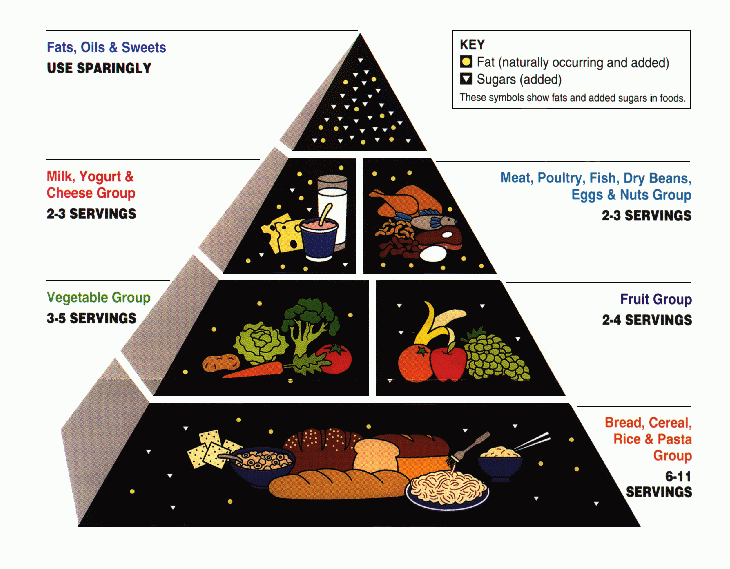 The 5 food groups and their daily servings for a balanced diet (Image: Public domain, via Wikimedia Commons)
The 5 Food Groups (Nepali Diet Example)
A balanced diet includes these groups in the right amounts:
| Food Group | Examples (Nepali Diet) | Daily Servings (Adult) | Key Nutrients |
|---|---|---|---|
| Grains | Rice, roti, makai, millet | 6–11 servings | Carbohydrates, fiber |
| Vegetables | Lauki, karela, spinach, tomato | 3–5 servings | Vitamins (A, C), minerals |
| Fruits | Apple, banana, orange, guava | 2–4 servings | Vitamins (C), fiber |
| Proteins | Dal, chicken, fish, eggs | 2–3 servings | Proteins, iron, zinc |
| Dairy | Milk, yogurt, paneer | 2–3 servings | Calcium, vitamin D |
Note: Servings depend on age, gender, and activity level. A serving of grains = 1 roti or ½ cup rice.
How to Plan a Balanced Diet (Step-by-Step)
Use the Plate Method to visualize portions:
pie
    title MyPlate: Daily Food Distribution
    "Grains (40%)" : 40
    "Vegetables (30%)" : 30
    "Fruits (20%)" : 20
    "Proteins (10%)" : 10
Example Plate for a 12th Grader:
- ½ plate: Dal + vegetables (e.g., dal bhat with spinach and carrots).
- ¼ plate: Rice or roti.
- ¼ plate: Chicken or fish (protein).
- 1 small bowl: Curd or yogurt (dairy).
- 1 fruit: Banana or apple.
Why this works:
- Carbs (rice/roti) give energy for school/work.
- Proteins (dal/chicken) repair muscles and build immunity.
- Veggies/fruits provide vitamins to fight infections.
Malnutrition: The Silent Crisis in Nepal
Malnutrition happens when the body doesn’t get enough (undernutrition) or too much (overnutrition) of key nutrients.
Types of Malnutrition
| Type | Cause | Effects | Nepal Example |
|---|---|---|---|
| Undernutrition | Lack of food, poor diet | Weakness, stunted growth, frequent illness | Children in rural areas |
| Overnutrition | Excess calories, junk food | Obesity, diabetes, heart disease | Urban youth eating fast food |
| Micronutrient Deficiency | Lack of vitamins/minerals | Night blindness (vitamin A), anemia (iron) | Pregnant women, school kids |
How to Spot Malnutrition
Signs in Children:
- Too thin: Ribs, collarbone, or hip bones visible.
- Too short: Height below average for age (use WHO growth charts).
- Frequent illness: Colds, diarrhea, slow healing.
- Swollen belly: Could indicate kwashiorkor (protein deficiency).
Signs in Adults:
- Fatigue, weakness, slow recovery after illness.
- Hair loss, dry skin, or brittle nails.
NEB Exam Tip:
"Malnutrition is often called a ‘hidden hunger’ because symptoms appear slowly. In Nepal, stunting affects 36% of children under 5 (UNICEF 2021)."
Food Safety: How to Avoid Foodborne Illnesses
Unsafe food causes diarrhea, typhoid, or cholera. Follow these rules:
The 4 Key Steps to Safe Food
- Clean: Wash hands, utensils, and surfaces.
- Use soap and clean water before handling food.
- Separate: Avoid cross-contamination.
- Keep raw meat/fish separate from ready-to-eat foods (e.g., salad).
- Cook: Heat food thoroughly.
- Safe temperatures: Meat (75°C), eggs (70°C), rice (steam until hot).
- Chill: Refrigerate perishable foods.
- Fridge temp: Below 5°C. Don’t leave cooked food out for >2 hours.
Common Foodborne Diseases in Nepal
| Disease | Cause | Symptoms | Prevention |
|---|---|---|---|
| Diarrhea | Contaminated water/food | Frequent loose stools | Drink boiled water, wash hands |
| Typhoid | Salmonella bacteria | High fever, stomach pain | Vaccinate, avoid raw street food |
| Cholera | Vibrio cholerae | Severe diarrhea, dehydration | Boil water, improve sanitation |
| Food Poisoning | Toxins in spoiled food | Vomiting, cramps | Store food properly, cook well |
Example Scenario:
After eating street food from an unhygienic stall, a student gets diarrhea. Why? Answer: The food was likely contaminated with E. coli or norovirus due to poor hygiene. Prevention: Avoid raw salads, eat freshly cooked hot food, and carry bottled water.
Non-Communicable Diseases (NCDs) and Nutrition
NCDs (e.g., diabetes, heart disease) are linked to poor diet and lifestyle. Nepal’s urban areas see rising cases due to:
- Junk food: High in sugar, salt, and unhealthy fats.
- Sedentary lifestyle: Less physical activity.
- Smoking/alcohol: Weakens the heart and lungs.
classDiagram
    class Diabetes {
        <<NCD>>
        +Caused by: High sugar intake
        +Prevented by: Low-glycemic foods
    }
    class HeartDisease {
        <<NCD>>
        +Caused by: Trans fats, salt
        +Prevented by: Omega-3 rich foods
    }
    class Obesity {
        <<NCD>>
        +Caused by: Processed foods, inactivity
        +Prevented by: Whole grains, exercise
    }
    Diabetes --> HeartDisease : "Shared risk: High blood pressure"
    Obesity --> Diabetes : "Direct link: Insulin resistance"
Nutrition-related NCDs and their prevention strategiesHow Nutrition Helps Prevent NCDs:
- Diabetes: Eat low-glycemic foods (whole grains, veggies) and avoid sugary drinks.
- Heart Disease: Choose healthy fats (nuts, fish) over fried foods.
- Obesity: Balance calories—eat less, move more.
Reading Nutrition Labels (Practical Skill)
Labels help you pick healthier options. Look for:
- Serving size: Compare per 100g, not per packet.
- Calories: Aim for <200 kcal per serving for snacks.
- Sugar: **<5g per serving** is ideal (avoid >10g).
- Sodium: <200mg per serving (fast food often has 500–1000mg!).
- Fiber: >3g per serving (helps digestion).
Example Label Analysis:
Product: Packed Juice (500ml)
Serving size: 200ml
Calories: 120 | Sugar: 25g | Sodium: 5mg
Is this healthy? ❌ No: 25g sugar = 6 teaspoons! Better choice: fresh fruit juice or water with lemon.
NEB Exam Practice Questions
Short Answer (2–3 marks)
Define malnutrition. Give one example of a micronutrient deficiency in Nepal.
Malnutrition is a condition caused by imbalanced or insufficient intake of nutrients, leading to poor health. Example: Iron deficiency (anemia) affects 40% of Nepali women.
List two food safety rules to prevent typhoid.
1. Drink boiled or filtered water. 2. Avoid raw or undercooked food from street vendors.
Long Answer (5–7 marks)
Explain the Plate Method for a balanced diet. How would you adjust it for a student who plays football daily?
*The Plate Method divides food into:
- 40% grains (energy),
- 30% veggies (vitamins),
- 20% fruits (fiber),
- 10% proteins (muscle repair). For a football player: Increase proteins (chicken, dal) to 15% and add healthy fats (nuts, fish) for endurance.*
A family in Kathmandu eats mostly fried snacks and fast food. What health risks do they face? Suggest 3 dietary changes.
*Risks: Obesity, diabetes, heart disease. Changes:
- Replace fried snacks with roasted makai or nuts.
- Swap soda for water or lassi.
- Cook meals at home using steamed veggies and grilled chicken.*
Case Study (7–10 marks)
- Rama, 12, is always tired and has pale skin. Her doctor says she has anemia. What could be the cause? How would you advise her family to improve her diet?
*Cause: Likely iron deficiency from poor diet (low dal, meat, or green veggies). Advice:
- Add dal, spinach, or liver daily.
- Include vitamin C (amla, orange) to help iron absorption.
- Avoid tea/coffee with meals (tannins block iron).
- Example meal: Dal + roti + sautéed spinach with lemon.*
Exam Tip: How to Score Full Marks
- Diagrams: Draw the Plate Method or food pyramid in long answers.
- Examples: Use Nepali diet examples (dal bhat, makai roti) to explain concepts.
- Link to Nepal: Mention stunting rates, urban vs. rural diets, or common diseases (e.g., typhoid in monsoon).
- Prevention Focus: For diseases, always end with how to prevent (e.g., "Boil water to avoid cholera").
- Label Reading: Practice analyzing real food labels (e.g., biscuits, juice) to spot hidden sugar/salt.
Quick Revision Table
| Topic | Key Points | NEB Exam Focus |
|---|---|---|
| Balanced Diet | 5 food groups, Plate Method, servings | Define, draw diagram, give Nepali examples |
| Malnutrition | Undernutrition vs. overnutrition, signs, causes | Case studies, stunting data |
| Food Safety | Clean, separate, cook, chill | Rules + disease prevention |
| NCDs | Diabetes, heart disease, junk food risks | Dietary fixes for prevention |
| Nutrition Labels | Serving size, sugar, sodium, fiber | Analyze a label in exam |
Final Activity: Plan a Day’s Menu
Task: Design a balanced day’s menu for a 12th-grade student using Nepali ingredients. Include:
- Breakfast: _________________________
- Lunch: ___________________________
- Snack: ___________________________
- Dinner: __________________________
Example Answer:
- Breakfast: Oats with banana + glass of milk (grains + dairy).
- Lunch: Dal bhat with tarkari (veggies) + curd (proteins + veggies + dairy).
- Snack: Roasted makai + peanuts (grains + healthy fats).
- Dinner: Fish curry with steamed rice and spinach salad (proteins + veggies + grains).
Why it’s balanced:
- Carbs: Rice, roti, oats (energy).
- Proteins: Dal, fish, milk (growth).
- Veggies: Tarkari, spinach (vitamins).
- Fruits: Banana (fiber).
- Dairy: Milk, curd (calcium).
Remember: Health is a daily habit, not a one-time fix. Small changes—like swapping soda for water or eating more veggies—make a big difference! 🌱
Based on the NEB +2 Management syllabus for Life Skill Education (LSE), unit 6.
Discussion
Loading…