BiologyUnit 177 min read
Environmental Pollution & Conservation: Causes, Effects, Control & Biodiversity
Unit 17 of Biology explains the types of pollution (air, water, soil, noise, light), their causes and effects, conservation strategies (in-situ/ex-situ), and the importance of biodiversity for ecosystem stability. Includes NEB-style questions and solved examples.
---

## What is Environmental Pollution?
Pollution is the **unwanted presence of harmful substances or energy** in the environment that causes damage to living things and disrupts natural processes. These harmful substances are called **pollutants**.

**Key types of pollution** (focus for NEB):
1. **Air pollution** (e.g., smoke, CO₂, CFCs)
2. **Water pollution** (e.g., sewage, pesticides, oil spills)
3. **Soil pollution** (e.g., plastic waste, heavy metals)
4. **Noise pollution** (e.g., traffic, construction)
5. **Light pollution** (e.g., streetlights, billboards)

---

## Causes of Pollution
Pollution is mainly caused by **human activities** (anthropogenic) and sometimes by **natural events**.

### **1. Air Pollution Causes**
```mermaid
graph TD
    A["Industrial Emissions"] --> B["CO₂, SO₂, NOx"]
    C["Vehicle Exhaust"] --> D["CO, Lead, Particulate Matter"]
    E["Burning Fossil Fuels"] --> F["Smog, Acid Rain"]
    G["Agricultural Activities"] --> H["Ammonia, Methane"]
Example: Factories release sulfur dioxide (SO₂), which mixes with water vapor to form acid rain.
2. Water Pollution Causes
graph TD
    A["Industrial Waste"] --> B["Heavy Metals (Hg, Pb)"]
    C["Sewage"] --> D["E. coli, Pathogens"]
    E["Agricultural Runoff"] --> F["Pesticides, Fertilizers (Eutrophication)"]
G["Oil Spills"] --> H["Kills aquatic life"]Example: A factory dumping mercury (Hg) into a river causes bioaccumulation in fish, harming humans who eat them.
3. Soil Pollution Causes
graph TD
    A["Plastic Waste"] --> B["Non-biodegradable"]
    C["Pesticides"] --> D["Kills soil microbes"]
E["Industrial Chemicals"] --> F["Heavy metals (Cd, As)"]Example: DDT (pesticide) accumulates in soil and enters the food chain, affecting birds (e.g., thinner eggshells in eagles).
Effects of Pollution
Pollution harms humans, animals, plants, and the environment.
1. Air Pollution Effects
| Pollutant | Effect on Humans | Effect on Environment |
|---|---|---|
| CO₂ | Global warming | Climate change |
| SO₂ | Asthma, lung damage | Acid rain (kills forests) |
| CFCs | Ozone layer depletion | UV radiation increases |
Example: Smog (smoke + fog) in Kathmandu causes breathing problems and reduces visibility.
2. Water Pollution Effects
Example: Eutrophication (excess nutrients) causes algal blooms, which deplete oxygen and kill fish.
3. Soil Pollution Effects
- Reduces fertility (kills beneficial microbes).
- Contaminates food crops (e.g., cadmium in rice).
- Affects groundwater (e.g., arsenic poisoning in Bangladesh).
Conservation of Environment
Conservation means protecting natural resources for future generations.
1. In-situ Conservation (On-site)
- Wildlife Sanctuaries (e.g., Chitwan National Park for rhinos).
- Biosphere Reserves (e.g., Makalu-Barun).
- National Parks (e.g., Sagarmatha National Park).
2. Ex-situ Conservation (Off-site)
| Method | Example | Advantage |
|---|---|---|
| Zoos | Nepal’s Biodiversity Park | Protects endangered species |
| Seed Banks | Svalbard Global Seed Vault | Preserves crop diversity |
| Botanical Gardens | Godavari Botanical Garden | Conserves rare plants |
Example: Red Panda is conserved in Phoksundo National Park (in-situ) and breeding centers (ex-situ).
Biodiversity and Its Importance
Biodiversity = Variety of life (genes, species, ecosystems).
Why is Biodiversity Important?
- Medicinal Uses (e.g., Neem, Quinine).
- Ecosystem Stability (e.g., Bees pollinate crops).
- Food Security (e.g., Rice, Wheat depend on wild relatives).
- Cultural Importance (e.g., Sacred Groves in Nepal).
Example: Loss of bees → 30% drop in crop yield (UN report).
NEB-Style Questions & Solutions
Short Answer Questions
Q1. What are the three main causes of air pollution? Answer:
- Industrial emissions (SO₂, CO₂).
- Vehicle exhaust (CO, NOx).
- Burning fossil fuels (smoke, particulate matter).
Q2. How does eutrophication affect aquatic life? Answer:
- Excess nutrients (from fertilizers) → algal blooms.
- Algae die → decomposers use up oxygen → fish die (hypoxia).
Long Answer Questions
Q3. Explain three methods of soil conservation with examples. Answer:
- Afforestation – Planting trees (e.g., Social Forestry in Nepal) to prevent erosion.
- Crop Rotation – Alternating crops (e.g., wheat → legumes) to maintain soil nutrients.
- Terracing – Building steps on hills (e.g., Rice terraces in Pokhara) to reduce soil loss.
Q4. Differentiate between in-situ and ex-situ conservation with examples. Answer:
| Feature | In-situ Conservation | Ex-situ Conservation |
|---|---|---|
| Meaning | On natural habitat | Outside natural habitat |
| Example | Chitwan National Park (rhinos) | Zoos (red pandas) |
| Advantage | Maintains natural behavior | Protects from extinction |
| Disadvantage | Vulnerable to poaching | May lose natural instincts |
Exam Tip
✅ For NEB exams, focus on:
- Causes & Effects (e.g., "How does CFC affect the ozone layer?").
- Conservation Methods (e.g., "Differentiate between wildlife sanctuary and national park").
- Biodiversity Importance (e.g., "Why is genetic diversity important?").
- Diagrams (e.g., food chain disruption due to pollution).
- Real-life Examples (e.g., arsenic poisoning in Bangladesh, Chitwan’s rhino conservation).
🚫 Avoid memorizing long lists—understand connections (e.g., how pesticides → bioaccumulation → health issues).
Practice: Draw a food web showing how pollution affects each trophic level. (Example: Phytoplankton → Fish → Humans).
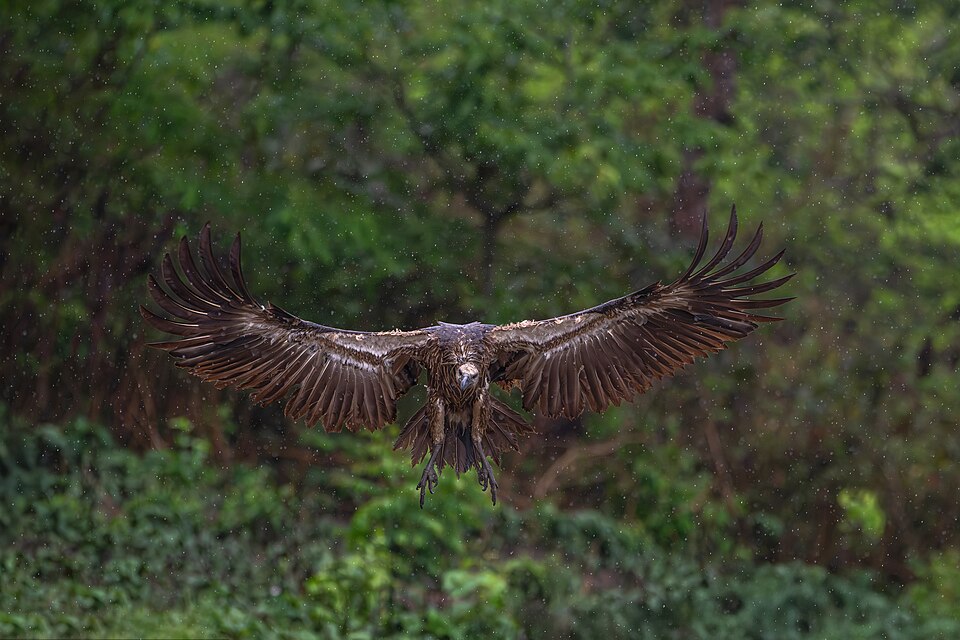 Nepal’s protected area for rhinos and tigers (Image: Mildeep, CC BY-SA 4.0, via Wikimedia Commons)
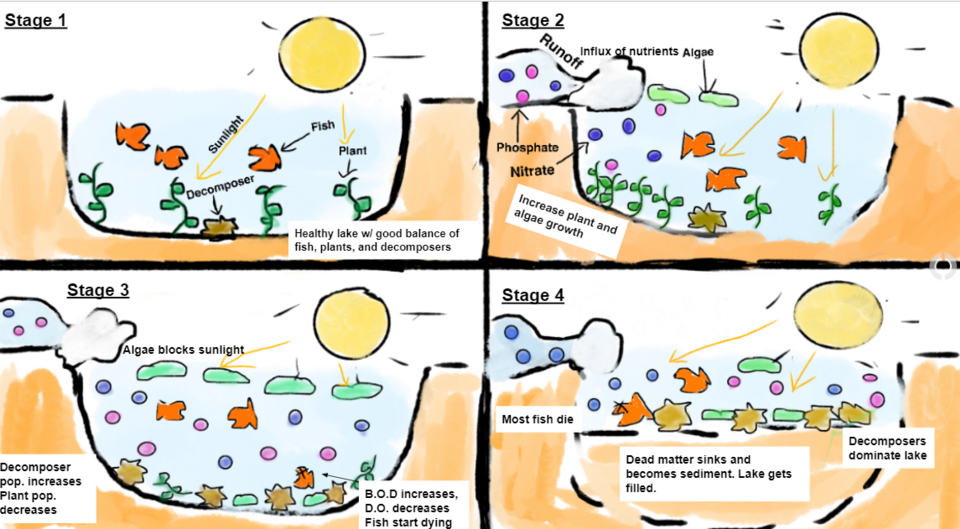 Algal bloom leading to oxygen depletion in water (Image: Echow12345, CC BY-SA 4.0, via Wikimedia Commons)
Based on the NEB +2 Science syllabus for Biology (Bio), unit 17.
Discussion
Loading…