EnglishUnit 128 min read
Games and Sports: Types, Rules, Benefits, and Cultural Impact
Unit 12 of English explores the world of games and sports, covering their definitions, types (individual, team, traditional, and modern), rules, benefits, and cultural significance, with a focus on how they are portrayed in English texts and examined in NEB exams.
TAKEAWAYS:
- Games vs. Sports: Understand the key differences between games and sports, including their rules, objectives, and physical demands.
- Types of Games and Sports: Learn to classify them into individual, team, traditional, and modern categories, and recognize their unique features.
- Rules and Regulations: Know how rules shape the structure and fairness of games and sports, and why they are essential.
- Benefits of Games and Sports: Memorize the physical, mental, and social advantages they offer, such as health, discipline, and teamwork.
- Cultural Significance: Explore how games and sports reflect cultural values, traditions, and identities in different societies.
- Exam Skills: Practice answering NEB-style questions on reading comprehension, summary writing, and essay topics related to games and sports.
---

### **What Are Games and Sports?**
Games and sports are activities that involve physical or mental skill, competition, and entertainment. While they share similarities, they have distinct differences:

```mermaid
mindmap
  root((Games and Sports))
    Games
      Definition: Activities with rules, often for fun or skill development
      Examples: Chess, Ludo, Carrom
      Focus: Mental or physical skill, not always competitive
    Sports
      Definition: Competitive physical activities with standardized rules
      Examples: Football, Cricket, Basketball
      Focus: Physical fitness, teamwork, and competition
Key Difference:
- Games can be played individually or in teams, with or without physical exertion.
- Sports are usually competitive, require physical activity, and follow strict rules.
Types of Games and Sports
Games and sports can be categorized based on their nature and participation:
1. Individual vs. Team Games/Sports
| Type | Examples | Key Features |
|---|---|---|
| Individual | Badminton, Tennis, Swimming | Focus on personal skill and performance. |
| Team | Football, Basketball, Volleyball | Require coordination, strategy, and teamwork. |
2. Traditional vs. Modern Games/Sports
| Type | Examples | Key Features |
|---|---|---|
| Traditional | Kho-Kho, Kabaddi, Archery | Often culturally rooted, passed down generations. |
| Modern | Cricket, Chess, Badminton | Standardized rules, global popularity. |
Example of Traditional Game (Kho-Kho):
- Played between two teams of 9 players each.
- Players take turns chasing and tagging opponents.
- Requires agility, speed, and strategy.
Rules and Regulations
Rules ensure fairness, safety, and structure in games and sports. For example:
Football Rules (Simplified)
- Two teams of 11 players each.
- Objective: Score goals by getting the ball into the opponent’s net.
- Offside rule: Attackers cannot be closer to the goal than the last defender.
- Fouls: Illegal physical contact (e.g., pushing, tripping).
graph TD
  A["Start Game"] --> B["Teams Line Up"]
  B --> C["Referee Blows Whistle"]
  C --> D["Play Begins"]
  D --> E{"Is Ball in Net?"}
  E -->|"Yes"| F["Goal Scored"]
  E -->|"No"| G["Continue Play"]
  F --> H["Check for Offside"]
  H --> I["Restart Game"]
Benefits of Games and Sports
Games and sports offer physical, mental, and social benefits:
pie
  title Benefits of Games and Sports
  "Physical Health" : 35
  "Mental Well-being" : 25
  "Social Skills" : 20
  "Discipline and Focus" : 15
  "Cultural Preservation" : 5
Physical Benefits
- Improve strength, flexibility, and endurance.
- Reduce obesity and health risks (e.g., heart disease).
Mental Benefits
- Reduce stress and anxiety.
- Boost confidence and self-esteem.
Social Benefits
- Teach teamwork and communication.
- Build friendships and community bonds.
Cultural Significance of Games and Sports
Games and sports reflect cultural values, traditions, and identities:
mindmap
  root((Cultural Significance))
    Nepal
      Traditional: Daura Suru, Bhandara
      Modern: Cricket, Football
    India
      Traditional: Kabaddi, Kho-Kho
      Modern: Cricket, Badminton
    Global
      Olympics: Unity and competition
      FIFA World Cup: Global unity through sports
Example: Cricket in Nepal
- Cricket is Nepal’s most popular sport.
- The national team’s success brings national pride.
- Matches are social events, bringing families and friends together.
Games and Sports in English Texts
In NEB exams, you may encounter reading passages, summaries, or essays about games and sports. Key themes include:
- The role of sports in society.
- Challenges (e.g., doping, injuries, commercialization).
- Success stories (e.g., athletes overcoming obstacles).
Example Passage (Summary Practice):
"Sports teach us discipline, perseverance, and teamwork. They also promote physical fitness and mental health. However, commercialization and doping are major concerns in modern sports."
Summary (50 words): Sports improve health, discipline, and teamwork. They bring people together but face issues like doping and over-commercialization. Balancing competition with ethics is crucial for fair play.
NEB Exam Tips for Unit 12
Reading Comprehension:
- Focus on main ideas, tone, and examples in passages.
- Practice summarizing short paragraphs (50-100 words).
Essay Writing:
- Common topics: "Sports and national unity", "Challenges in modern sports".
- Structure: Introduction → Body (2-3 points) → Conclusion.
Vocabulary:
- Learn terms like athlete, tournament, referee, doping, fair play.
Grammar Check:
- Use past tense when describing past events (e.g., "The team won the match").
- Practice reporting speech (e.g., "He said he would practice daily").
Solved NEB-Style Questions
Question 1: Reading Comprehension (10 marks)
Passage: "Games and sports are essential for a healthy lifestyle. They teach children discipline, teamwork, and resilience. Traditional games like Daura Suru preserve cultural heritage, while modern sports like cricket promote global unity. However, issues like doping and injuries remain challenges."
Questions: a) Why are games and sports important for children? (2 marks) Answer: They teach discipline, teamwork, and resilience.
b) What is the difference between traditional and modern games? (2 marks) Answer:
- Traditional: Preserve culture (e.g., Daura Suru).
- Modern: Promote global unity (e.g., cricket).
c) Summarize the passage in 50 words. (3 marks) Answer: Games and sports improve health, discipline, and unity. Traditional games preserve culture, while modern sports face challenges like doping and injuries.
d) Find words from the passage that mean: i) Strength to face difficulties → resilience ii) Fair competition → fair play (inferred)
Question 2: Essay (15 marks)
Topic: "Sports play a vital role in shaping the character of youth."
Answer Outline:
- Introduction: Sports are more than physical activities; they shape personality.
- Body:
- Discipline: Regular practice teaches time management.
- Teamwork: Sports like football require cooperation.
- Confidence: Winning builds self-esteem.
- Conclusion: Sports mold youth into responsible, confident individuals.
Final Checklist Before Exam
✅ Know the difference between games and sports. ✅ Memorize types (individual/team, traditional/modern). ✅ Understand rules of at least 2 sports (e.g., football, cricket). ✅ List 3 benefits of sports (physical, mental, social). ✅ Practice summarizing passages (50-100 words). ✅ Revise essay structures for common topics.
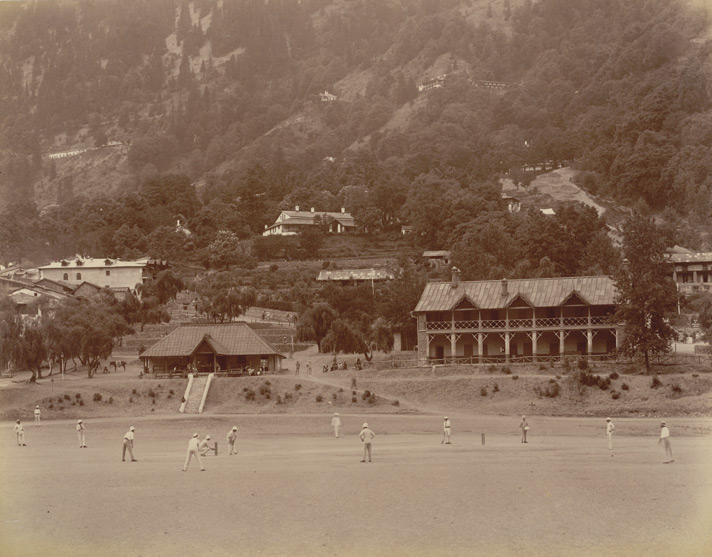 Modern sports in Nepal for global connection (Image: Lawrie & Company, Public domain, via Wikimedia Commons)
Based on the NEB +2 Science syllabus for English (Eng), unit 12.
Discussion
Loading…