EnglishUnit 1110 min read
Hobbies & Interests: Types, Benefits, and Writing Skills
Unit 11 of English explores the world of hobbies and interests—what they are, how they shape our lives, and how to write about them effectively. Learn to classify hobbies, analyze their benefits, and practice writing clear, engaging descriptions and essays.
What Are Hobbies and Interests?
A hobby is an activity you enjoy doing in your free time. It is something you choose to do because it gives you pleasure, relaxation, or a sense of achievement. An interest is a topic or subject you like to learn about or discuss. For example:
- Hobby: Playing guitar, painting, gardening.
- Interest: Reading history books, watching documentaries, collecting stamps.
Hobbies and interests help you:
- Relax and reduce stress.
- Learn new skills.
- Meet like-minded people.
- Improve creativity and confidence.
Types of Hobbies and Interests
Hobbies can be grouped into different categories based on the activities they involve. Here’s a simple classification:
mindmap
  root((Hobbies & Interests))
    Creative
      Art
      Music
      Writing
      Crafts
    Physical
      Sports
      Dancing
      Yoga
      Hiking
    Intellectual
      Reading
      Chess
      Puzzles
      Learning languages
    Social
      Volunteering
      Debating
      Cooking clubs
    Collecting
      Stamps
      Coins
      Books
    Digital
      Gaming
      Photography
      Blogging
      Coding
Why classify hobbies?
- Helps you choose hobbies that match your personality.
- Shows how hobbies can be active (physical) or passive (reading).
- Helps in writing about hobbies in exams (e.g., "My hobby is painting, which falls under creative hobbies").
How Hobbies Benefit You
Hobbies are not just fun—they have real-life advantages. Here’s how they help:
1. Personal Growth
- Boosts confidence: Mastering a skill (e.g., playing piano) makes you feel proud.
- Improves discipline: Regular practice (e.g., running) teaches time management.
- Enhances creativity: Drawing or writing helps you think outside the box.
2. Social Benefits
- Makes friends: Joining a club (e.g., chess or drama) connects you with others.
- Strengthens relationships: Shared hobbies (e.g., cooking with family) bring people closer.
- Reduces loneliness: Hobbies like volunteering help you feel part of a community.
3. Mental and Physical Health
- Reduces stress: Activities like gardening or meditation calm your mind.
- Keeps you active: Sports and dancing improve fitness.
- Sharpens the mind: Puzzles and learning languages keep your brain active.
4. Career Opportunities
- Develops skills: Hobbies like coding or photography can turn into jobs.
- Builds a portfolio: Writing or art can be showcased in resumes.
- Networking: Hobbies introduce you to professionals in your field.
How to Write About Hobbies (Exam Skills)
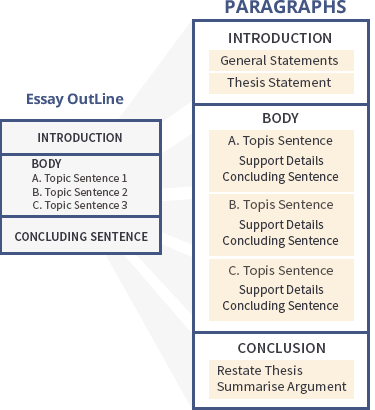
The NEB exam often asks you to describe a hobby or write an essay on its importance. Here’s how to structure your answer:
1. Descriptive Paragraph (Short Answer)
Format:
- Introduction: Name the hobby and why you like it.
- Details: How you do it, what you enjoy, and its benefits.
- Conclusion: Why it’s important to you.
Example:
"My favorite hobby is painting. I started it when I was ten, and it has been a part of my life ever since. I love using watercolors because they allow me to experiment with bright colors. Painting helps me relax after a long day at school. It also improves my patience and creativity. Whenever I finish a painting, I feel a sense of achievement. This hobby has taught me to see the beauty in everyday things, and I plan to keep painting for many years."
Visual Checklist for Descriptions:
flowchart TD
  A["Start with a hook"] --> B["Introduce hobby"]
  B --> C["Describe how you do it"]
  C --> D["Explain why you like it"]
  D --> E["Mention benefits"]
  E --> F["End with a strong conclusion"]
2. Essay Writing (Long Answer)
Structure:
- Introduction: Briefly introduce hobbies and their importance.
- Body Paragraphs:
- Types of hobbies (use the classification above).
- Benefits of hobbies (personal, social, health, career).
- Conclusion: Summarize why hobbies are valuable.
Example Essay Title: "Hobbies Play an Important Role in Our Life"
Introduction:
"Hobbies are activities that people enjoy doing in their free time. They are not just a way to pass the time but also contribute to personal growth, health, and social connections. In today’s fast-paced world, hobbies help reduce stress and improve overall well-being."
Body Paragraph 1 (Types of Hobbies):
"Hobbies can be categorized into creative, physical, intellectual, social, and digital. For example, painting and writing fall under creative hobbies, while sports and dancing are physical activities. Intellectual hobbies like reading and chess sharpen the mind, whereas social hobbies like volunteering help build communities. Digital hobbies such as blogging and coding are becoming increasingly popular among the youth."
Body Paragraph 2 (Benefits of Hobbies):
"Hobbies offer numerous benefits. They boost confidence and discipline, as seen in students who practice music or sports regularly. Socially, hobbies help people meet new friends and strengthen relationships. For instance, joining a book club can introduce you to people who share your love for reading. Hobbies also improve mental and physical health. Activities like gardening reduce stress, while sports keep the body fit. Moreover, hobbies can open career doors. A hobby like photography can turn into a profession if you develop your skills."
Conclusion:
"In conclusion, hobbies are essential for a balanced and fulfilling life. They help us grow personally, connect with others, and stay healthy. Whether it’s painting, sports, or reading, every hobby has the power to enrich our lives. Therefore, everyone should make time for hobbies to lead a happier and more productive life."
Common Mistakes to Avoid in Exams
- Too vague: Instead of "I like reading," say "I enjoy reading mystery novels because they keep me engaged."
- No details: Avoid "Painting is fun." Explain how it’s fun (e.g., "Mixing colors is my favorite part.").
- Repetition: Don’t repeat the same idea. For example, don’t say "Hobbies are good" twice in an essay.
- Poor structure: Always follow introduction → body → conclusion for essays.
NEB-Style Questions and Answers
Question 1: Short Answer (Describe Your Hobby)
Question: "Describe a hobby you enjoy and explain why it is important to you."
Answer:
"My hobby is playing the guitar. I started learning it three years ago, and it has become an essential part of my life. I practice for at least an hour every day, and I love playing different genres like rock and classical music. Playing the guitar helps me express my emotions and reduces stress after a long day at school. It has also improved my focus and patience. Moreover, I enjoy performing in front of my family and friends, which boosts my confidence. This hobby has not only brought joy to my life but also taught me the value of hard work and dedication."
Question 2: Essay (Long Answer)
Question: "Hobbies help us grow as individuals. To what extent do you agree with this statement?"
Answer:
"Hobbies are activities that people engage in during their leisure time, and they play a crucial role in personal development. I strongly agree that hobbies help us grow as individuals for several reasons.
Firstly, hobbies contribute to personal growth by enhancing skills and confidence. For example, learning to play a musical instrument requires discipline and practice, which improves a person’s ability to focus and persevere. Similarly, hobbies like writing or painting encourage creativity and self-expression. When individuals master a new skill, they gain confidence, which is essential for facing challenges in life.
Secondly, hobbies provide social benefits by connecting people with others who share similar interests. Joining a sports team, a book club, or a music band allows individuals to meet new people, make friends, and build a sense of community. These social interactions help reduce loneliness and foster a support system, which is vital for mental well-being.
Thirdly, hobbies promote physical and mental health. Physical hobbies like running, swimming, or yoga keep the body active and healthy, while intellectual hobbies like reading or puzzles stimulate the mind. Engaging in hobbies also acts as a stress reliever, helping individuals relax and recharge.
Finally, hobbies can open doors to career opportunities. Many successful professionals started with a hobby that later turned into a profession. For instance, a hobby like photography can lead to a career in media or advertising if developed with the right skills and training.
In conclusion, hobbies are more than just pastimes—they are essential for personal growth, social connections, health, and career development. Therefore, everyone should make time for hobbies to lead a more fulfilling and balanced life."
Exam Tip
For short answers:
- Use specific examples (e.g., "I like hiking because..." instead of "I like outdoor activities.").
- Follow the 3-part structure: What it is → Why you like it → Benefits.
For essays:
- Plan first: Write down points before starting (introduction, 2-3 body paragraphs, conclusion).
- Use linking words: "Firstly," "Moreover," "In conclusion" to make your essay flow smoothly.
- Avoid memorizing: Write in your own words to show understanding.
Vocabulary boost:
- Use words like "enhance," "foster," "persist," "creativity," and "well-being" to impress examiners.
Practice Exercise
Task 1: Write a short paragraph describing a hobby you dislike and explain why. Task 2: Write an essay on "How do hobbies help students in their academic life?" (Use at least 3 benefits.)
Summary Table: Hobbies at a Glance
| Type | Examples | Benefits |
|---|---|---|
| Creative | Painting, Writing, Music | Boosts creativity, reduces stress |
| Physical | Sports, Yoga, Dancing | Improves fitness, energy levels |
| Intellectual | Reading, Chess, Languages | Sharpens mind, increases knowledge |
| Social | Volunteering, Clubs | Builds friendships, strengthens bonds |
| Collecting | Stamps, Coins, Books | Teaches organization, patience |
| Digital | Gaming, Blogging, Coding | Develops tech skills, keeps updated |
 A student sitting at a desk with notebooks and a pen, highlighting the importance of practice. (Image: Azikahkhan, CC BY-SA 4.0, via Wikimedia Commons)
Based on the NEB +2 Science syllabus for English (Eng), unit 11.
Discussion
Loading…