Life Skill EducationUnit 108 min read
Disaster Risk: Causes, Types, Preparedness & Community Action
Unit 10 of Life Skill Education explains what disasters are, how they happen, and how individuals and communities can prepare for and respond to them. Learn about natural and human-made disasters, their causes, impacts, and practical steps to reduce risks in Nepal’s context.
TAKEAWAYS:
- Disasters are sudden events that cause great harm to life, property, or the environment.
- Natural disasters (earthquakes, floods) and human-made disasters (fires, accidents) both require preparation.
- Risk reduction means taking steps before a disaster happens to save lives and reduce damage.
- Communities play a key role in disaster preparedness through training, drills, and awareness.
- Government and NGOs also help by creating disaster management plans and providing relief.
- Simple actions like having an emergency kit and knowing evacuation routes can save lives.
What is a Disaster?
A disaster is a sudden, unexpected event that causes widespread harm to people, animals, property, or the environment. Disasters can be natural (caused by nature) or human-made (caused by human actions).
Types of Disasters
Disasters can be classified into two main types:
Natural Disasters
- Caused by natural forces.
- Examples: Earthquakes, floods, landslides, droughts, cyclones, and avalanches.
Human-Made Disasters
- Caused by human actions or negligence.
- Examples: Fires, transport accidents, chemical spills, and industrial explosions.
Why Do Disasters Happen?
Disasters happen due to a combination of hazards (the event itself) and vulnerability (how exposed people are to the hazard). For example:
- A flood (hazard) can cause more damage in a city with poor drainage (vulnerability).
- An earthquake (hazard) can be worse in a poorly built house (vulnerability).
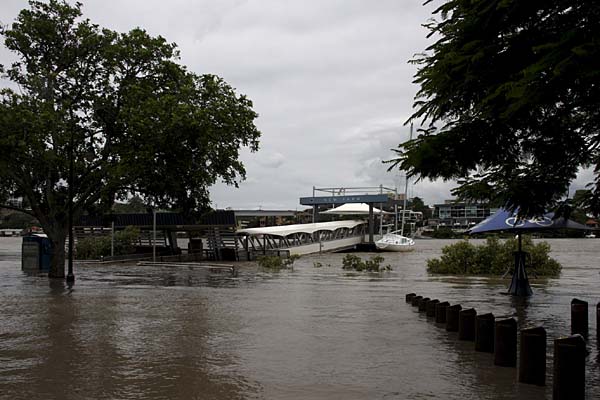 A flooded street with waterlogged buildings, showing how poor drainage worsens disasters. (Image: John Robert McPherson, CC0, via Wikimedia Commons)
Disaster Risk Reduction (DRR)
Disaster Risk Reduction (DRR) means taking steps before a disaster happens to reduce its impact. The goal is to save lives, reduce injuries, and protect property.
How Can We Reduce Disaster Risks?
- Prevention: Stop disasters from happening (e.g., building strong houses, planting trees to prevent landslides).
- Preparedness: Get ready for disasters (e.g., making emergency kits, practicing evacuation drills).
- Response: Act quickly during a disaster (e.g., calling for help, providing first aid).
- Recovery: Help people rebuild after a disaster (e.g., rebuilding homes, providing food and shelter).
Example: Earthquake Preparedness
- Prevention: Build earthquake-resistant buildings.
- Preparedness:
- Keep an emergency kit (food, water, first aid, flashlight).
- Know evacuation routes.
- Practice "Drop, Cover, and Hold On" drills.
- Response: Stay calm, help others, and follow safety instructions.
- Recovery: Rebuild homes and restore services.
Role of Communities in Disaster Risk Reduction
Communities play a big role in reducing disaster risks. Here’s how:
- Awareness Programs: Teach people about disaster risks and safety measures.
- Community Drills: Practice evacuations and emergency responses.
- Early Warning Systems: Use sirens, radios, or mobile alerts to warn people.
- Volunteer Groups: Train volunteers to help during disasters.
Example: Flood Preparedness in a Village
- Awareness: Hold meetings to teach people about flood risks.
- Drills: Practice evacuating to higher ground.
- Early Warnings: Use local radios or loudspeakers to alert people.
- Volunteers: Train local youth to help with rescues.
| Activity | Who Does It? | Benefit |
|---|---|---|
| Awareness Programs | School teachers | People know how to stay safe |
| Community Drills | Local leaders | Faster response during disasters |
| Early Warning Systems | Government/NGO | More time to evacuate |
| Volunteer Training | NGOs | Better rescue and relief efforts |
Common Disasters in Nepal and How to Prepare
Nepal is prone to several disasters due to its geography (mountains, rivers, and earthquakes). Here are some common ones and how to prepare:
| Disaster | Cause | How to Prepare |
|---|---|---|
| Earthquake | Tectonic plate movements | Build strong houses, practice drills |
| Flood | Heavy rain, melting snow | Stay away from riverbanks, have a boat |
| Landslide | Heavy rain, deforestation | Avoid steep slopes, plant trees |
| Avalanche | Snow buildup in mountains | Avoid hiking in risky areas, carry safety gear |
| Fire | Electrical faults, carelessness | Keep fire extinguishers, avoid overloading sockets |
Practical Steps for Students
Students can also take action to reduce disaster risks:
- At Home:
- Keep an emergency kit (food, water, first aid).
- Know evacuation routes.
- Practice fire drills.
- At School:
- Participate in disaster drills.
- Learn about local disaster risks.
- Share safety tips with friends and family.
- In the Community:
- Join local disaster preparedness groups.
- Help organize awareness programs.
- Volunteer to assist during disasters.
Exam Tip: How to Score Full Marks
The NEB exam on this topic usually tests your understanding of:
- Definitions: What is a disaster? What is disaster risk reduction?
- Types of Disasters: Natural vs. human-made disasters.
- Prevention and Preparedness: Steps to reduce risks.
- Community and Government Roles: Who does what in disaster management?
- Practical Examples: How would you prepare for a flood or earthquake?
Common Exam Questions and Answers:
Question 1: What are the differences between natural and human-made disasters? Give two examples of each. Answer:
| Natural Disasters | Human-Made Disasters |
|---|---|
| Caused by nature | Caused by human actions |
| Example: Earthquake | Example: Fire |
| Example: Flood | Example: Chemical spill |
Question 2: How can communities reduce the risk of landslides? Answer: Communities can reduce landslide risks by:
- Planting trees to hold the soil.
- Avoiding cutting down hillsides for construction.
- Building retaining walls.
- Practicing evacuation drills for landslide-prone areas.
Question 3: What should be included in an emergency kit? Explain why. Answer: An emergency kit should include:
- Food and water: To stay hydrated and energized.
- First aid kit: To treat minor injuries.
- Flashlight and batteries: For light during power cuts.
- Whistle: To signal for help.
- Important documents: Like ID cards and medical records.
- Cash: For emergencies when cards don’t work.
This note covers all key points from the syllabus, includes visuals for better understanding, and provides exam tips to help you score well. Practice the examples and remember to apply what you learn to real-life situations!
Based on the NEB +2 Science syllabus for Life Skill Education (LSE), unit 10.
Discussion
Loading…