Fundamentals of Organizational BehaviourUnit 812 min read
Power, Politics & Influence in Organizations: Types, Tactics & Ethics
Unit 8 of Fundamentals of Organizational Behaviour explores the dynamics of power and politics in workplaces, covering sources of power (French & Raven’s bases), political behaviors, influence tactics, and ethical dilemmas—with real-world Nepali/global case studies like Nabil Bank’s leadership conflicts and Daraz’s sup
Core Concepts: Power vs. Politics
1. Definitions
- Power: The ability to influence others to achieve desired outcomes, even in the face of resistance. It is a potential to affect behavior.
- Politics: The use of power to achieve personal or group goals, often through informal networks and alliances.
mindmap
  root((Power & Politics))
    Power
      Definition: Ability to influence
      Sources: French & Raven's 5 Bases
    Politics
      Definition: Use of power for personal/group goals
      Tactics: Coalition-building, persuasion, manipulation
    Key Difference
      Power: "Can do"
      Politics: "How it gets done"
Why it matters: Power shapes decisions (e.g., who gets promoted), while politics determines how those decisions are made. In Nepal’s civil service, for example, promotions often depend on political alliances rather than merit alone.
2. Sources of Power (French & Raven’s 5 Bases)
Power isn’t absolute—it stems from specific sources. The 5 bases of power explain why some employees or managers have more influence than others.
| Base of Power | Definition | Example in Nepal | Effectiveness |
|---|---|---|---|
| Legitimate | Authority from organizational position (e.g., manager, CEO). | A Daraz zone manager ordering a warehouse worker to prioritize a VIP order. | High (formal hierarchy) |
| Reward | Ability to give rewards (bonuses, promotions, praise). | Nabil Bank’s branch manager approving a loan officer’s bonus for meeting targets. | Moderate (depends on generosity) |
| Coercive | Ability to punish or withhold rewards (firing, demotions, criticism). | NTC threatening to suspend a low-performing employee. | Low (creates resentment) |
| Expert | Influence from specialized knowledge or skills. | A Himalayan Java agronomist advising farmers on coffee cultivation techniques. | High (trusted expertise) |
| Referent | Charisma or personal appeal (followed because of admiration). | A Pathao rider leading a team because of their motivational speeches. | Variable (depends on personality) |
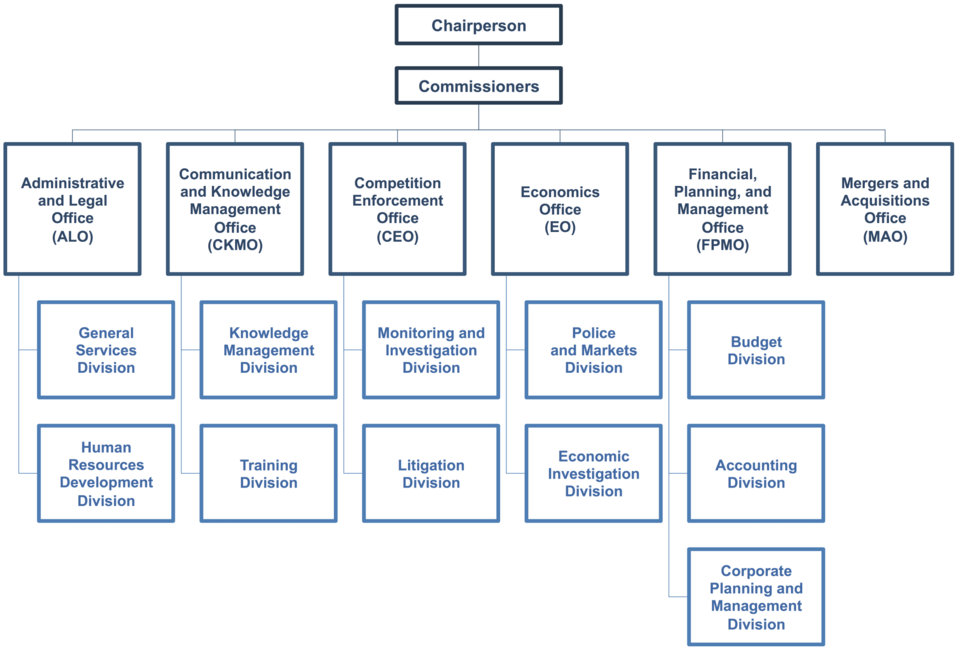 A typical Nepali company’s power structure (e.g., Chaudhary Group) (Image: Martintepongko, CC BY-SA 4.0, via Wikimedia Commons)
Worked Example: At Nepal Investment Bank, the Chief Risk Officer (CRO) holds expert power because of their financial modeling skills. However, the CEO has legitimate power to override the CRO’s decisions. If the CRO uses referent power (charisma) to build a coalition with other senior managers, they may influence the CEO indirectly.
3. Political Behaviors in Organizations
Politics isn’t always negative—it’s about navigating influence. Common political behaviors include:
flowchart TD
  A["Political Behaviors"] --> B["Coalition Building"]
  A --> C["Persuasion"]
  A --> D["Control of Information"]
  A --> E["Impression Management"]
  A --> F["Networking"]
  B --> B1["Forming alliances with influential peers"]
  C --> C1["Using logic, data, or emotional appeals"]
  D --> D1["Hiding or sharing info strategically"]
  E --> E1["Managing how others perceive you"]
  F --> F2["Building relationships across departments"]
Real-World Example: Daraz Supplier Negotiations
- Daraz sellers often build coalitions with other top sellers to lobby for better warehouse access.
- They control information by sharing positive reviews with Daraz’s customer service team to avoid order cancellations.
- Impression management: Sellers use professional photos and detailed product descriptions to appear more credible.
4. Influence Tactics
How do people actually use power? Kipnis’s Influence Tactics (1992) identifies 9 strategies:
| Tactic | Description | Example | Ethical Risk |
|---|---|---|---|
| Assertiveness | Direct requests or demands. | A manager telling a subordinate, “Submit the report by EOD.” | High (can be seen as bossy) |
| Ingratiation | Flattering or praising others. | A junior employee praising their boss’s leadership in a meeting. | Low (if genuine) |
| Exchange | Offering favors in return for cooperation. | A Daraz seller offering a discount to a warehouse manager in exchange for faster order processing. | Moderate (quid pro quo) |
| Coalition | Seeking support from others. | A group of Nabil Bank tellers pooling resources to push for better work conditions. | Low (collaborative) |
| Upward Appeal | Taking issues to higher authority. | An employee complaining to the CEO about a corrupt manager. | High (can backfire) |
| Rational Persuasion | Using logic/data to convince. | A Pathao rider showing data on fuel costs to negotiate better pay. | Low (professional) |
| Consultation | Involving others in decision-making. | A Chaudhary Group manager asking employees for input on a new policy. | Low (inclusive) |
| Pressure | Using deadlines or threats. | A supplier threatening to cancel an order if Daraz doesn’t reduce fees. | High (creates tension) |
| Legitimacy | Citing rules/policies. | An HR officer firing an employee for violating company policy. | Low (if policy is fair) |
Exam Tip: Memorize the most ethical (consultation, rational persuasion) vs. least ethical (pressure, coercion) tactics.
5. Power and Politics in Nepali Organizations
Case Study: Nabil Bank’s Leadership Conflict
Scenario: The CEO of Nabil Bank (legitimate power) wants to merge two branches to cut costs. The Branch Manager (expert power due to local knowledge) resists, arguing it will hurt customer trust.
Political Moves:
- The Branch Manager builds a coalition with other regional managers.
- They use rational persuasion, presenting customer feedback data showing the merger would reduce service quality.
- The CEO, lacking referent power, struggles to convince the board and uses legitimacy (citing corporate policy) to push through the merger.
Outcome: The merger happens, but the Branch Manager leaks negative press about the decision, damaging the bank’s reputation.
flowchart LR
  A["CEO: Legitimate Power"] -->|"Pushes merger"| B["Board: Legitimacy"]
  C["Branch Manager: Expert Power"] -->|"Coalition + Data"| B
  B -->|"Approves merger"| D["Merged Branch"]
  D -->|"Poor service"| E["Negative Press"]
Lesson: Power struggles often lead to unintended consequences (e.g., reputational damage).
6. Ethics of Power and Politics
Not all political behavior is unethical. The key is intent:
- Ethical Politics: Using influence to achieve organizational goals (e.g., a team leader negotiating better resources for their department).
- Unethical Politics: Manipulating for personal gain (e.g., a manager blocking a colleague’s promotion to keep their own status).
Red Flags of Unethical Politics:
- Gossip (spreading rumors to discredit others).
- Credit-taking (taking all the credit for a team’s success).
- Blame-shifting (avoiding responsibility for failures).
7. Managing Power and Politics
Organizations can minimize destructive politics by:
- Transparency: Clear communication of goals and decision-making processes.
- Fair Policies: Ensuring promotions/raises are merit-based (e.g., Nabil Bank’s performance-linked bonuses).
- Conflict Resolution Mechanisms: Mediation for disputes (e.g., Daraz’s seller grievance cells).
- Leadership by Example: Managers should avoid favoritism.
Real-World Example: Toyota’s "Respect for People" Principle Toyota’s culture discourages office politics by:
- Open-door policies (employees can approach managers directly).
- Kaizen (continuous improvement) teams where ideas are evaluated on merit, not hierarchy.
In the Real World
eSewa & Khalti (Digital Payments)
- Power: The CEO of eSewa holds legitimate and reward power (they control bonuses and company direction).
- Politics: When Khalti launched, eSewa used coalition-building (partnering with banks) to maintain dominance. Khalti countered with rational persuasion (highlighting lower transaction fees).
Pathao (Ride-Hailing)
- Expert Power: Pathao’s algorithm team influences driver pay rates based on demand data.
- Politics: Drivers form unions (coalitions) to negotiate better pay, sometimes using pressure tactics (threatening to switch to rival apps like Red).
NTC (Telecom Regulator)
- Coercive Power: NTC can suspend licenses (e.g., Ncell faced penalties for poor network quality).
- Politics: Telecom companies like Smart Telecom lobby NTC with ingratiation (donating to public causes) to avoid regulations.
Exam Tip: How This Unit is Tested
Definitions: Expect questions on power vs. politics, French & Raven’s bases, and Kipnis’s tactics.
- Example Question: "Differentiate between legitimate and expert power with a Nepali business example."
Case Studies: Always analyze who has power, what tactics are used, and ethical implications.
- Example Question: "A Daraz seller refuses to fulfill orders to pressure the company for better warehouse access. Identify the influence tactic and its ethical concerns."
Applications: Relate concepts to Nepali companies (Nabil Bank, Chaudhary Group) or global firms (Google’s flat hierarchy reduces coercive power).
- Example Question: "How does Google’s ‘flat structure’ reduce the need for coercive power?"
Diagrams: Be ready to draw:
- Power bases table.
- Influence tactics flowchart.
- Organizational politics case study (e.g., NTC vs. telecom companies).
Pro Tip: Use real examples in answers—examiners reward applied knowledge. For instance:
"In Pathao, drivers use coalition tactics by forming groups to negotiate with the company. This is ethical if their goal is better wages, but unethical if they threaten customers to achieve it."
Final Visual Summary:
mindmap
  root((Power & Politics in Organizations))
    Sources of Power
      Legitimate: Position-based
      Reward: Incentives
      Coercive: Punishments
      Expert: Knowledge
      Referent: Charisma
    Influence Tactics
      Ethical: Consultation, Rational Persuasion
      Unethical: Pressure, Blame-shifting
    Nepali Examples
      Nabil Bank: Legitimate vs. Expert Power
      Daraz: Coalition Building
      NTC: Coercive Power
    Managing Politics
      Transparency
      Fair Policies
      Conflict Resolution
Based on the PU BBA (PU) syllabus for Fundamentals of Organizational Behaviour, unit 8.
Discussion
Loading…