Applied ChemistryUnit 88 min read
Engineering Materials – Types, Properties, Selection & Applications
Unit 8 of Applied Chemistry: covers the classification of engineering materials (metals, polymers, ceramics, composites), their key mechanical, thermal, electrical and corrosion properties, manufacturing processes, testing, failure analysis, and material selection criteria with real‑world examples from Nepali and globa
Key points
- Engineering materials are classified into metals, polymers, ceramics, and composites, each with distinct crystal or molecular structures.
- Mechanical properties such as tensile strength, Young’s modulus, hardness, and toughness dictate a material’s suitability for load‑bearing applications.
- Thermal conductivity, expansion, and heat capacity determine performance in heat‑transfer and high‑temperature environments.
- Electrical conductivity and dielectric strength govern use in wiring, insulation, and electronic components.
- Corrosion resistance and protective coatings are critical for durability in aggressive environments.
- Material selection follows a systematic flowchart considering mechanical, thermal, electrical, cost, and environmental factors.
- Real‑world products (e.g., Ncell towers, Daraz packaging, NEPSE wiring) illustrate the application of these material concepts.
Introduction
Engineering materials are the building blocks of all engineered systems. They provide the necessary strength, stiffness, thermal stability, electrical conductivity, and durability required for structures, machines, and devices. Understanding their intrinsic properties and how they are processed into useful forms is essential for any engineer.
1. Classification of Engineering Materials
| Category | Typical Composition | Crystal / Molecular Structure | Representative Example |
|---|---|---|---|
| Metals | Pure metals or alloys (Fe, Cu, Al, Ti) | Metallic lattice (FCC, BCC, HCP) | Structural steel (FCC) |
| Polymers | Long-chain hydrocarbons | Amorphous or semi‑crystalline | PET bottle (semi‑crystalline) |
| Ceramics | Oxides, carbides, nitrides | Ionic/covalent lattice | Porcelain tile (oxide) |
| Composites | Reinforcing fibers + matrix | Fibers embedded in polymer | Carbon‑fiber reinforced polymer (CFRP) |
The FCC lattice, typical of many steels, provides high ductility and strength due to its close packing and multiple slip systems.
1.1 Metals
Metals exhibit metallic bonding, allowing free electrons to move, giving them high electrical and thermal conductivity. Their mechanical behavior is governed by dislocation motion in the crystal lattice. Common alloys (e.g., stainless steel, aluminum alloys) are engineered to balance strength, corrosion resistance, and formability.
1.2 Polymers
Polymers are covalently bonded chains. Thermoplastics can be melted and reshaped, while thermosets cure into a rigid network. Their low density and chemical resistance make them ideal for packaging, insulation, and lightweight structural components.
1.3 Ceramics
Ceramics are ionic or covalent solids with high melting points and brittleness. They excel in high‑temperature and wear‑resistant applications but require careful design to avoid catastrophic fracture.
1.4 Composites
Composites combine a high‑strength fiber (glass, carbon, aramid) with a polymer matrix. The fibers carry the load, while the matrix transfers stress and protects fibers from environmental damage. This synergy yields high specific strength and stiffness.
The alternating layers of carbon fibers embedded in epoxy matrix provide exceptional stiffness-to-weight ratio.
2. Mechanical Properties
| Property | Definition | Typical Value (Steel) | Typical Value (PET) | Typical Value (CFRP) |
|---|---|---|---|---|
| Tensile Strength | Maximum stress before failure | 400–550 MPa | 40–50 MPa | 1500–2000 MPa |
| Young’s Modulus | Stiffness (stress/strain) | 200 GPa | 2–3 GPa | 70–120 GPa |
| Hardness | Resistance to indentation | 200–300 HV | 30–40 HV | 200–300 HV |
| Ductility | Strain before fracture | 20–30% | 10–15% | 5–10% |
2.1 Worked Example – Required Cross‑Sectional Area of a Steel Rod
A steel rod (yield strength ) must support a tensile load of with a safety factor .
The allowable stress .
Required area .
Thus a rod with a diameter satisfies the load requirement.
2.2 Toughness and Hardness
Toughness (energy absorbed before fracture) is critical for impact resistance. Hardness tests (Vickers, Rockwell) provide a quick estimate of wear resistance. Polymers generally have lower hardness but can be toughened with additives.
3. Thermal Properties
| Property | Definition | Typical Value (Aluminum) | Typical Value (PET) |
|---|---|---|---|
| Thermal Conductivity | Heat flow per unit area | 237 W/m·K | 0.15 W/m·K |
| Coefficient of Thermal Expansion (CTE) | Length change per °C | 23 µm/m·K | 70 µm/m·K |
| Heat Capacity | Energy to raise temperature | 900 J/kg·K | 1900 J/kg·K |
3.1 Aluminum Heat Sink
Aluminum’s high thermal conductivity makes it ideal for dissipating heat from electronic components. A typical heat sink design uses fins to increase surface area, enhancing convective cooling.
The finned structure maximizes heat transfer to ambient air.
4. Electrical Properties
| Property | Definition | Typical Value (Copper) | Typical Value (PET) |
|---|---|---|---|
| Electrical Conductivity | Inverse of resistivity | ||
| Dielectric Strength | Voltage before breakdown | 10–15 kV/mm | 20–30 kV/mm |
Copper wiring is ubiquitous in power distribution (e.g., NEPSE transmission lines) due to its excellent conductivity and corrosion resistance.
5. Corrosion Resistance
Corrosion is the electrochemical degradation of metals. Protective strategies include:
- Alloying (e.g., adding chromium to steel → stainless steel).
- Coatings (epoxy, zinc plating).
- Cathodic protection (sacrificial anodes).
Chromium forms a passive oxide layer that protects the underlying steel.
6. Manufacturing Processes
| Process | Material | Key Feature |
|---|---|---|
| Casting | Metals, alloys | Low cost, complex shapes |
| Forging | Metals | Improved grain flow, strength |
| Extrusion | Polymers, metals | Continuous profile production |
| Additive Manufacturing | Metals, polymers, composites | Complex geometries, reduced waste |
| Composite Lay‑up | CFRP | Tailored fiber orientation |
Each process influences the final microstructure, thereby affecting mechanical and thermal properties.
7. Testing and Quality Assurance
- Standard tests: ASTM E8 (tensile), ASTM D638 (polymer tensile), ASTM C150 (cement).
- Non‑destructive testing: Ultrasonic, X‑ray, magnetic particle.
- Failure analysis: Fractography, metallography, chemical analysis.
8. Failure Analysis
Common failure modes:
- Fatigue: Repeated loading leads to crack initiation and growth.
- Fracture: Sudden failure under high stress.
- Wear: Material loss due to friction.
Case Study: A bridge in Kathmandu failed due to fatigue of steel girders caused by traffic vibrations. Detailed fracture analysis revealed micro‑cracks originating at weld defects.
9. Material Selection
Material selection is a systematic process balancing performance, cost, and environmental impact. The following flowchart illustrates the decision path.
10. Applications in Nepal and Worldwide
| Product | Material | Idea Used | How It Works |
|---|---|---|---|
| Ncell tower | Carbon‑fiber composite | Lightweight, high stiffness | Reduces foundation load and wind resistance |
| Daraz packaging | PET | Low density, barrier properties | Protects goods while minimizing shipping weight |
| NEPSE power lines | Copper | High conductivity | Efficient electricity transmission |
| Google data center | Aluminum heat sink | High thermal conductivity | Dissipates heat from servers |
In the real world
- Ncell Tower – The tower’s structural core is made from carbon‑fiber reinforced polymer. The high specific modulus (≈70 GPa) allows the tower to be 30% lighter than an equivalent steel structure, reducing foundation costs and improving wind stability.
- Daraz Packaging – PET bottles and cartons are used for packaging electronics. PET’s low permeability to gases protects sensitive components, while its recyclability aligns with sustainability goals.
- NEPSE Transmission Lines – Copper conductors with a diameter of 50 mm are used to transmit 400 kV. Copper’s conductivity (≈ S/m) ensures minimal resistive losses over long distances.
Exam tip
- Typical questions: Define engineering materials; compare metals, polymers, ceramics, composites; explain the role of crystal structure in mechanical properties; calculate required cross‑sectional area for a given load; discuss corrosion mechanisms and protective strategies.
- Answer strategy:
- State the definition or concept clearly.
- Provide a concise comparison table or diagram.
- Include a worked numerical example if requested.
- Conclude with a brief statement on applications or implications.
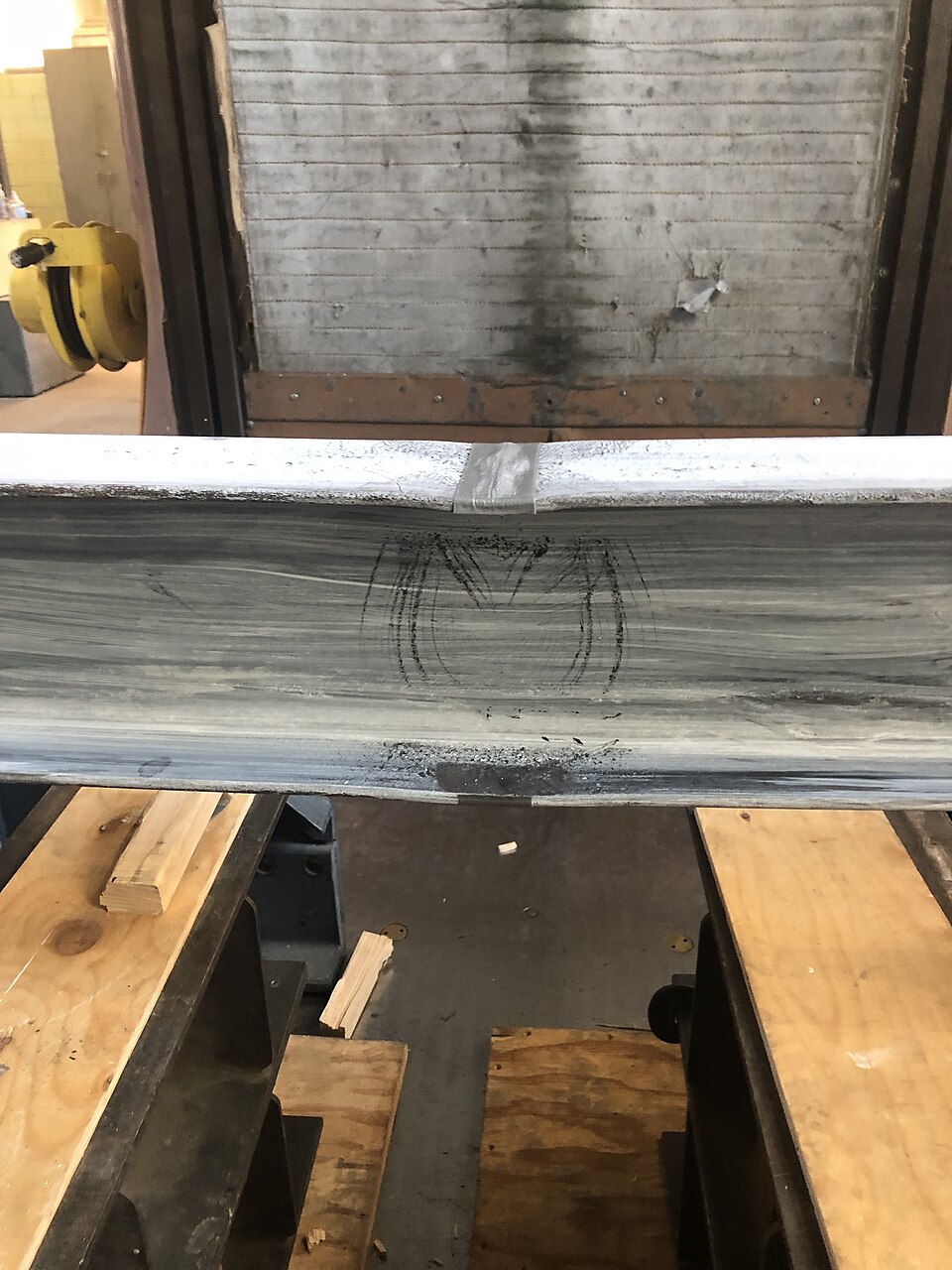 Structural steel beam used in bridge construction (Image: Scu ba, CC0, via Wikimedia Commons)
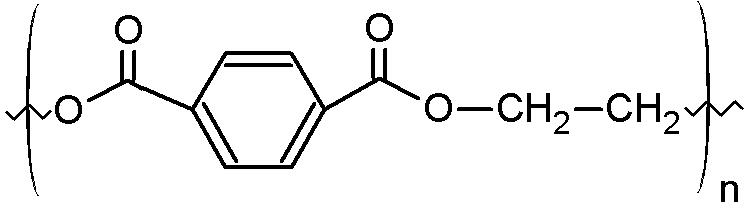 PET bottle used in packaging (Image: Public domain, via Wikimedia Commons)
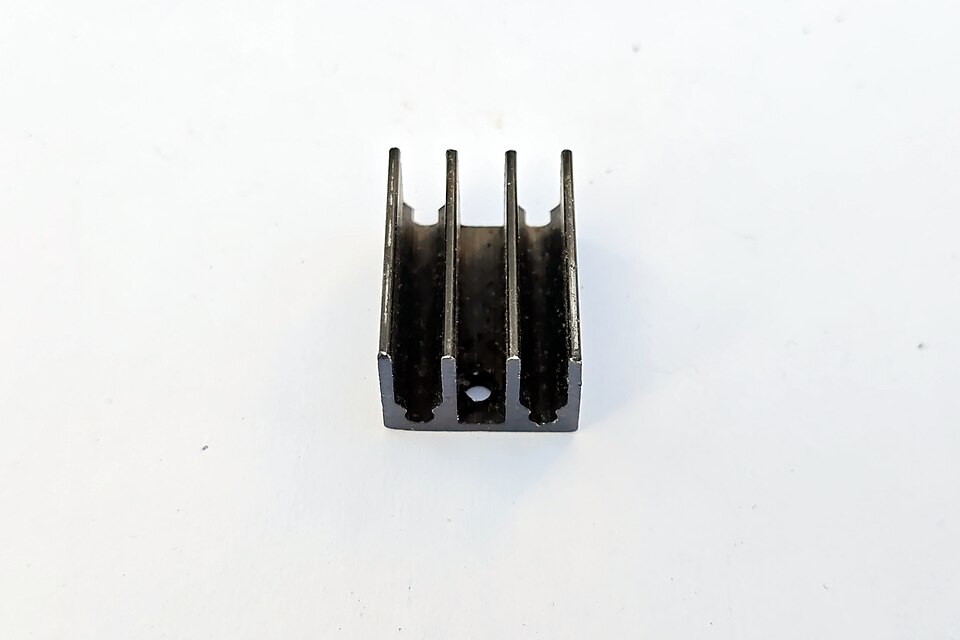 Aluminum heat sink in electronic device (Image: Suyash Dwivedi, CC BY-SA 4.0, via Wikimedia Commons)
Based on the PU BE Computer (PU) syllabus for Applied Chemistry (CHM110), unit 8.
Discussion
Loading…