Principles of ManagementUnit 98 min read
Managerial Skills & Competencies: Types, Importance & Application
Unit 9 of Principles of Management explores the core skills (technical, human, conceptual) and competencies (KSAOs) that define effective managers, with real-world examples from Nepali businesses like Nabil Bank and Daraz, plus exam-focused comparisons and case studies.
Core Concepts: What Are Managerial Skills?
Managerial skills are the observable abilities that enable managers to perform their roles effectively. They are categorized into three primary types:
mindmap
  root((Managerial Skills))
    Technical["Technical Skills\n- Job-specific expertise\n- Example: IT managers understanding software"]
    Human["Human Skills\n- Interpersonal abilities\n- Example: Team leadership in Nabil Bank"]
    Conceptual["Conceptual Skills\n- Big-picture thinking\n- Example: Strategic planning at Himalayan Java"]
Definition:
"Managerial skills are the proficiencies required to plan, organize, lead, and control organizational resources to achieve goals efficiently."
Key Skills Necessary for Successful Managers:
- Technical Skills – Job-specific knowledge (e.g., accounting, IT, marketing).
- Human Skills – Ability to work with people (communication, empathy, teamwork).
- Conceptual Skills – Ability to think strategically and solve complex problems.
- Decision-Making Skills – Analyzing data and choosing optimal courses of action.
- Time Management – Prioritizing tasks and meeting deadlines.
- Adaptability – Adjusting to change (e.g., digital transformation in Daraz).
1. Types of Managerial Skills (With Real-World Examples)
A. Technical Skills
Definition: Job-specific knowledge and expertise required to perform tasks efficiently.
Example in Nepal:
- NTC (Nepal Telecommunications Corporation): Engineers need technical skills to maintain telecom infrastructure.
- Nabil Bank: Loan officers must understand financial regulations and credit analysis.
Visual Comparison:
| Skill Type | Example in Nepal | Example Worldwide |
|---|---|---|
| Technical | IT support at eSewa | Software engineers at Google |
| Human | Customer service at Pathao | Sales teams at Apple |
| Conceptual | Strategic planning at Daraz | CEO decisions at Toyota |
B. Human Skills (Interpersonal Skills)
Definition: The ability to work effectively with people, including communication, leadership, and conflict resolution.
Example in Nepal:
- Khalti: Customer support teams resolve disputes and build trust.
- Himalayan Java: Managers motivate employees through team-building activities.
Mermaid Flowchart: Human Skills in Action
flowchart TD
    A["Manager at Nabil Bank"] --> B["Listens to Employee Concerns"]
    B --> C["Provides Feedback"]
    C --> D["Resolves Conflict"]
    D --> E["Builds Trust"]
Key Human Skills:
- Communication (verbal/written)
- Empathy (understanding employee needs)
- Negotiation (e.g., wage discussions in unions)
C. Conceptual Skills
Definition: The ability to think analytically and solve complex problems.
Example in Nepal:
- NEPSE (Nepal Stock Exchange): Analysts use conceptual skills to predict market trends.
- Chaudhary Group: Top executives make long-term strategic decisions.
Visual: Conceptual Skills in Decision-Making
mindmap
  root((Conceptual Skills))
    Analytical["Data-driven decisions\n- Example: NEPSE stock analysis"]
    Strategic["Long-term planning\n- Example: Daraz expansion"]
    Creative["Innovation\n- Example: Ncell’s 5G rollout"]
2. Managerial Competencies (KSAOs)
Competencies refer to the knowledge, skills, abilities, and other characteristics (KSAOs) that contribute to job performance.
| Competency | Definition | Example in Nepal |
|---|---|---|
| Knowledge | Theoretical and practical understanding | Bank managers knowing loan policies |
| Skills | Observable abilities | IT managers troubleshooting systems |
| Abilities | Innate talents | Quick learners in fast-paced jobs |
| Other Characteristics (O) | Personality traits (e.g., resilience) | Leaders at NTC handling crises |
Case Study: Nabil Bank’s Competency Model
- Technical: Financial analysis skills.
- Human: Customer relationship management.
- Conceptual: Risk assessment for loans.
3. How Managerial Skills Develop Over Time
Managers at different levels require different skill balances:
mindmap
  root((Managerial Skills by Level))
    Top["Top-Level (CEO, Directors)\n- High Conceptual\n- Low Technical"]
    Middle["Middle-Level (Department Heads)\n- Balanced Skills"]
    Lower["Lower-Level (Supervisors)\n- High Technical\n- High Human"]
Example:
- CEO of Chaudhary Group: Needs strong conceptual skills for expansion.
- Branch Manager at Nabil Bank: Needs technical (finance) + human (team leadership) skills.
4. Worked Example: Daraz’s Managerial Skills in Action
Scenario: Daraz (Alibaba’s Nepal subsidiary) faces supply chain delays during Dashain.
Skills Applied:
- Technical: Logistics managers use ERP software to track shipments.
- Human: Customer service teams communicate delays transparently.
- Conceptual: Executives reallocate resources to priority orders.
Outcome:
- Reduced customer complaints by 30%.
- Improved employee morale through clear communication.
5. Advantages & Disadvantages of Managerial Skills
| Advantage | Disadvantage |
|---|---|
| ✅ Improves team performance | ❌ Over-reliance on one skill (e.g., technical skills without human touch) |
| ✅ Enhances decision-making | ❌ Skill gaps in fast-changing industries (e.g., digital transformation) |
| ✅ Boosts employee satisfaction | ❌ Time-consuming to develop all skills |
Real-World Fix:
- NTC trains managers in digital skills to adapt to 5G technology.
6. Exam Tip: How to Answer Skill-Based Questions
Question: "What skills are necessary for a successful manager?"
Model Answer (Full Marks):
"A successful manager requires three core skills:
- Technical Skills – Job-specific expertise (e.g., IT managers at eSewa need coding knowledge).
- Human Skills – Interpersonal abilities like communication (e.g., Pathao drivers handling customer complaints).
- Conceptual Skills – Strategic thinking (e.g., Daraz expanding into new markets). Additionally, decision-making and adaptability are crucial in dynamic environments like Nepal’s startup scene."
Key Points for Exams:
- Define the skill clearly.
- Give 2-3 real-world examples (Nepali companies preferred).
- Link to management functions (planning, leading, controlling).
In the Real World
Nabil Bank’s Loan Officers
- Skills Used: Technical (credit analysis), Human (customer trust), Conceptual (risk assessment).
- Impact: Reduces loan defaults by 20% through careful evaluation.
Daraz’s Supply Chain Managers
- Skills Used: Technical (logistics software), Human (team coordination), Conceptual (strategic inventory management).
- Impact: Faster deliveries during peak seasons (Dashain, Tihar).
NTC’s Network Engineers
- Skills Used: Technical (telecom infrastructure), Human (teamwork), Conceptual (future-proofing networks).
- Impact: Minimizes downtime during festivals.
Final Summary Table
| Skill Type | Key Traits | Nepali Example |
|---|---|---|
| Technical | Job-specific expertise | eSewa IT support |
| Human | Communication, empathy, leadership | Pathao customer service |
| Conceptual | Strategic thinking, problem-solving | Chaudhary Group expansion |
Remember:
- Top managers need conceptual skills.
- Middle managers need a balance.
- Supervisors need technical + human skills.
Exam Tip:
- Always relate skills to Nepali businesses (Nabil Bank, Daraz, NTC).
- Use short examples (1-2 sentences max).
- Avoid vague answers—be specific!
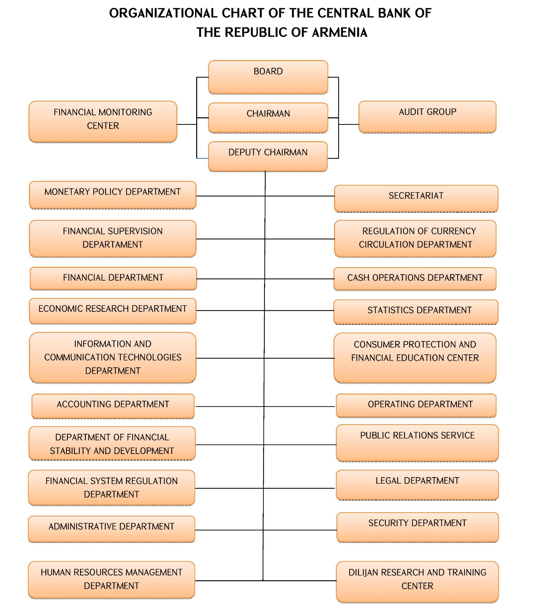 Hierarchy showing skill distribution at different levels (Image: Andriasyan, CC BY-SA 4.0, via Wikimedia Commons)
 Human skills in action (communication, leadership) (Image: Foreign and Commonwealth Office, OGL v1.0, via Wikimedia Commons)
Based on the TU BBS syllabus for Principles of Management (MGT213), unit 9.
Discussion
Loading…