Food Production And Patisserie IUnit 712 min read
Fats & Cooking Mediums: Types, Roles & Smart Applications
Unit 7 of Food Production And Patisserie I explores the science of fats (animal/plant), cooking mediums (water/oil), their chemical behavior under heat, and how they transform texture/flavor—with real-world examples from Nepali and global kitchens, plus exam-focused techniques.
TAKEAWAYS:
- Fats are emulsifiers, flavor carriers, and heat conductors—their smoke point determines cooking method suitability (e.g., ghee for high-heat searing, olive oil for low-heat sautéing).
- Dry-heat methods (grilling, frying) rely on fat’s ability to transfer heat rapidly, while moist-heat methods (boiling, steaming) preserve nutrients but alter texture.
- Nepali staples (jaggery, mustard oil) and global trends (avocado oil, coconut fat) highlight cultural adaptations of fat types for health and taste.
- Induction cooking uses magnetic fields (not fat) but still depends on fat’s heat retention for even browning—critical for patisserie.
- Nutrient loss during cooking is minimized by choosing the right fat (e.g., butter for vitamins A/D, olive oil for antioxidants) and controlling heat exposure.
- Exam focus: Link fat types to cooking techniques (e.g., "ghee for tarkari" or "avocado oil for salad dressings") and explain texture changes (e.g., why frying makes dough crispy via Maillard reaction).
1. What Are Fats? Chemical Roles in Cooking
Fats are triglycerides—molecules of glycerol + 3 fatty acids. Their saturation level (saturated/unsaturated) dictates:
- Smoke point: Temperature at which fat breaks down into harmful compounds.
- Flavor profile: Saturated fats (ghee, lard) add richness; unsaturated (olive oil) impart fruity notes.
- Health impact: Trans fats (hydrogenated oils) are banned in Nepal; monounsaturated (olive oil) are heart-healthy.
classDiagram
class Fat {
+Smoke Point (°C)
+Saturation Level
+Flavor Impact
+Health Rating
}
class SaturatedFat {
+High Smoke Point
+Rich Flavor
+Solid at Room Temp
}
class UnsaturatedFat {
+Lower Smoke Point
+Light Flavor
+Liquid at Room Temp
}
Fat <|-- SaturatedFat
Fat <|-- UnsaturatedFat
note for Fat "Examples: Ghee, Butter\nOlive Oil, Avocado Oil"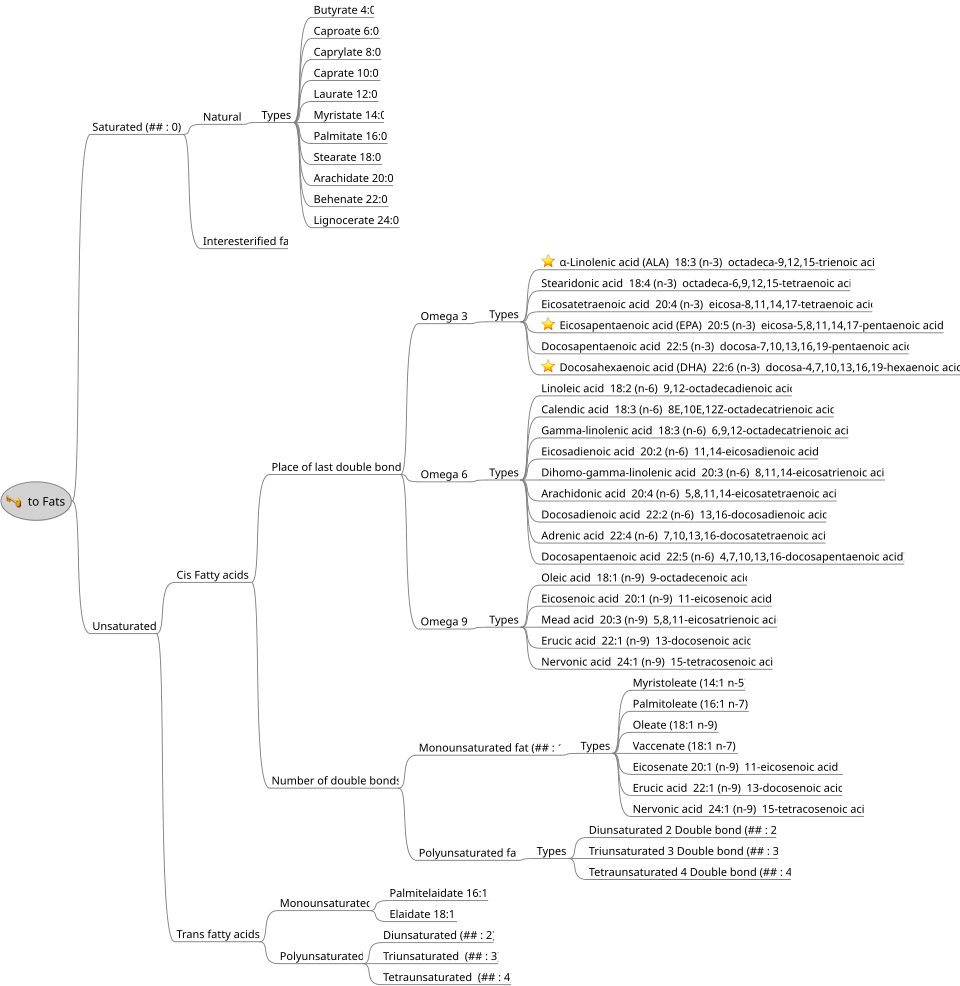 Saturated vs. unsaturated fats with examples (ghee, olive oil, coconut fat) (Image: Nevit Dilmen, CC BY-SA 3.0, via Wikimedia Commons)
Why it matters: The fat you choose directly affects whether your sel roti crisps or your dal bhat burns.
Saturated vs. unsaturated fats with examples (ghee, olive oil, coconut fat) (Image: Nevit Dilmen, CC BY-SA 3.0, via Wikimedia Commons)
Why it matters: The fat you choose directly affects whether your sel roti crisps or your dal bhat burns.
2. Cooking Mediums: Fat vs. Water
Cooking mediums transfer heat to food. Fat-based methods (frying, sautéing) create crispy textures via:
- Maillard reaction: Amino acids + sugars brown at 140–165°C (e.g., chura frying).
- Fat encapsulation: Traps moisture (e.g., pakora batter stays crispy outside, soft inside).
Water-based methods (boiling, steaming) preserve nutrients but can leach vitamins (e.g., B vitamins in dal).
| Medium | Heat Transfer | Texture Effect | Nutrient Loss | Example Dish |
|---|---|---|---|---|
| Ghee | Dry heat (conduction) | Deep golden-brown crust | Minimal | Tarkari, mo:mo |
| Olive Oil | Dry heat (radiation) | Light crispness | Low (antioxidants preserved) | Greek salad, sambar |
| Water | Moist heat (convection) | Soft, mushy (if overcooked) | High (B vitamins) | Dal, vegetable soup |
| Steam | Moist heat (conduction) | Retains shape, tender | Very low | Dum aloo, dim sum |
Key insight: Ghee’s high smoke point (235°C) makes it ideal for tandoori cooking, while water’s boiling point (100°C) limits it to soups.
3. Fat Types: Nepali vs. Global Kitchens
A. Animal Fats (Traditional & Modern)
| Fat | Source | Smoke Point | Culinary Use | Health Note |
|---|---|---|---|---|
| Ghee | Clarified butter | 235°C | Tarkari, paratha, desserts | Rich in butyrate (gut health) |
| Mustard Oil | Mustard seeds | 210°C | Dal tadka, fish curry (Nepal) | High in erucic acid (controversial) |
| Lard | Pork fat | 190°C | Pastries, fried snacks (global) | High in saturated fat |
| Butter | Cow/milk fat | 160°C | Baking, grilling | Contains lactose (not vegan) |
Real-world tie: Nepal’s NTC uses ghee in sel roti stalls—its high smoke point prevents burning during mass production.
B. Plant-Based Fats (Trendy & Functional)
| Fat | Source | Smoke Point | Culinary Use | Health Note |
|---|---|---|---|---|
| Olive Oil | Olives | 190°C (extra virgin) | Salads, drizzling (global) | High in oleic acid (heart-healthy) |
| Coconut Oil | Coconut meat | 177°C | Curries, baking (Nepal/India) | Medium-chain triglycerides (MCTs) |
| Avocado Oil | Avocado pulp | 270°C | High-heat frying (modern) | Rich in vitamin E |
| Palm Oil | Palm fruit | 204°C | Instant noodles, snacks (industrial) | Linked to deforestation (banned in EU) |
Exam tip: Avocado oil’s high smoke point makes it a favorite in Pathao’s cloud kitchen for frying momos at scale.
4. How Heat Transforms Food: A Scientific Trace
When fat heats up, it:
- Conducts heat to food’s surface (e.g., chura frying in ghee).
- Triggers Maillard reaction (browning + flavor, e.g., tarkari caramelization).
- Encapsulates moisture (e.g., pakora stays crispy).
Worked Example: Why Does Dal Burn in Mustard Oil?
- Mustard oil’s smoke point (210°C) is lower than ghee’s (235°C).
- If heated beyond 210°C, it releases acrolein (toxic compound) and burns dal’s proteins.
- Solution: Use low-medium heat or switch to coconut oil (smoke point 177°C, but less pungent).
timeline
title Heat Transfer in Frying (e.g., Pakora)
2023-01-01 : Oil heated to 180°C (below smoke point)
2023-01-02 : Batter submerged → fat conducts heat to surface
2023-01-03 : Maillard reaction starts (140–165°C) → golden crust
2023-01-04 : Internal temp reaches 70°C → proteins coagulate (soft inside)
2023-01-05 : Remove from oil → fat encapsulation locks in moisture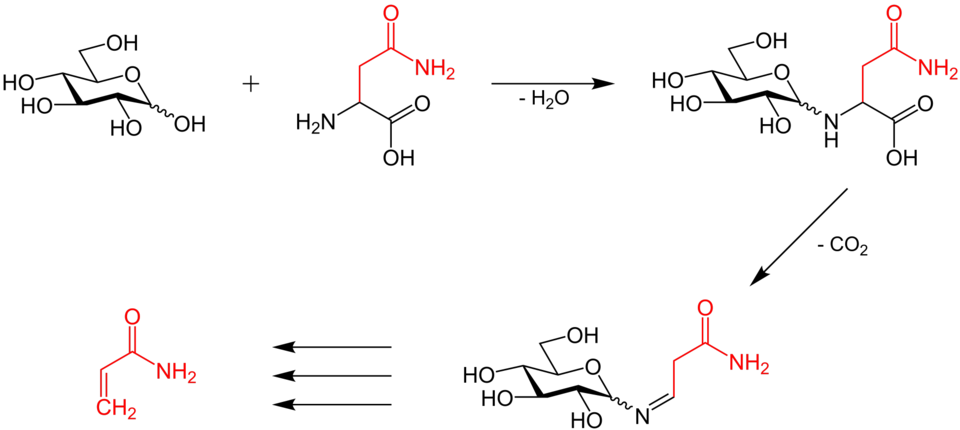 Chemical pathways showing amino acids + sugars → browned crust (Image: Public domain, via Wikimedia Commons)
Real-world link: Daraz’s kitchen partners use avocado oil for frying to avoid burning and meet food safety standards.
Chemical pathways showing amino acids + sugars → browned crust (Image: Public domain, via Wikimedia Commons)
Real-world link: Daraz’s kitchen partners use avocado oil for frying to avoid burning and meet food safety standards.
5. Controlling Texture, Flavor, and Nutrient Loss
| Factor | Control Method | Example | Why It Works |
|---|---|---|---|
| Texture | Fat type + heat level | Use ghee for crispy chura (high heat) | Ghee’s high smoke point prevents burning. |
| Flavor | Infused oils (e.g., garlic oil) | Garlic naan fried in infused ghee | Aromatic compounds dissolve in fat. |
| Nutrient Loss | Short cooking time + fat choice | Steam gundruk (minimal loss) vs. fry pakora (some loss) | Water-soluble vitamins leach in water. |
Exam tip: Steaming preserves 90% of nutrients—useful for dum aloo or vegetable soups.
6. Special Techniques Using Fats
A. Infused Oils (Flavor Boosters)
- Method: Heat oil with spices (e.g., mustard seeds, cumin) until fragrant, then strain.
- Example: Mustard oil tadka for dal or garlic oil for pizza.
- Why? Spices release volatile oils that dissolve in fat, enhancing flavor.
Real-world use: Khalti’s food delivery partners use infused oils to keep dishes flavorful during transit.
B. Clarified Butter (Ghee) for High-Heat Cooking
- Process: Simmer butter to remove water/milk solids → pure fat.
- Advantage: No burning, longer shelf life.
- Nepali use: Tarkari, paratha, desserts like ladoo.
Exam link: Ghee’s lactose-free nature makes it safe for lactose-intolerant guests.
C. Induction Cooking (Fat-Independent Heat)
- How it works: Magnetic field heats ferromagnetic pans (no open flame/fat needed).
- Fat’s role: Still used for searing (e.g., steak) or browning (e.g., toast).
- Nepal trend: Modern hotels (e.g., Dwarika’s Hotel) use induction for precise temperature control.
Worked example: NTC’s mobile kitchens use induction to fry sel roti without open flames, improving safety.
7. Fat in Nepali Cuisine: Jaggery and Beyond
Jaggery (Gur): Unrefined sugar made from palm sap.
- Uses:
- Sweetener: Chiya (tea), ladoo.
- Cooking medium: Gundruk fry (jaggery + oil caramelizes).
- Preservative: Dahi (yogurt) mixed with jaggery lasts longer.
- Why? High mineral content (iron, zinc) and lower glycemic index than white sugar.
Real-world tie: Nepal’s NEPSE-listed companies (e.g., Rasuwagadi) export jaggery globally for its health benefits.
## In the Real World
Khalti’s Food Delivery
- Idea Used: Infused oils (e.g., garlic-mustard oil) are prepped in bulk to maintain flavor during delivery.
- How? Oils are vacuum-sealed and reheated to 120°C before use to kill bacteria.
Pathao’s Cloud Kitchen
- Idea Used: Avocado oil (smoke point 270°C) for frying momos at high volumes without burning.
- Why? Prevents acrolein formation (toxic compound) in mass cooking.
NTC’s Sel Roti Stalls
- Idea Used: Ghee’s high smoke point (235°C) allows continuous frying of sel roti without oil breakdown.
- Efficiency: One pot of ghee can fry 50+ rotis before needing replacement.
Nepalese Banks’ Catering
- Idea Used: Coconut oil for dal bhat in corporate events (cheaper than ghee, stable at room temp).
- Health Compliance: Meets Nepal Food Safety Act 2019 standards for saturated fat limits.
## Exam Tip
Link fat types to dishes:
- "Ghee is used in tarkari because its high smoke point (235°C) prevents burning during long cooking."
- "Olive oil is ideal for salads due to its low smoke point (190°C) and antioxidant properties."
Explain texture changes scientifically:
- "Frying pakora in mustard oil creates a crispy exterior via the Maillard reaction (140–165°C), while the interior remains soft due to fat encapsulation."
Compare Nepali vs. global fats:
- "Mustard oil is traditional in Nepal for dal tadka, while avocado oil is preferred in modern restaurants for high-heat frying."
Calculate nutrient loss (if asked):
- "Boiling dal in water loses 30% of B vitamins, but steaming retains 90%."
Induction cooking:
- "Induction cooktops use magnetic fields to heat pans directly—fat is still used for searing but not for conduction."
## Quick Revision Table
| Concept | Key Point | Exam Example |
|---|---|---|
| Smoke Point | Temp where fat breaks down | "Ghee’s smoke point is 235°C, suitable for tarkari." |
| Maillard Reaction | Browning + flavor at 140–165°C | "Frying chura in ghee develops a golden crust." |
| Fat Encapsulation | Fat locks in moisture | "Pakora stays crispy outside, soft inside." |
| Nutrient Loss | Water-based > fat-based methods | "Steaming gundruk preserves more vitamins than frying." |
| Infused Oils | Spices dissolve in fat for flavor | "Garlic oil enhances pizza taste." |
| Induction Cooking | Magnetic heat (no fat needed for conduction) | "Hotels use induction for precise paratha cooking." |
## Practice Questions (Self-Check)
- Why does dal burn faster in mustard oil than in ghee? (Answer: Mustard oil’s smoke point is 210°C vs. ghee’s 235°C.)
- How does coconut oil’s smoke point (177°C) affect its use in curries? (Answer: Safe for medium-heat cooking like dal, but not high-heat frying.)
- Name two Nepali dishes where jaggery is used as a cooking medium. (Answer: Gundruk fry, ladoo.)
- Explain why steaming is better than frying for vegetable soups. (Answer: Minimizes nutrient loss—water-soluble vitamins leach in frying.)
- How does induction cooking reduce fat usage in commercial kitchens? (Answer: Direct pan heating means less oil needed for conduction.)
Based on the TU BHM syllabus for Food Production And Patisserie I (BHM151), unit 7.
Discussion
Loading…