Fundamentals of TourismUnit 211 min read
Tourism’s Roots: Ancient Pilgrims to Modern Travel
Unit 2 of Fundamentals of Tourism traces the history and evolution of tourism from ancient pilgrimages to modern mass travel, analyzing key eras (prehistoric, ancient, medieval, industrial, and contemporary), the role of technology, and how tourism transformed into a global industry. It also explores the impact of wars
TAKEAWAYS:
- Tourism began as pilgrimage and trade in ancient civilizations (Egypt, Greece, Rome) before evolving into leisure travel in the 19th century.
- The Industrial Revolution (1800s) democratized travel with railroads, steamships, and paid vacations, creating mass tourism.
- Technology (airplanes, internet, smartphones) and globalization (UNWTO, e-visas) reshaped tourism into a $9 trillion industry today.
- Wars and pandemics (WWII, COVID-19) disrupted travel but also spurred innovation (e.g., virtual tourism, medical tourism).
- Cultural exchange (e.g., Grand Tour, backpacking) and economic motives (colonialism, trade) drove tourism’s growth.
- Sustainable tourism emerged as a response to over-tourism, balancing economic, social, and environmental impacts.
1. Prehistoric and Ancient Tourism (Before 500 CE)
Tourism’s earliest forms were pilgrimage, trade, and exploration, driven by religion, curiosity, and survival.
Key Drivers of Early Tourism
- Religious Pilgrimages: Travel to sacred sites (e.g., Mecca, Varanasi) for spiritual fulfillment.
- Example: The Kaaba pilgrimage (Hajj) in Mecca attracted travelers as early as 1500 BCE.
- Trade Routes: Silk Road (China to Mediterranean), Spice Routes (India to Europe) connected cultures and economies.
- Example: Roman merchants traveled to Egypt for papyrus and obelisks, while Greek philosophers (e.g., Aristotle) studied in Alexandria.
- Curiosity and Exploration: Early "tourists" like Herodotus (Greek historian) traveled to document cultures.
Ancient Tourism Infrastructure
Ancient civilizations built roads, inns, and guides to support travelers:
- Roman Empire: Built 300,000 km of roads (Appian Way) and thermae (public baths) for travelers.
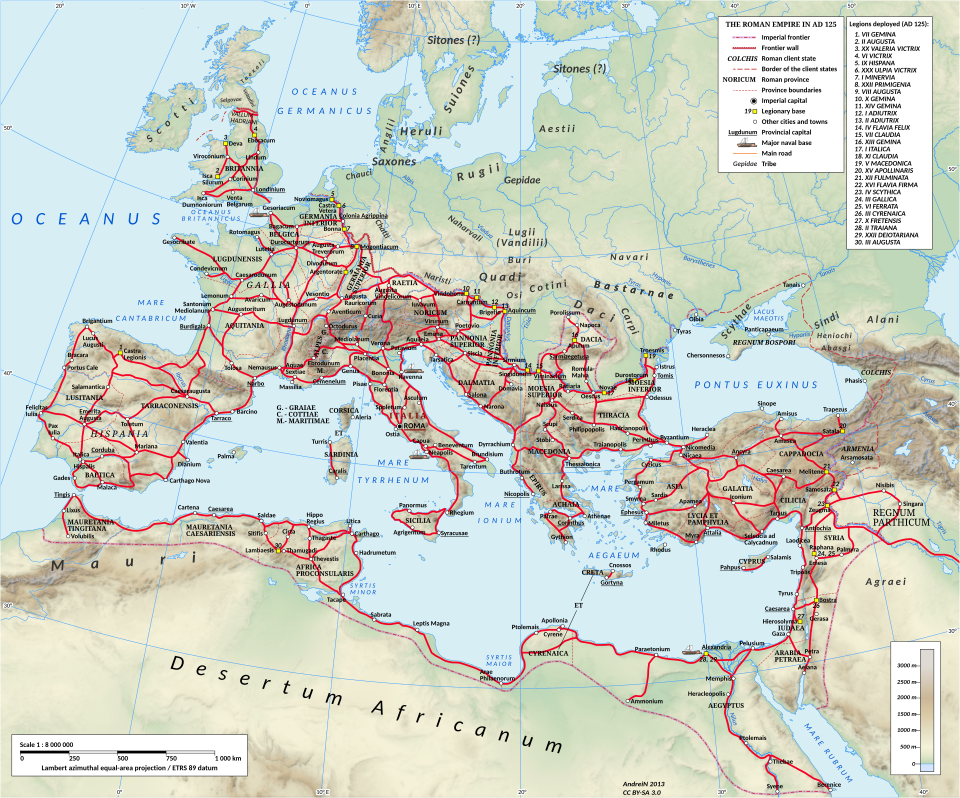 Roman roads connected Europe, enabling trade and pilgrimage. (Image: DS28, CC BY-SA 4.0, via Wikimedia Commons)
 - Greek "Grand Tours": Wealthy Greeks traveled to Olympia (games), Delphi (oracle), and Egypt (pyramids).
- Chinese Tourism: The Silk Road (200 BCE–1400 CE) linked China to the West, with caravanserais (inns) for travelers.
Worked Example: The Grand Tour (17th–18th Century)
Wealthy European aristocrats undertook a 18-month educational journey to Italy, Greece, and France to:
- Study classical art and architecture.
- Learn languages and diplomacy.
- Gain social status.
- Real-world link: Today, study abroad programs (e.g., students in Italy for art history) mirror this tradition.
2. Medieval Tourism (500–1500 CE): Pilgrimage and Feudal Travel
The Middle Ages saw tourism dominated by religious pilgrimages and limited leisure travel.
Key Developments
- Christian Pilgrimages:
- Santiago de Compostela (Spain): Pilgrims walked the Camino de Santiago for forgiveness.
- Jerusalem: Crusaders and pilgrims traveled to holy sites.
- Fairs and Festivals: Medieval Europe hosted trade fairs (e.g., Champagne Fairs in France) where merchants and tourists mingled.
- Limited Leisure Travel: Nobles hunted or attended tournaments; commoners rarely traveled for pleasure.
Infrastructure for Medieval Travelers
- Monasteries and Inns: Pilgrims stayed in monasteries (e.g., Cluny Abbey) or hostels along routes.
- Guides and Maps: Pilgrim guides (e.g., Mirabilia Urbis Romae) described routes to Rome.
Disadvantages of Medieval Travel
- Dangerous Routes: Bandits, diseases (plague), and poor roads made travel risky.
- Expensive: Only the wealthy could afford horses, guides, and donations.
- Slow: A pilgrimage to Santiago could take months on foot.
3. The Birth of Modern Tourism (16th–19th Century)
The Renaissance and Industrial Revolution transformed tourism into a mass phenomenon.
Key Innovations
| Era | Innovation | Impact on Tourism |
|---|---|---|
| Renaissance | Printing press (1450) | Cheaper guidebooks (e.g., Baedeker’s) |
| 18th Century | Grand Tour (Europe) | Elite education + leisure travel |
| 19th Century | Industrial Revolution | Trains, steamships, paid vacations |
| 1841 | Thomas Cook’s Package Tour | First group tour (900 people to Loughborough) |
The Industrial Revolution’s Role
- Railways (1825–1900): Trains reduced travel time (e.g., London to Edinburgh from 6 days to 10 hours).
- Steamships: Ocean travel became safer (e.g., Cunard Line, 1840).
- Paid Vacations: The British Bank Holiday Act (1871) gave workers weekly leave, boosting domestic tourism.
- Hotels and Resorts: Grand hotels (e.g., Savoy Hotel, London) catered to tourists.
Worked Example: Thomas Cook’s Impact
Thomas Cook (1808–1892) revolutionized tourism by:
- Organizing group tours (e.g., 1841 Loughborough tour).
- Selling rail tickets in bulk (cheaper fares).
- Creating package holidays (e.g., 1863 tour to Egypt).
- Real-world link: Today, online travel agencies (OTAs) like Daraz Travel or eSewa’s tour packages follow Cook’s model.
4. Mass Tourism and the 20th Century (1900–2000)
The 20th century saw jet travel, airlines, and globalization turn tourism into a global industry.
Key Milestones
- 1903: Wright Brothers’ flight → Later, commercial aviation (1919, Boeing).
- 1958: Jet Age begins (Boeing 707) → Cheaper, faster flights.
- 1970s: Package holidays (e.g., Club Med, Thomas Cook) popularized beach resorts.
- 1990s: Internet revolution → Online bookings (e.g., Expedia, 1996).
Impact of Wars and Crises
| Event | Effect on Tourism |
|---|---|
| World War I (1914–1918) | Travel restrictions; hotels repurposed as hospitals. |
| World War II (1939–1945) | Tourism collapsed; post-war, UNWTO (1975) formed to revive it. |
| Oil Crisis (1973) | Skyrocketing fuel prices → Fewer flights. |
| COVID-19 (2020) | Global lockdowns; rise of virtual tourism. |
Worked Example: Post-WWII Tourism Boom
After WWII, economic recovery and new technologies led to:
- Jet travel (e.g., Pan Am’s Boeing 747, 1970) → Transatlantic flights in 7 hours.
- Credit cards (1950s) → Easier payments (e.g., American Express).
- Disneyland (1955) → First theme park, creating leisure tourism.
- Real-world link: Nepal’s tourism growth post-1990s (peace, trekking boom) mirrors this pattern.
5. Contemporary Tourism (2000–Present): Digital and Sustainable Travel
Today, tourism is tech-driven, diverse, and challenged by sustainability.
Key Trends
- Digital Transformation:
- Online bookings: Booking.com, Airbnb, Agoda.
- Social media: Instagram (#TravelNepal) drives destinations like Pokhara.
- Virtual tourism: Google Arts & Culture offers 3D museum tours.
- Niche Tourism:
- Medical tourism (e.g., India for surgeries, Thailand for dentistry).
- Eco-tourism (e.g., Chitwan National Park, Nepal).
- Space tourism (e.g., Blue Origin, Virgin Galactic).
- Sustainable Tourism:
- UNWTO’s 2030 Agenda: Reduce over-tourism (e.g., Venice’s cruise ship ban).
- Green hotels: LEED-certified (e.g., The Oberoi, Nepal).
Worked Example: Nepal’s Tourism Evolution
Nepal’s tourism grew in phases:
- 1950s–1970s: Trekking boom (Himalayan peaks, Annapurna Circuit).
- 1990s: Peace after civil war → More foreign visitors.
- 2020s: Digital nomads (remote workers in Thamel, Kathmandu) and sustainable homestays (e.g., Pokhara’s Annapurna region).
6. Factors Shaping Tourism’s Evolution
Tourism has been influenced by economic, social, and technological forces:
## In the Real World
eSewa and Khalti (Nepal)
- Idea Used: Digital payments for tourism
- How: Before eSewa (2015), tourists paid for trekking permits in cash. Now, online bookings and QR payments (e.g., Sagarmatha National Park entry) streamline transactions, reducing queues at Lukla Airport.
Pathao and Uber (Global)
- Idea Used: Transportation innovation
- How: In Kathmandu, Pathao’s ride-hailing app replaced chaotic taxi bargaining. Similarly, Uber in Bali uses dynamic pricing (like 19th-century stagecoach fares) to manage traffic during peak tourist seasons.
Daraz and Amazon (E-commerce Tourism)
- Idea Used: Package tourism as a service
- How: Daraz’s "Daraz Travel" (like Amazon’s "Amazon Travel") bundles flights, hotels, and activities (e.g., Pokhara lakeside stay + paragliding). This mirrors Thomas Cook’s 19th-century model but with AI recommendations.
## Exam Tip
This unit is heavily tested on:
- Chronology: Know the eras (ancient, medieval, industrial, modern) and key dates (e.g., 1841 Cook’s tour, 1958 jet age).
- Definitions: Differentiate pilgrimage tourism, leisure tourism, and business tourism.
- Case Studies: Be ready for Nepal-specific examples (e.g., Annapurna Circuit’s evolution, post-earthquake tourism recovery).
- Diagrams: Expect timelines (e.g., tourism growth in Nepal) or comparison tables (e.g., medieval vs. modern travel).
- Critical Thinking: Analyze impacts (e.g., "How did WWII affect European tourism?" or "Why is Venice banning cruise ships?").
Common Exam Questions:
- "Trace the evolution of tourism from ancient pilgrimages to the digital age."
- "Compare medieval and modern tourism infrastructure."
- "How did the Industrial Revolution change travel patterns?"
- "Discuss the role of technology in contemporary tourism with examples from Nepal."
Scoring Full Marks:
- Use dates, names (Thomas Cook, UNWTO), and real examples.
- Link Nepal’s tourism to global trends (e.g., "Like Bali, Pokhara faces over-tourism").
- Draw timelines or flowcharts (e.g., factors affecting tourism growth).
Based on the TU BHM syllabus for Fundamentals of Tourism (BHM331), unit 2.
Discussion
Loading…