Entrepreneurship for HospitalityUnit 108 min read
Growth & Innovation in Hospitality: Strategies, Models & Real Cases
Unit 10 of Entrepreneurship for Hospitality explores how small hospitality businesses scale sustainably through innovation, expansion strategies, and adaptive management—with Nepali and global case studies like Himalayan Java and Marriott’s franchise model.
Key Concepts & Growth Strategies
1. Definitions
- Growth: Expansion of a business in terms of revenue, market share, customer base, or operational capacity (e.g., opening new outlets, increasing room inventory).
- Innovation: Introducing new products, processes, or business models to improve efficiency, customer experience, or competitiveness.
- Example: Khalti’s QR payments revolutionized digital transactions in Nepal by replacing cash.
2. Types of Growth
Hospitality businesses grow through organic (internal) or inorganic (external) methods. Use this table to compare:
| Type | Definition | Example (Nepal/Hospitality) | Pros | Cons |
|---|---|---|---|---|
| Organic Growth | Expansion using internal resources. | Himalayan Java expanding to 50+ outlets. | Low risk, builds brand loyalty. | Slow, requires high investment. |
| Inorganic Growth | Mergers, acquisitions, or franchising. | Marriott’s franchise model in Nepal. | Fast market entry, shared risks. | High cost, integration challenges. |
| Diversification | Entering new markets/products. | Hotel Everest View adding a spa. | Reduces risk, taps new revenue. | Requires new expertise. |
| Geographic Expansion | Opening in new locations. | Thamel-based hotels opening in Pokhara. | Access to new customers. | Higher operational costs. |
In the Real World
Himalayan Java (Nepal)
- Strategy: Franchising + Product Innovation
- How? Started as a single café in Kathmandu, now has 50+ outlets by franchising to local entrepreneurs. Introduced seasonal menu items (e.g., Dahi Chura coffee) to attract Nepali tastes.
- Impact: Increased revenue by 300% in 5 years while keeping operational costs low.
Marriott International (Global)
- Strategy: Franchise Model + Tech Integration
- How? Allows local hotel owners (e.g., Hotel Himalaya) to use Marriott’s brand while maintaining independence. Uses AI-driven room service (e.g., voice-activated ordering).
- Impact: 70% of Marriott’s revenue comes from franchised properties, reducing capital expenditure.
Pathao (Nepal)
- Strategy: Digital Innovation + Partnerships
- How? Started as a ride-hailing app, then added food delivery (Pathao Food) and hotel booking partnerships (e.g., Thamel hotels).
- Impact: 50% market share in Nepal’s gig economy by adapting to customer needs.
3. Innovation in Hospitality
Innovation can be product-, process-, or business-model-driven. Here’s how hospitality businesses apply it:
A. Product Innovation
- Example: Hotel Everest View (Kathmandu)
- Idea: Introduced "Wellness Rooms" with aromatherapy and soundproofing.
- Result: 20% increase in bookings from health-conscious travelers.
B. Process Innovation
- Example: Khalti’s QR Payments in Hotels
- Idea: Replaced cash transactions with digital payments (e.g., Khalti Pay at Hotel Yak & Yeti).
- Result: Faster check-outs, reduced theft, and 15% cost savings on cash handling.
C. Business Model Innovation
- Example: Airbnb vs. Traditional Hotels
- Idea: Peer-to-peer lodging instead of fixed inventory.
- Impact: Disrupted the hotel industry by offering unique stays (e.g., homestays in Pokhara).
How Growth & Innovation Work Together
Use this growth-innovation cycle to visualize how businesses scale:
flowchart TD
    A["Identify Growth Opportunity"] --> B["Develop Innovation Strategy"]
    B --> C["Test Innovation"]
    C -->|"Success"| D["Scale Operationally"]
    C -->|"Failure"| E["Refine Idea"]
    D --> F["Monitor Performance"]
    F -->|"Positive"| A
    F -->|"Negative"| E
Worked Example: Daraz’s Logistics Innovation
- Problem: Slow delivery in rural Nepal.
- Innovation: Partnered with local bike taxis for "Daraz Now" (same-day delivery).
- Result: 30% increase in rural sales in 6 months.
Legal & Financial Considerations for Growth
1. Legal Formalities for Expansion
Before growing, businesses must comply with:
- Company Registration Updates (if expanding beyond sole proprietorship).
- Tax Regulations (e.g., VAT registration for new outlets).
- Labor Laws (hiring more staff requires social security compliance).
Case Study: Nabil Bank’s Hospitality Loans
- Offer: Low-interest loans for hotel renovations or new branches.
- Condition: Business must show a feasibility study (Unit 4) proving profitability.
2. Funding Growth
| Source | Example (Nepal) | Best For |
|---|---|---|
| Bank Loans | Nabil Bank’s SME loans | Large expansions (e.g., new hotel). |
| Venture Capital | Anthemis Group investing in tech startups | High-risk, high-reward ideas (e.g., AI-driven hotel management). |
| Crowdfunding | Kickstarter for eco-lodges | Niche projects (e.g., jungle retreats). |
| Franchise Fees | Marriott’s franchise model | Quick market entry with brand trust. |
Common Challenges & Solutions
| Challenge | Solution | Example |
|---|---|---|
| High Initial Costs | Seek government grants (e.g., NEFSC’s hospitality subsidies). | Hotel Himalaya’s Pokhara branch got a 20% subsidy. |
| Market Saturation | Differentiate (e.g., themed hotels). | Hotel Yak & Yeti’s "Himalayan Adventure" rooms. |
| Employee Retention | Upskill staff (e.g., certifications in luxury service). | Marriott’s "Leadership in Hospitality" program. |
| Tech Adoption Resistance | Pilot small-scale (e.g., QR menus before full digitalization). | Thamel restaurants testing Khalti payments. |
Exam Tip
How This Unit is Tested
Case Studies (30%)
- Expect short-answer questions on real businesses (e.g., "How did Himalayan Java use franchising to grow?").
- Tip: Memorize 1 Nepali and 1 global example for each growth strategy.
Diagrams & Flowcharts (25%)
- Draw the growth-innovation cycle or SWOT analysis for a hospitality business.
- Tip: Label every box in your diagram (examiners deduct marks for incomplete labels).
Scenario-Based Questions (20%)
- "A small guesthouse in Pokhara wants to expand. Suggest 2 growth strategies with pros/cons."
- Tip: Use the comparison table above to structure your answer.
Short Definitions (15%)
- "Define ‘organic growth’ and give a Nepali hospitality example."
- Tip: Write 1 sentence + 1 example (e.g., "Organic growth is expansion using internal resources—like Himalayan Java opening new cafés without franchising.").
Problem-Solving (10%)
- "A hotel in Thamel faces slow bookings. How can innovation help?"
- Tip: Link to product/process/business model innovation (e.g., "Introduce a ‘local experience’ package with cultural shows.").
Final Checklist for Full Marks
✅ Define key terms (growth, innovation, diversification). ✅ Compare organic vs. inorganic growth with Nepali examples. ✅ Draw the growth-innovation cycle in your exam. ✅ Analyze 2 real cases (e.g., Himalayan Java + Marriott). ✅ Solve a scenario using SWOT or PESTLE analysis. ✅ List 3 funding sources with conditions.
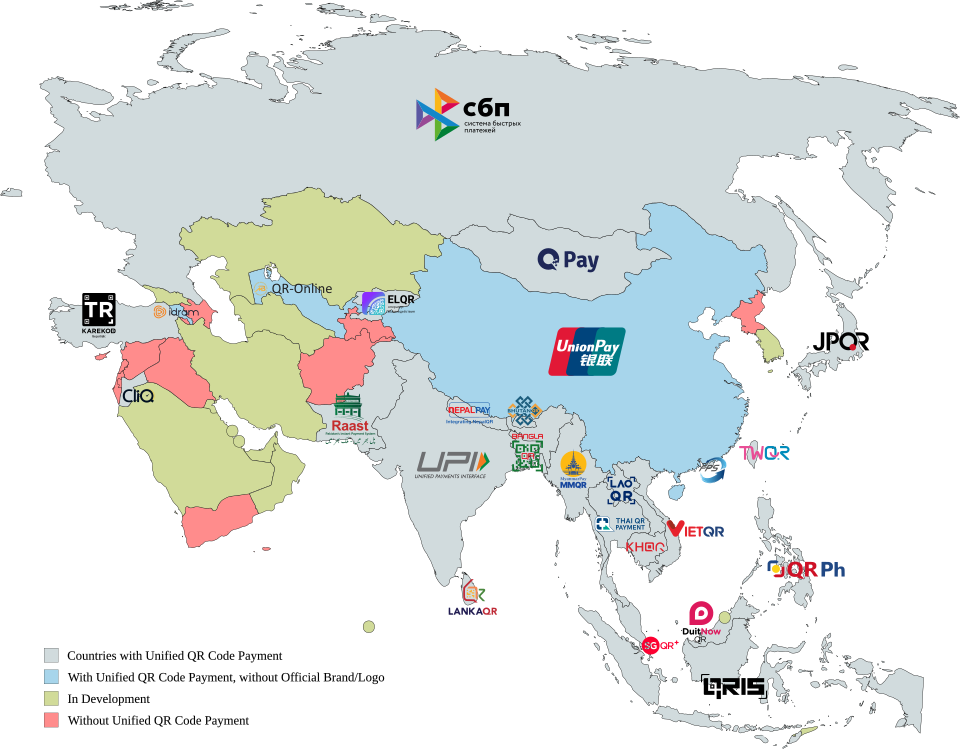 Process innovation in hospitality transactions (Image: Bamboofirdaus, CC0, via Wikimedia Commons)
Based on the TU BHM syllabus for Entrepreneurship for Hospitality (BHM329), unit 10.
Discussion
Loading…