Fundamentals of MarketingUnit 86 min read
Distribution Channels, Supply Chains & Logistics
Unit 8 of Fundamentals of Marketing covers how products move from producers to consumers—exploring distribution channels, supply chain management, logistics, and key strategies like warehousing, inventory control, and e-commerce fulfillment. Learn how companies like Daraz and Nabil Bank optimize delivery, reduce costs,
Core Concepts
1. What is Distribution?
Distribution is the process of moving goods and services from producers to end consumers through intermediaries (e.g., wholesalers, retailers) or directly. It ensures:
- Product availability at the right place and time.
- Efficient flow of goods with minimal cost and waste.
- Customer satisfaction through timely delivery.
Why does it matter? Without effective distribution, even the best products fail. For example, if Daraz cannot deliver orders on time, customers switch to competitors like Sano Commerce.
2. Types of Distribution Channels
Channels determine how products reach customers. The choice depends on:
- Product type (perishable vs. durable).
- Target market (B2B vs. B2C).
- Company resources (cost vs. control).
A. Direct vs. Indirect Channels
| Type | Definition | Example (Nepal) | Pros | Cons |
|---|---|---|---|---|
| Direct | Producer → Consumer (no intermediaries) | Nabil Bank (online loan applications) | Higher profit, direct customer feedback | High cost, limited reach |
| Indirect | Producer → Retailer → Consumer | Daraz (sells via third-party sellers) | Wider reach, lower risk | Less control, lower margins |
B. Channel Levels
Channels can be short (1 intermediary) or long (multiple intermediaries).
graph LR
    A["Producer"] --> B["Wholesaler"]
    B --> C["Retailer"]
C --> D["Consumer"]- Example: A Khalti merchant (producer) → Daraz (retailer) → Customer.
In the Real World
Daraz (Nepal)
- Uses a hybrid channel: Direct fulfillment for some products (via Daraz Logistics) and third-party sellers (indirect).
- How it works: Customers order online → Daraz’s warehouse packs the order → Delivered via Nepal Post or Kathmandu-based couriers.
- Key Idea: Supply chain integration ensures fast delivery (even in remote areas like Dharan or Pokhara).
Nabil Bank (Loan Distribution)
- Uses direct digital channels (mobile apps, ATMs) to distribute loans.
- How it works: Customer applies online → Bank processes → Funds transferred digitally (no physical branch visit needed).
- Key Idea: Direct distribution reduces processing time (from weeks to hours).
Pathao (Ride-Hailing Logistics)
- Partners with local delivery agents (indirect channel) to move goods.
- How it works: Restaurant → Pathao driver → Customer (same as food delivery apps like Foodmandu).
- Key Idea: Third-party logistics (3PL) reduces costs for small businesses.
Supply Chain Management (SCM)
Supply chain = Network of suppliers, manufacturers, warehouses, retailers, and logistics working together to deliver products.
Key Components
mindmap
  root((Supply Chain))
    Suppliers
    Manufacturers
    Warehouses
    Transportation
    Retailers
Customers- Example: Himalayan Java (coffee producer) → Local exporters → Global retailers (e.g., Starbucks).
Supply Chain Strategies
| Strategy | Definition | Example (Nepal) |
|---|---|---|
| Just-in-Time (JIT) | Minimize inventory, receive goods as needed | Toyota’s Nepal dealerships (cars arrive just before sale) |
| Bulk Shipping | Ship large quantities to reduce costs | NTC importing telecom equipment |
| Dropshipping | Supplier ships directly to customer | Daraz sellers (no need for own warehouse) |
Logistics: The Backbone of Distribution
Logistics = Planning and executing movement of goods (storage, transport, inventory).
A. Modes of Transportation
| Mode | Best For | Cost | Speed | Example (Nepal) |
|---|---|---|---|---|
| Road | Short-distance, flexible | Low | Medium | Daraz deliveries |
| Rail | Bulk goods, long-distance | Medium | Slow | Nepal Railways (limited) |
| Air | Urgent, high-value goods | High | Fast | Pharmaceuticals (Pokhara) |
| Water | Heavy/bulky goods | Low | Very Slow | Nepal’s rivers (rare) |
B. Warehousing & Inventory Control
- Warehousing: Storage facilities (e.g., Daraz’s fulfillment centers in Kathmandu).
- Inventory Control: Balancing stock to avoid stockouts (lost sales) or overstocking (high costs).
- Example: NTC stores spare parts in Pokhara to reduce delivery time for rural areas.
E-Commerce & Digital Distribution
How Online Retailers Work
sequenceDiagram
    Customer->>Daraz: Places order
    Daraz->>Warehouse: Picks items
    Warehouse->>Courier: Ships via Nepal Post
Courier-->>Customer: Delivers- Key Players in Nepal:
- Daraz (marketplace + logistics).
- Sano Commerce (direct fulfillment).
- Khalti (digital payments enable fast checkouts).
Challenges in Nepal
- Last-mile delivery (remote areas like Mustang).
- Infrastructure (poor roads in Dhading).
- Cash-on-delivery (COD) dominance (limits digital tracking).
Exam Tip
What Examiners Look For
- Channel Selection: Explain why a company (e.g., Nabil Bank) chooses direct vs. indirect channels.
- Supply Chain Flow: Draw a supply chain diagram for a Nepali product (e.g., Himalayan Java coffee).
- Logistics Costs: Compare road vs. air freight for a perishable product (e.g., vegetables from Chitwan).
- Digital Trends: Discuss how Khalti/Daraz use dropshipping to reduce costs.
- Case Studies: Be ready to analyze Daraz’s supply chain or NTC’s inventory management.
Common Mistakes to Avoid
- Ignoring intermediaries: Always mention wholesalers/retailers if the channel is indirect.
- Overlooking costs: Logistics is not just about speed—balance cost, time, and reliability.
- Vague examples: Use real Nepali companies (Daraz, Nabil Bank, NTC) instead of generic cases.
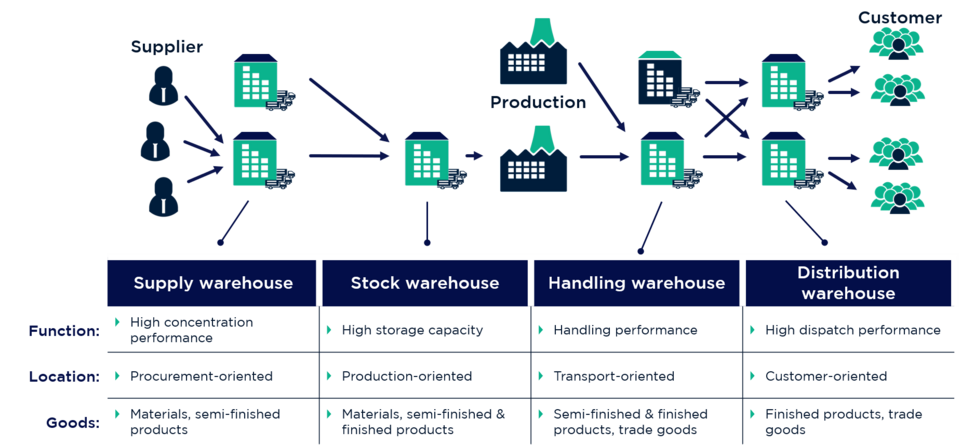 Flow of goods from manufacturer to consumer in Nepal (Image: OCM Management Consultants, CC BY-SA 4.0, via Wikimedia Commons)
Based on the TU BIM syllabus for Fundamentals of Marketing (MKT201), unit 8.
Discussion
Loading…