EnglishUnit 1011 min read
Career Paths, Skills & Entrepreneurship Basics
Unit 10 of English explores how to choose a career, develop key skills, and understand entrepreneurship—with real-world examples, skill comparisons, and NEB-style questions to prepare for exams.
---

## What is a Career?
A **career** is the path you choose for your working life. It includes:
- The **job** you do (e.g., doctor, engineer, teacher).
- The **skills** you learn (e.g., communication, teamwork, problem-solving).
- The **growth** you achieve (e.g., promotions, new challenges).

### Types of Careers
Careers can be grouped into **fields** (areas of work). Here are some common ones:

```mermaid
mindmap
  root((Career Fields))
    Education
    Healthcare
    Engineering
    Business
    Arts
    Technology
    Agriculture
Example:
- Education: Teacher, professor, counselor.
- Healthcare: Doctor, nurse, pharmacist.
- Technology: Software developer, IT specialist, cybersecurity expert.
How to Choose a Career
Choosing a career is an important decision. Here’s how to do it:
1. Self-Assessment
Ask yourself:
- What are my interests? (e.g., science, art, sports)
- What are my strengths? (e.g., math, writing, leadership)
- What are my values? (e.g., helping others, creativity, stability)
2. Research Careers
Look into careers that match your interests. For example:
- If you like science, consider engineering, medicine, or research.
- If you like helping people, consider teaching, nursing, or social work.
3. Talk to Experts
Speak to:
- Teachers (for guidance).
- Professionals (e.g., doctors, engineers) to learn about their jobs.
- Counselors (for career advice).
4. Try Internships or Volunteering
Get hands-on experience by:
- Doing an internship (short-term job training).
- Volunteering in areas you’re interested in.
Key Skills for Career Success
No matter what career you choose, certain skills are always important. These are called soft skills and hard skills.
Soft Skills (Personal Traits)
These are skills related to how you work and interact with others.
Examples:
- Communication: Talking clearly, listening well.
- Teamwork: Working well with others.
- Problem-Solving: Finding solutions to challenges.
- Time Management: Planning and organizing your work.
Hard Skills (Job-Specific Skills)
These are skills you learn for a specific job.
Examples:
- Engineering: Math, physics, computer-aided design (CAD).
- Teaching: Lesson planning, classroom management.
- Programming: Coding in Python, Java, or C++.
What is Entrepreneurship?
Entrepreneurship is the process of starting and running your own business. An entrepreneur is someone who takes risks to create a new business.
Why Become an Entrepreneur?
- Freedom: You control your work and decisions.
- Profit: You can earn more money if your business succeeds.
- Innovation: You can create new products or services.
- Job Creation: You can hire others and help the economy.
Challenges of Entrepreneurship
- Risk: You might lose money if the business fails.
- Hard Work: Long hours and stress.
- Uncertainty: No guaranteed income at first.
Steps to Start a Business
If you want to become an entrepreneur, follow these steps:
flowchart TD
  A["Idea"] --> B["Research"]
  B --> C["Plan"]
  C --> D["Funding"]
  D --> E["Legal Setup"]
  E --> F["Launch"]
  F --> G["Grow"]
1. Come Up with an Idea
Think of a product or service that people need. For example:
- A mobile phone repair shop.
- An online tutoring service.
- A local bakery.
2. Research the Market
- Who is your target customer? (e.g., students, families, businesses)
- Who are your competitors? (other businesses selling the same thing)
- What is the demand? (how many people want your product/service)
3. Create a Business Plan
A business plan is a written document that describes:
- Your business idea.
- Your goals.
- How you will run the business.
- How you will make money.
Example Business Plan Outline:
- Business Name: "Green Thumb Nursery"
- Product/Service: Selling plants and gardening advice.
- Target Customers: Home gardeners, offices, schools.
- Marketing Plan: Use social media, local ads, and word-of-mouth.
- Financial Plan: Startup costs (₹50,000), monthly expenses (₹20,000), expected profit (₹30,000/month).
4. Find Funding
You need money to start a business. Ways to get funding:
- Personal Savings: Use your own money.
- Bank Loan: Borrow money from a bank.
- Investors: Find people who want to invest in your business.
- Crowdfunding: Ask people online to donate or invest.
5. Legal Setup
Register your business and follow the rules:
- Choose a business name.
- Register with the local government.
- Get necessary licenses (permits to operate legally).
- Open a business bank account.
6. Launch Your Business
- Start selling your product or service.
- Promote your business (e.g., through ads, social media, flyers).
- Provide good customer service to keep customers happy.
7. Grow Your Business
- Improve your product/service based on feedback.
- Expand to new locations or add new products.
- Hire employees if needed.
Career vs. Entrepreneurship: A Comparison
| Feature | Career (Employee) | Entrepreneurship (Business Owner) |
|---|---|---|
| Control | Follow company rules and policies. | Make your own decisions. |
| Income | Fixed salary (unless bonuses). | Variable income (depends on business). |
| Risk | Low risk (job security). | High risk (business may fail). |
| Work Hours | Usually fixed (9 AM–5 PM). | Often long hours (especially at the start). |
| Growth | Promotions within the company. | Unlimited growth if the business succeeds. |
| Skills Needed | Job-specific skills + soft skills. | Business skills + creativity + leadership. |
Solved Example: Choosing a Career
Question: Ramesh is good at math and science. He enjoys solving puzzles and working with computers. Which careers should he consider?
Solution:
- Identify Interests: Math, science, computers, puzzles.
- Research Careers:
- Software Engineer: Uses math and computers to create software.
- Data Scientist: Analyzes data using math and statistics.
- Civil Engineer: Uses math and science to design buildings and infrastructure.
- Cybersecurity Expert: Protects computer systems from hackers (uses problem-solving skills).
- Talk to Experts: Speak to a software engineer or a data scientist to learn more.
- Try Internships: Do an internship in IT or engineering to gain experience.
Best Choices for Ramesh:
- Software Engineer
- Data Scientist
- Cybersecurity Specialist
Solved Example: Starting a Small Business
Question: Sita wants to start a small business selling handmade jewelry. What steps should she take?
Solution:
- Idea: Handmade jewelry (e.g., necklaces, earrings).
- Research:
- Target Customers: Women aged 18–35, tourists, gift buyers.
- Competitors: Other jewelry shops online and in local markets.
- Demand: High in tourist areas and during festivals.
- Business Plan:
- Name: "Sita’s Crafts"
- Products: Necklaces, earrings, bracelets (made from beads, stones, and metals).
- Marketing: Sell at local markets, online (Facebook, Instagram), and through word-of-mouth.
- Costs: ₹20,000 for materials and tools; ₹5,000 for initial marketing.
- Profit: Sell each piece for ₹500–₹2,000 (cost: ₹100–₹300 per piece).
- Funding: Use personal savings (₹25,000).
- Legal Setup:
- Register the business name with the local municipality.
- Get a trade license.
- Open a bank account for the business.
- Launch:
- Start selling at a local market.
- Take orders online.
- Ask happy customers to share their purchases on social media.
- Grow:
- Add new designs based on customer feedback.
- Expand to online stores like Daraz or Amazon Nepal.
- Hire helpers if orders increase.
NEB Board-Style Questions
Question 1: Short Answer
a. What is the difference between a career and entrepreneurship? Answer: A career means working for someone else (e.g., as a teacher or engineer), while entrepreneurship means starting and running your own business.
b. List two soft skills and two hard skills. Answer:
- Soft Skills: Communication, teamwork.
- Hard Skills: Programming (for IT), teaching methods (for educators).
Question 2: Essay (10 Marks)
Describe the steps to start a small business. Give an example of a business idea and explain how you would implement each step.
Answer: Starting a small business involves several key steps:
Idea Generation: Choose a product or service that meets a need. For example, "EcoBags Nepal" sells reusable shopping bags made from recycled materials.
Market Research:
- Target Customers: Environmentally conscious shoppers, students, and families.
- Competitors: Other bag brands (both local and imported).
- Demand: High in urban areas where plastic bags are banned.
Business Plan:
- Name: EcoBags Nepal.
- Products: Reusable bags in different sizes and designs.
- Marketing: Sell at local markets, eco-stores, and online (Facebook, Instagram).
- Costs: ₹30,000 for materials and printing; ₹10,000 for initial marketing.
- Profit: Sell each bag for ₹200–₹500 (cost: ₹50–₹100 per bag).
Funding: Use personal savings (₹40,000) or apply for a small business loan from a bank.
Legal Setup:
- Register the business name with the local municipality.
- Get a trade license and tax registration.
- Open a separate bank account for transactions.
Launch:
- Start selling at local markets and eco-friendly stores.
- Promote on social media with posts about sustainability.
- Offer discounts to first-time buyers.
Grow:
- Expand product line (e.g., tote bags, lunch boxes).
- Partner with schools or NGOs for bulk orders.
- Hire designers and marketers as the business grows.
By following these steps, EcoBags Nepal can become a successful and sustainable business.
Question 3: Multiple Choice
Choose the correct answer: a. Which of the following is a soft skill?
- i) Programming
- ii) Communication
- iii) Accounting
- iv) Engineering Answer: ii) Communication
b. What is the first step in starting a business?
- i) Finding funding
- ii) Coming up with an idea
- iii) Registering the business
- iv) Hiring employees Answer: ii) Coming up with an idea
Exam Tip
For NEB exams on Career and Entrepreneurship, focus on:
Definitions:
- Know the difference between career and entrepreneurship.
- Understand terms like soft skills, hard skills, and business plan.
Steps:
- Memorize the steps to choose a career (self-assessment, research, internships).
- Remember the 7 steps to start a business (idea, research, plan, funding, legal setup, launch, grow).
Examples:
- Be ready to give real-life examples of careers and businesses.
- Practice writing short business plans for hypothetical ideas.
Comparison Tables:
- The NEB often asks for comparisons (e.g., career vs. entrepreneurship). Use tables to organize your answers.
Essay Writing:
- For 10-mark essays, structure your answer clearly:
- Introduction (brief overview).
- Body (steps with examples).
- Conclusion (summary of key points).
- For 10-mark essays, structure your answer clearly:
Short Questions:
- For short-answer questions, keep answers concise (1–3 sentences).
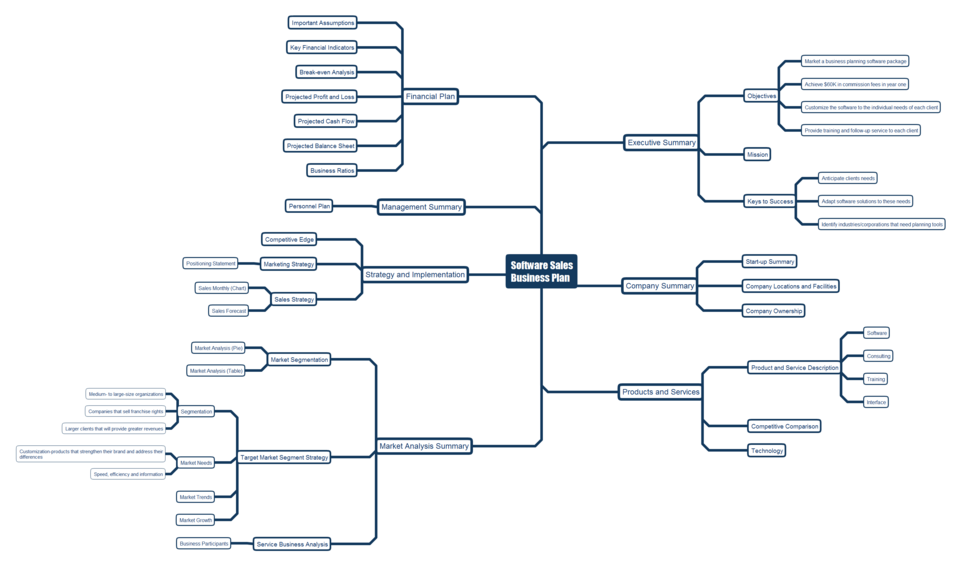 How to structure a simple business plan for exams (Image: CC BY-SA 4.0, via Wikimedia Commons)
Based on the NEB +2 Science syllabus for English (Eng), unit 10.
Discussion
Loading…